Click here for full list of UK Trip 2024 pages
Outer Hebrides: Day 1 – Edinburgh to Lewis
After a couple of nights in Edinburgh for rest and reorganisation, we travelled via Inverness to Ullapool in north-west Scotland to catch a ferry to Stornoway (population about 7,000), the largest settlement on the Outer Hebrides. Also known as the Western Isles, the Outer Hebrides consist of the Isles of Lewis and Harris (two parts of one physical island), Uist, Barra and a whole lot of smaller islands.
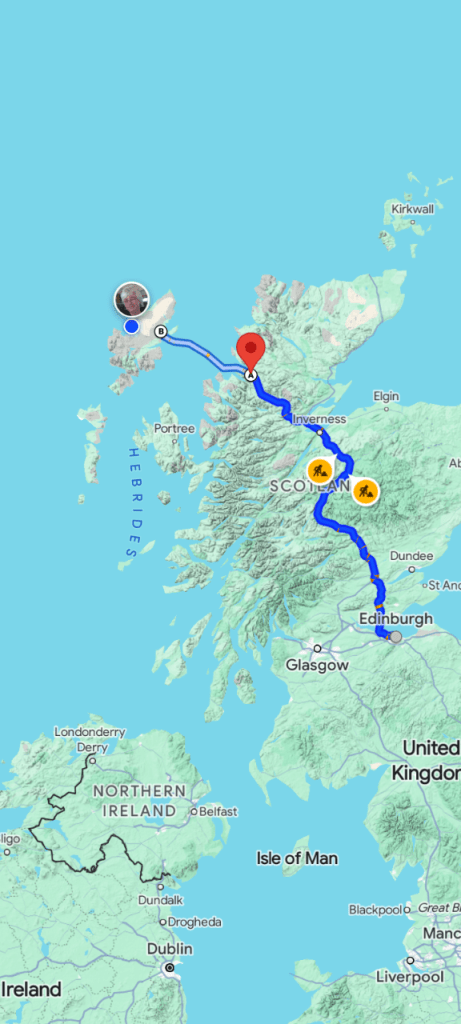
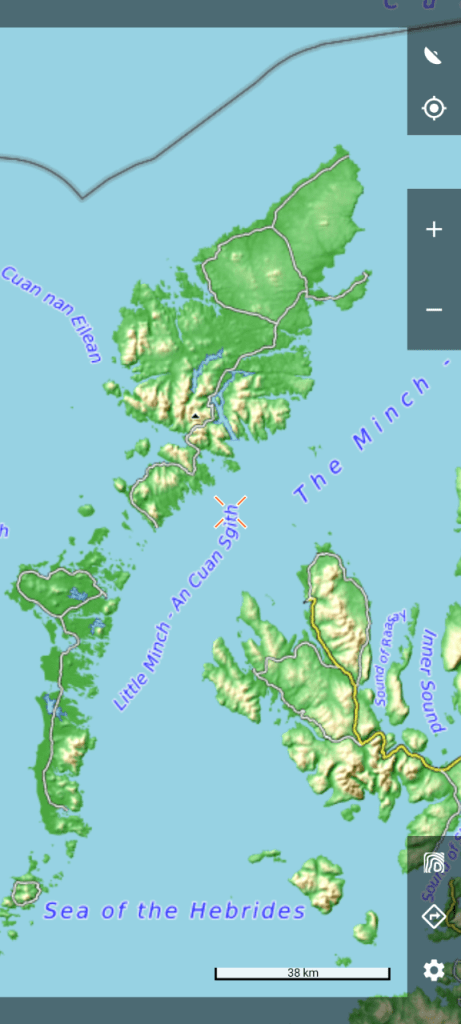
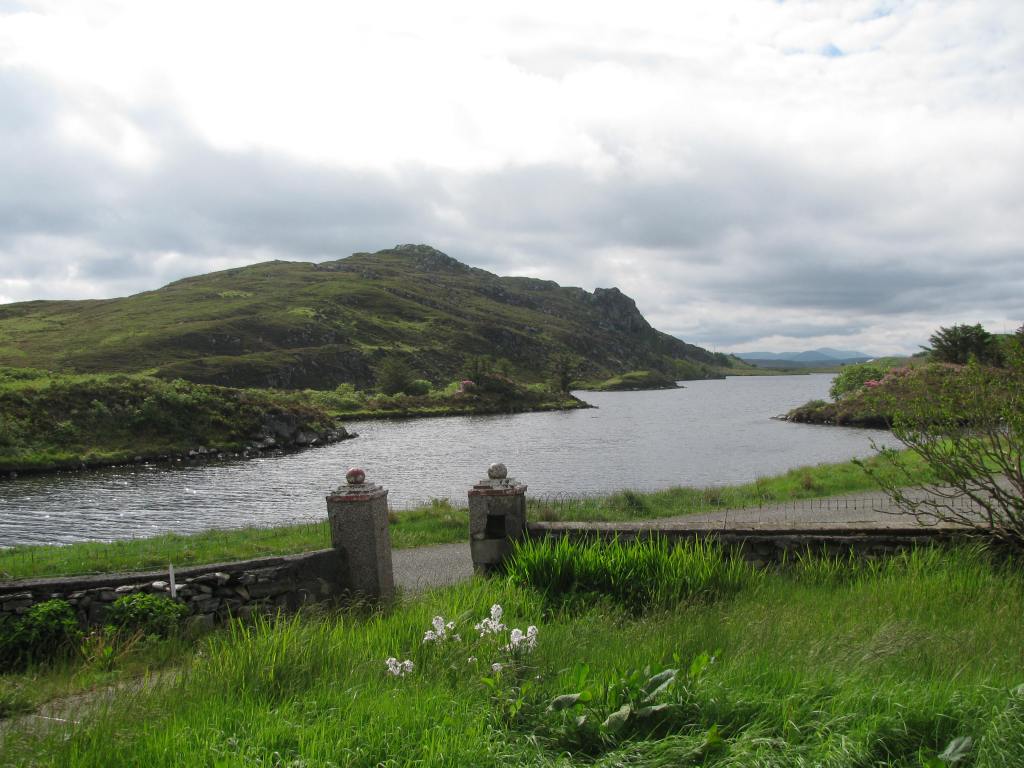
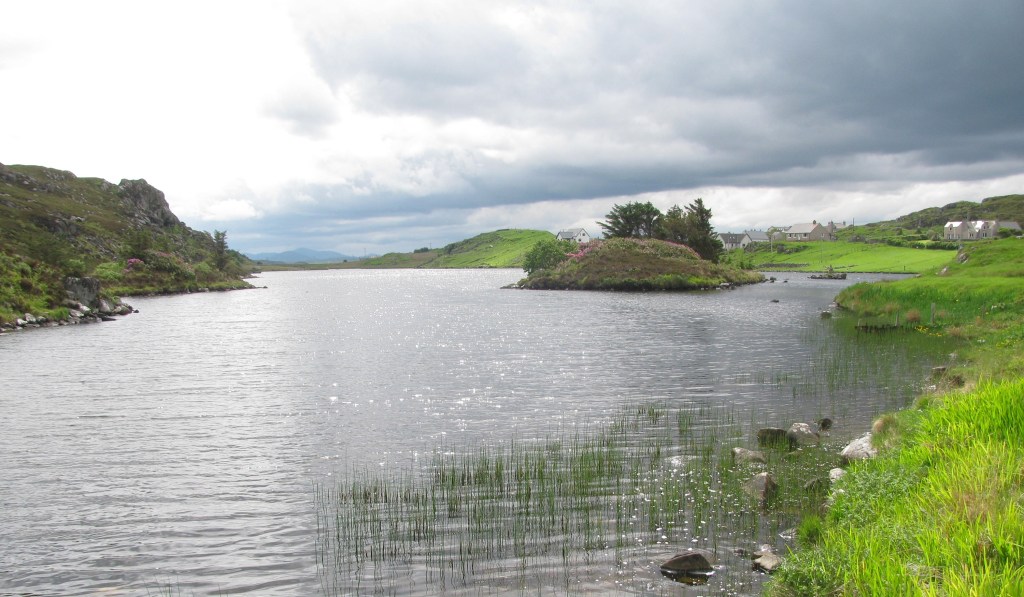
The ferry was about an hour late due to bad weather. The crossing was quite rough and took about two hours. Once we arrived on the island we drove about 40 minutes west to the cottage we’re staying in at Tolastadh a’ Chaolais. Many of the rural roads on the island are single lane, with passing bays, and you have to watch out for sheep, deer and other animals that sometimes share the road.

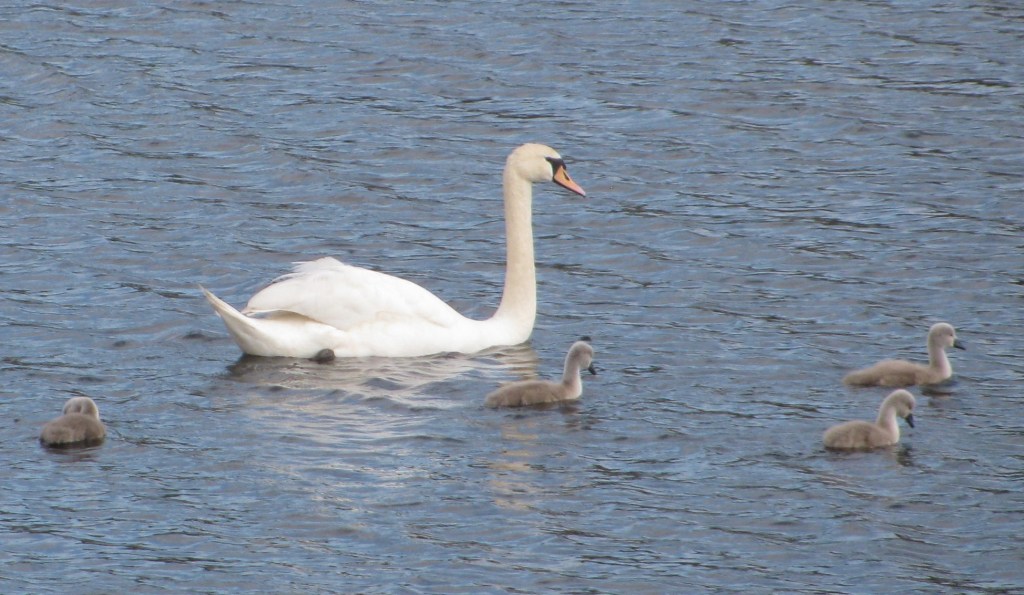
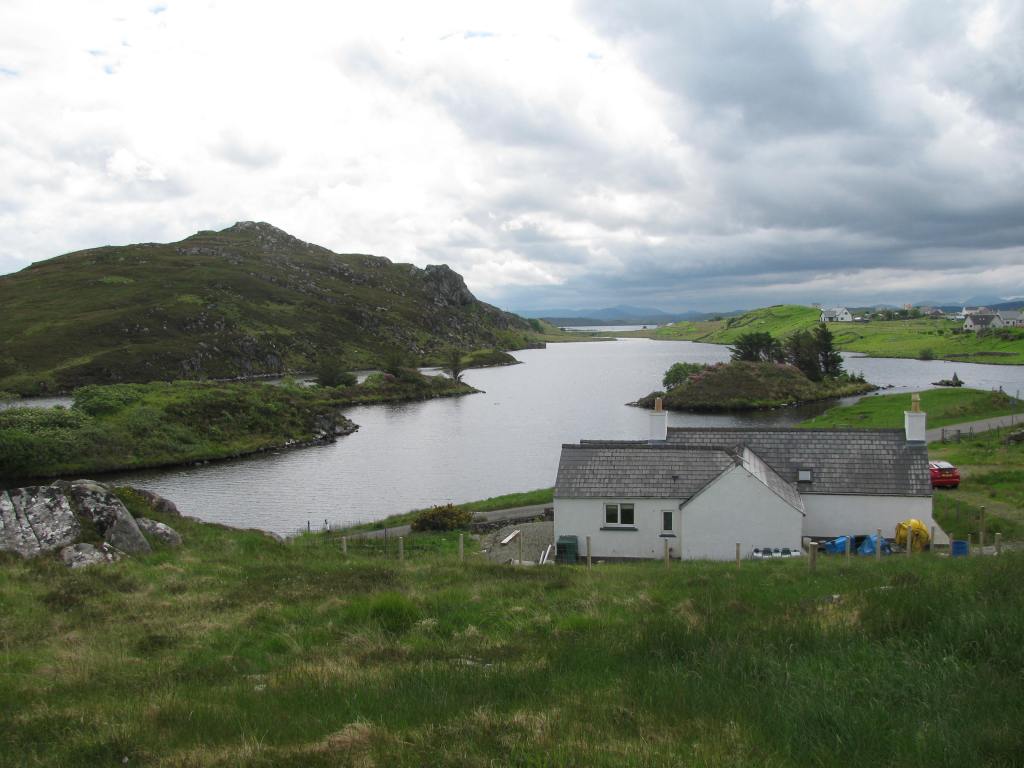

Outer Hebrides: Day 2 – Lews Castle and Museum, Stornoway
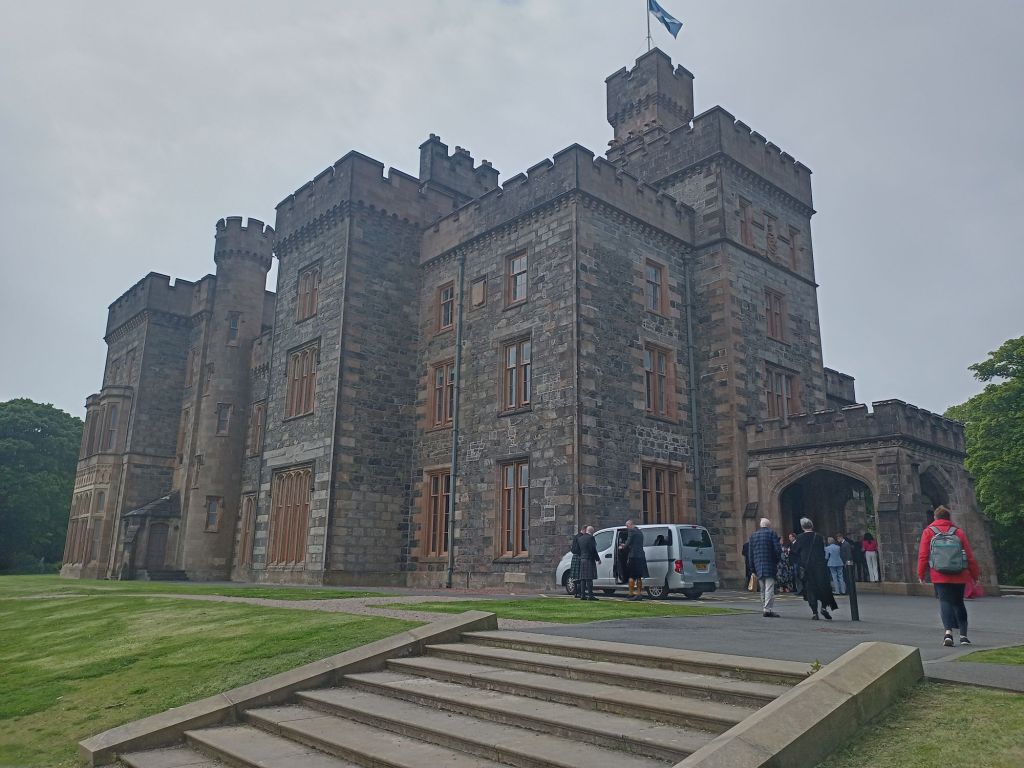
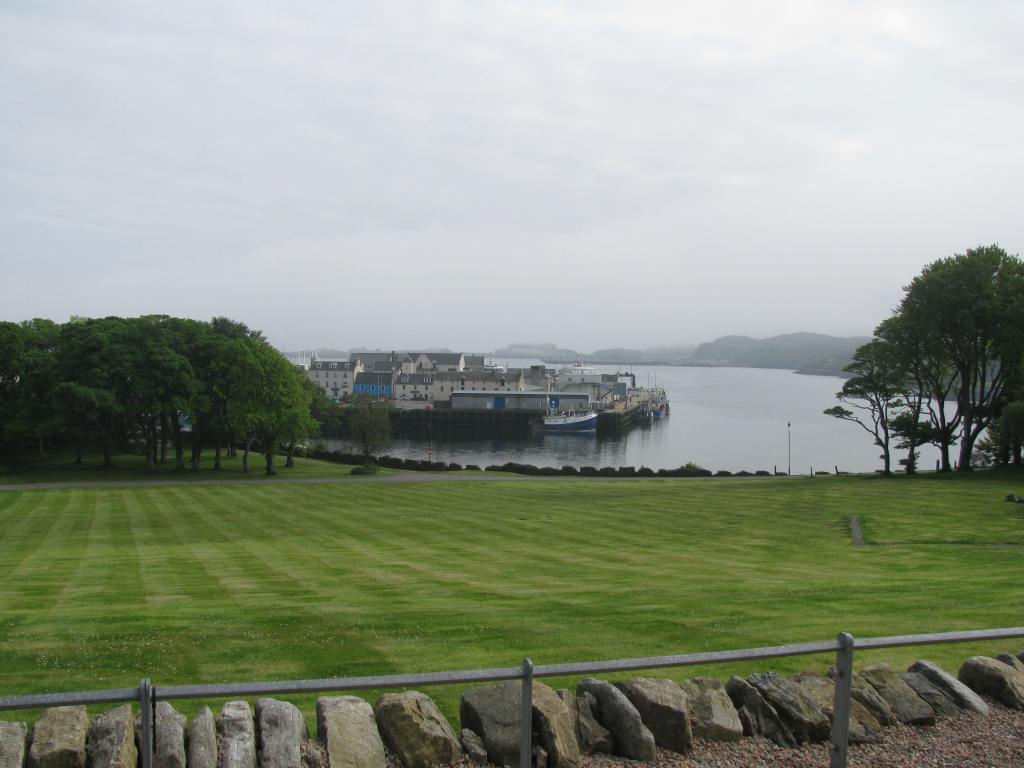
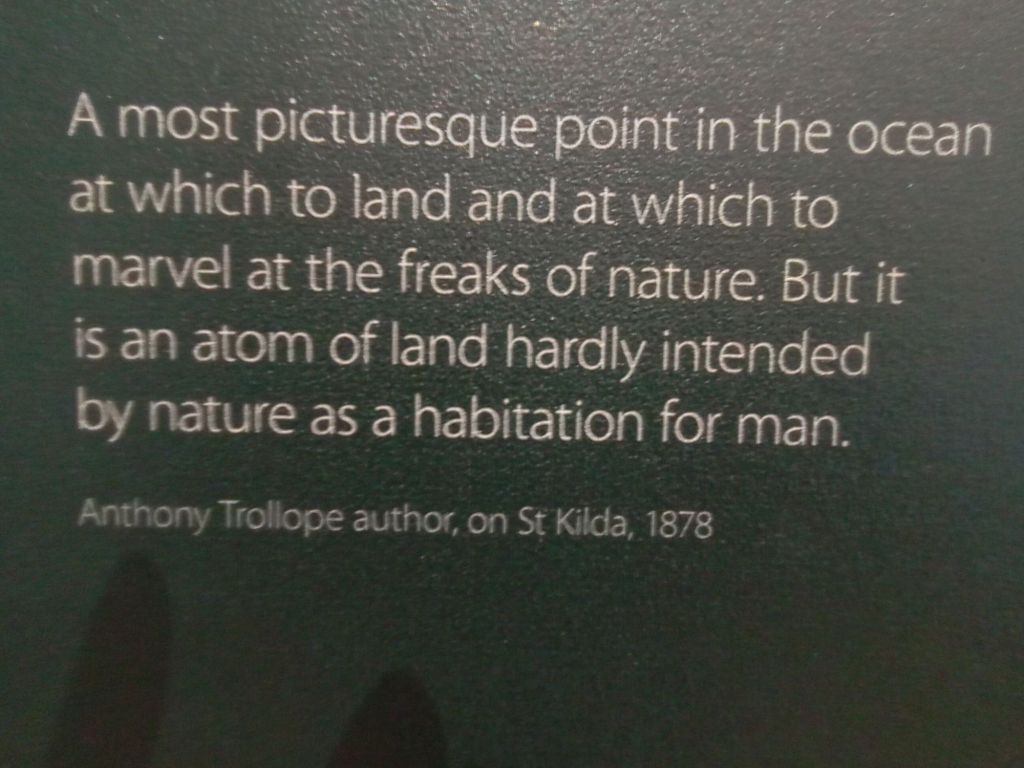
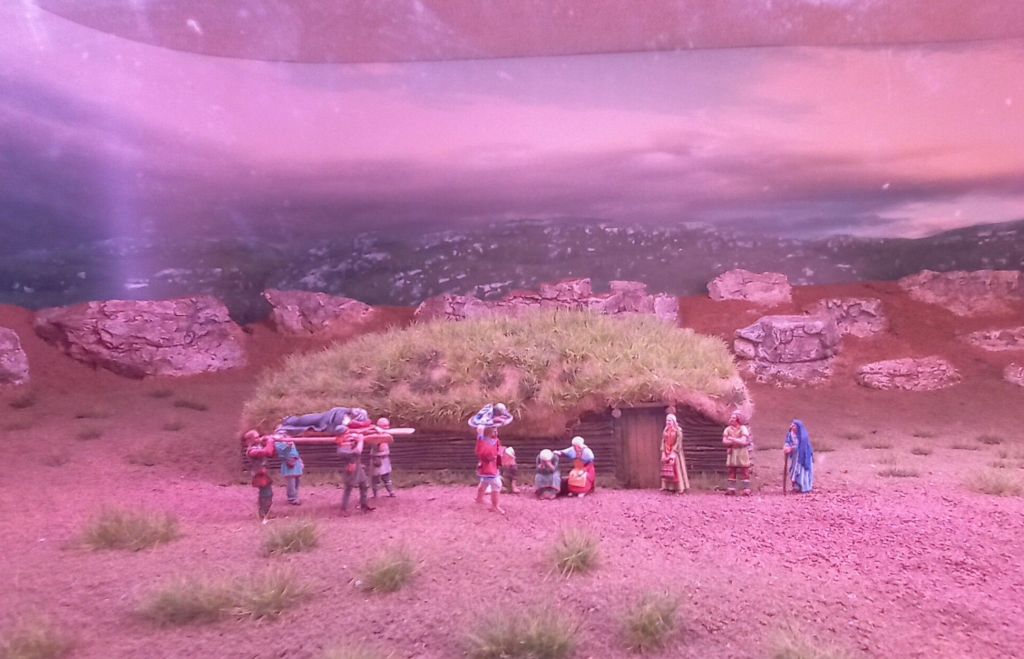
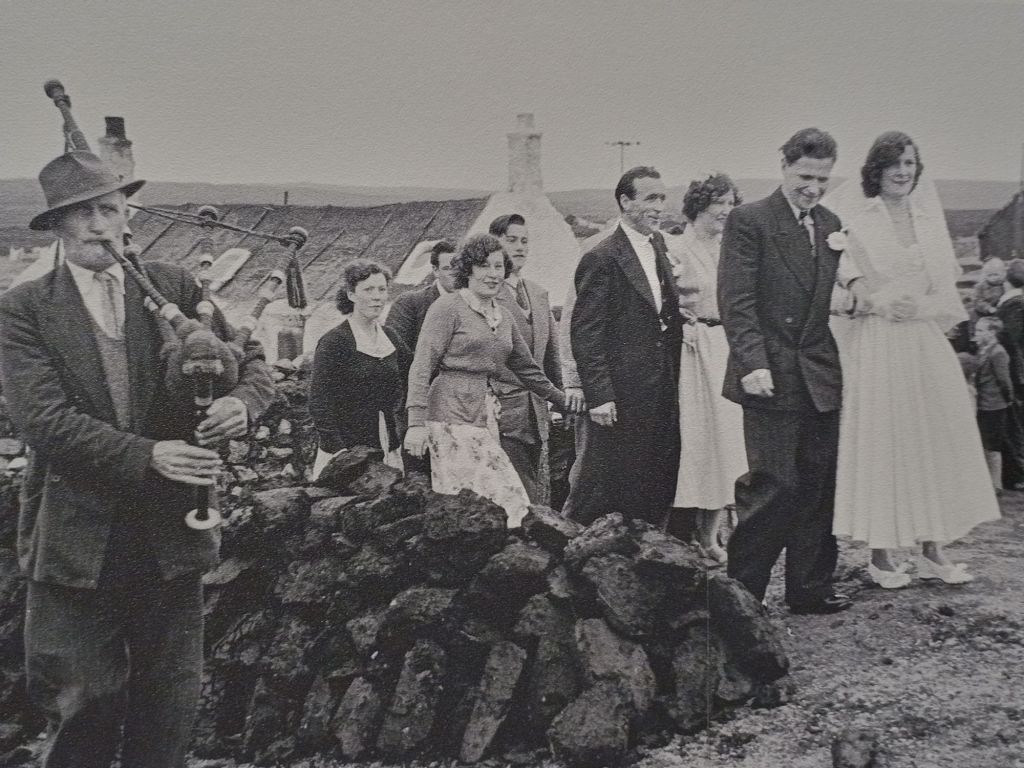
Next day, we returned to Stornoway for supermarket supplies. Afterwards Ian and Caroline visited the nearby museum at Lews Castle for an introduction to the history of the Western Isles. The castle was hosting a wedding, so we couldn’t go inside, but it was great to see the guests in their traditional Scottish finery – kilts and all!
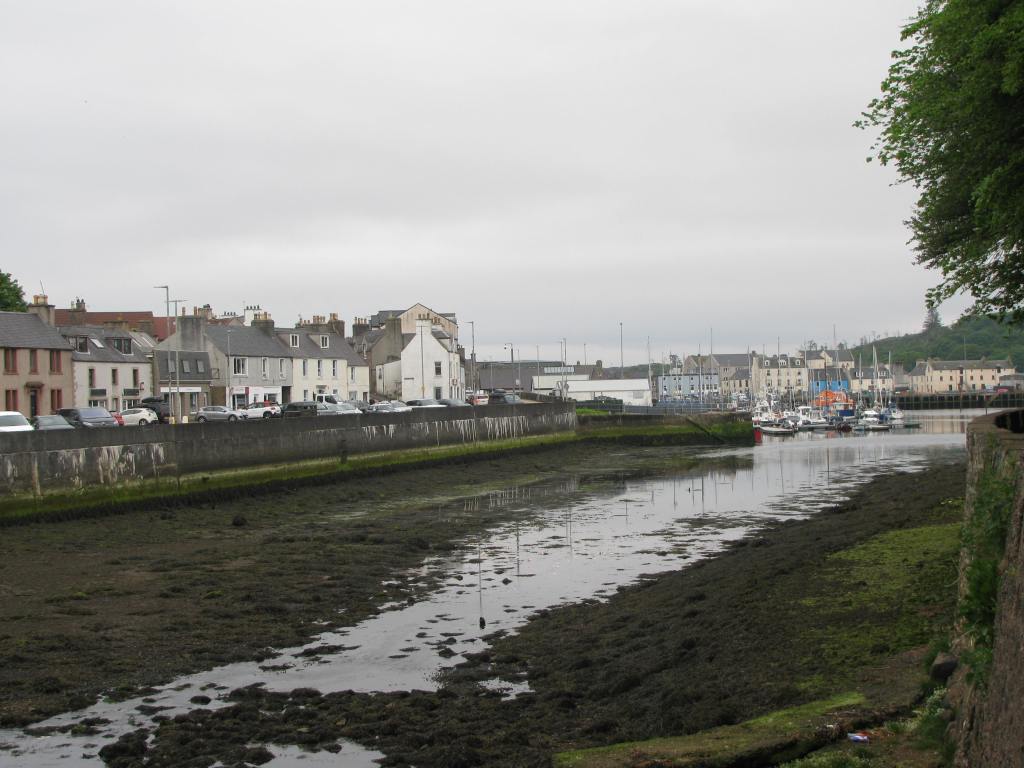
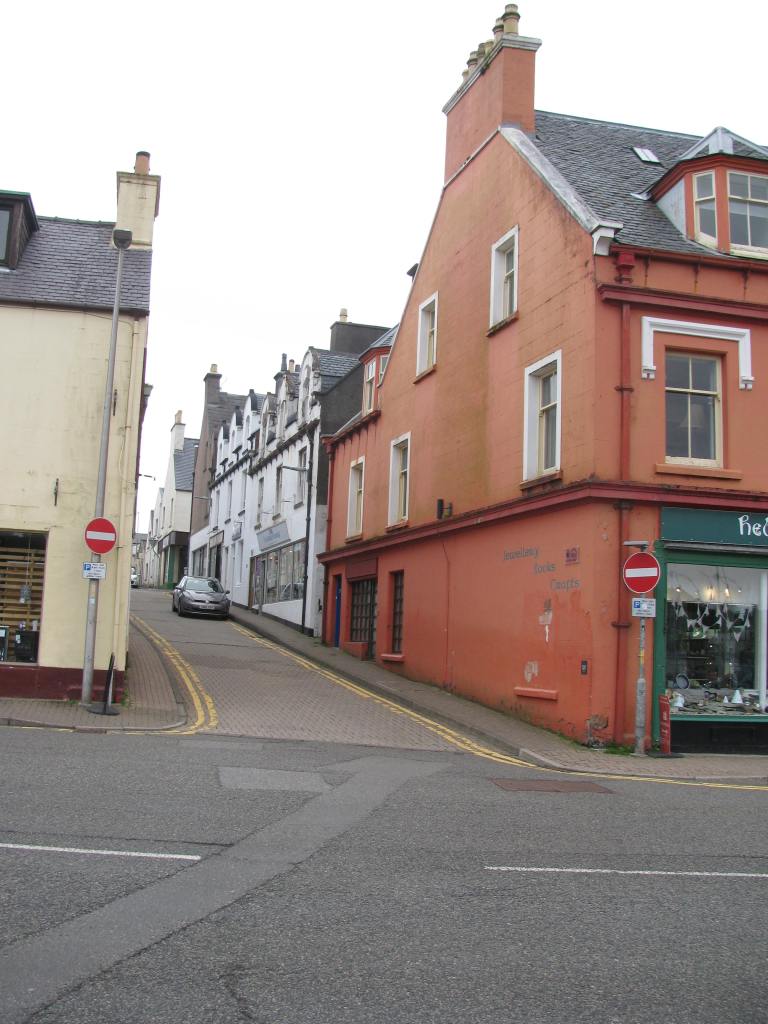
Stornoway
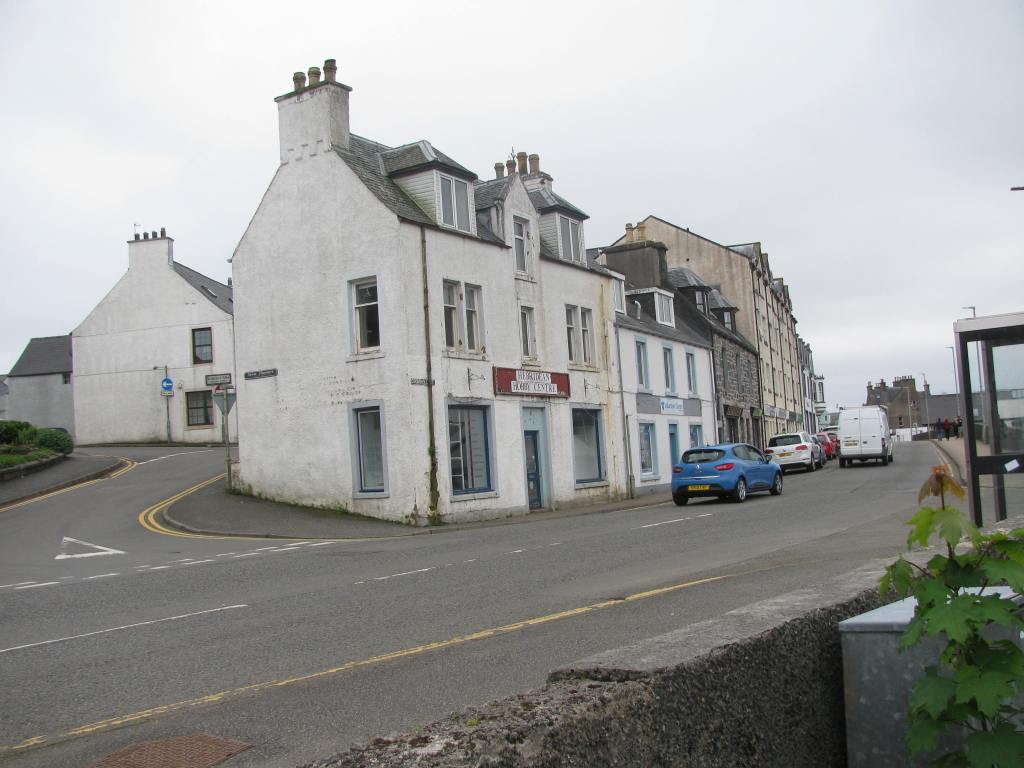
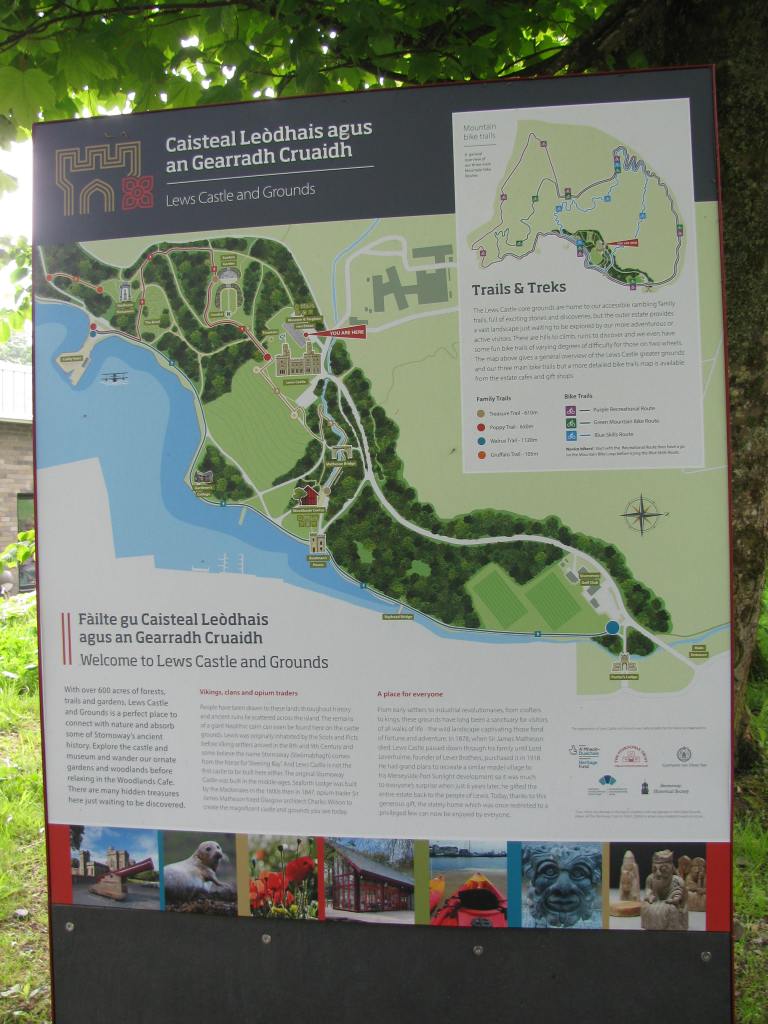
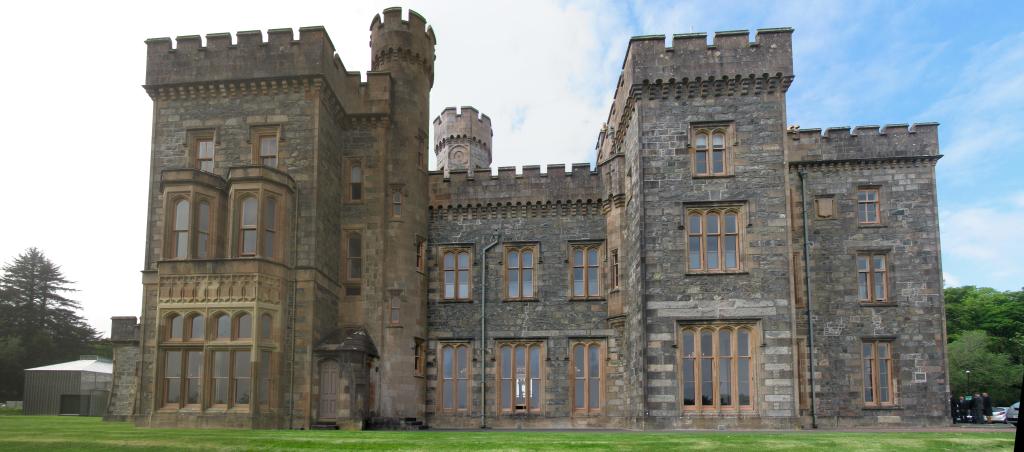
Lews Castle

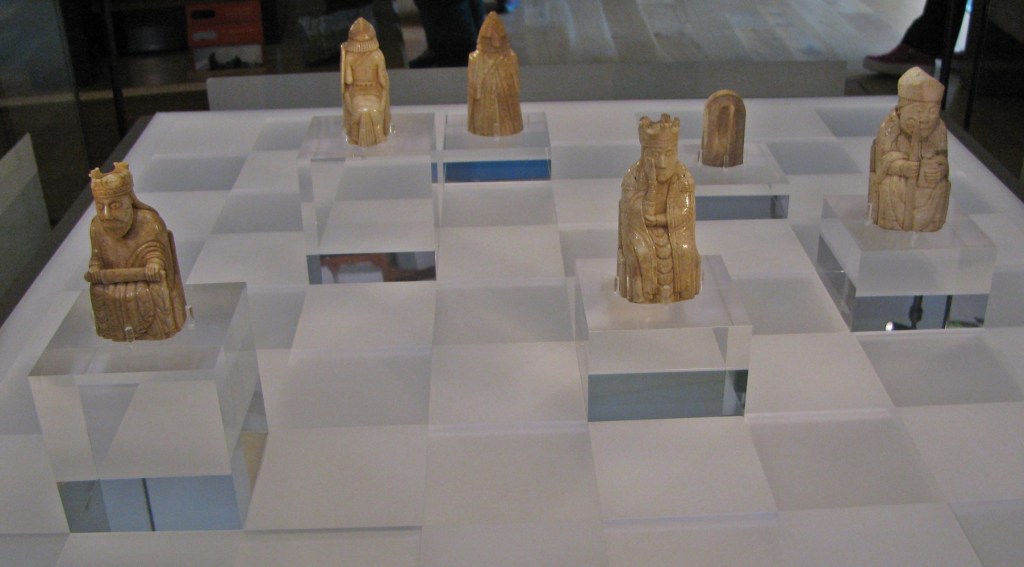
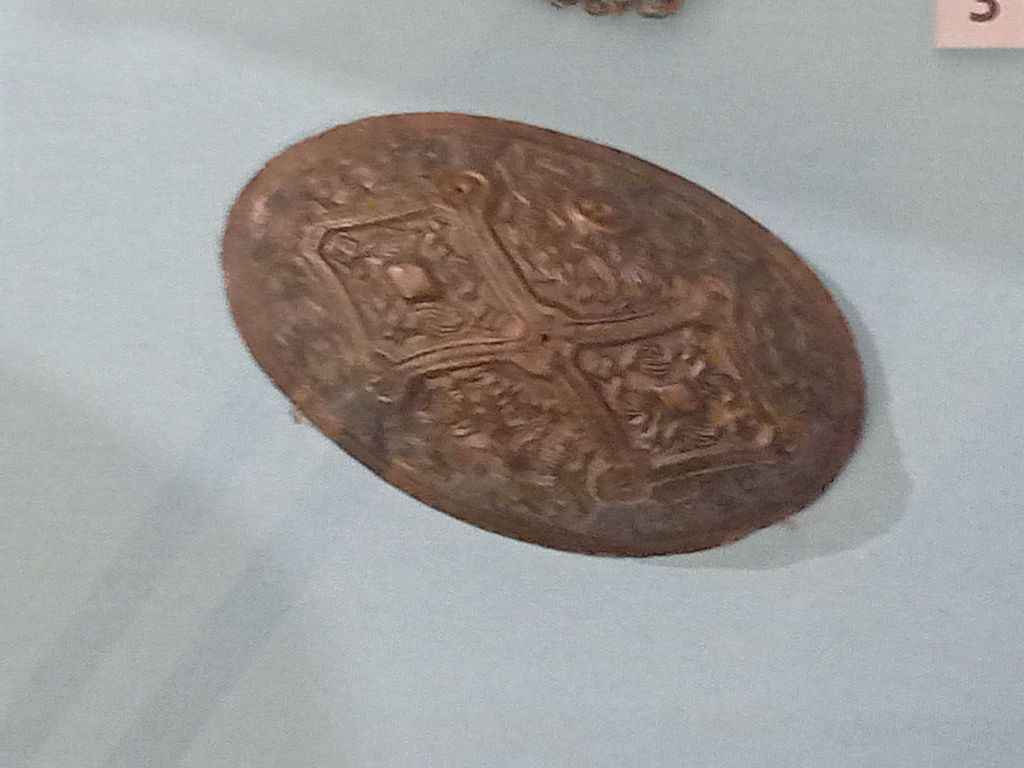
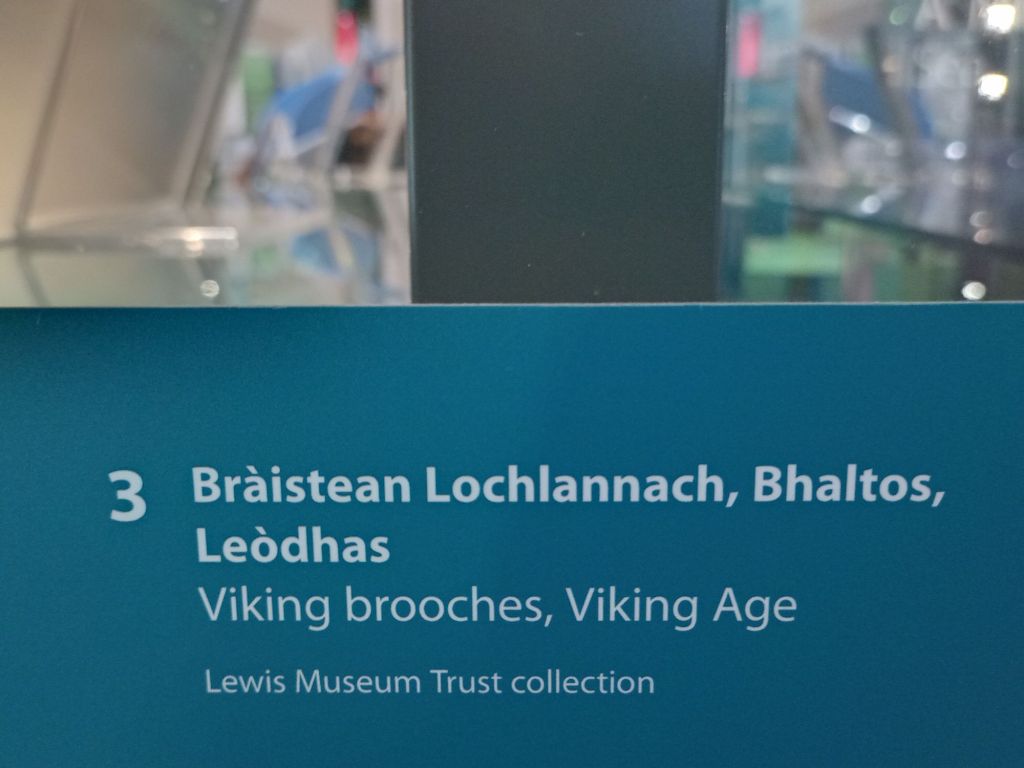
The famous Lewis chessmen in the museum. The original 12th century Norwegian chess pieces were found in 1831 in a sand dune on the west coast of Lewis near Uig,
Outer Hebrides: Day 3 – Calanais standing stones
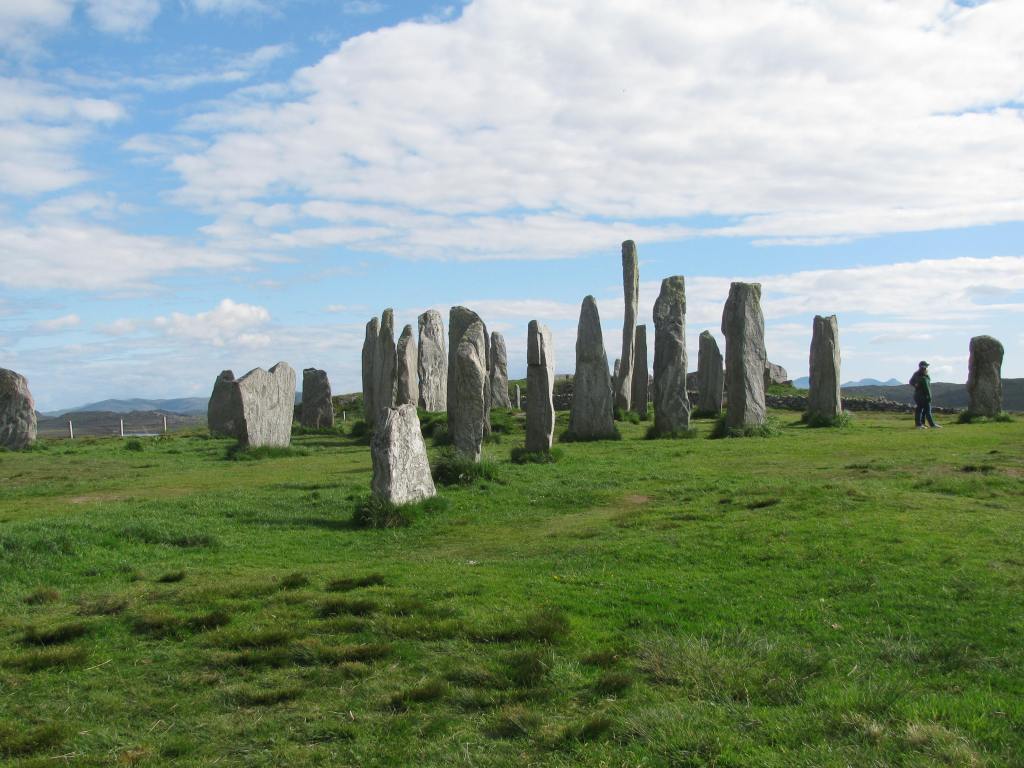
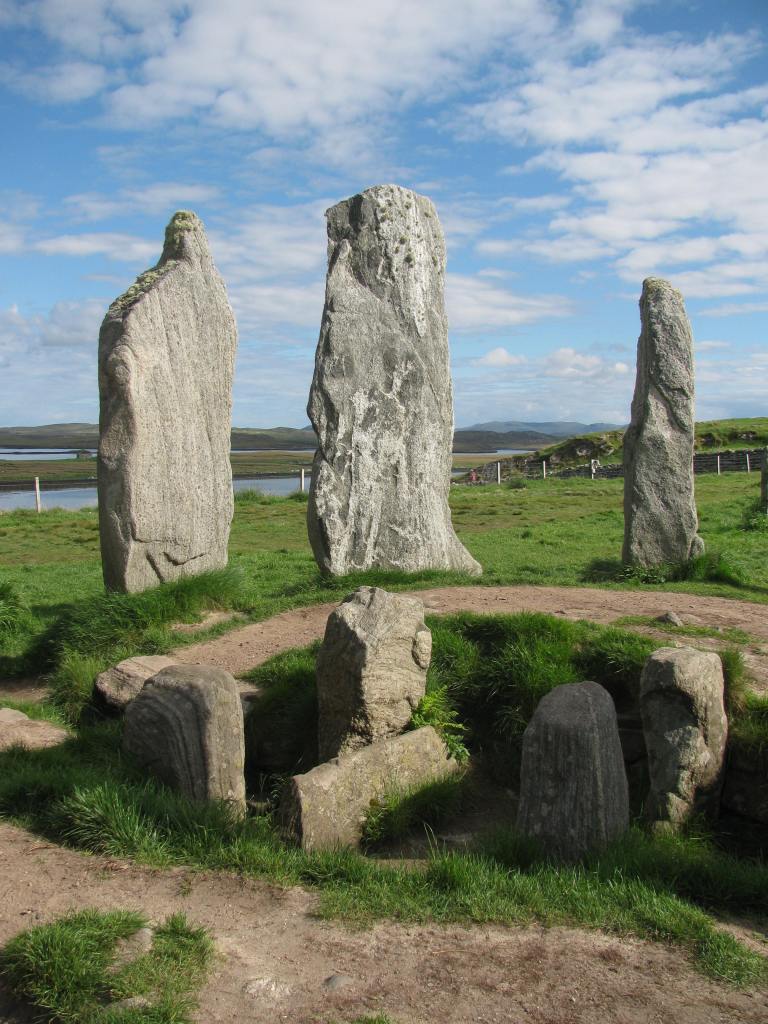
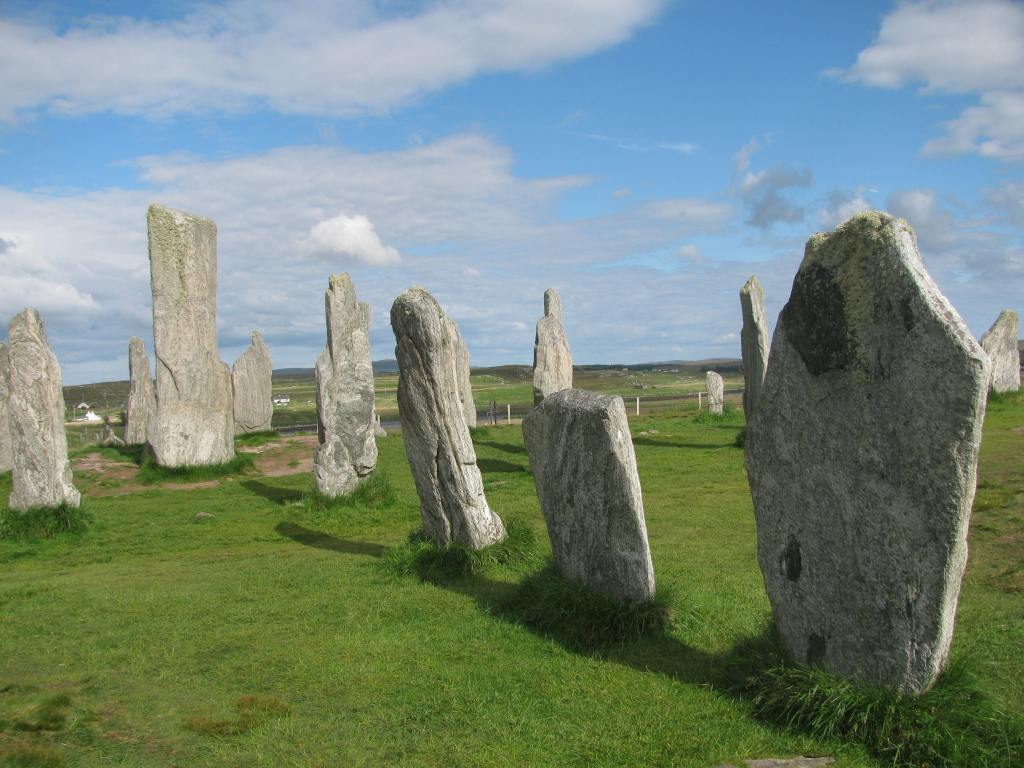
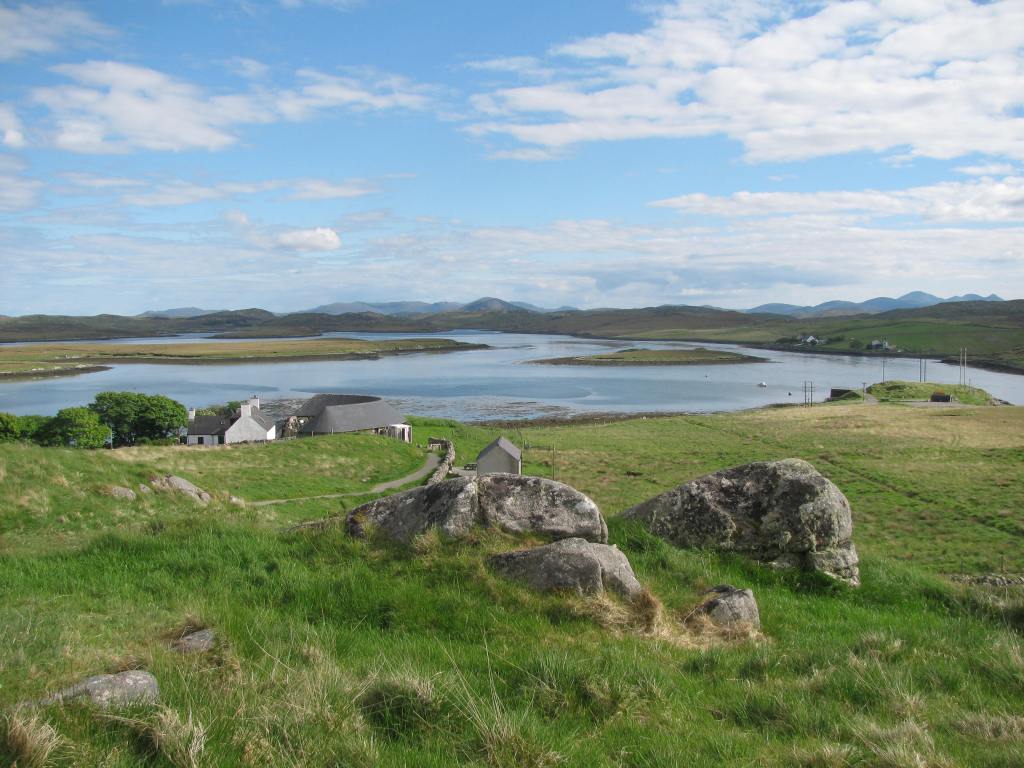
After a quiet morning, we visited the Calanais (Callanish) standing stones / stone circle, about 10 minutes drive from ‘our’ cottage. Constructed in the neolithic period (4000-2500 BC), the exact purposes of these circles are open to speculation. However, the information board says ‘Perhaps the building work gave people a sense of identity and stability, or perhaps they worshipped here. … Research at Calanais has shown that it has both astronomical and landscape alignments’.

 New Zealand Family History Search