Click here for full list of UK Trip 2024 pages
Outer Hebrides: Day 5 – Northern Lewis
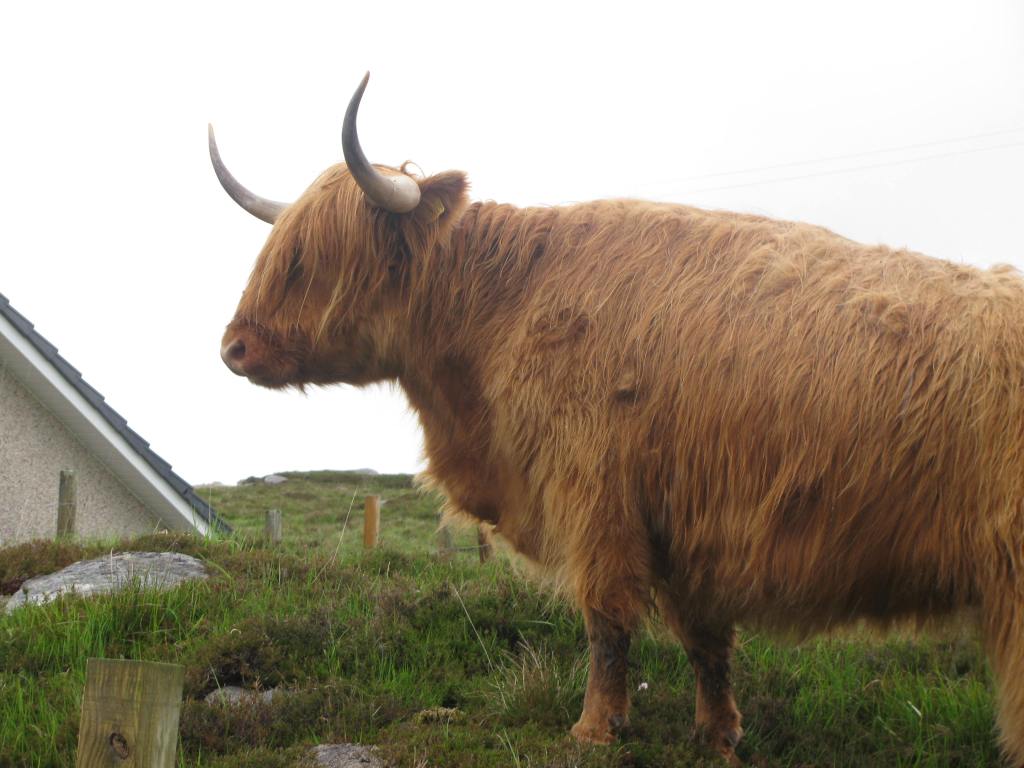
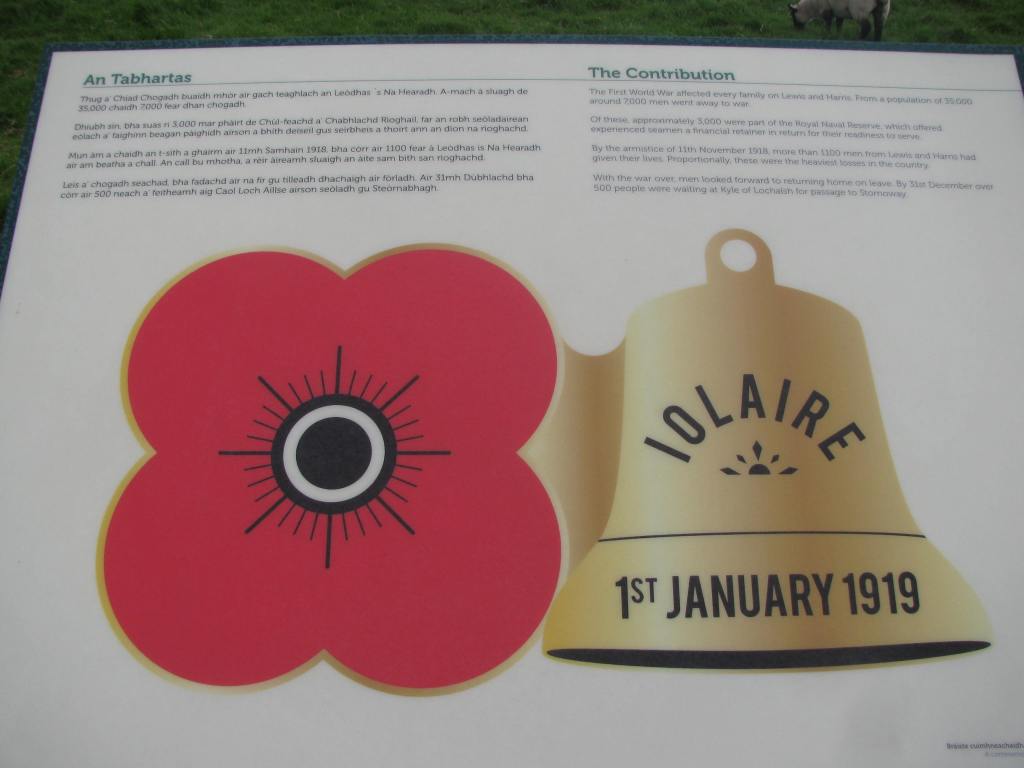
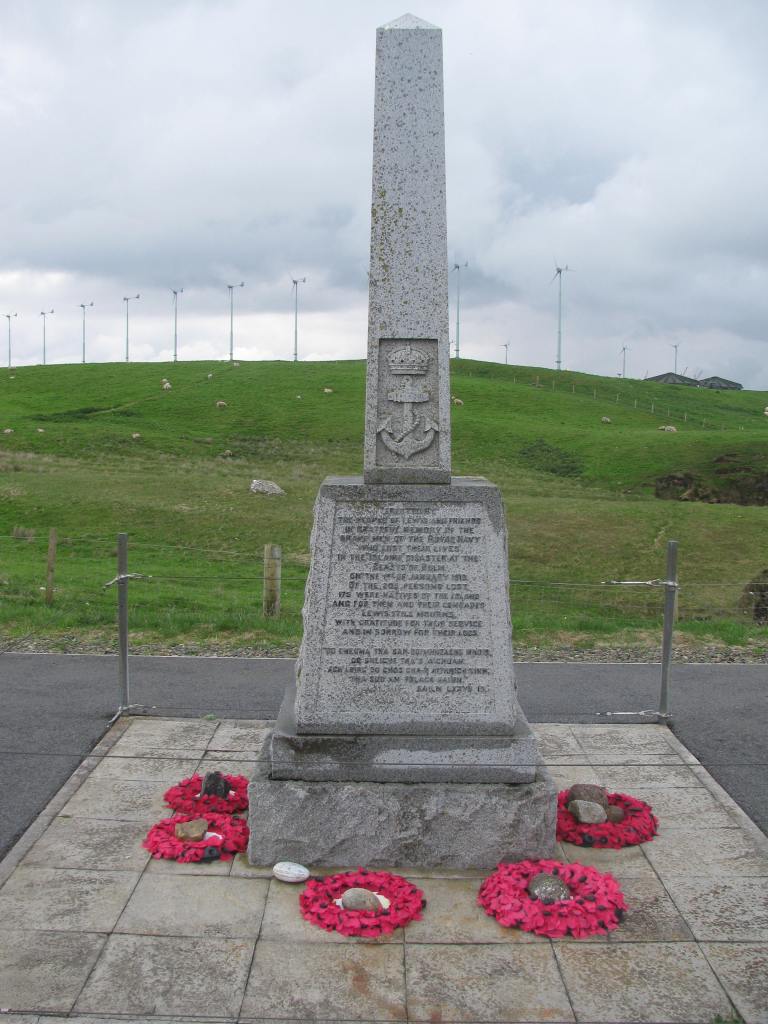
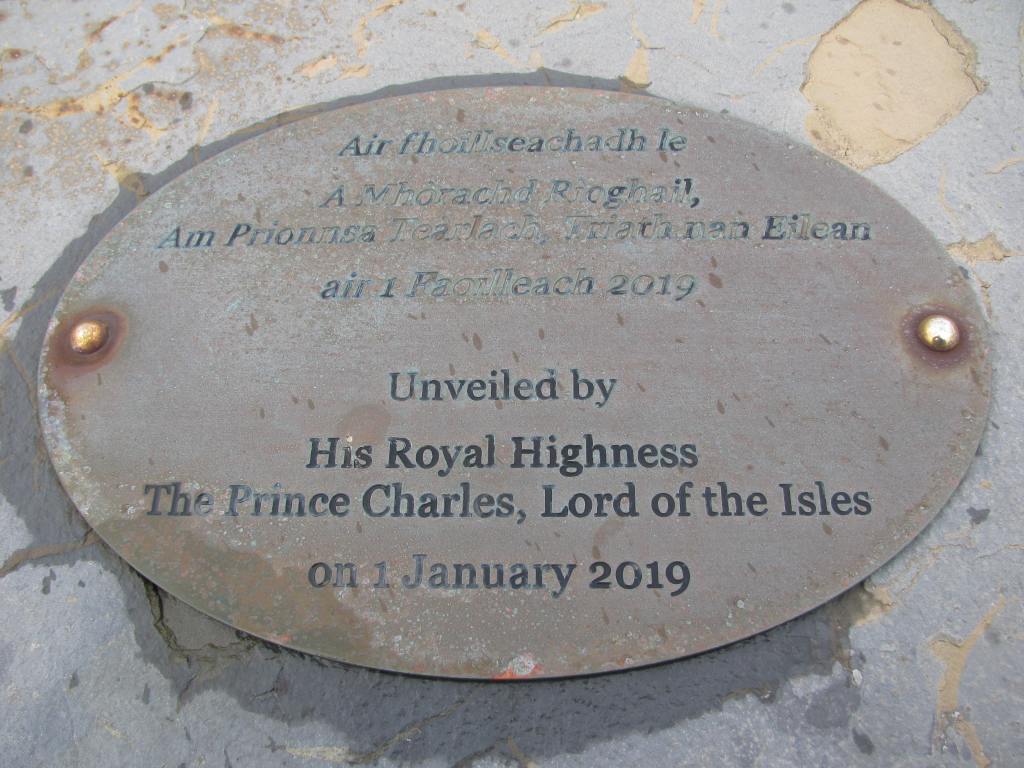
After greeting the next-door-neighbour’s Highland cattle, today we headed to the far north of Lewis, initially starting in Stornaway. On the outskirts of the town is a memorial to the ‘Iolaire’, a British military ship that was wrecked at the entrance of Stornaway Harbour on 1 January 1919, i.e. just after WWI ended. It was carrying 280 naval reserve men who were going home on leave. Only 79 survived the sinking.
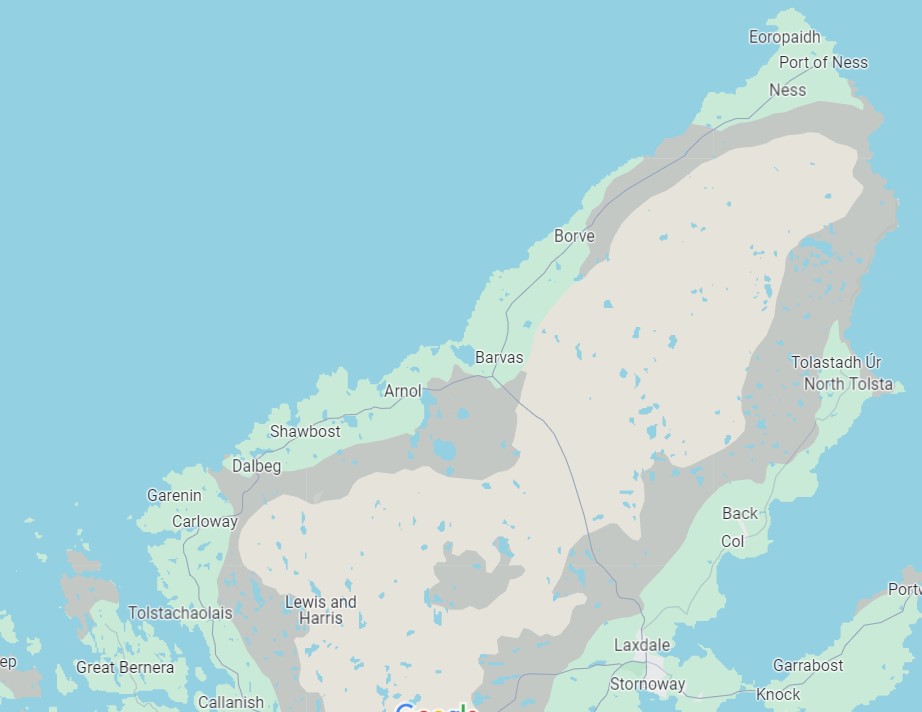
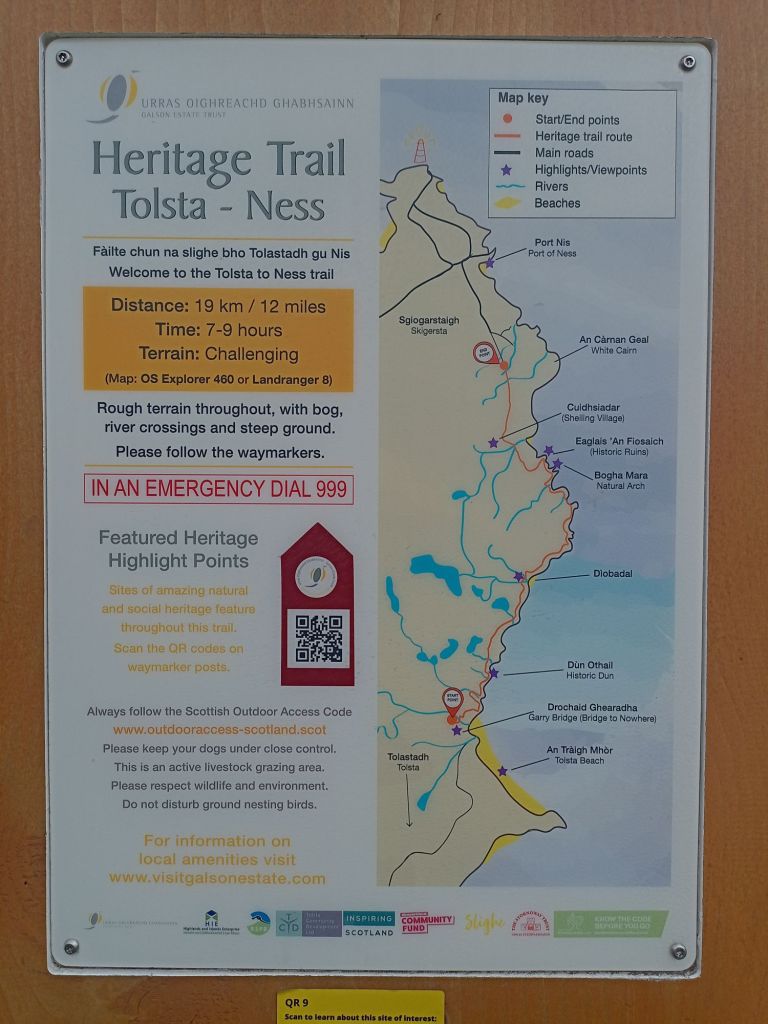
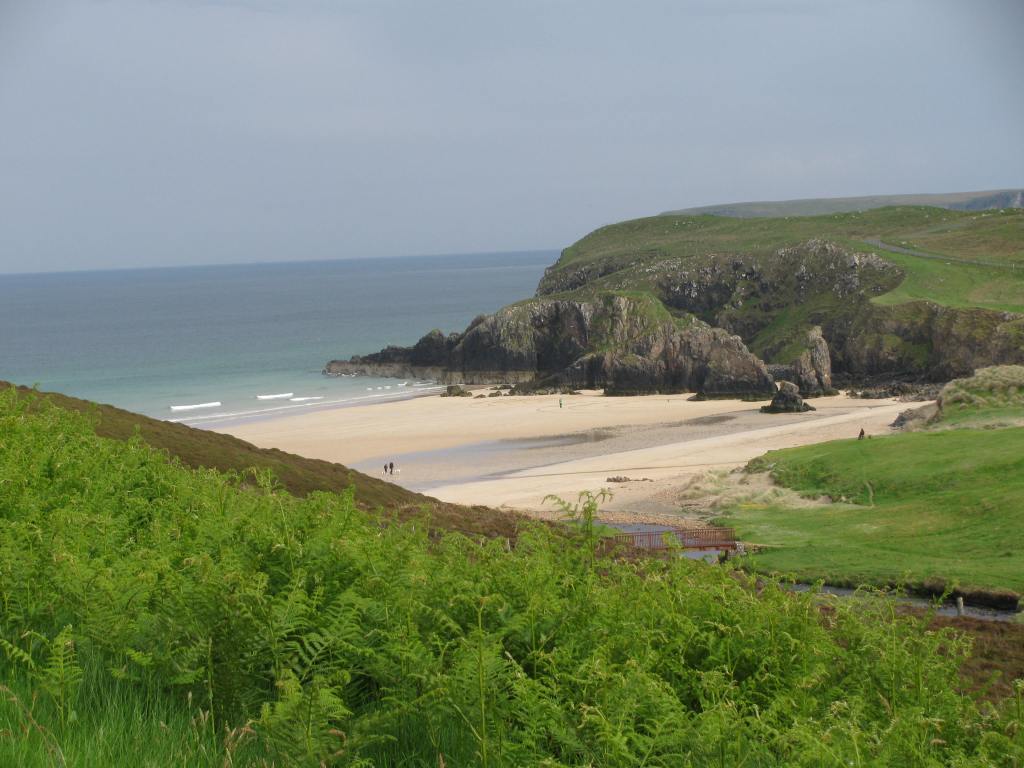
We continued up the east coast to Tolsta, stopping at Garry Bridge a.k.a. ‘the Bridge to Nowhere’. The road ends after the bridge, although a walking trail continues on to Ness. Lord Leverhulme, the owner of the island of Lewis after WWI, intended to build a road between Tolsta and Ness to support various economic developments he proposed. However, the plan was abandoned because returned servicemen wanted independent land and business ownership, rather than becoming wage earners as Lord Leverhulme wanted.
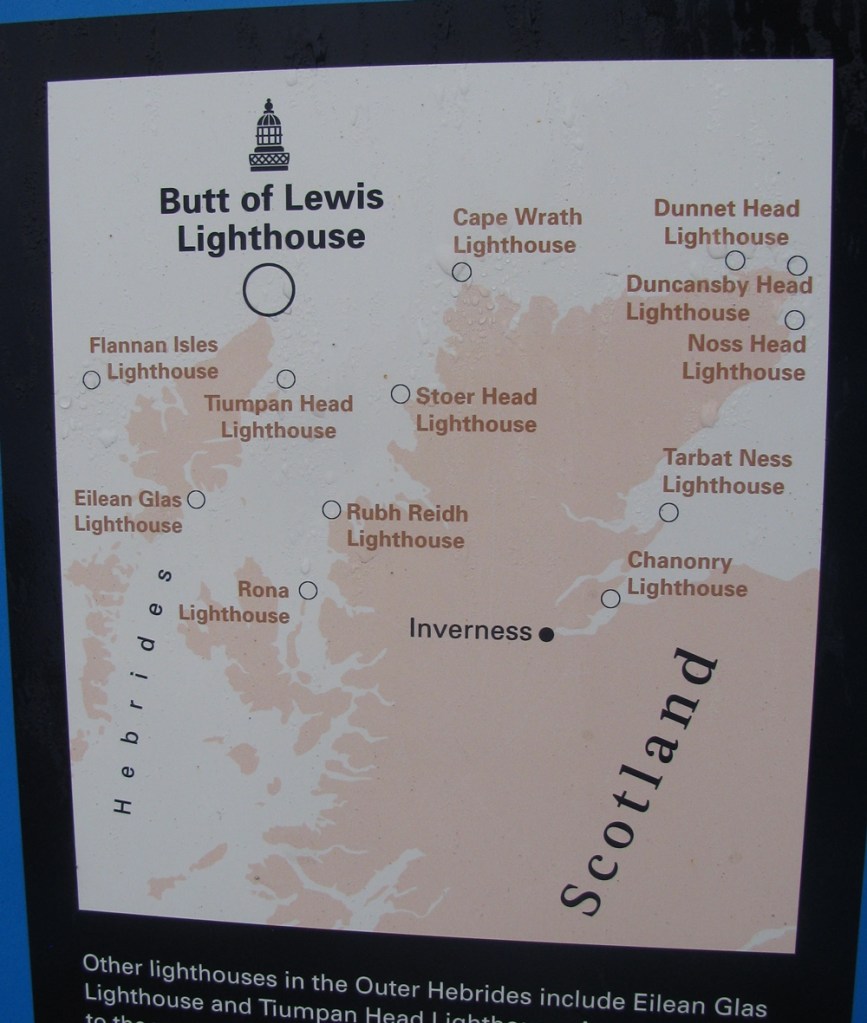
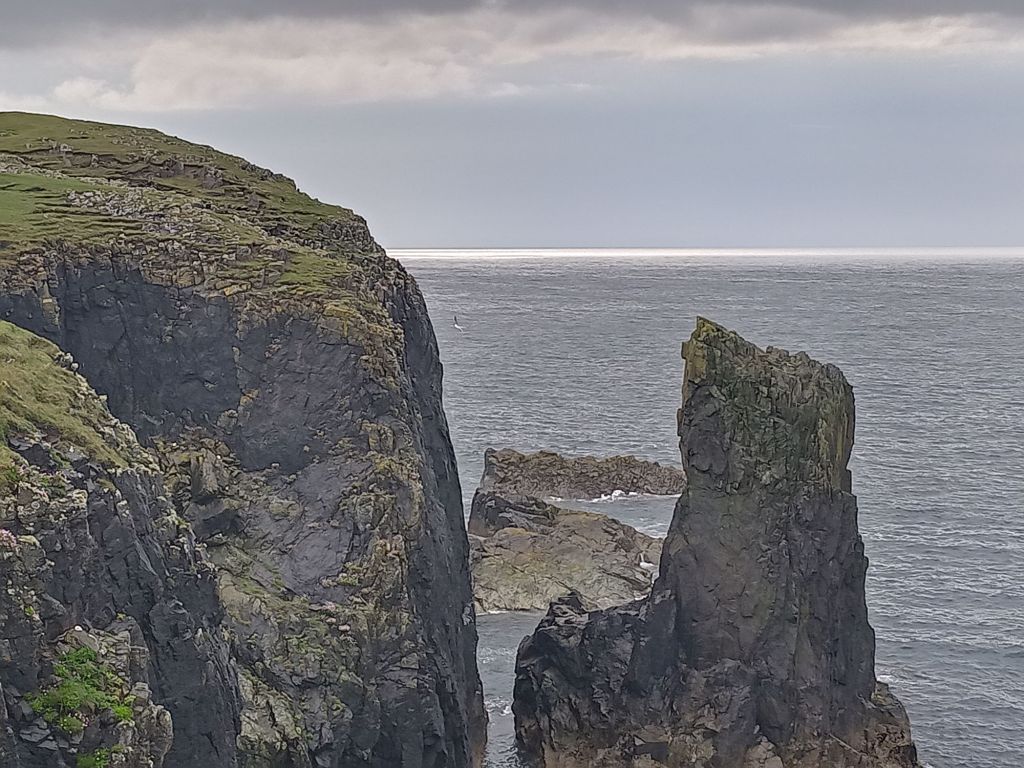
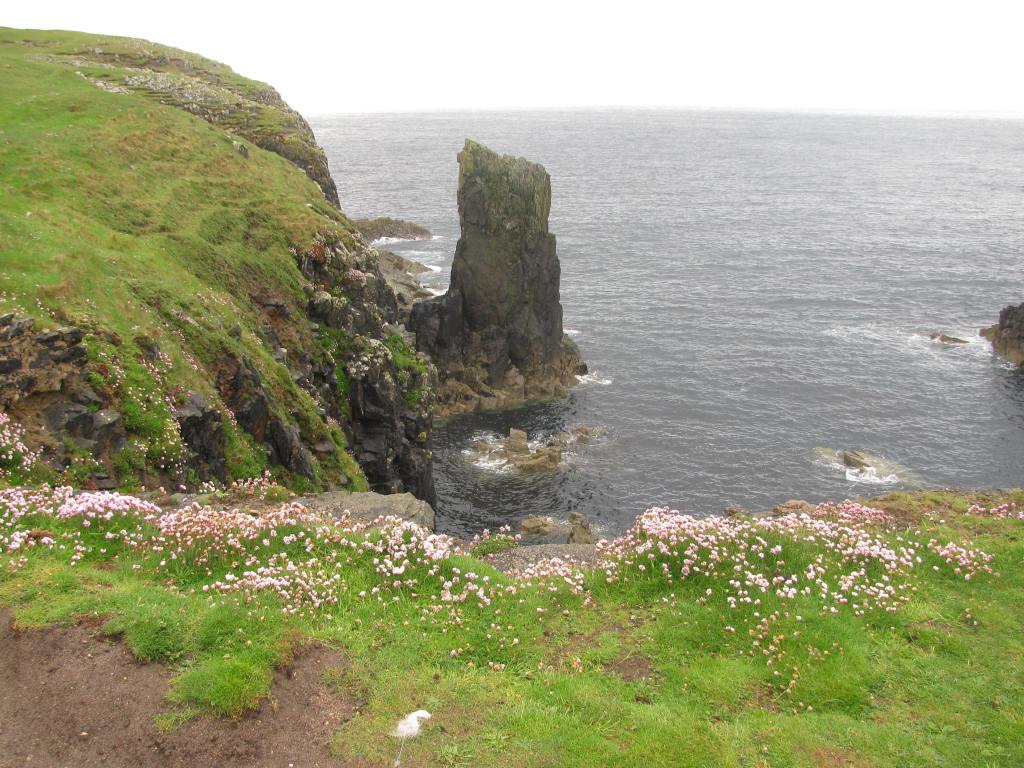
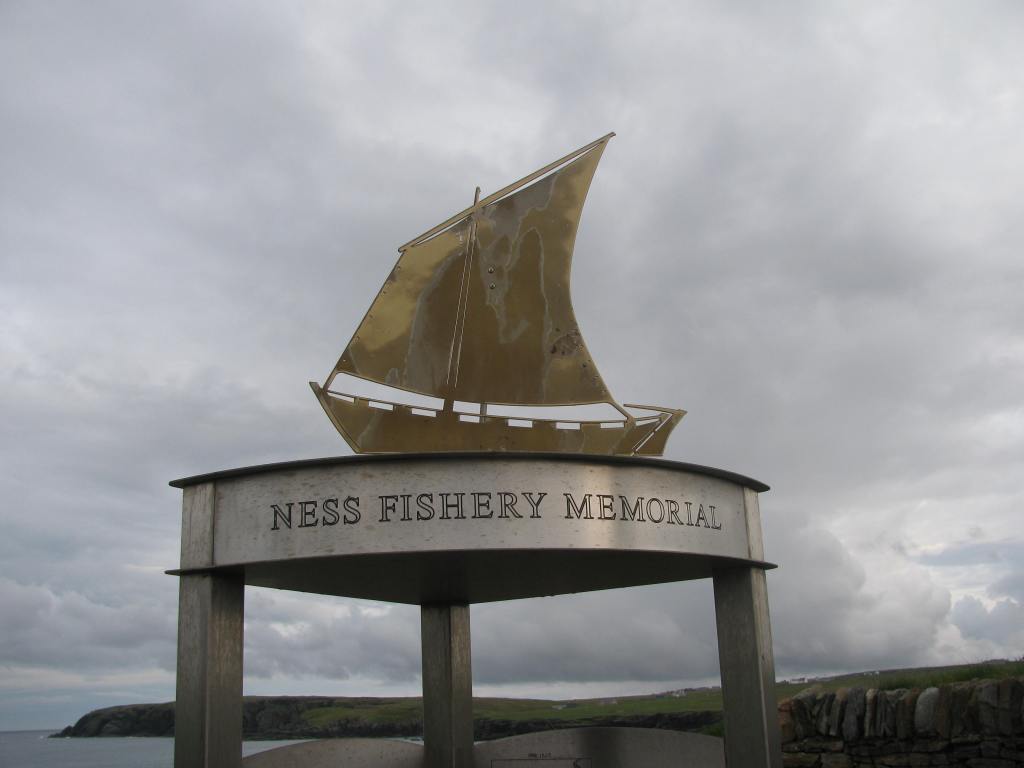
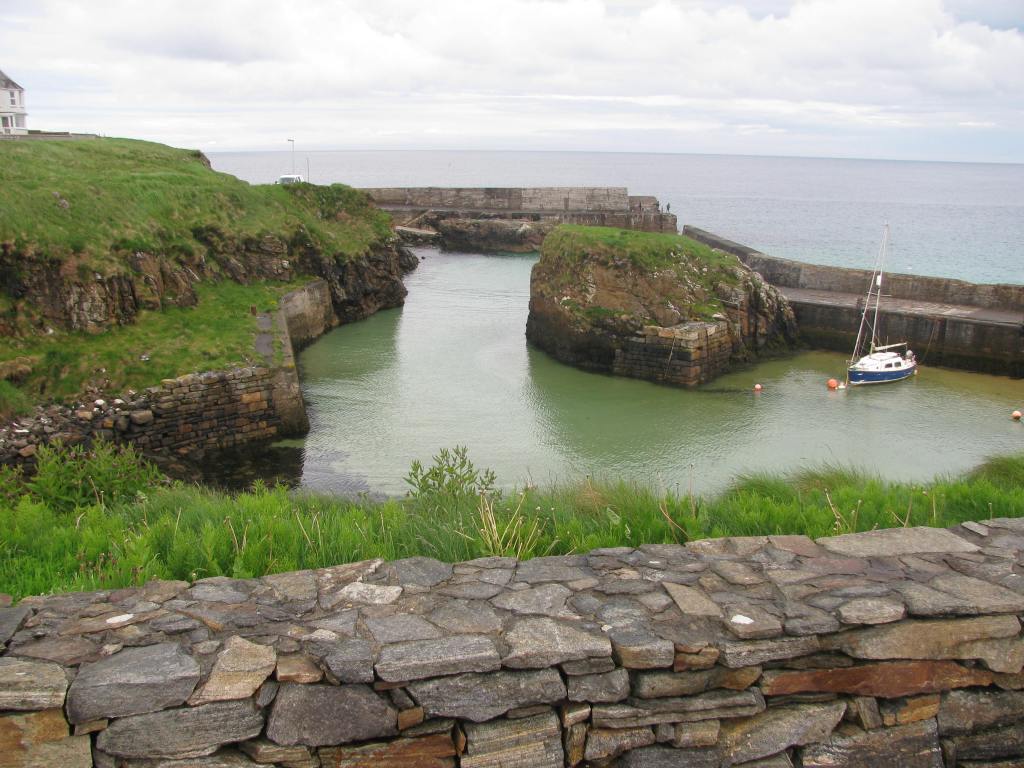
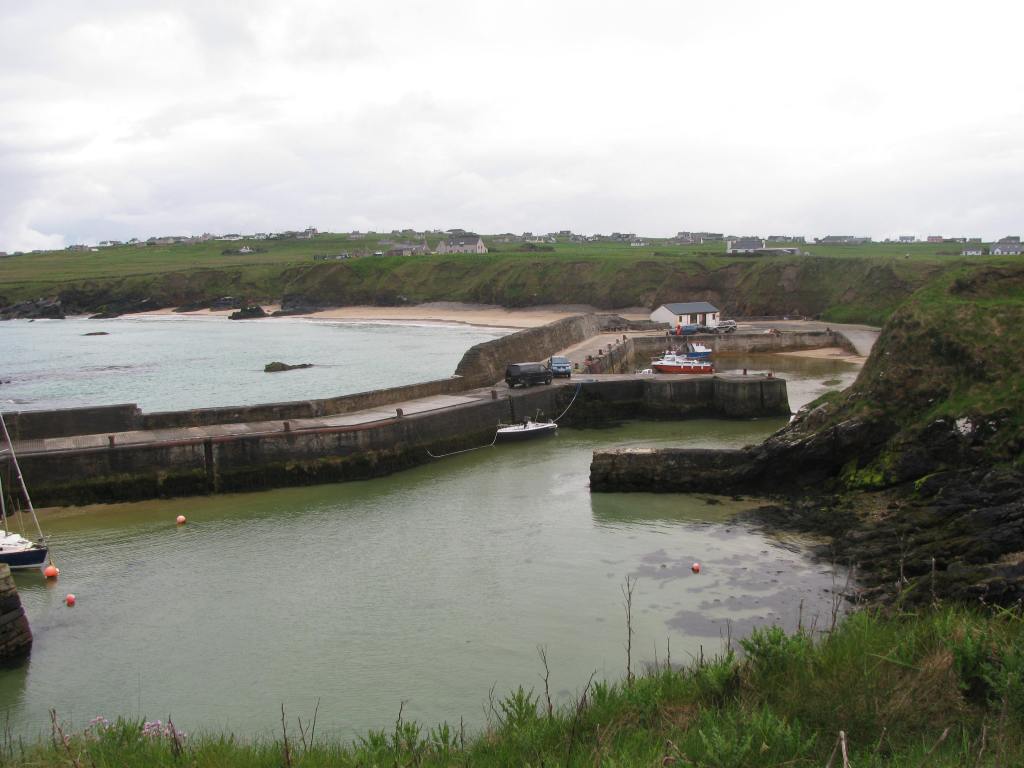
After seeing the bridge, we backtracked south and then drove along the west side of the island to its most northerly point – ‘the Butt of Lewis’ – which has a lighthouse on a wild and rocky part of the coast. We then spent time in the Port of Ness, which has an interesting old walled boat harbour.
Finally we viewed a ‘shieling’, a ‘black house’ and a ‘white house’ – all variations of human-built shelters / homes built to keep out the harsh Hebridean weather…


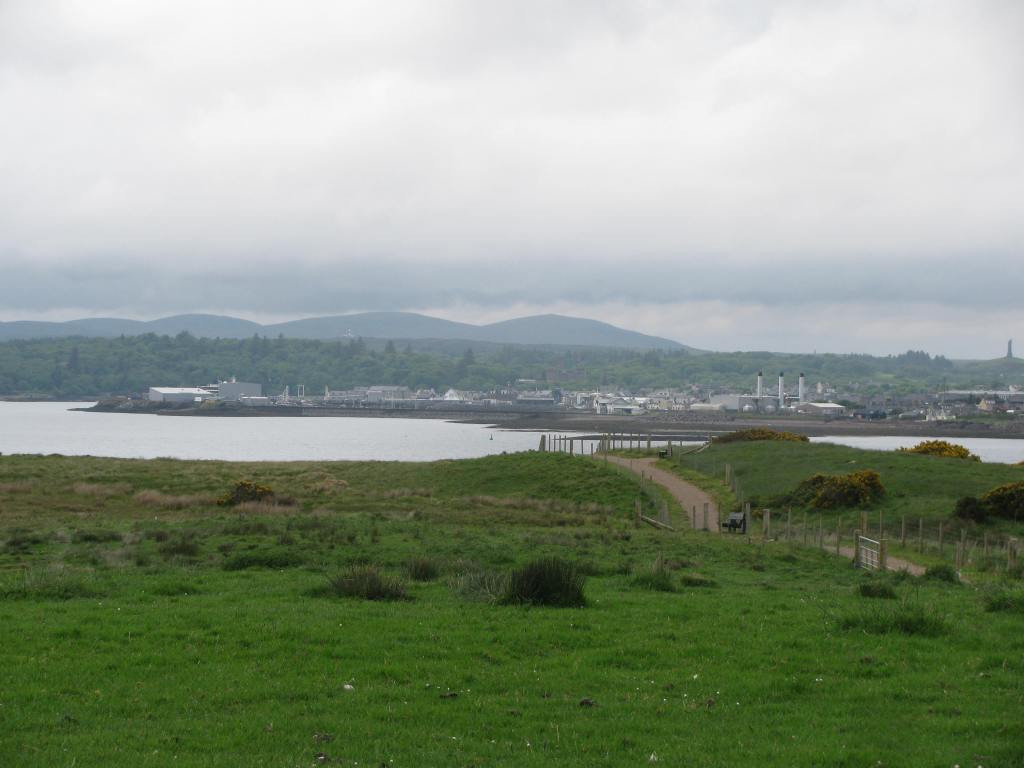
Stornaway and harbour from memorial carpark
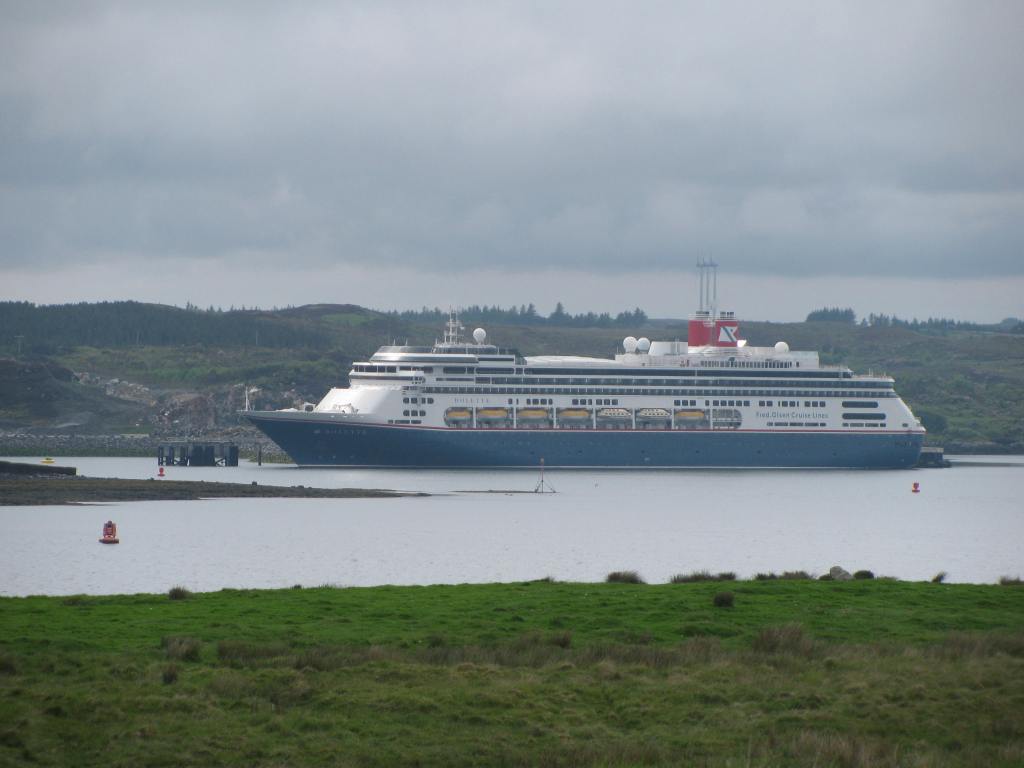
Cruise ship berthed near Stornaway
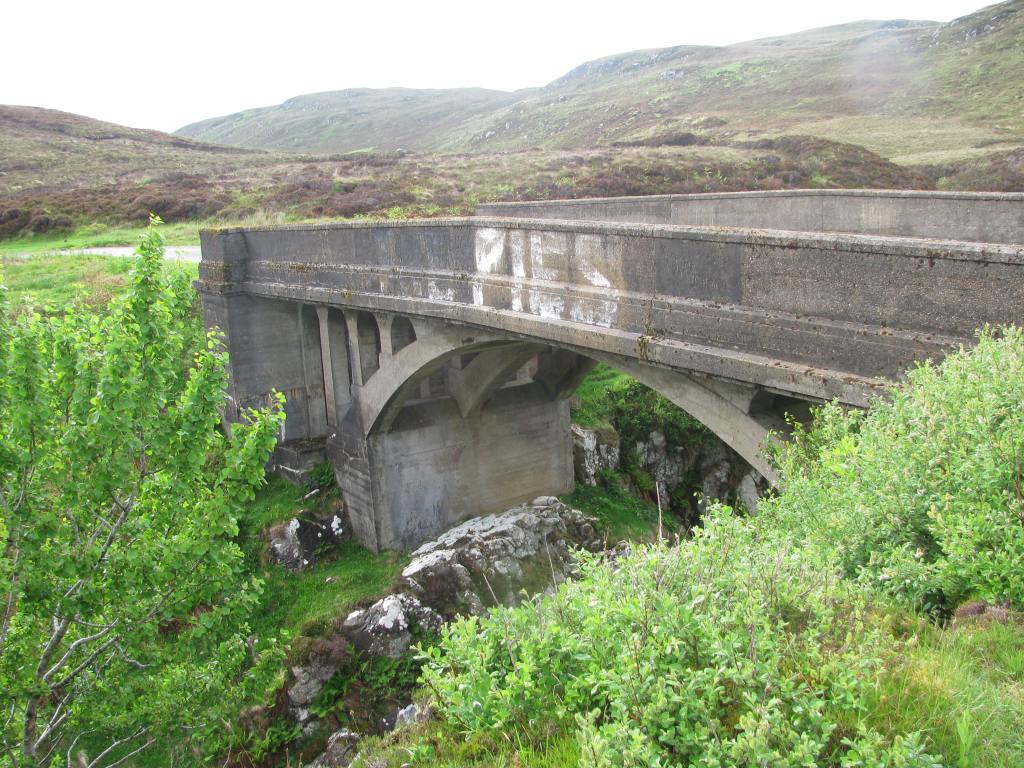
Garry Bridge…



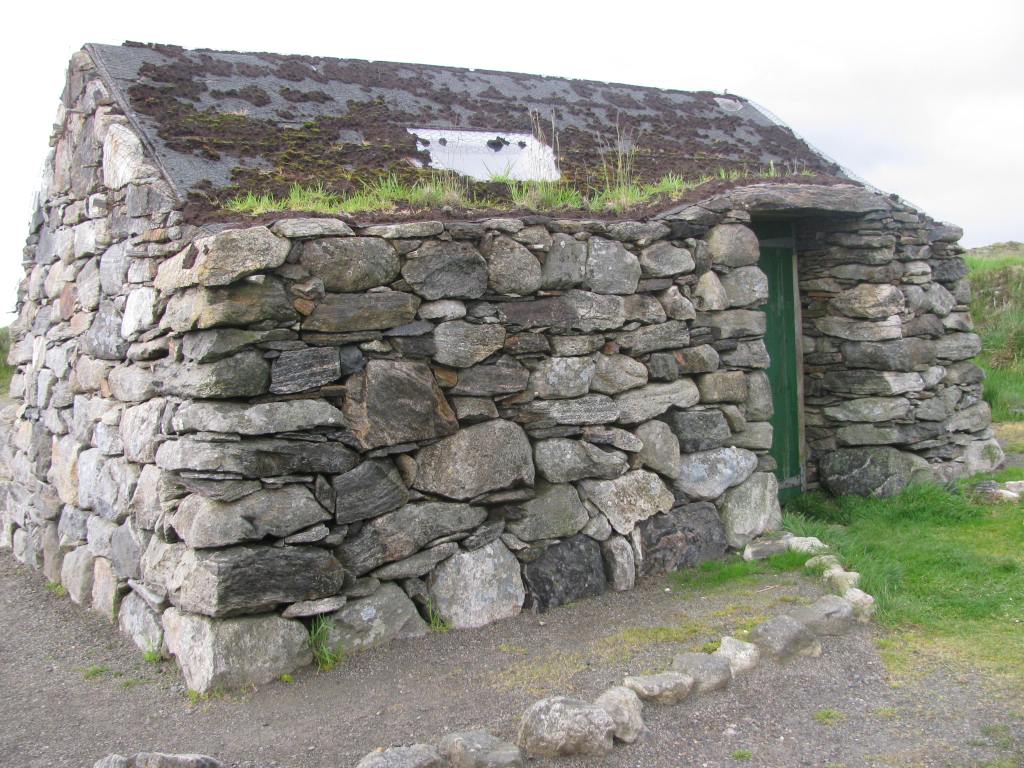
A ‘shieling’ – a shelter used by crofters, built where their cattle were grazing more remotely in the summer months
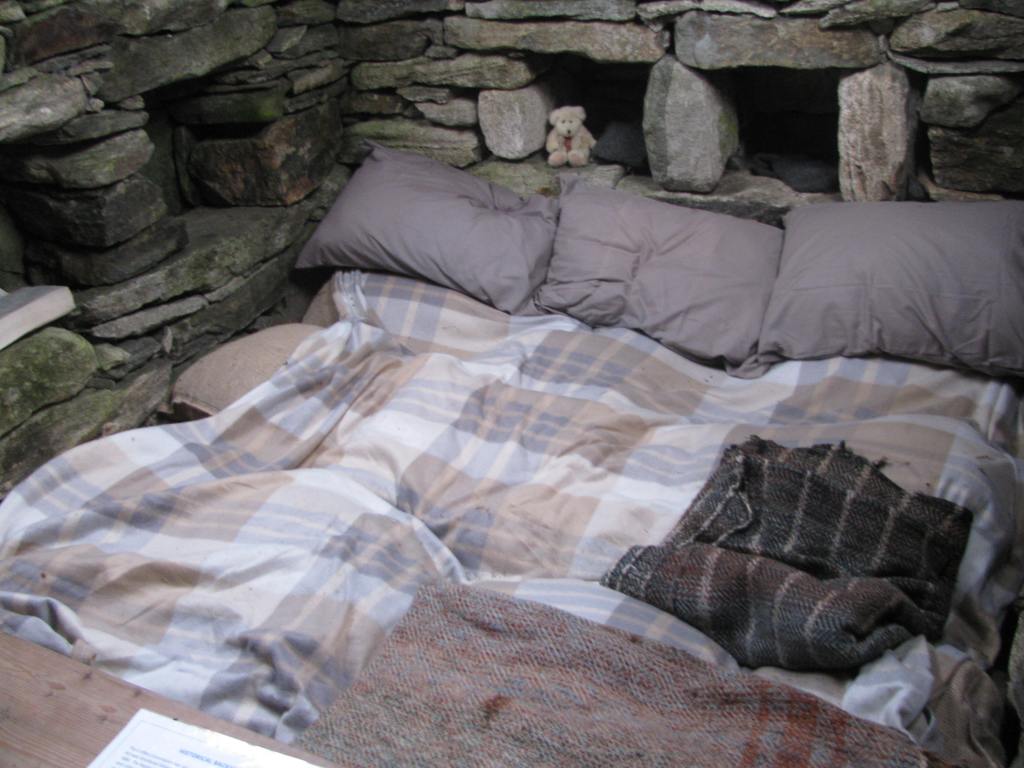
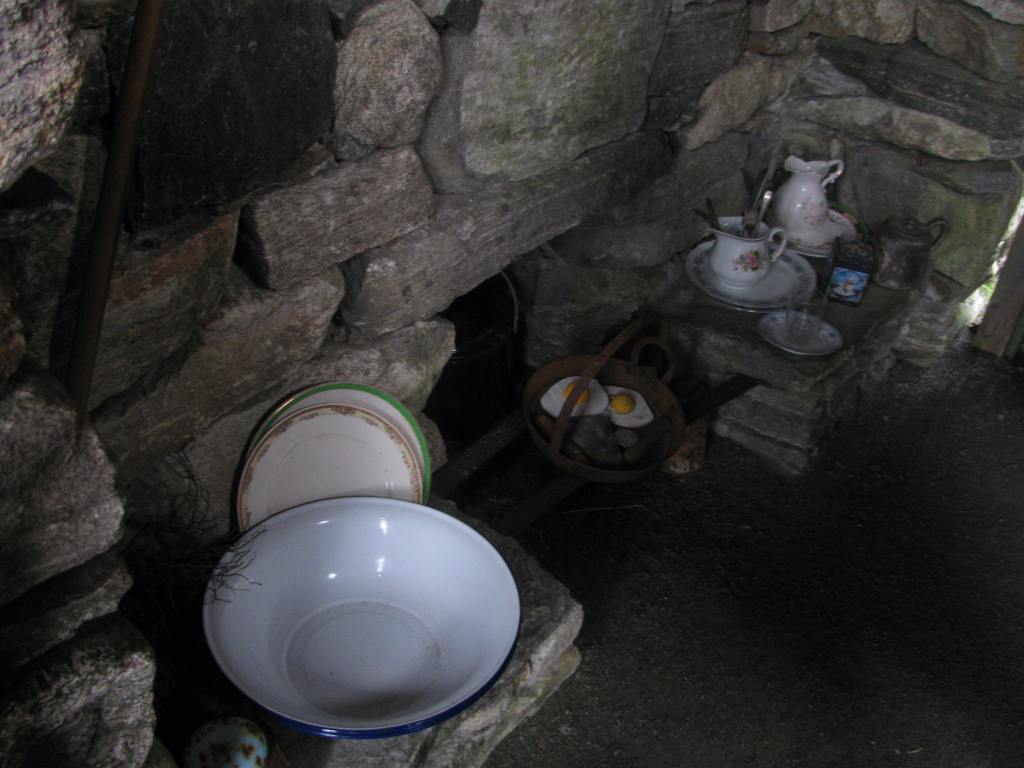
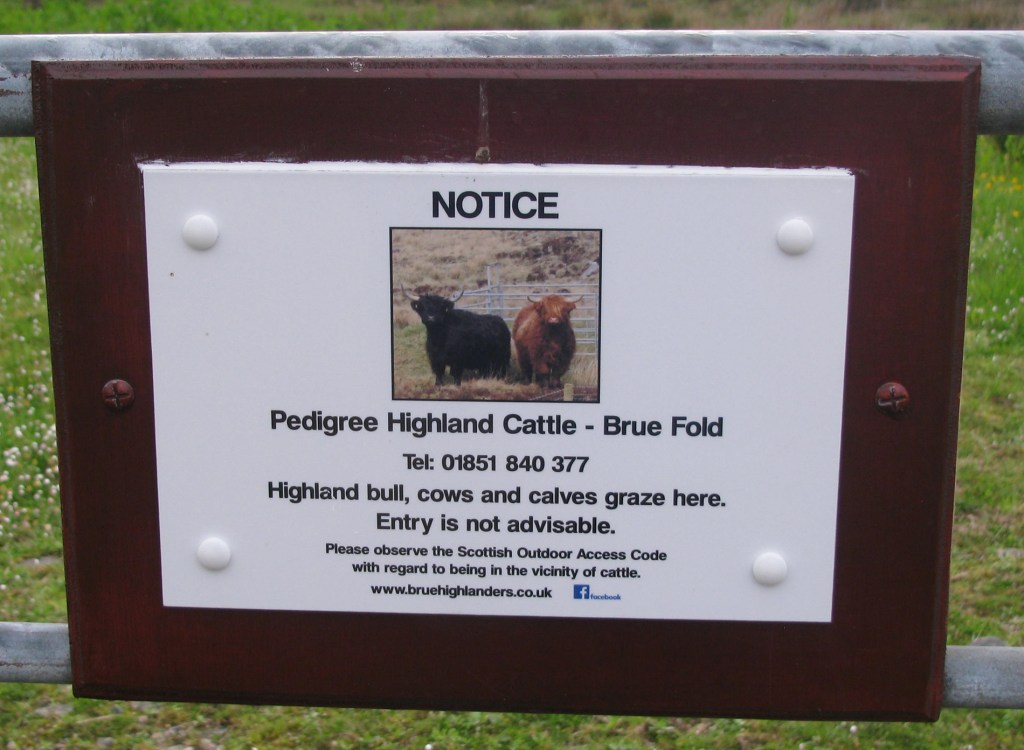
Notice near the shieling
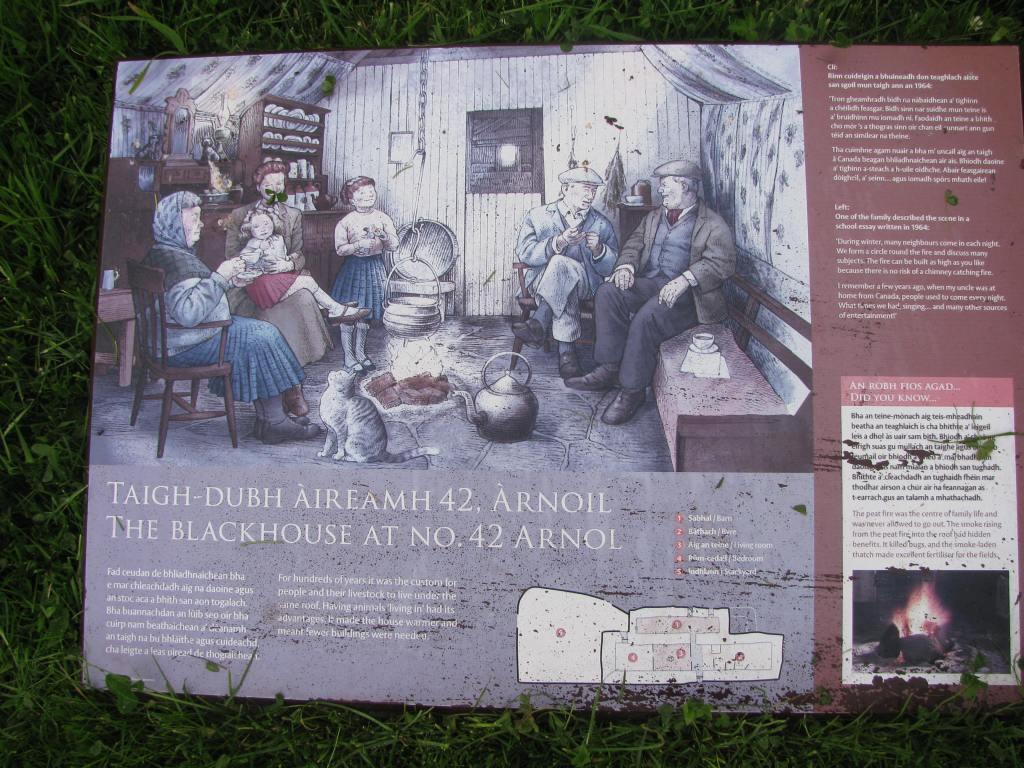

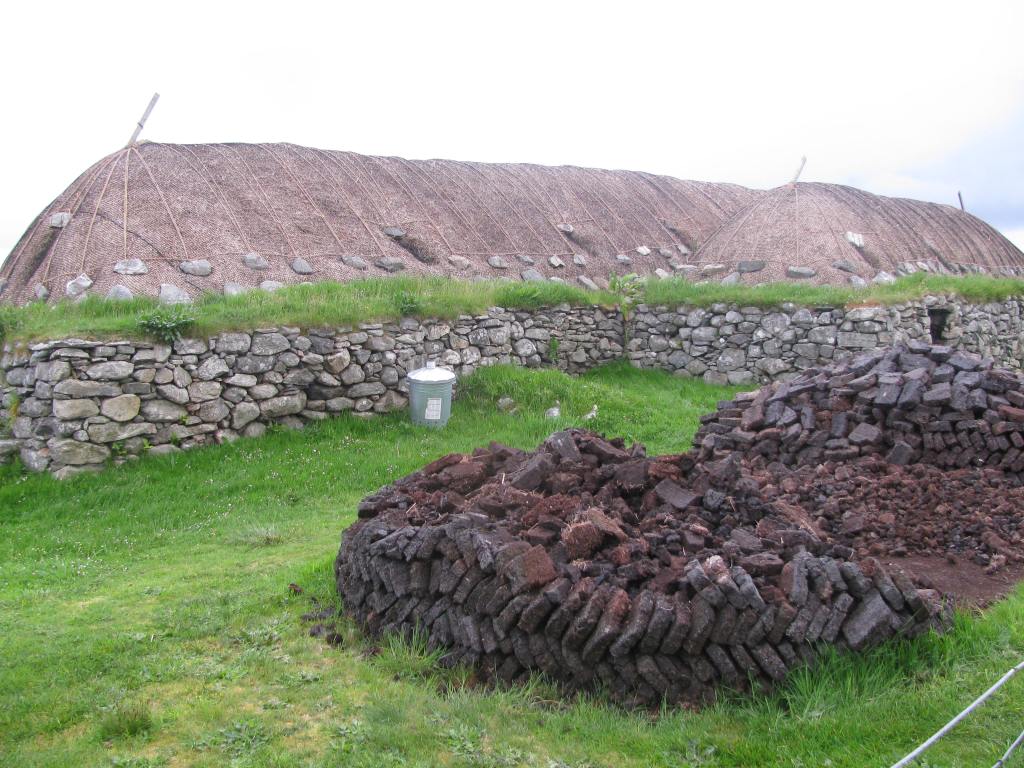
Blackhouses were probably so-called partly because of their central hearths (with no chimneys) which burned peat, staining the inside walls with black smoke (peat blocks shown on photo, front right). Families and their cattle were housed at opposite ends of the house in winter. These types of thatched long houses were still in use 100-150 years ago.

Ruined blackhouse with central hearth

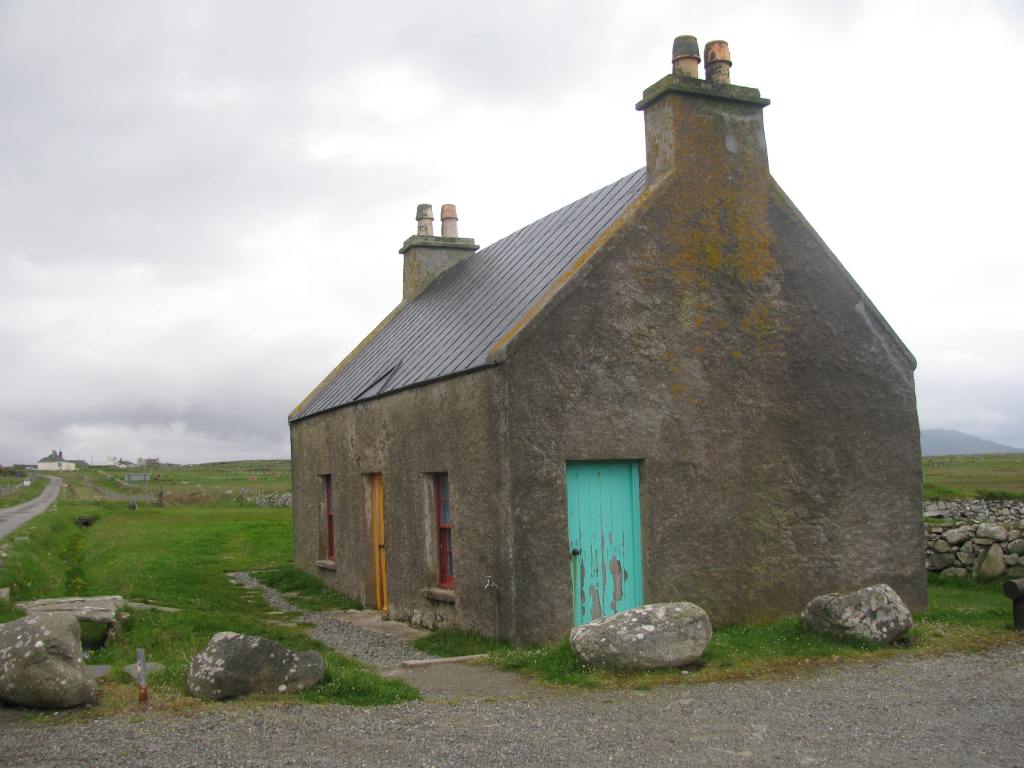
A more modern ‘white house’
 New Zealand Family History Search