Click here for full list of UK Trip 2024 pages
For the final week and a half of our UK adventure we again based ourselves in Edinburgh, continuing to explore the city by bus, tram or on foot. As well, we went on several day trips in the car or by train to explore other parts of Scotland and Northumberland.
This page includes Ian’s visit to Edinburgh’s Museum of Modern Art on Day 9, and our long day trip to Northumberland’s Bamburgh and Lindisfarne Island on Day 10.
Edinburgh: Day 8
This day was mainly spent unpacking, reorganising and recovering after our Outer Hebridean trip.
Edinburgh: Day 9 – Ian takes a walk to local places, Museum of Modern Art

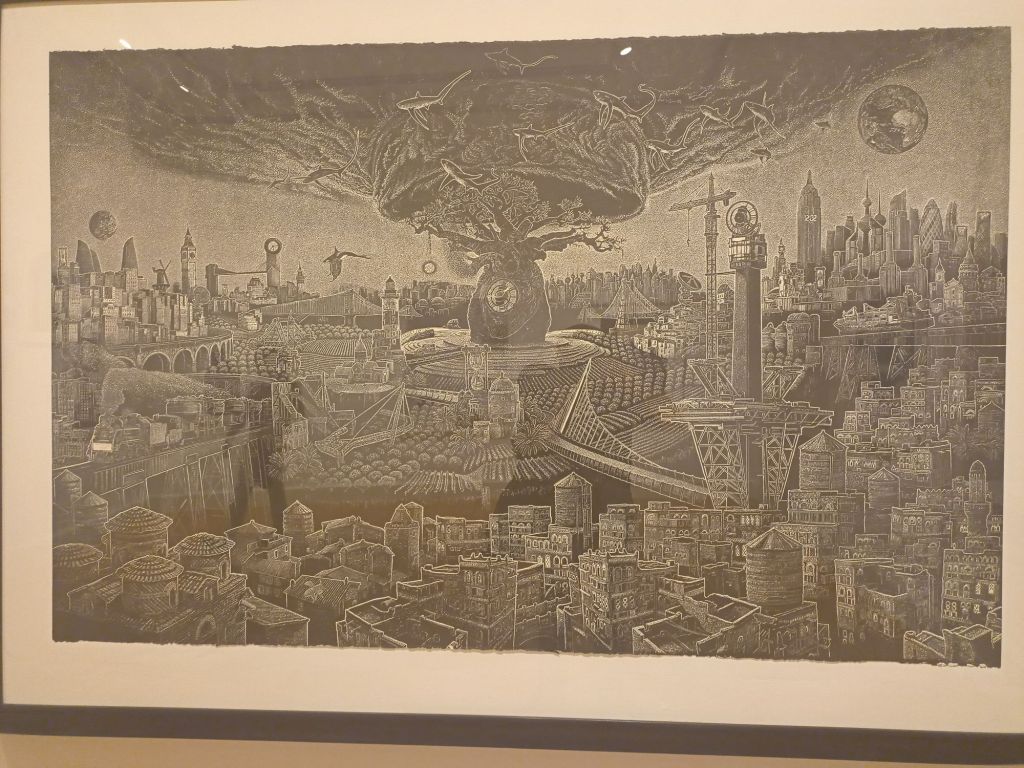
Ade Adesina (born 1980)
The View After the Questions, 2018
Linocut on paper
A storm is brewing. Sharks circle overhead and a hybrid city spins outwards from a central baobab tree. Mixing the personal with the political, Adesina turns his chosen medium into a monument to the imagination. The clash of urban environment and the natural world is real and urgent, and the strange world is infused with a surreal sense of foreboding.
Adesina’s large scale linocuts are drawn in outline then painstakingly cut by hand or with electric drills to create his distinctive black and white images…

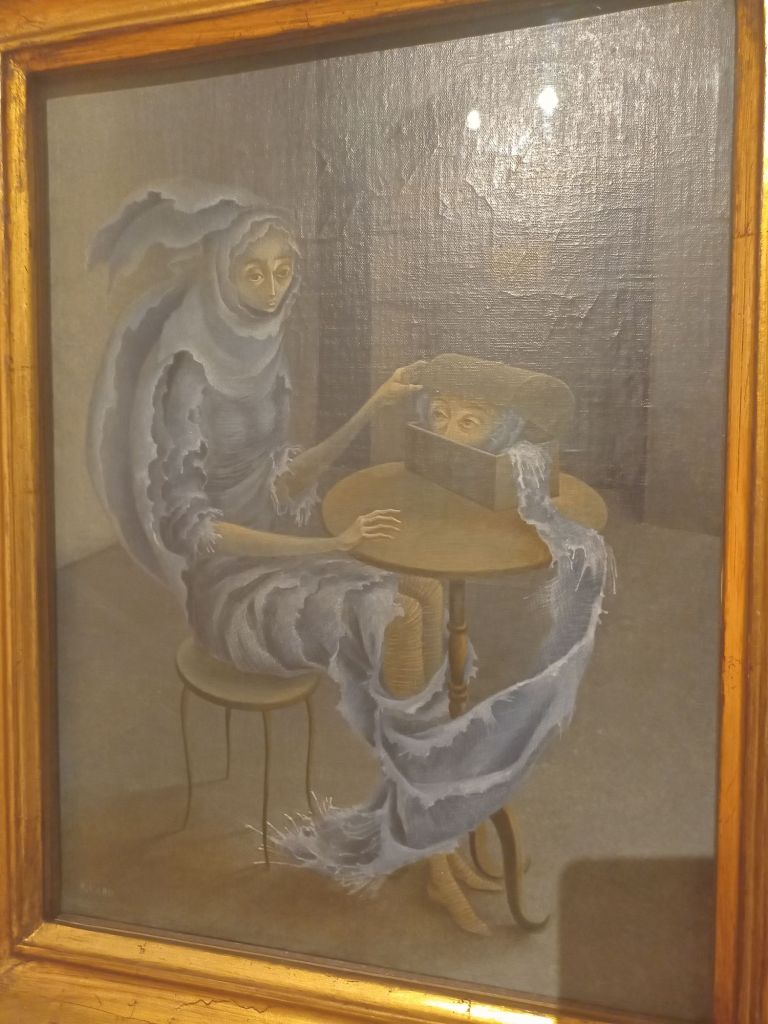
Remedios Varo (born 1908)
Encounter (Encuentro), 1959
Oil on canvas
This major new acquisition is the first work by Spanish artist Remedios Varo to enter a public collection in Britain. Varo was a leading figure in Mexican Surrealism during the 1940s and 1950s. She often depicted enchanted domestic scenes, magical machines and stange otherworldly beings.
In tis striking composition, a seated figure carefully lifts the lid of a tiny casket to find her own eyes staring back at her. Several similar boxes sit on the shelves in the background, suggesting many more ‘selves’ are to be discovered. The image can be read as a self-portrait: many of the characters that Varo painted feature her heart-shaped face and almond eyes…
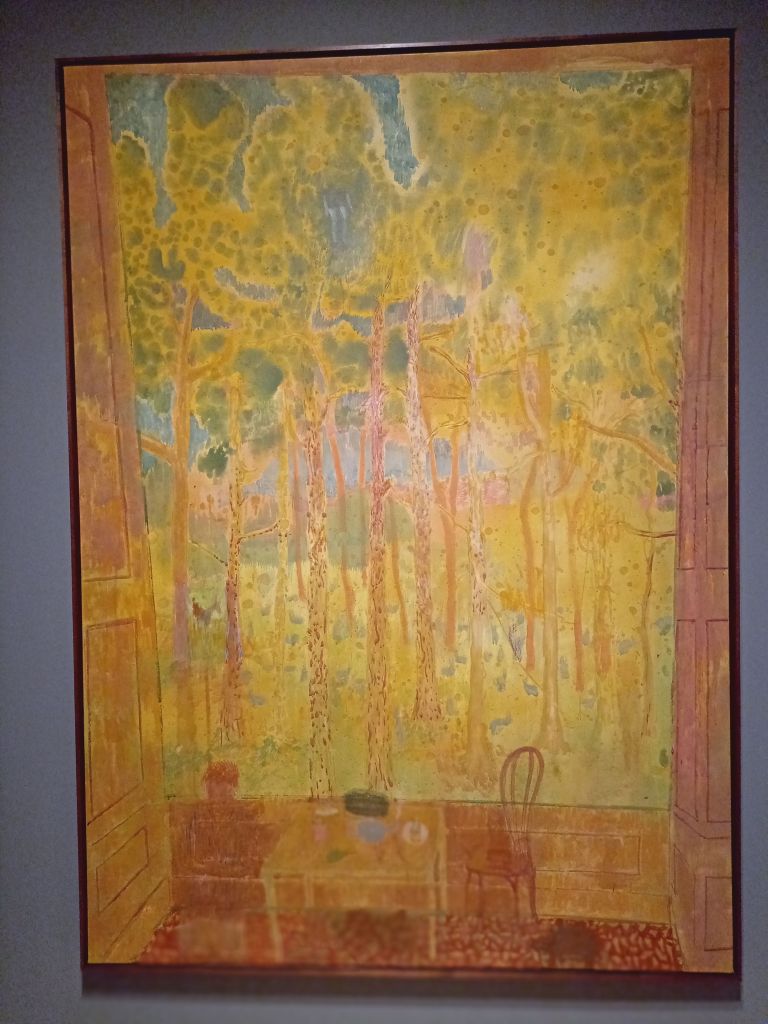

Anne Redpath (1895-1965)
The Worcester Jug, about 1946
Oil on canvas
Many of Anne Redpath’s paintings are intimate portrayals of her own domestic settings. After marrying in 1920, she devoted the next 14 years to raising a family. ‘I put everything I had into house and furniture and dresses and good food and people’, Redpath recalled, ‘All that’s the same sort of thing as painting really, and the experience went back into art when I began painting again’. The Worcester Jug depicts Redpath’s home in Beaconsfield Terrace, Howick. The expressively rendered paint and resplendent colours emphasize the room’s warmth and personality. In the absence of human figures, the neatly laid out tea set becomes a stand in for domestic activities and familial relationships.
Known as a convivial host, Redpath’s home became a gathering place for the city’s creative circles after her move to Edinburgh from Howick in 1949.

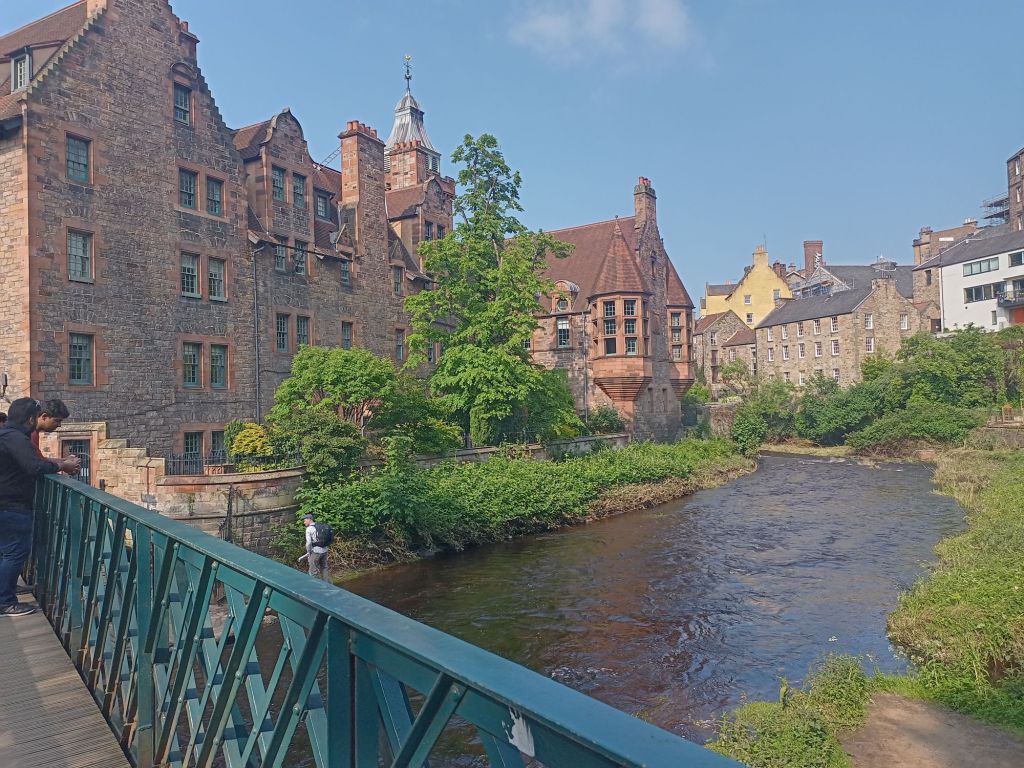
Edinburgh: Day 10 – Day trip to Bamburgh Castle and Lindisfarne / Holy Island
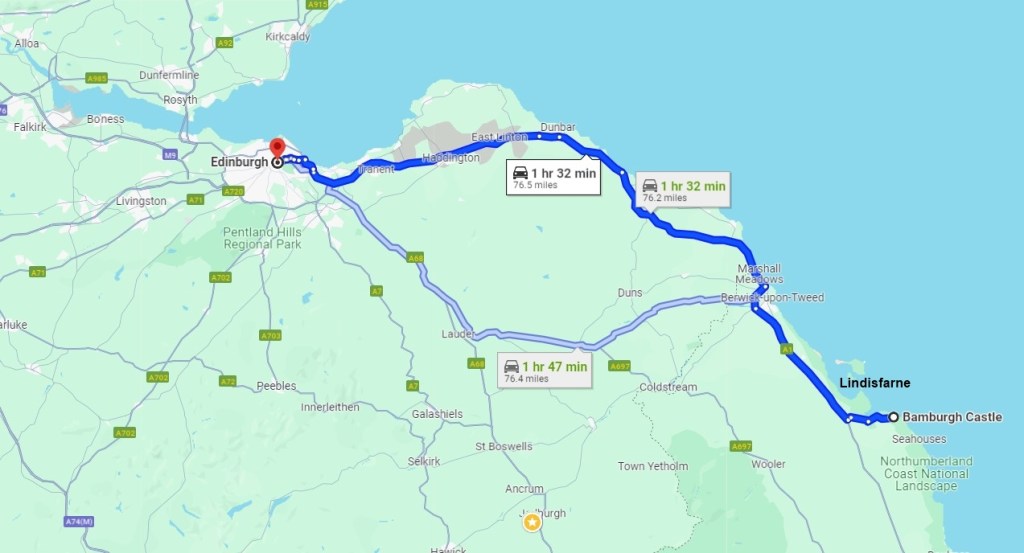
Our first long day trip was to the south-east. It included an hour and a half drive along the A1 across the Scottish-English border to Bamburgh Castle and Lindisfarne / Holy Island on the Northumberland coast. The weather was beautiful, sunny and warm, although a rather chilly wind arrived later in the afternoon.
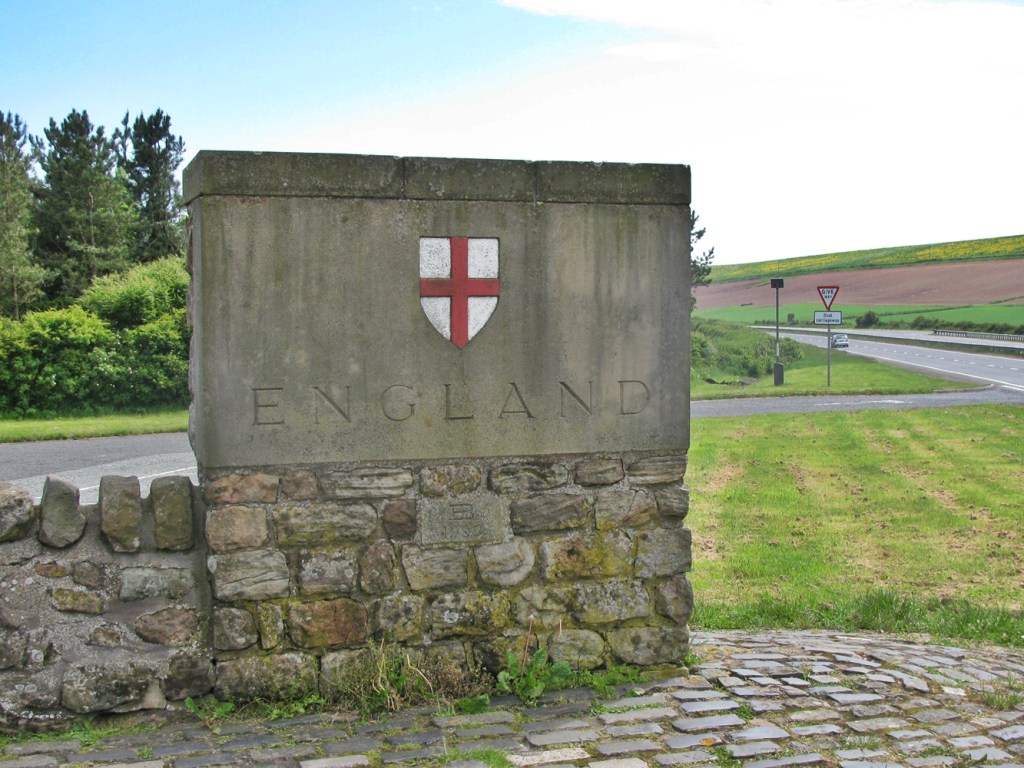
Bamburgh Castle
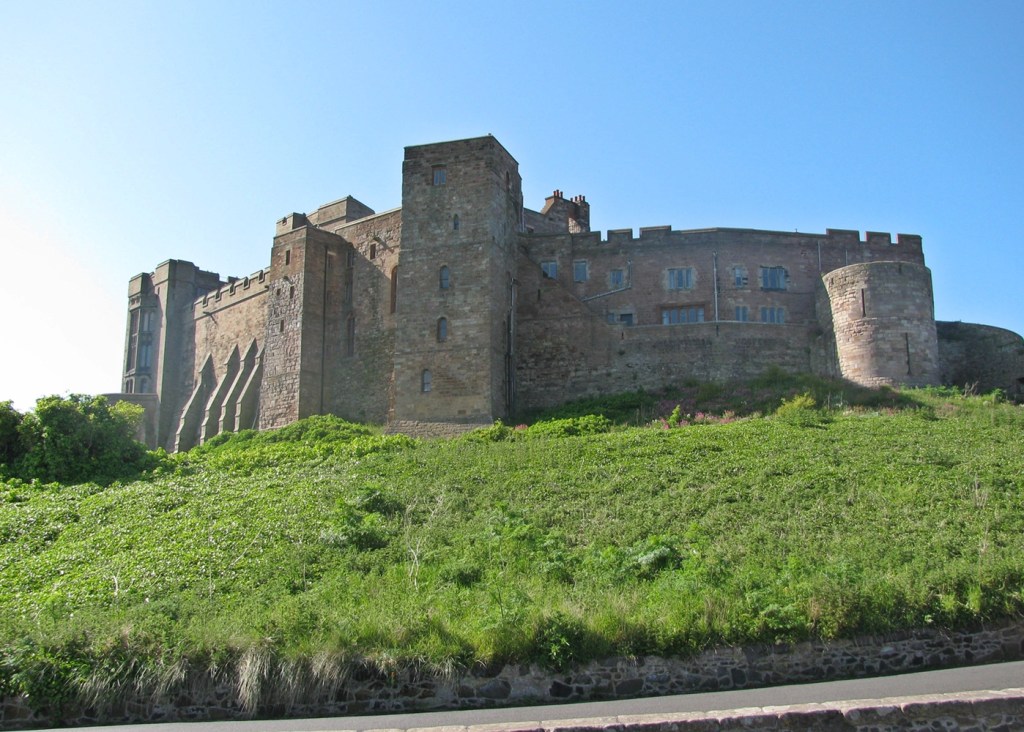
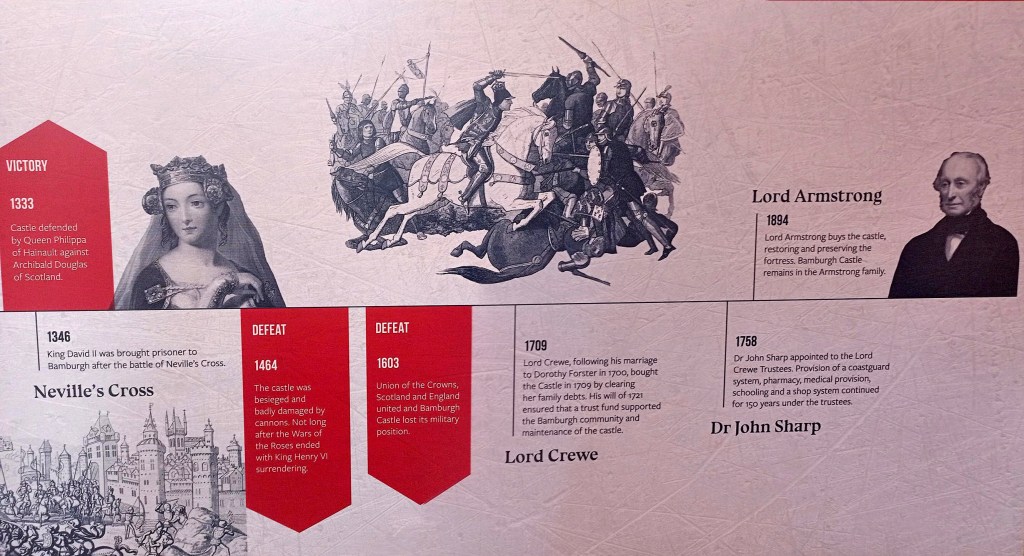
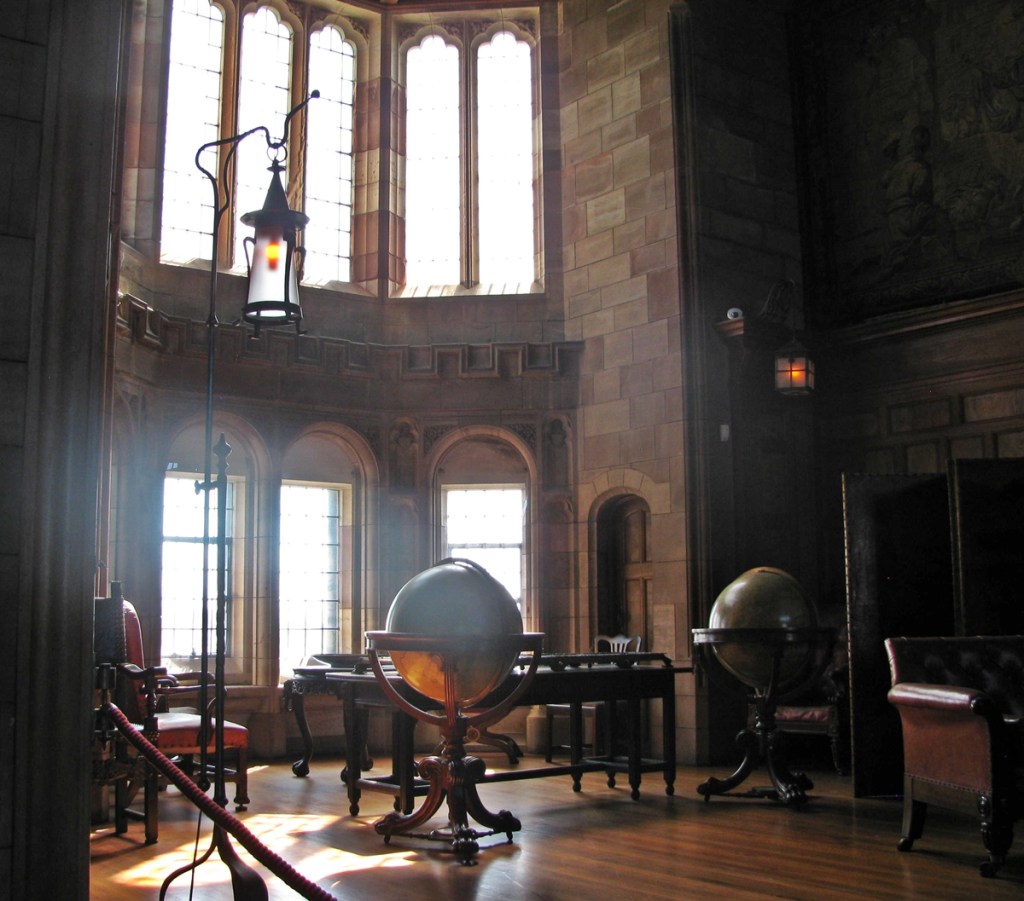
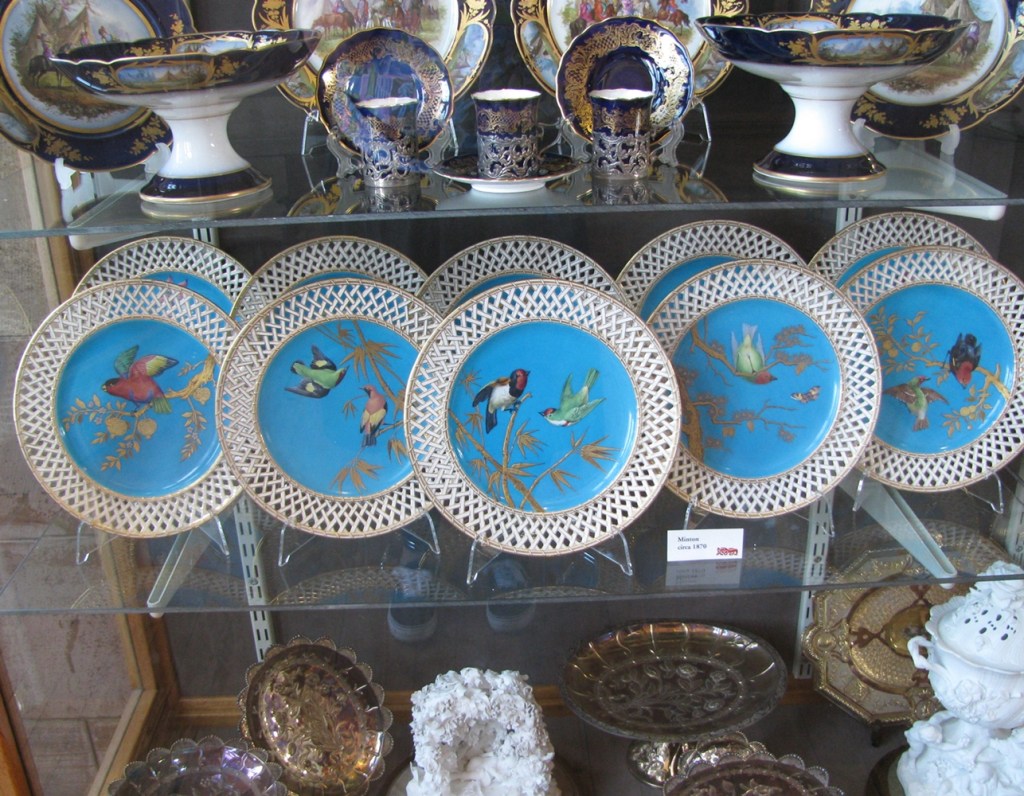
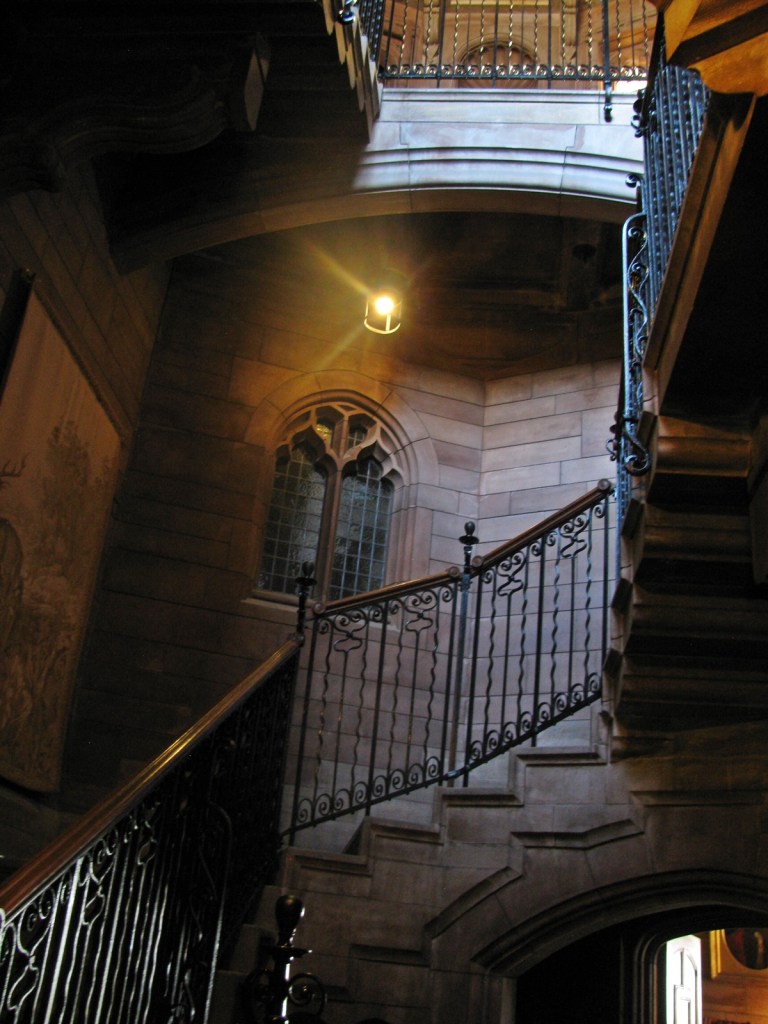
Built on a large 9-acre outcrop of rock, Bamburgh Castle is huge and visible from many different vantage points along the Northumberland coast. Most of the castle is still intact and occupied. It was originally built by Normans in the 11th century, on the site of an earlier Celtic fort. It has had many additions and renovations since then, and has been used frequently as a film and TV set (most recently for The Last Kingdom and Indiana Jones and the Dial of Destiny).
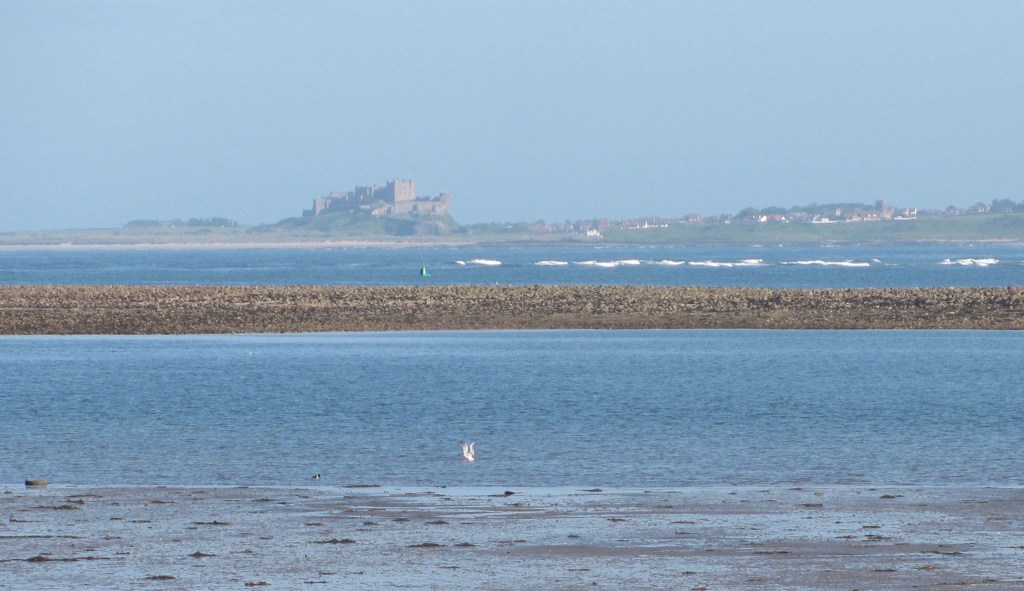
Bamburgh Castle from Lindisfarne

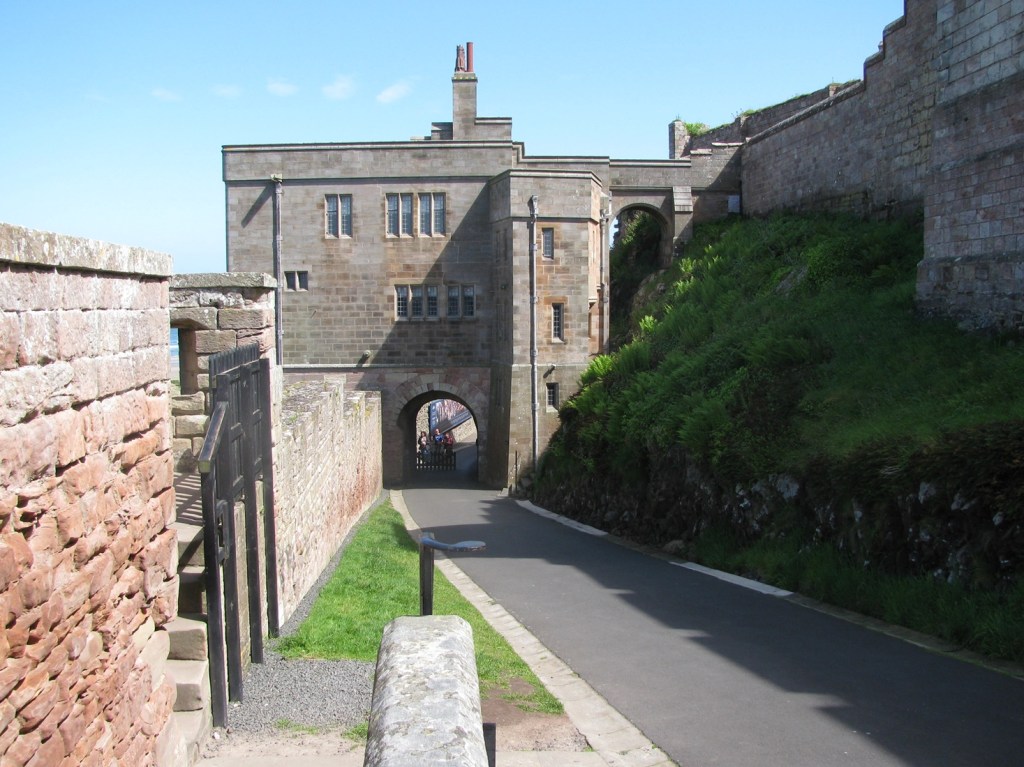
Castle entry / exit

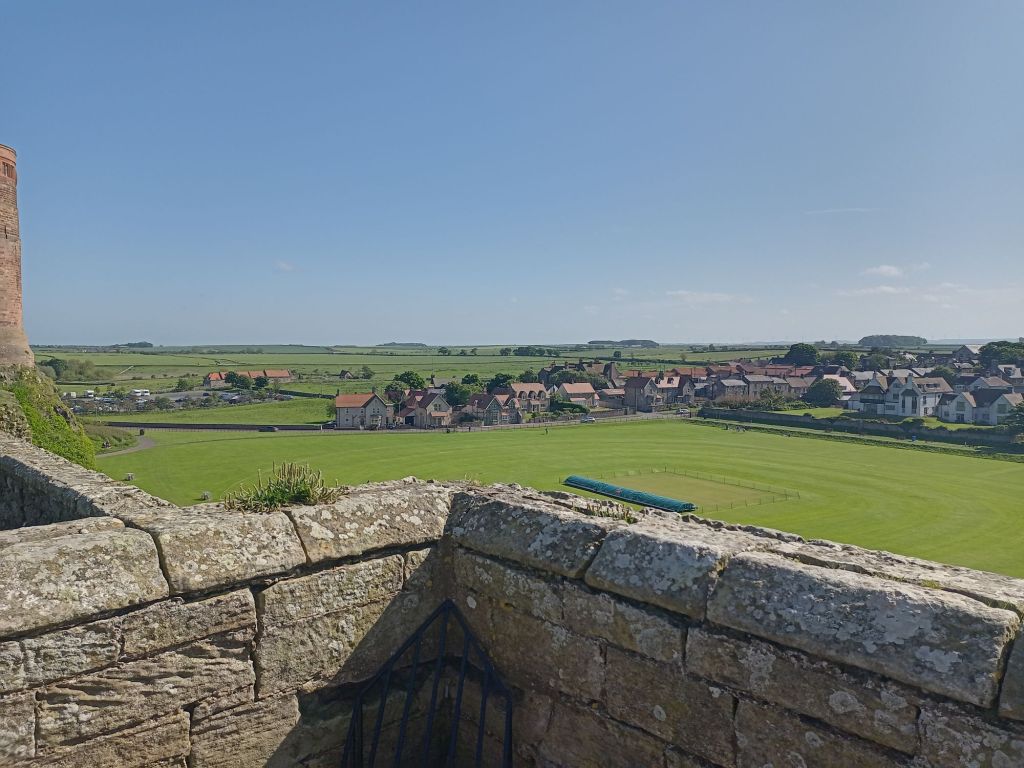
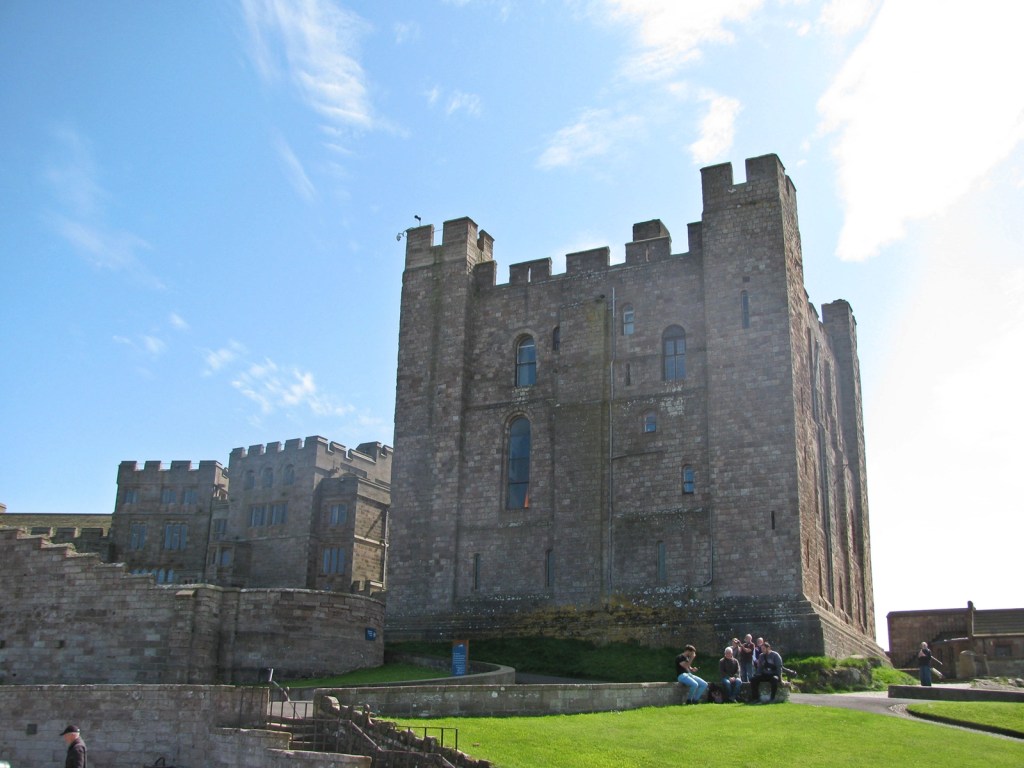
The Keep
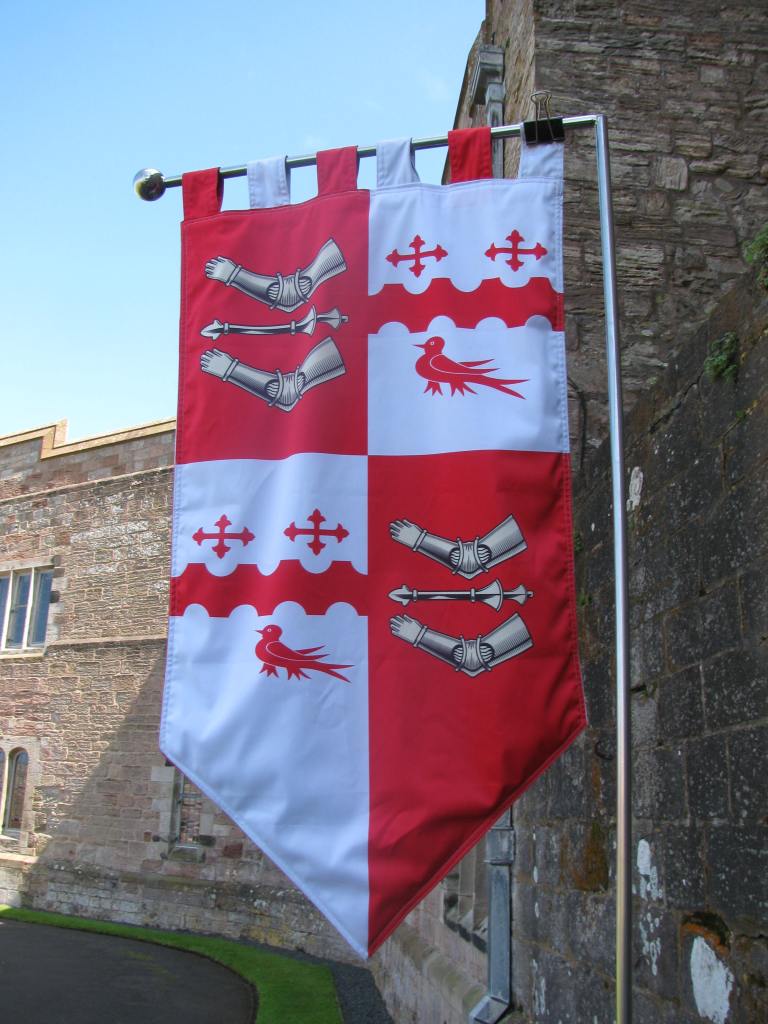
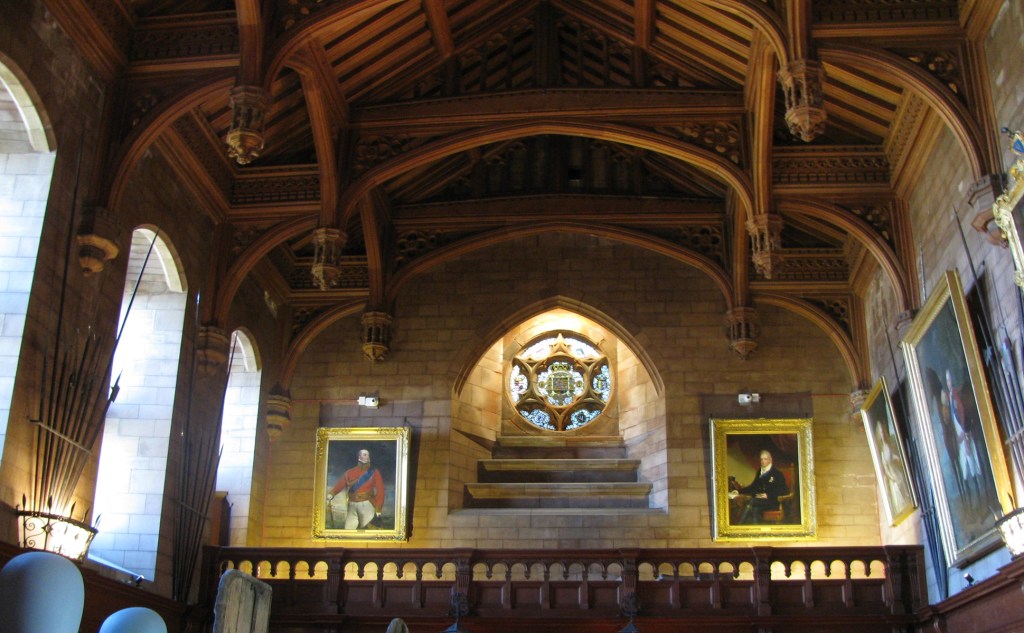
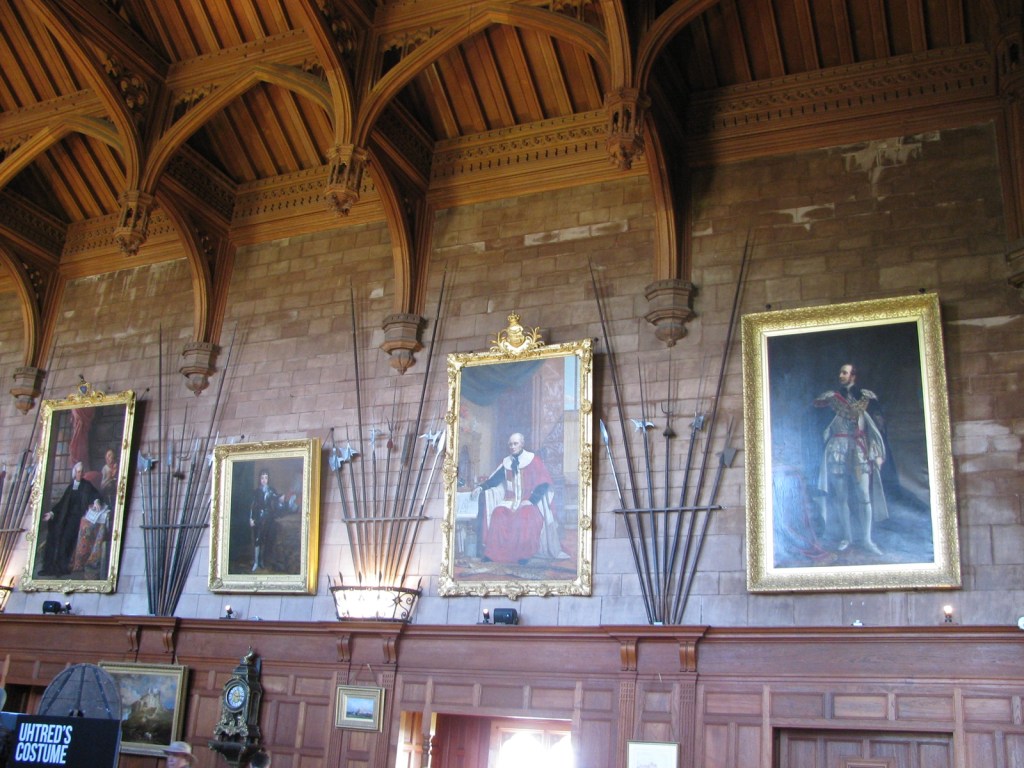
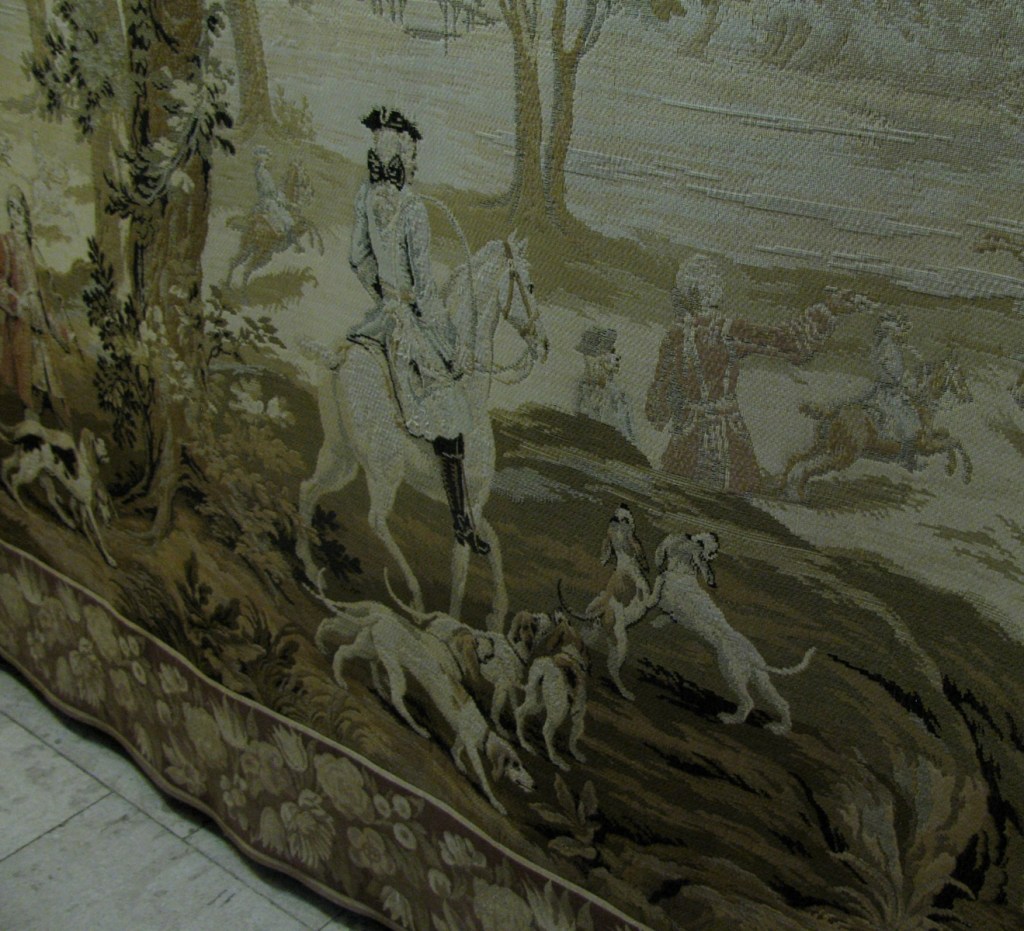
Tapestry detail
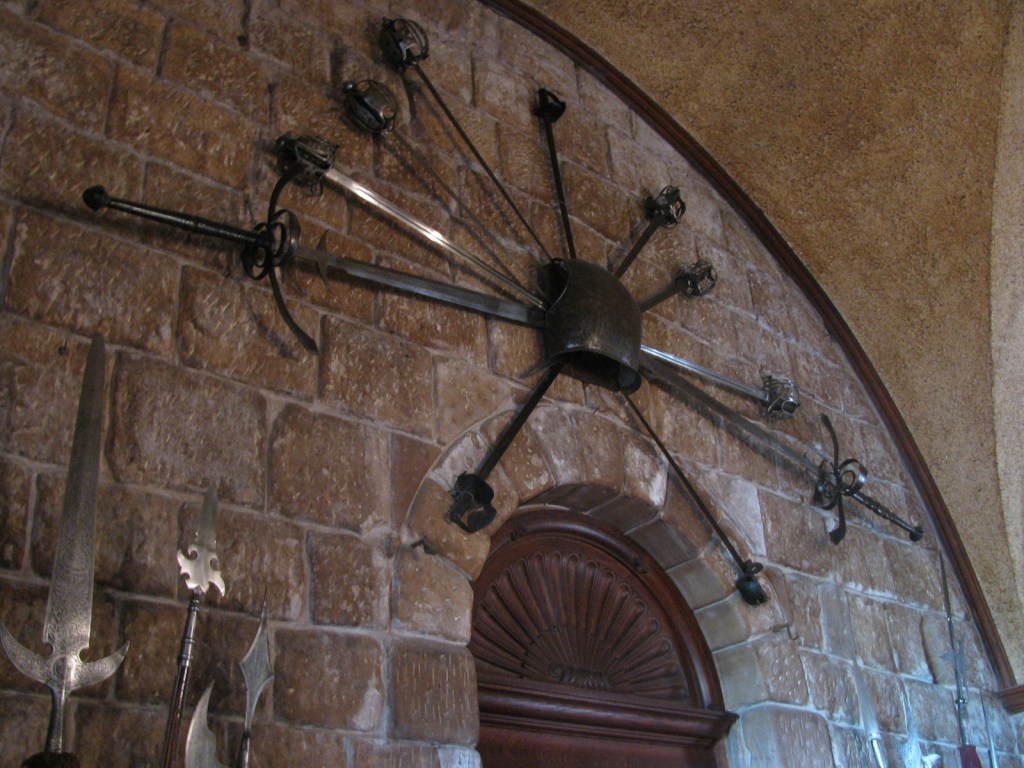
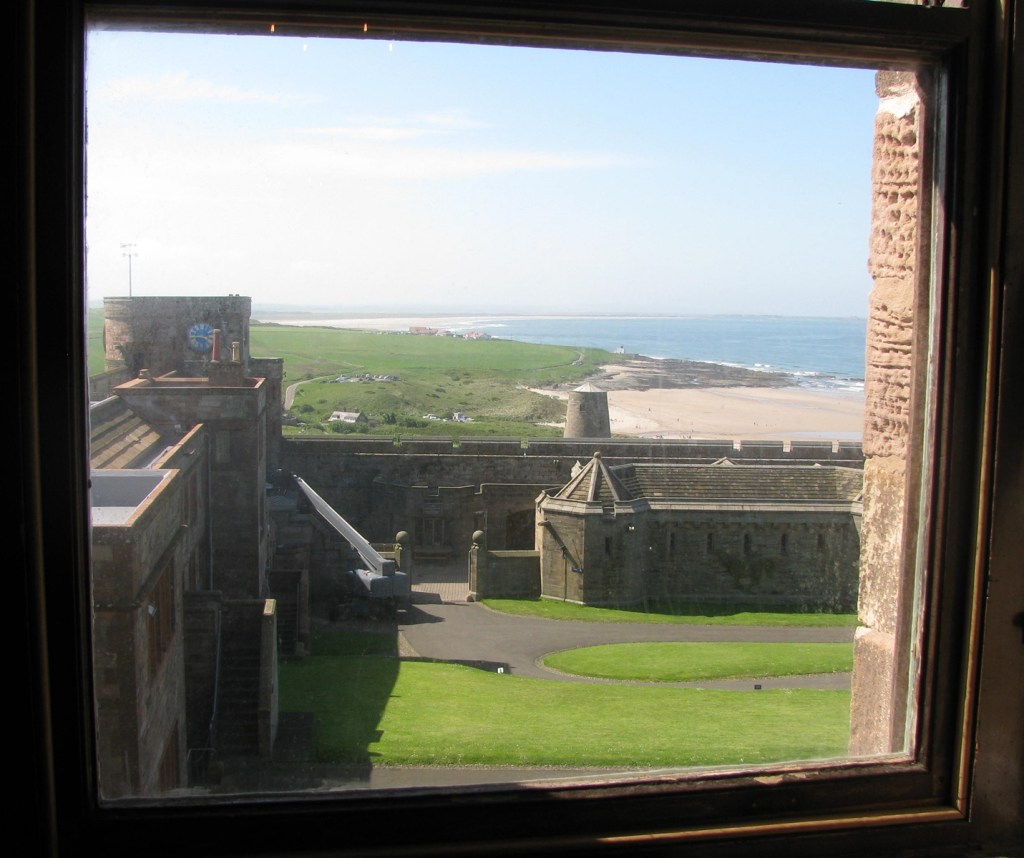
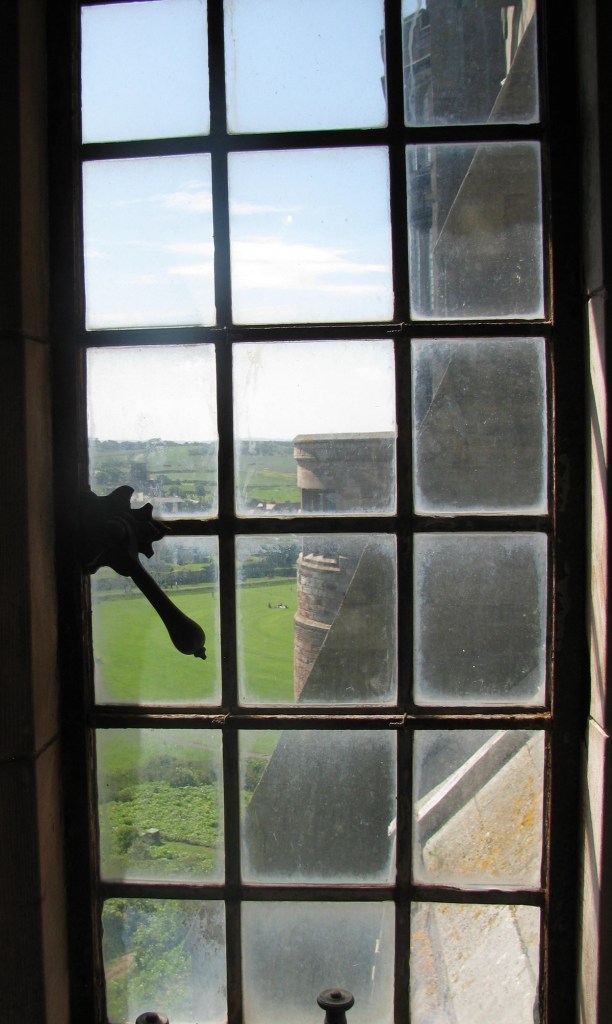
View from the Keep
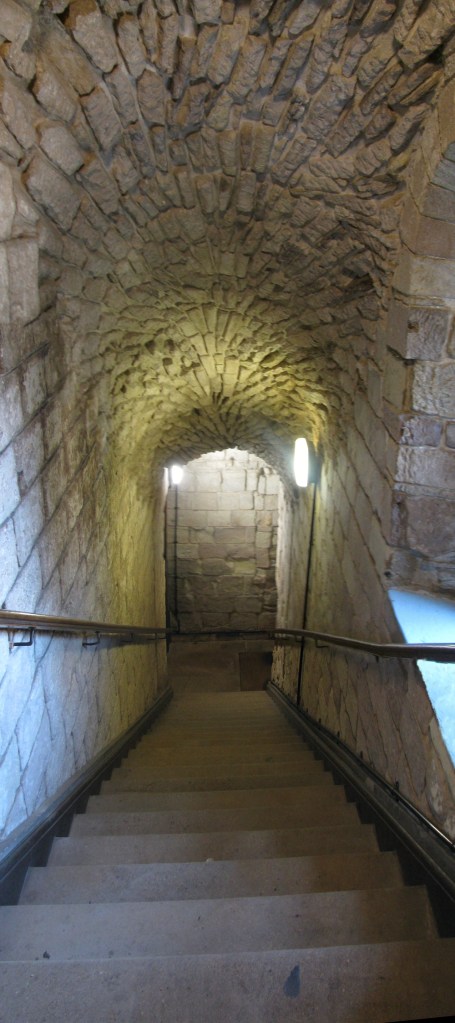
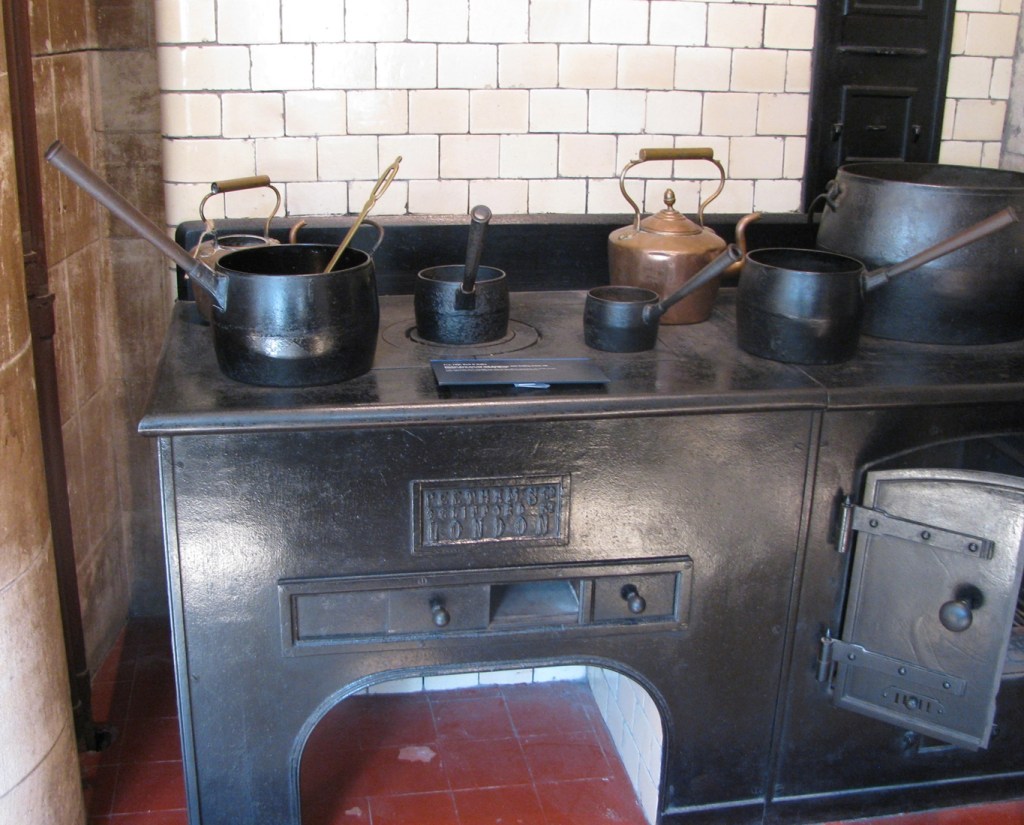
The scullery
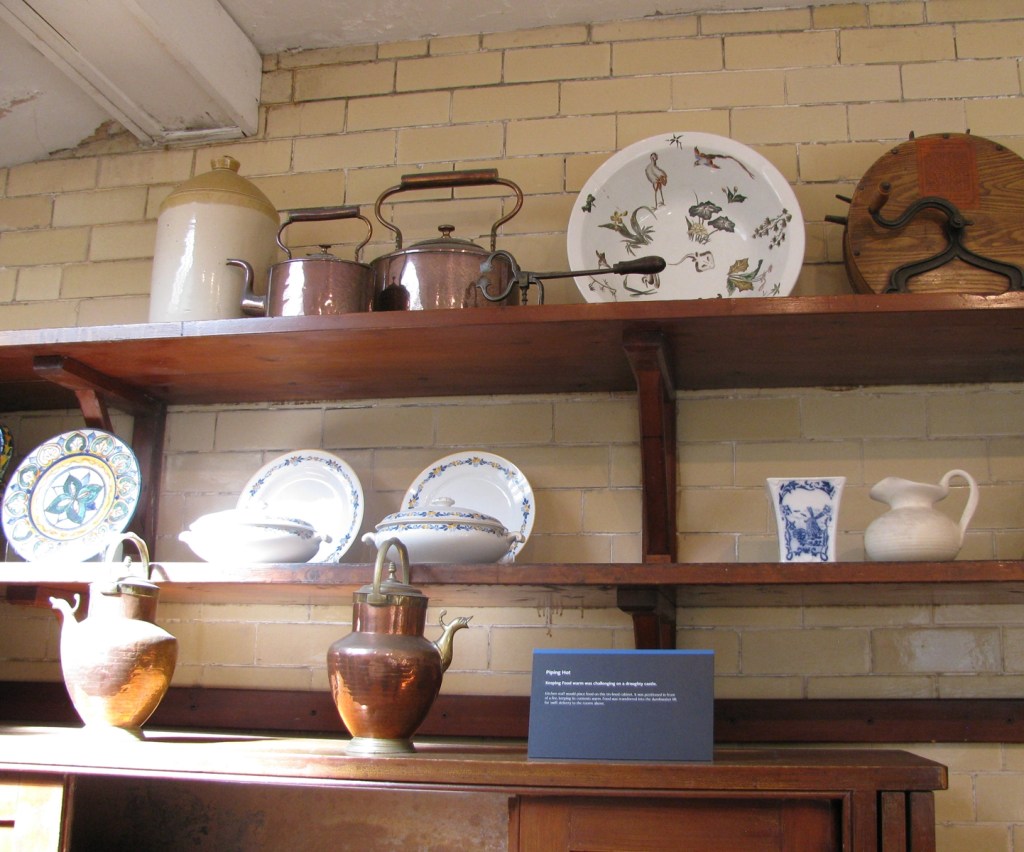
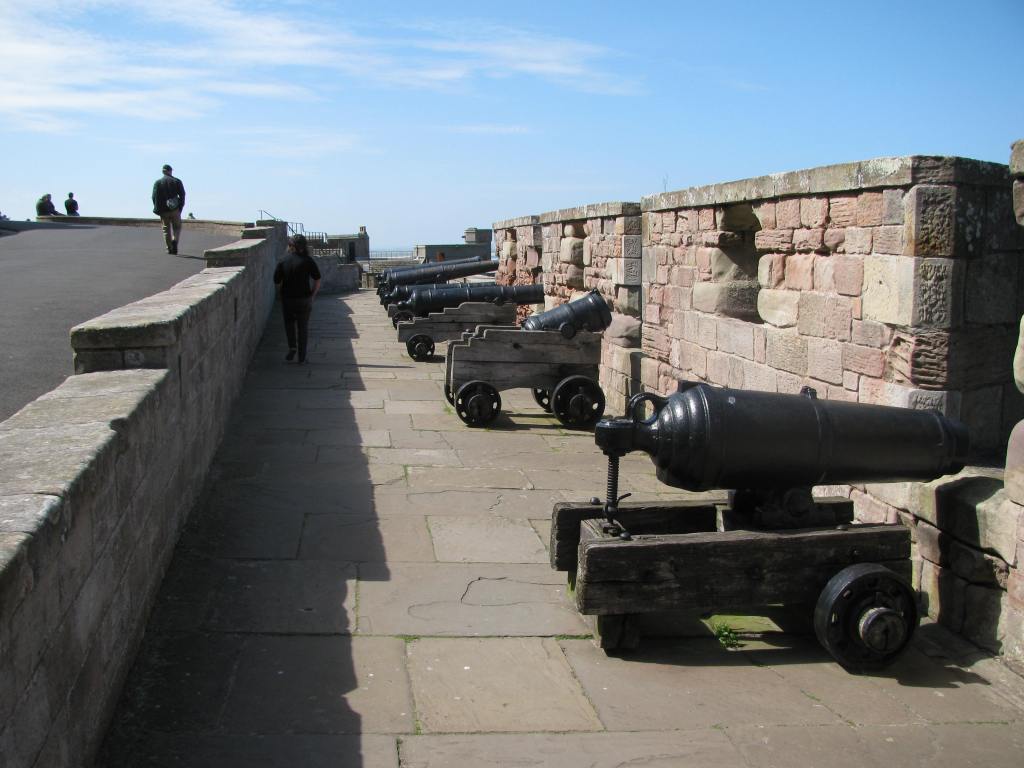
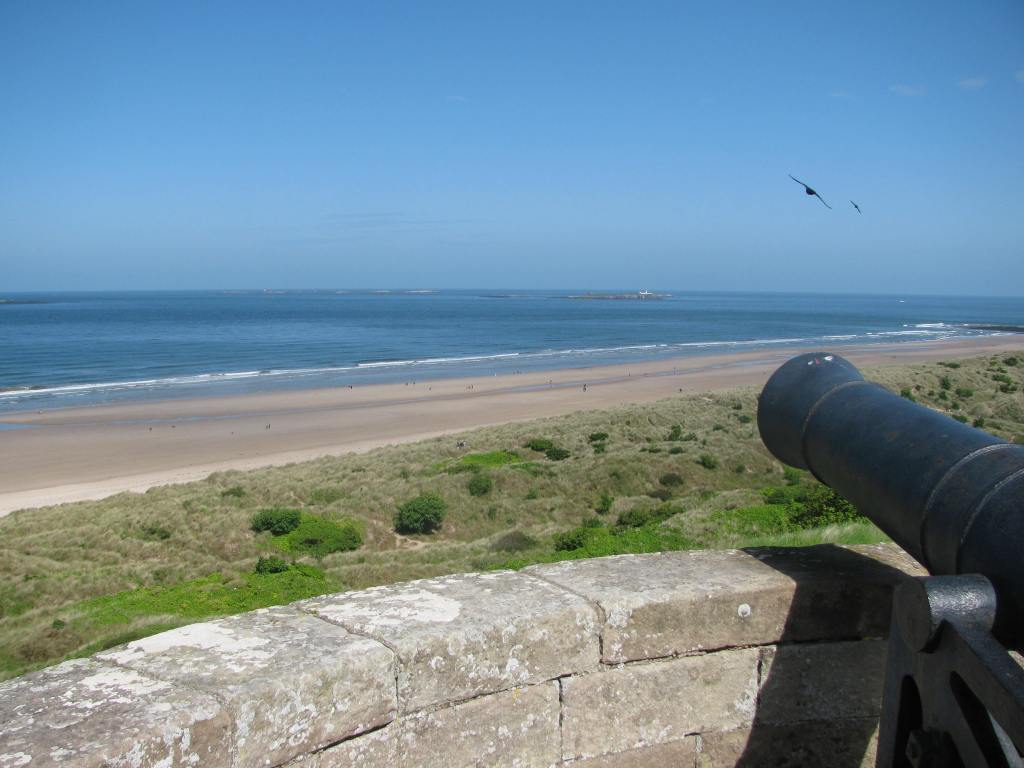
Bamburgh Beach
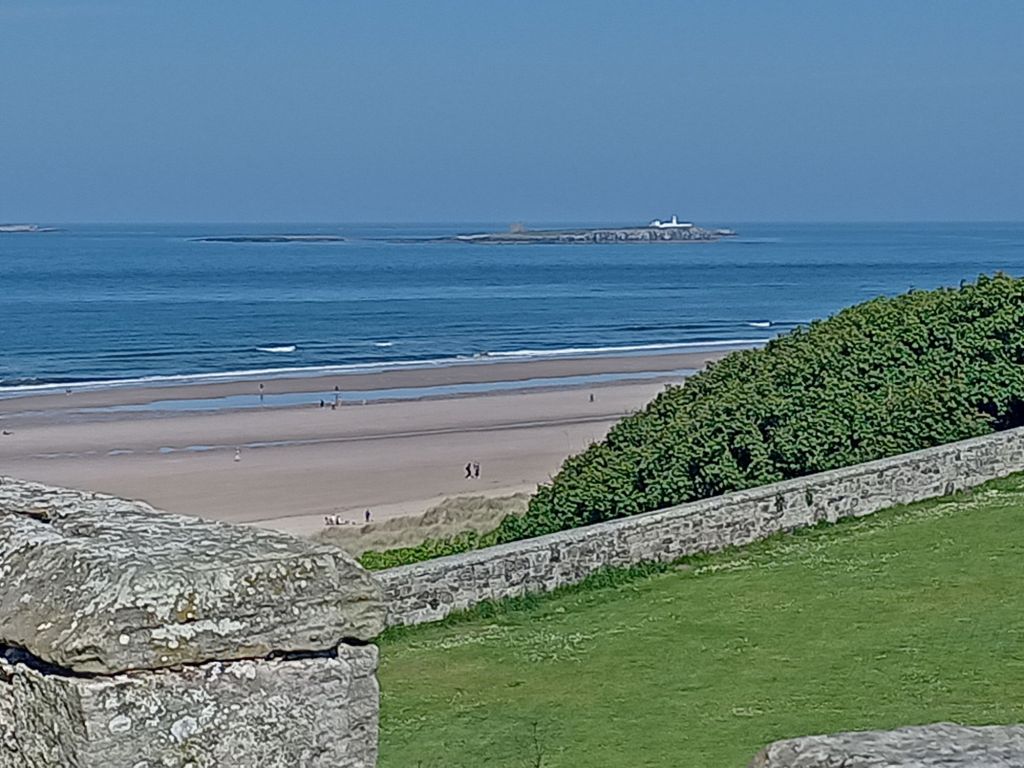
Farne Islands from the castle
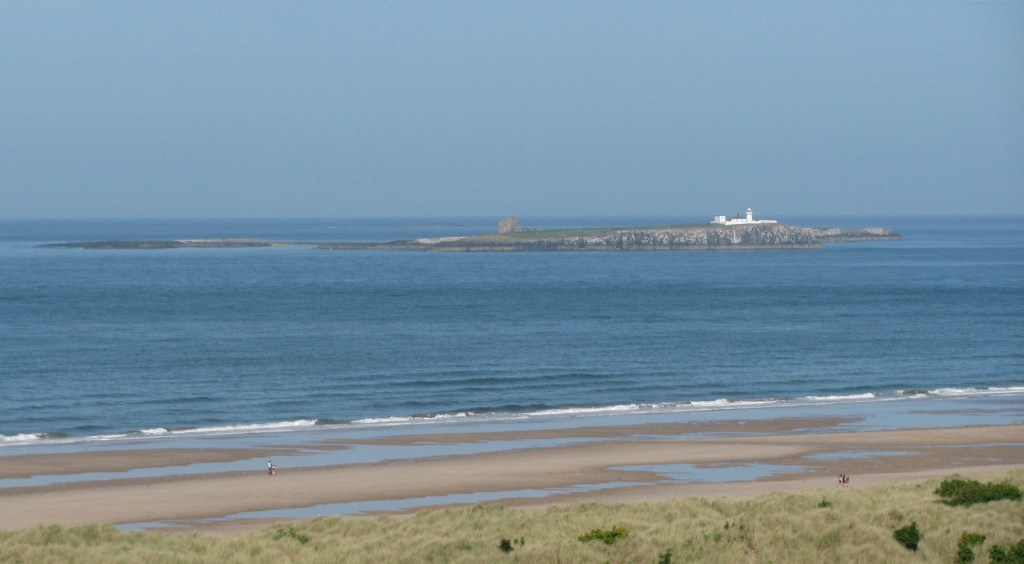
Lindisfarne / Holy Island
After Bamburgh Castle, we drove north along some narrow country lanes back up the coast towards Lindisfarne a.k.a. Holy Island. At low-to-mid tide, Lindisfarne is joined to the mainland by a causeway and road, but these are covered by the sea about two hours before and after high tide. Fortunately, on this day, low tide was in the early evening, around the time we arrived. Even better, most weekend day-trippers had left the island by the time we got there, so we had the place more or less to ourselves.
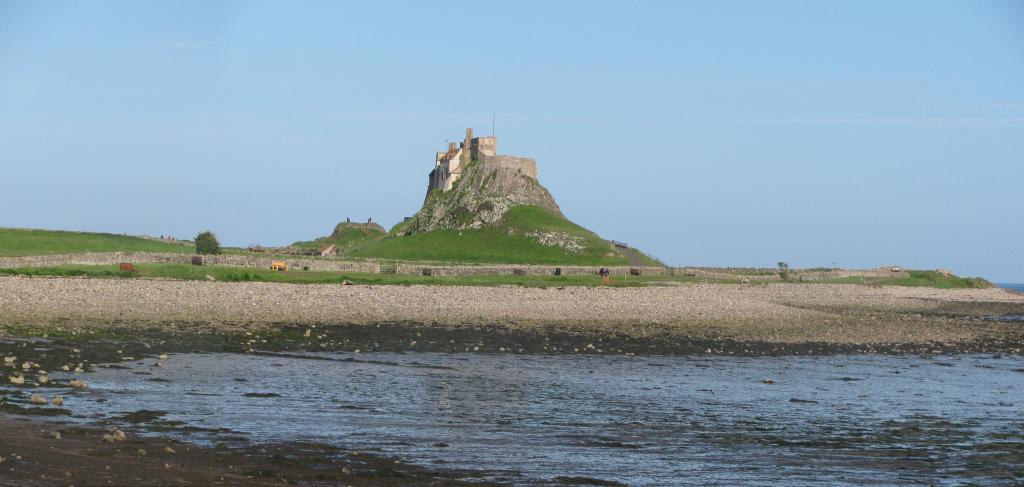
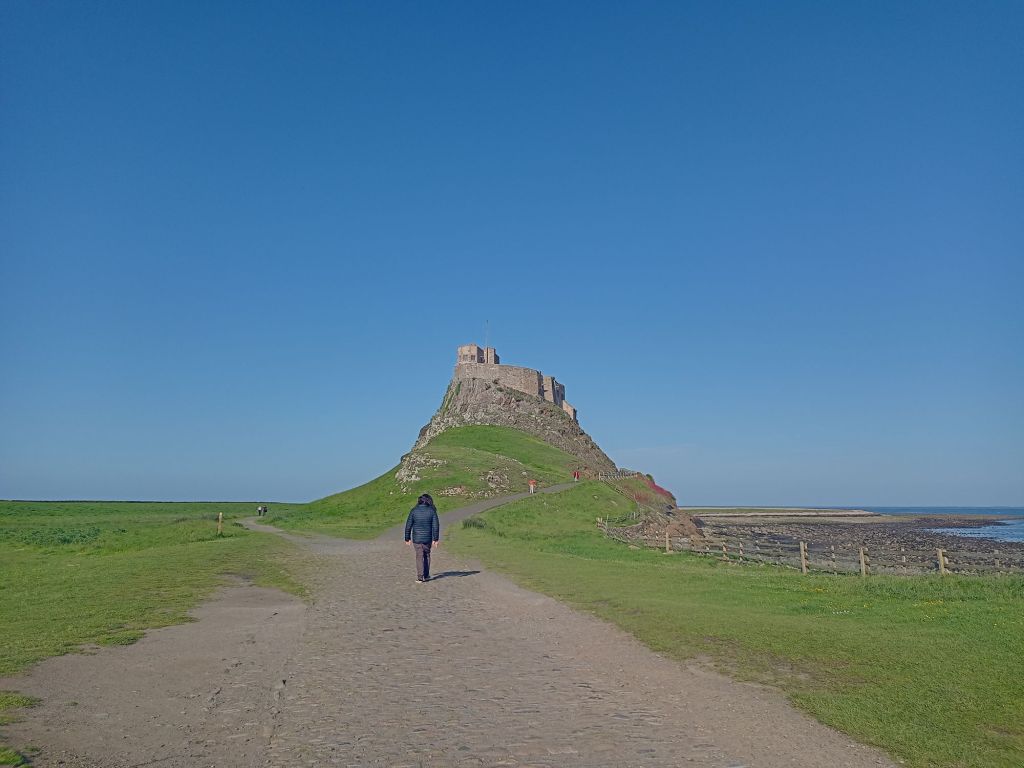
We drove across the causeway and walked from the carpark about 1km to Lindisfarne village and then to the harbour. Caroline sat by the harbour while Ian and E walked to Lindisfarne Castle, the castle garden, the Priory, and other parts of the village.
Lindisfarne is now a National Nature Reserve, and has an interesting history.
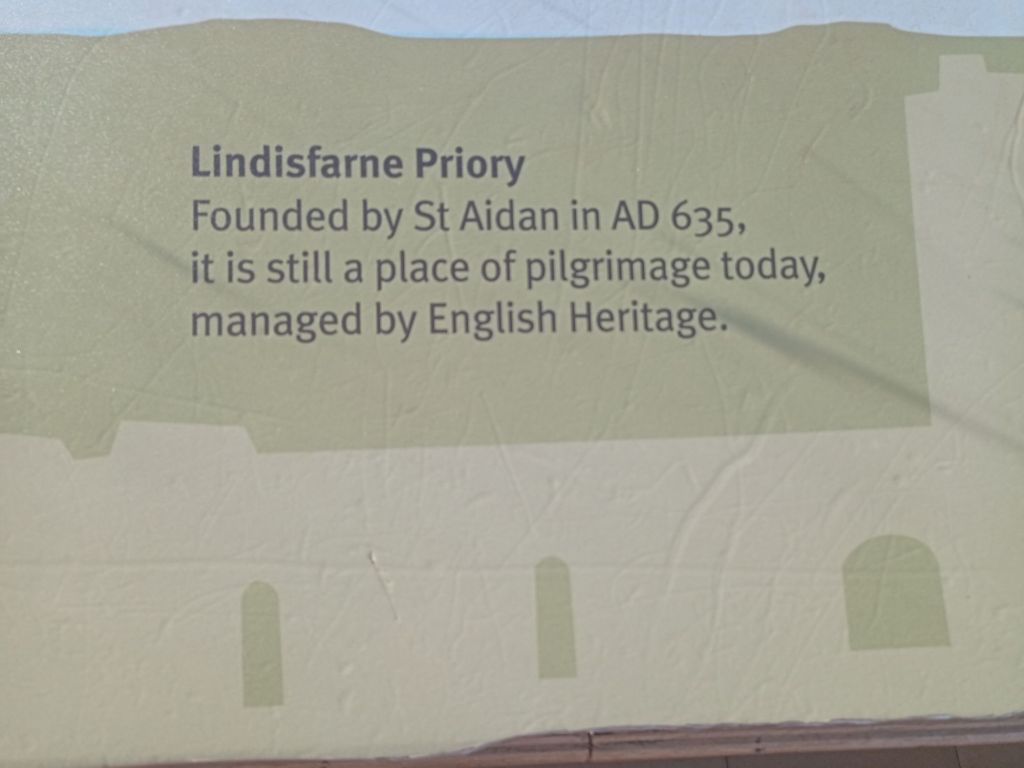
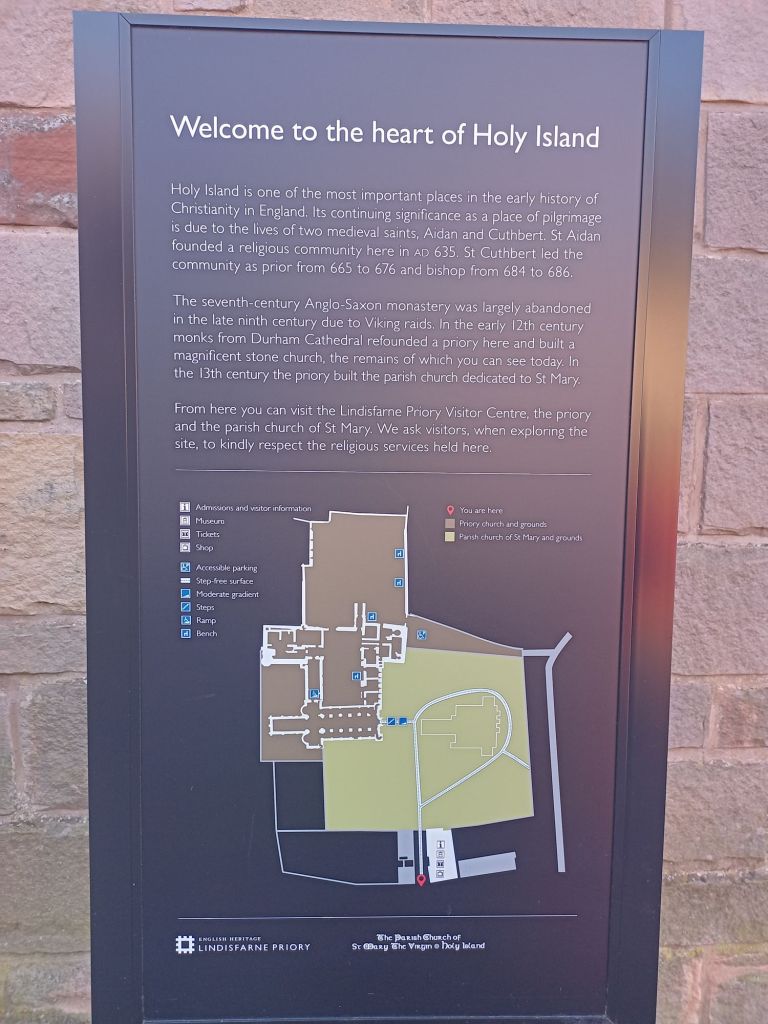
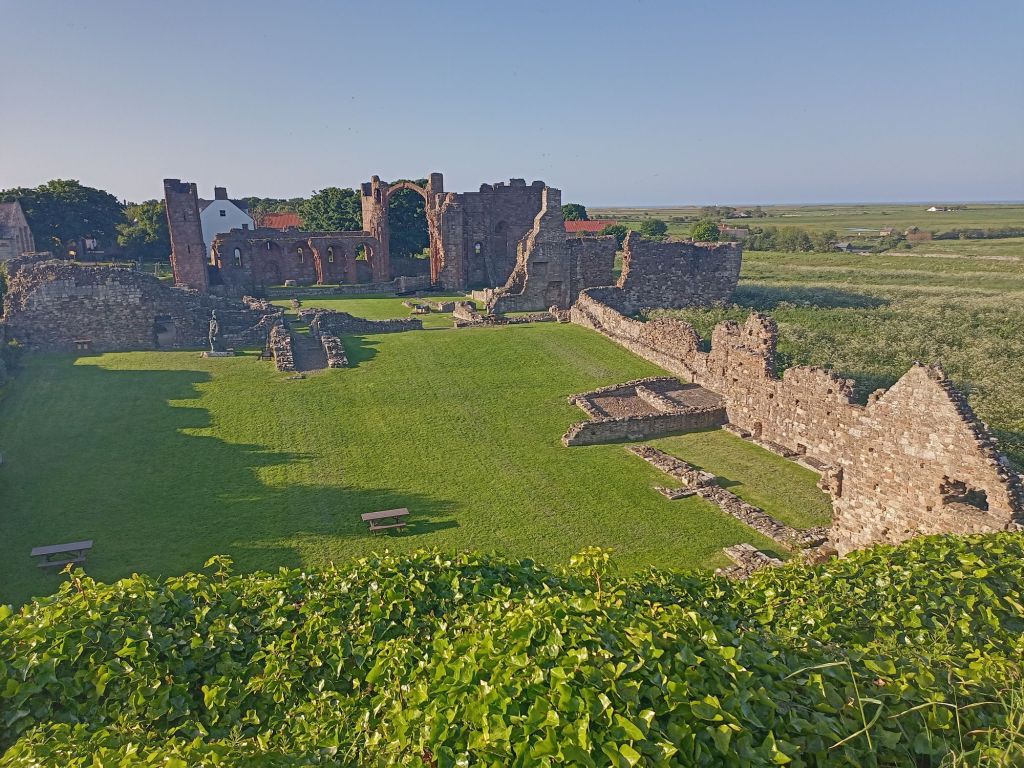
Early Christian Irish monks settled there in AD 635, and one of their members, St. Cuthbert, became a bishop and then a cult figure after his death, attracting many pilgrims to the area. However, in AD 793, Viking pirates attacked the island and killed many of the monks. The remaining monks left the island with St Cuthbert’s remains. In the 12th century the monastery was re-established on Lindisfarne and eventually became the (now-ruined) priory.
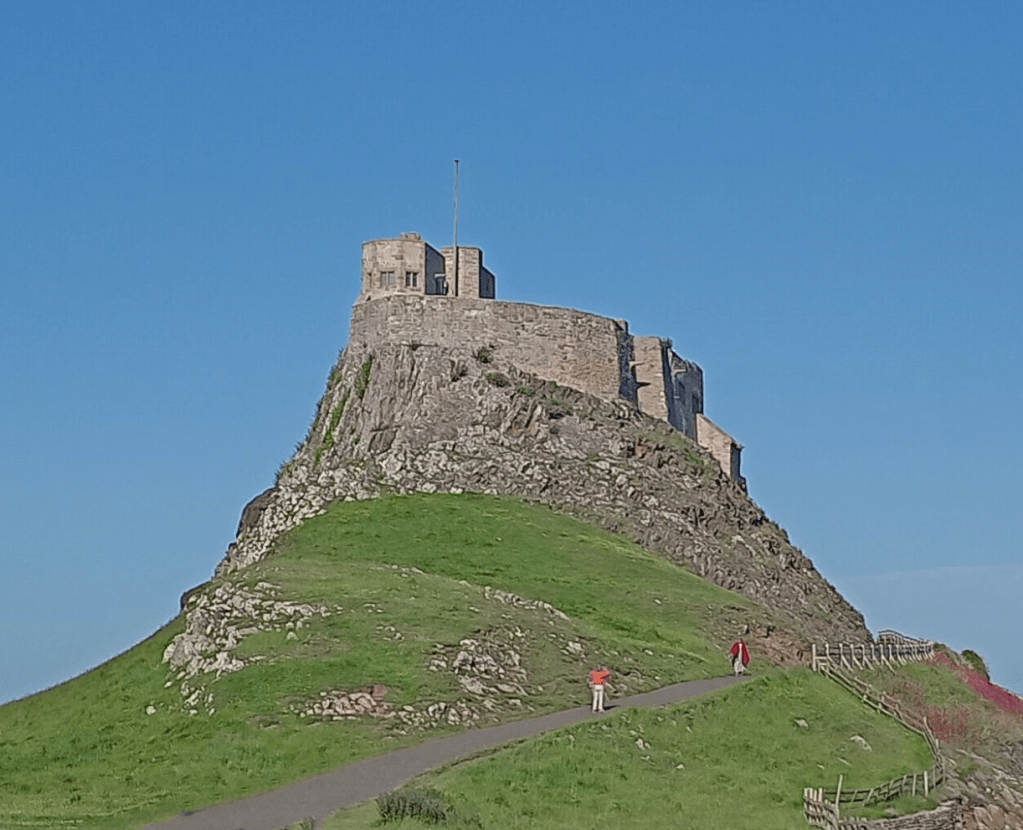
According to the National Trust, “[Lindisfarne] castle was strategically vital during the Scottish Wars of the mid-1500s and later saw action in the Civil Wars and the Jacobite Rebellion of 1715.” In the early 20th century, the new leaseholder, Edward Hudson, commissioned major renovations to the castle, as well as a garden designed by Gertrude Jekyll (https://www.nationaltrust.org.uk/visit/north-east/lindisfarne-castle/history-of-lindisfarne-castle).
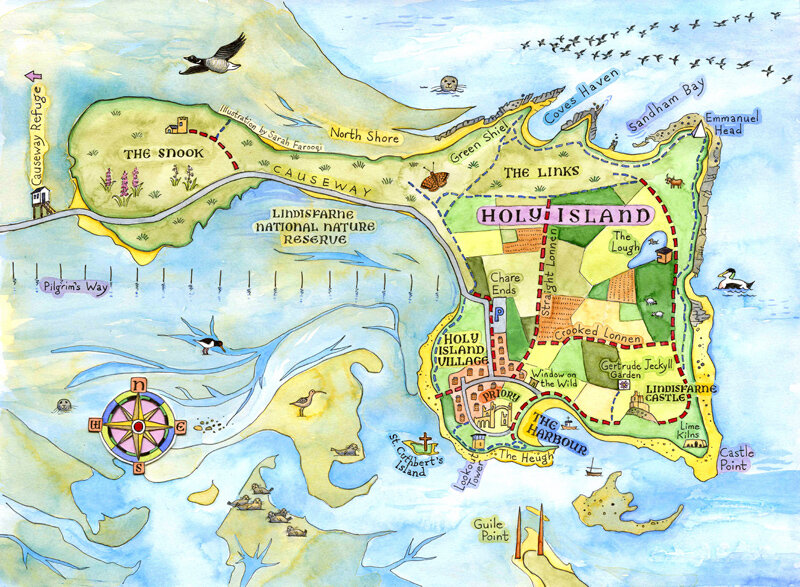
Credit: Sarah Farooqi (2018) Holy Island Map for Northumberland AONB, https://www.sarahfarooqi.co.uk/commission-stories/the-holy-island-maps-for-northumberland-aonb
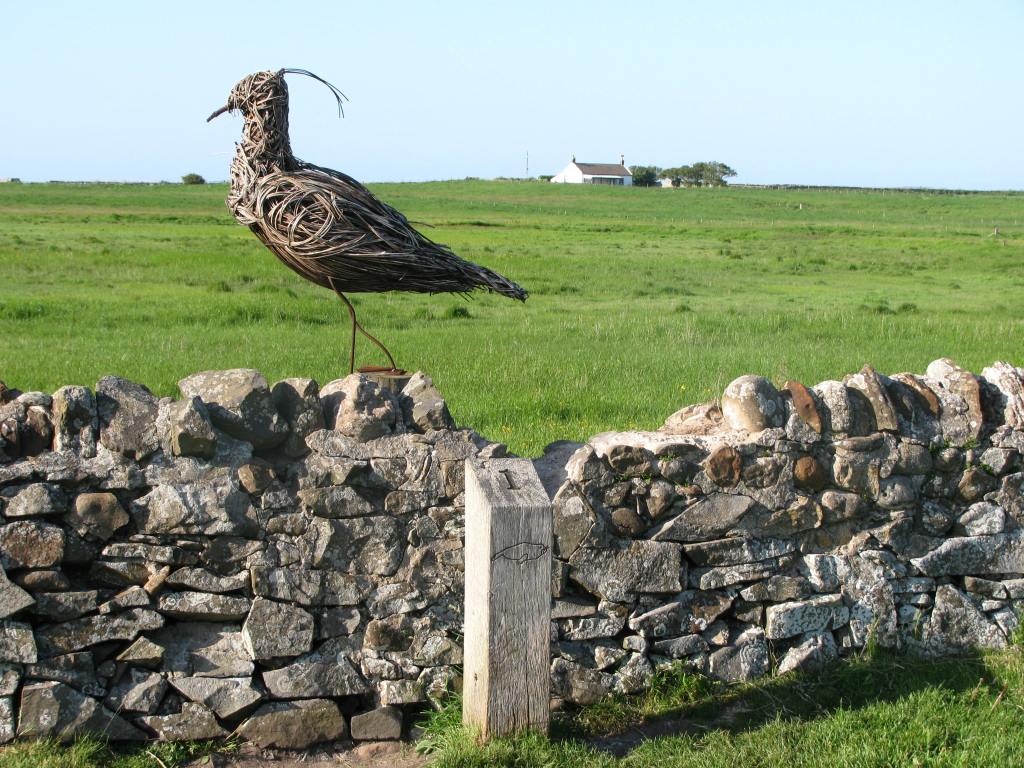
Bird sculpture
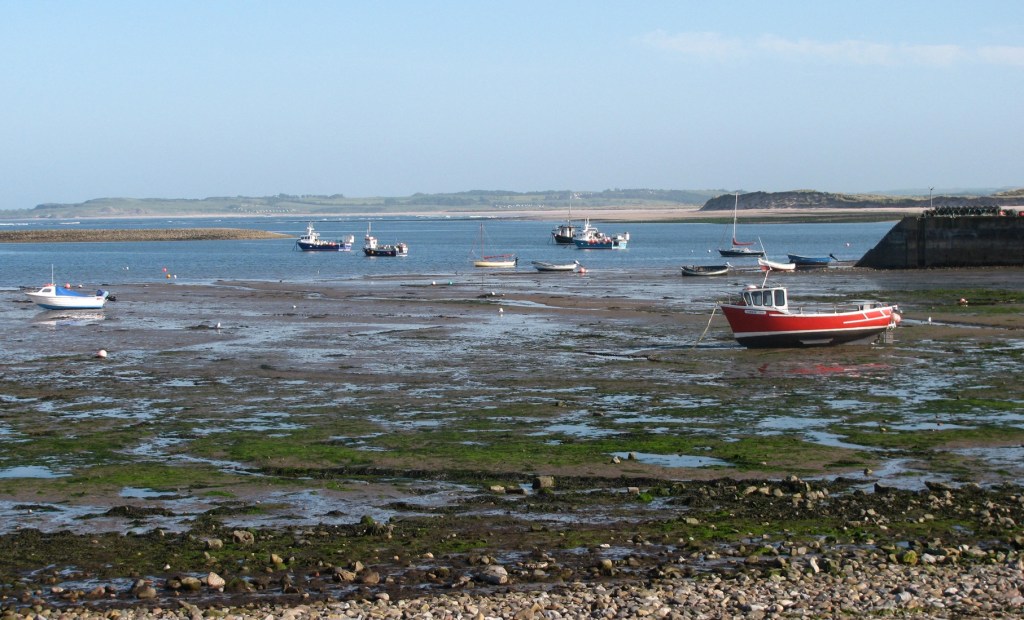
The harbour
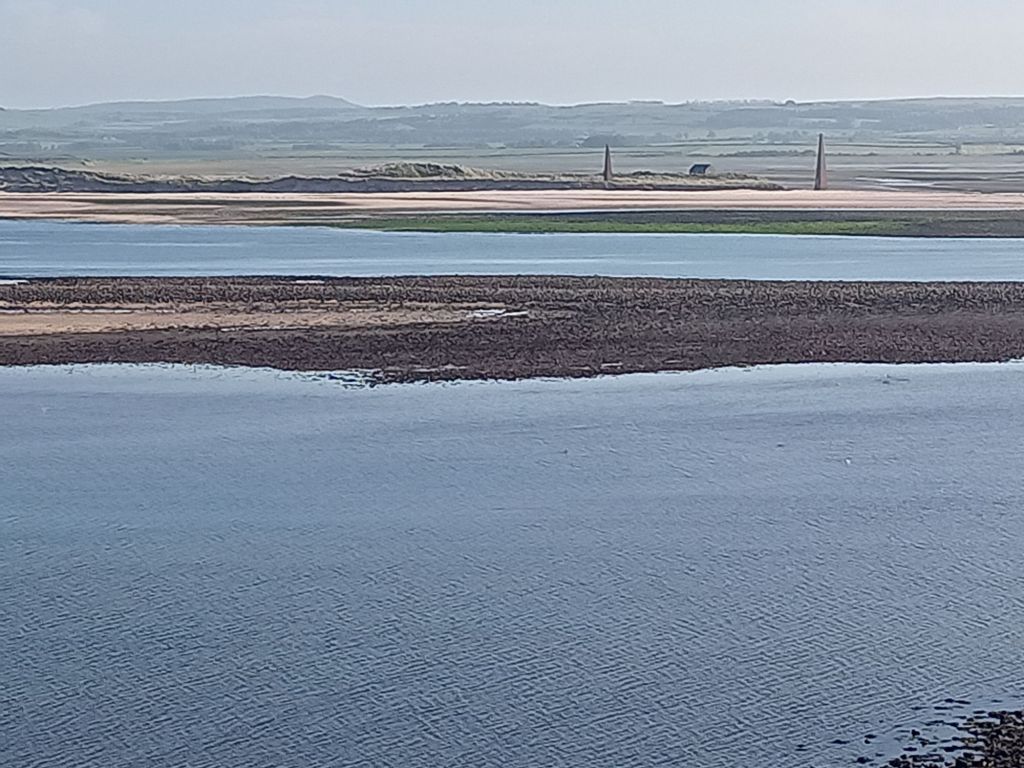
Navigation markers




 New Zealand Family History Search