Yorkshire: Day 3 – Bolton Abbey, Yorkshire Dales, Malham
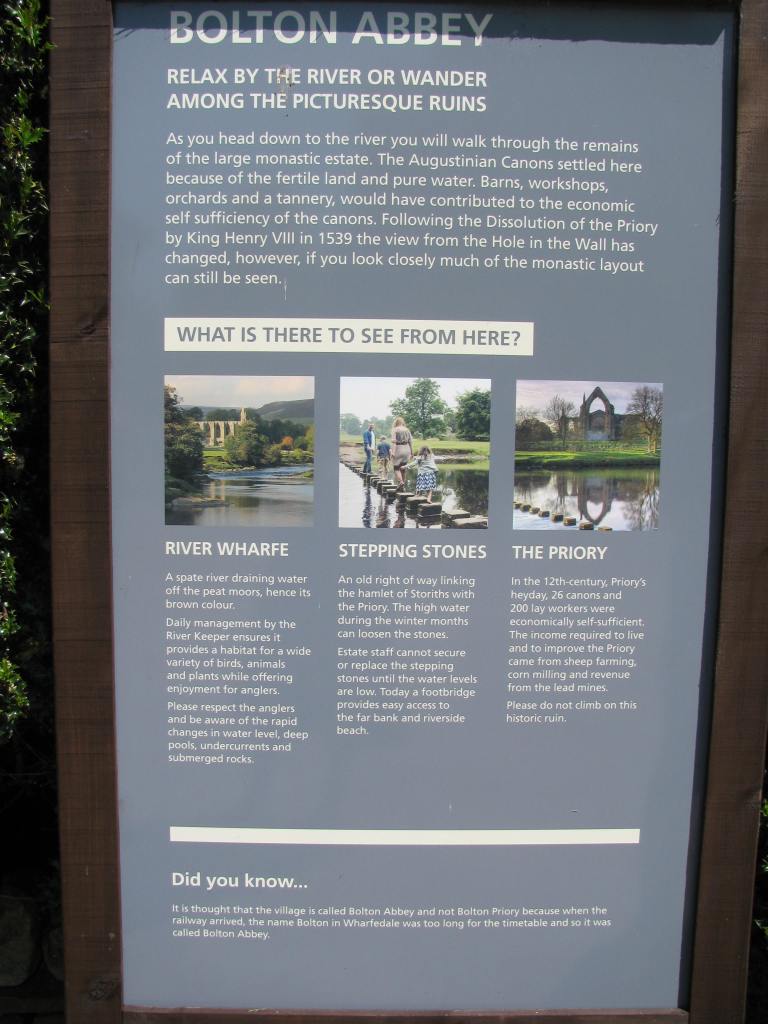
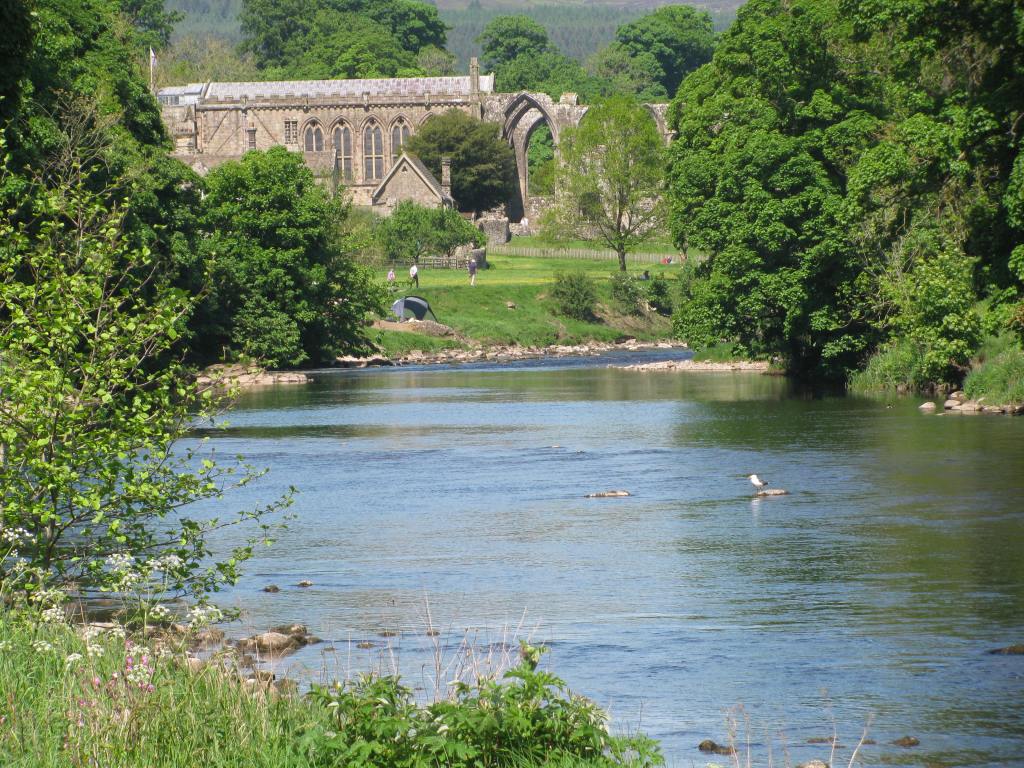
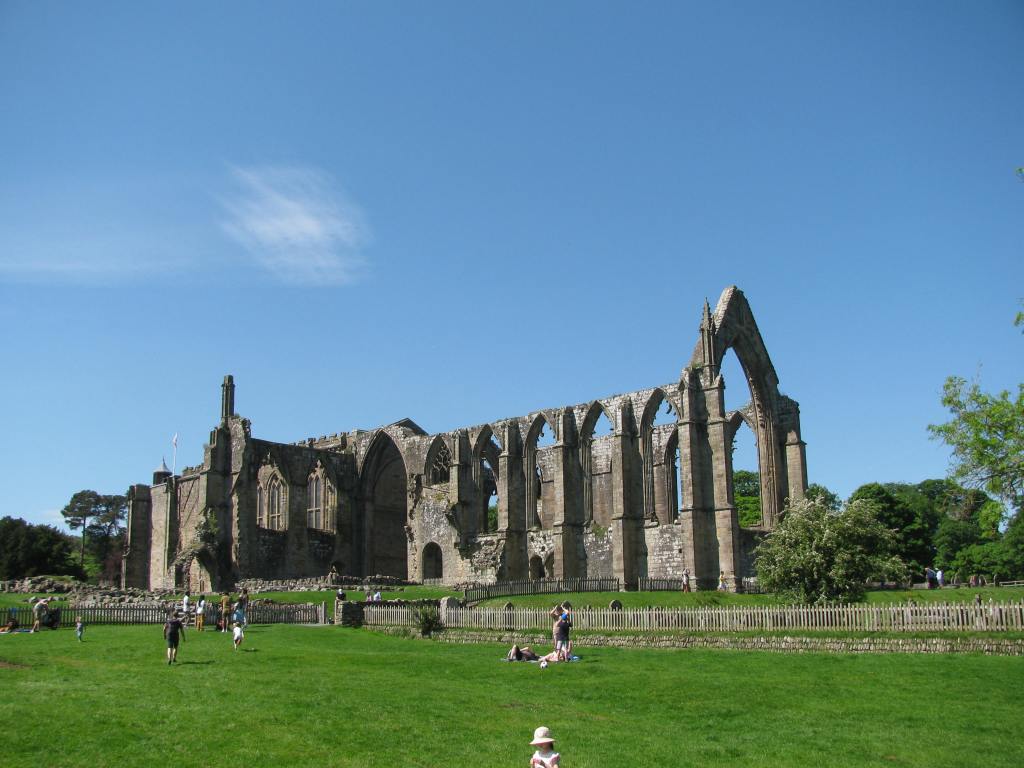
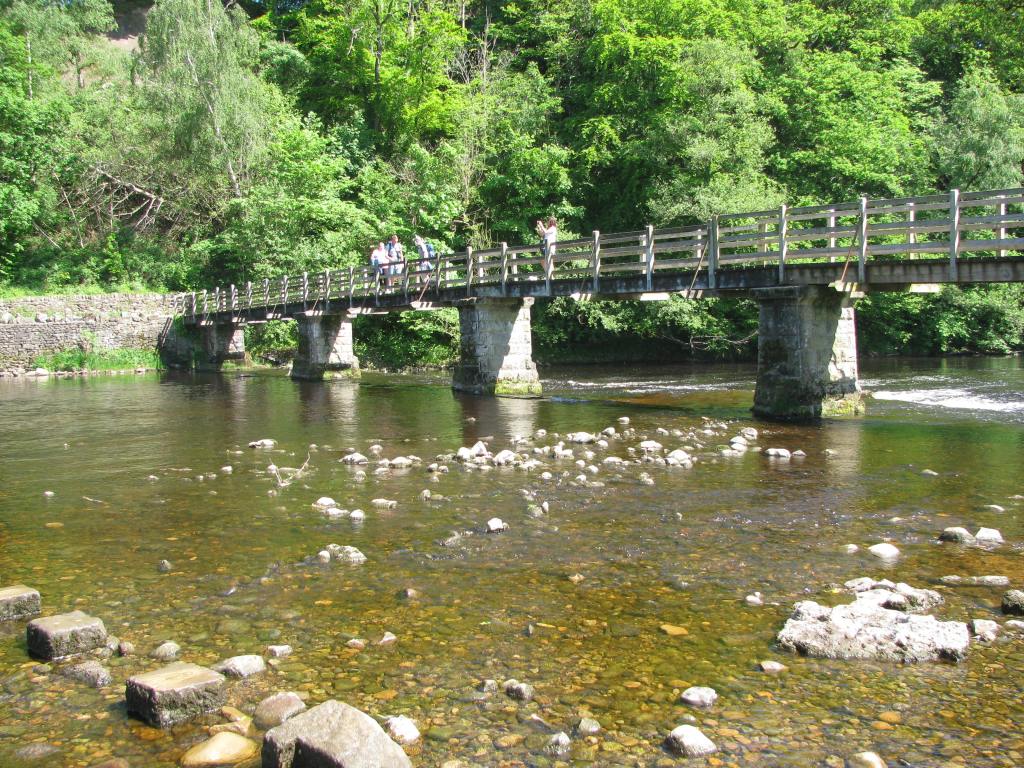
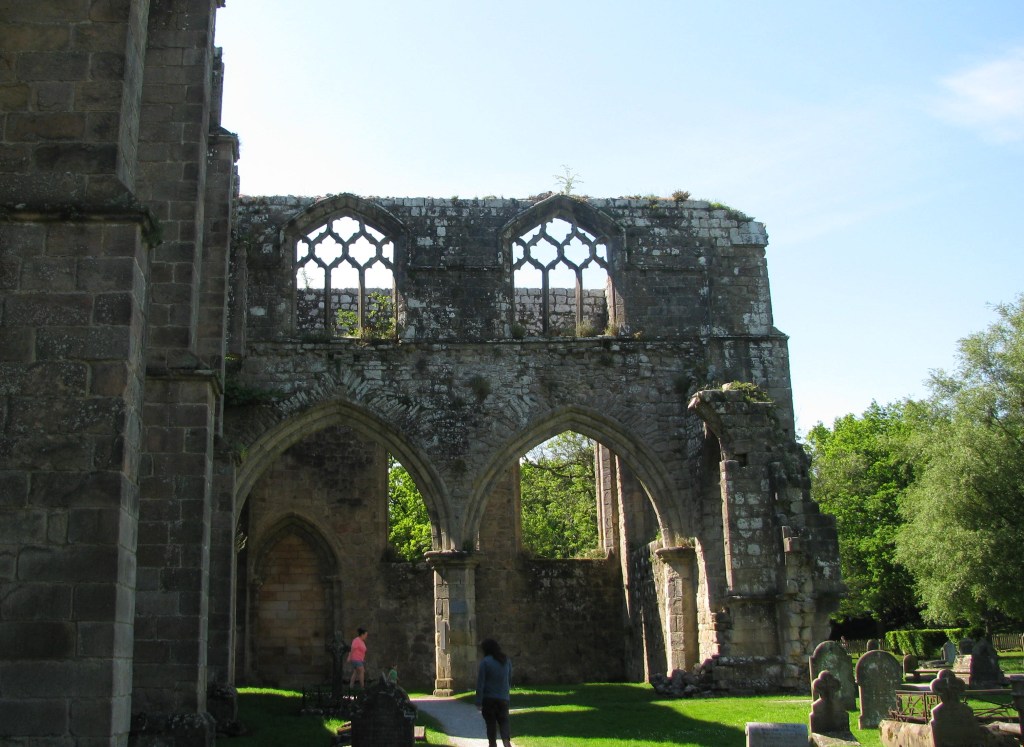
E and Caroline went on a drive north to explore the westerly side of the Yorkshire Dales National Park. First, we walked about a mile along the beautiful River Wharfe to Bolton Abbey. There were lots of people enjoying the warm weather, swimming in the river and having picnics. (The River Wharfe also runs through Otley where Caroline’s father spent a lot of his school years).
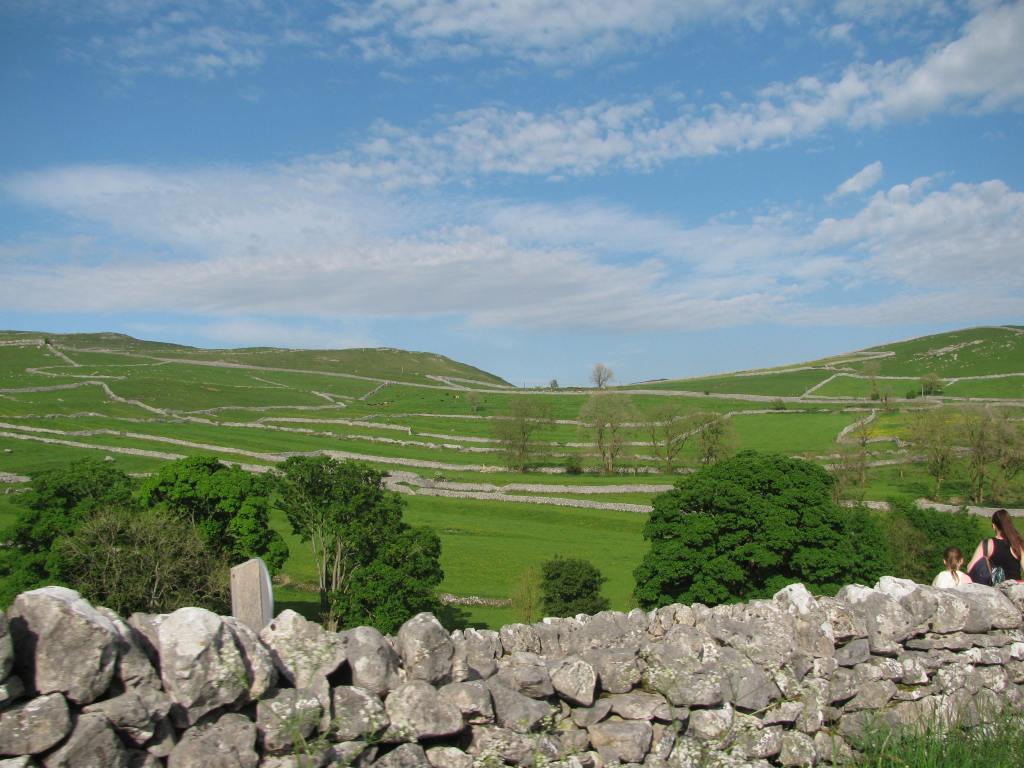
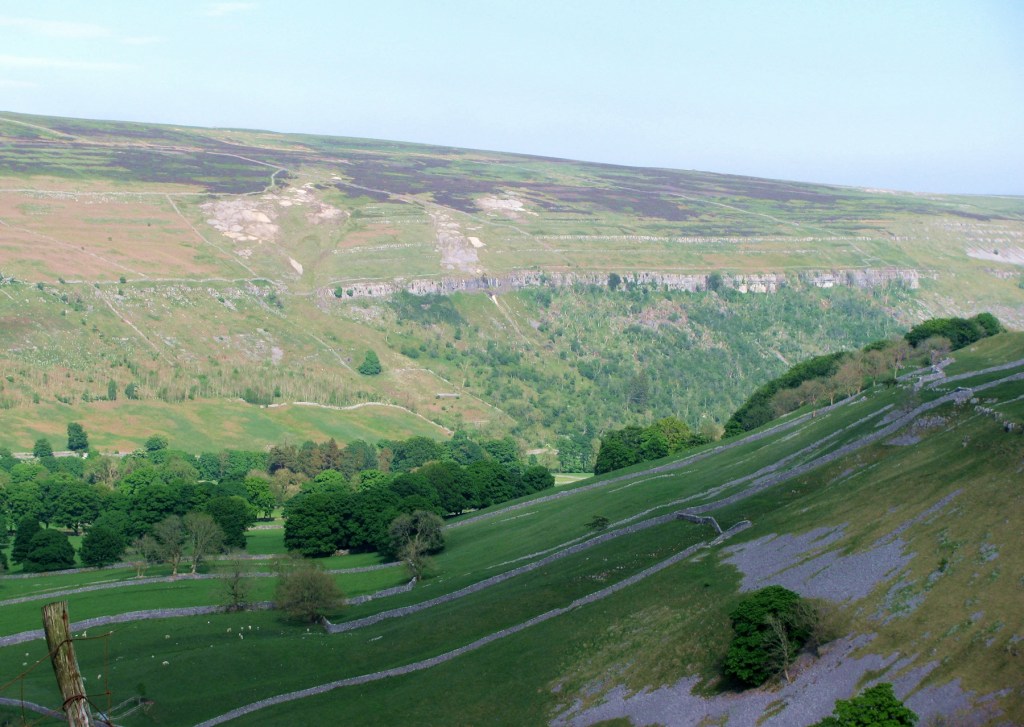
After that we drove a circuit within the Dales, including Malham’s Gordale Scar where the rock formations were featured in the film Harry Potter and the Deathly Hallows.
Bolton Abbey
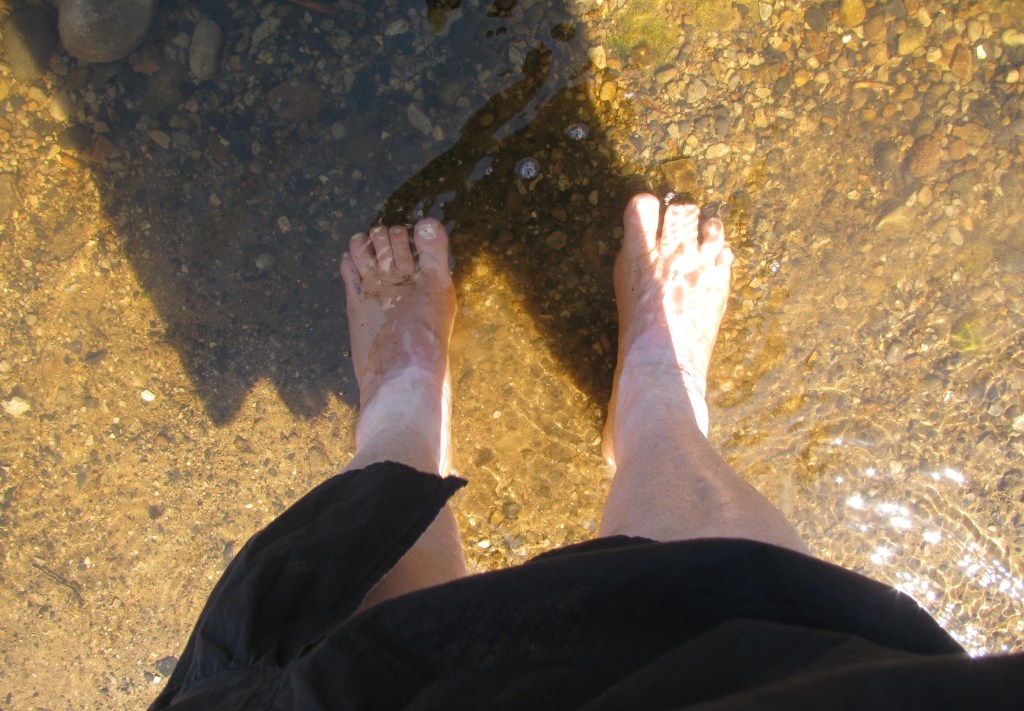
Caroline’s River Wharfe paddle
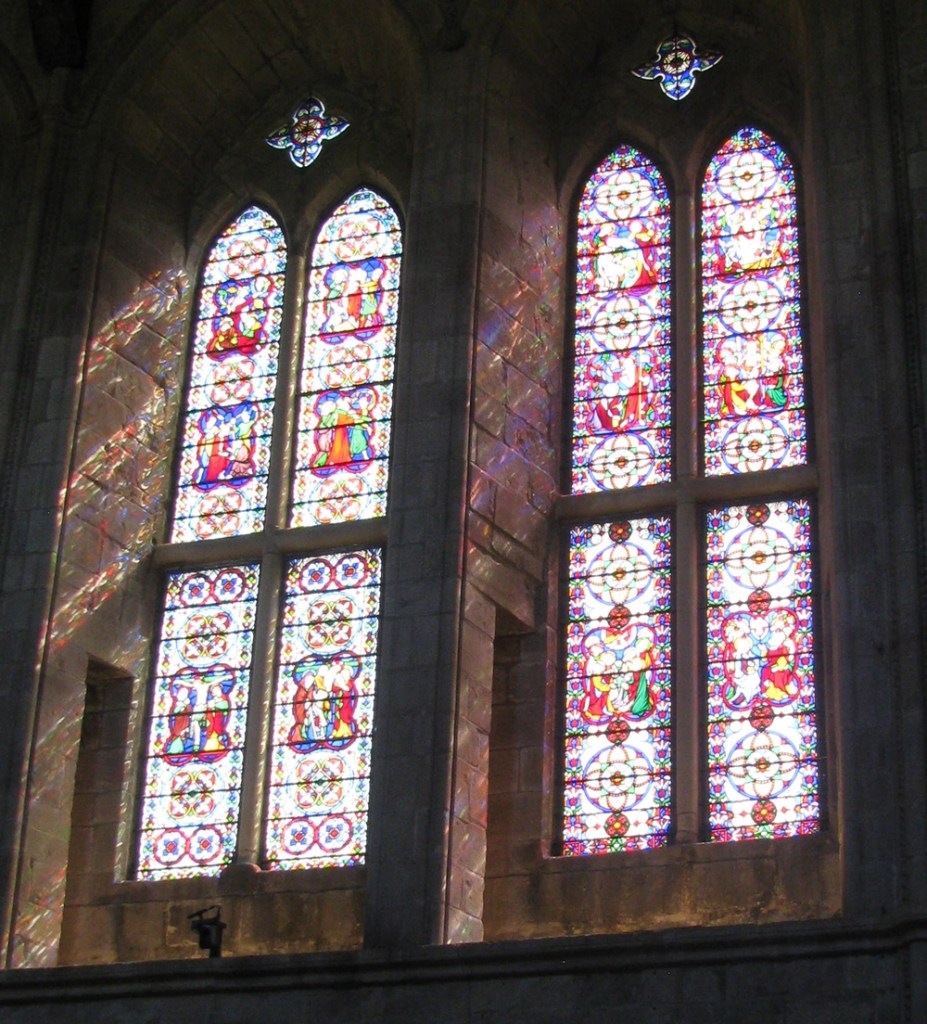
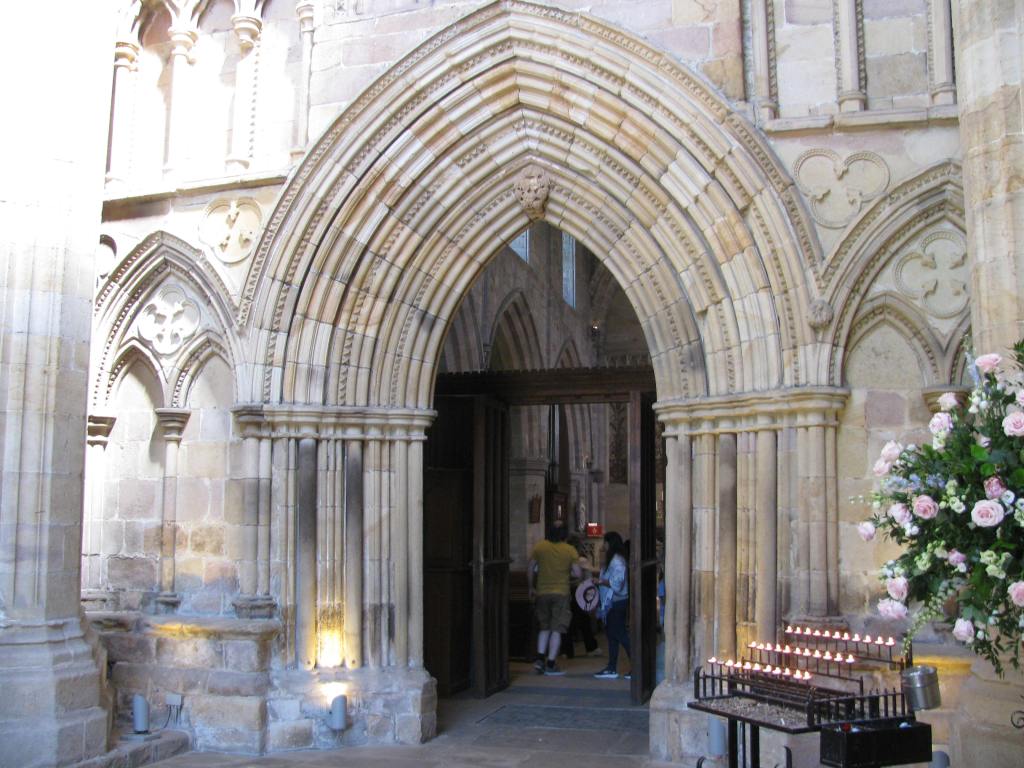
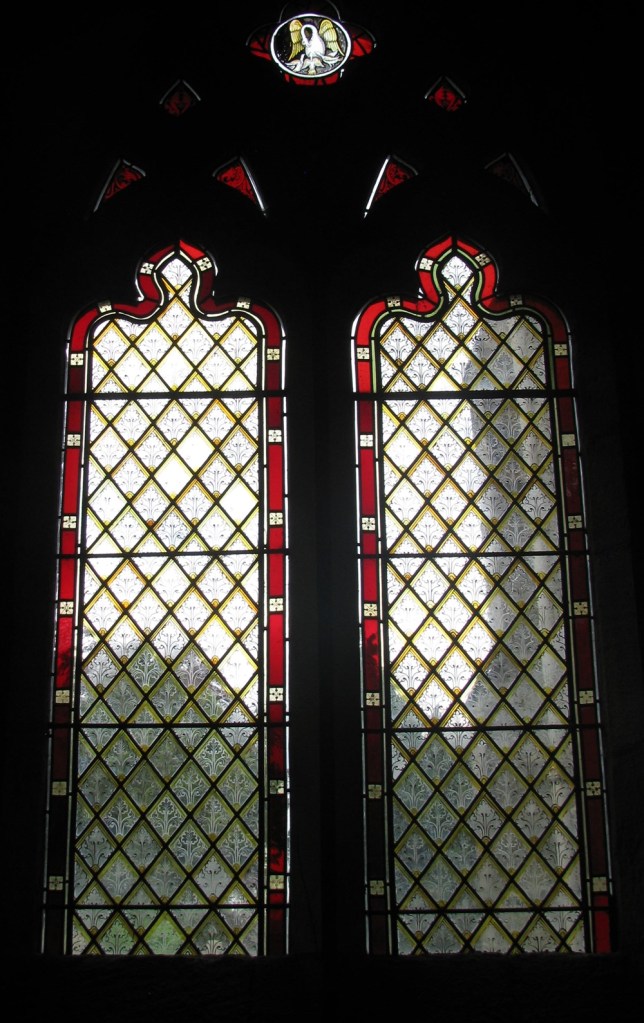
Bolton Priory – stained glass windows
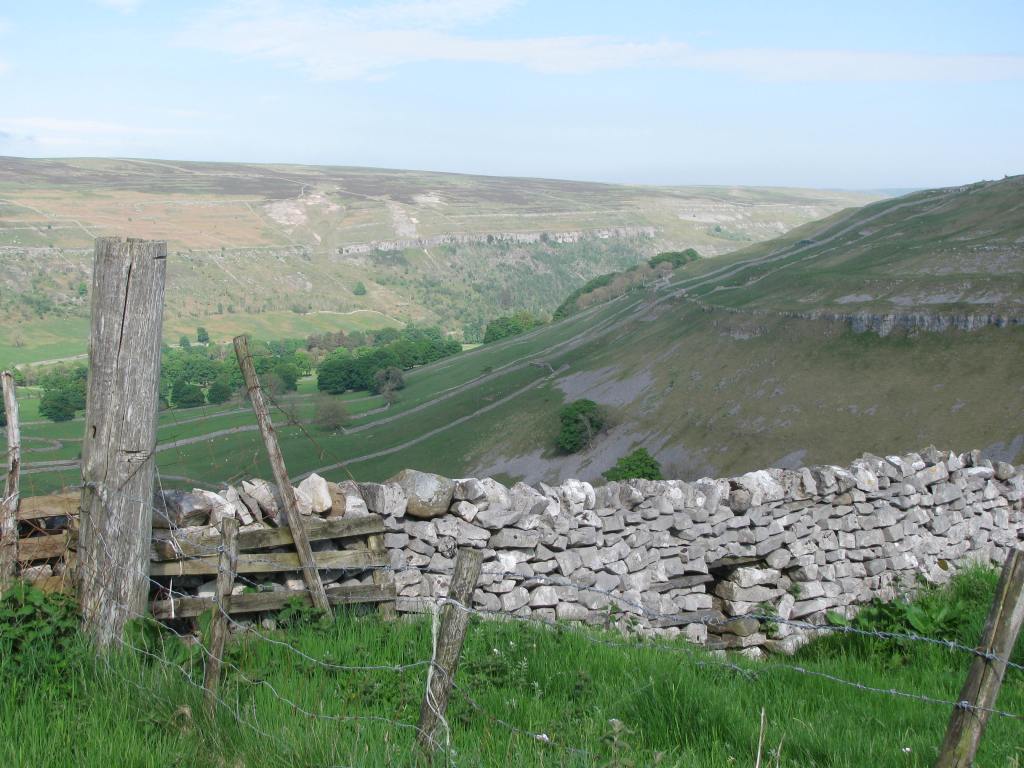
Arncliffe…
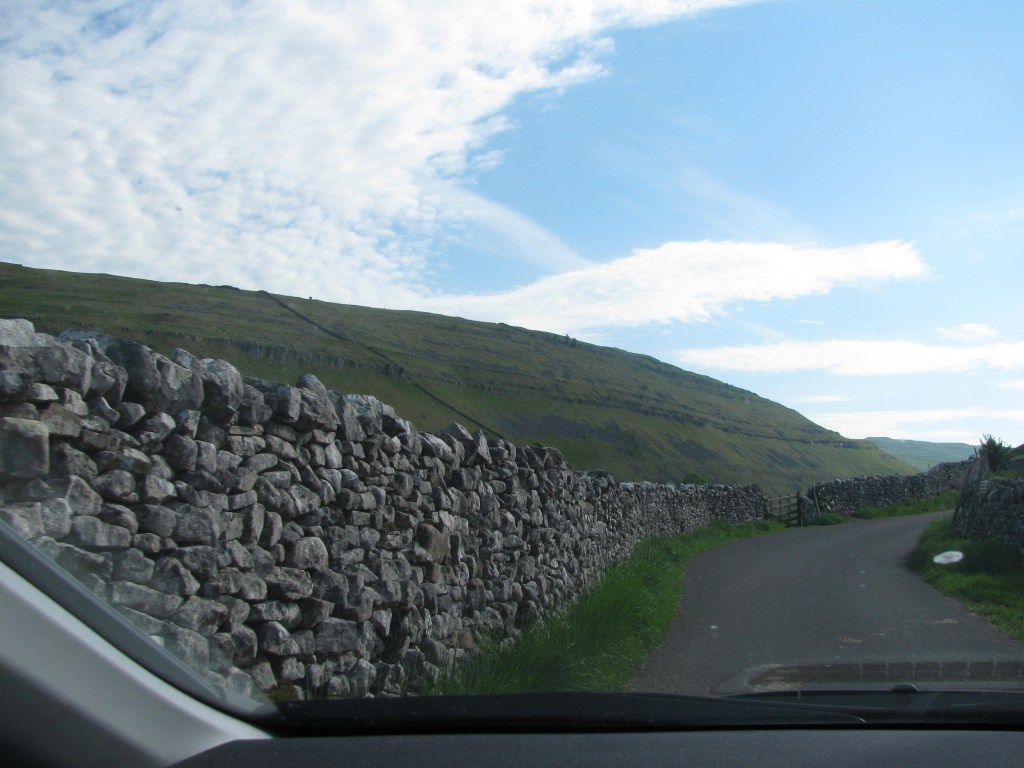
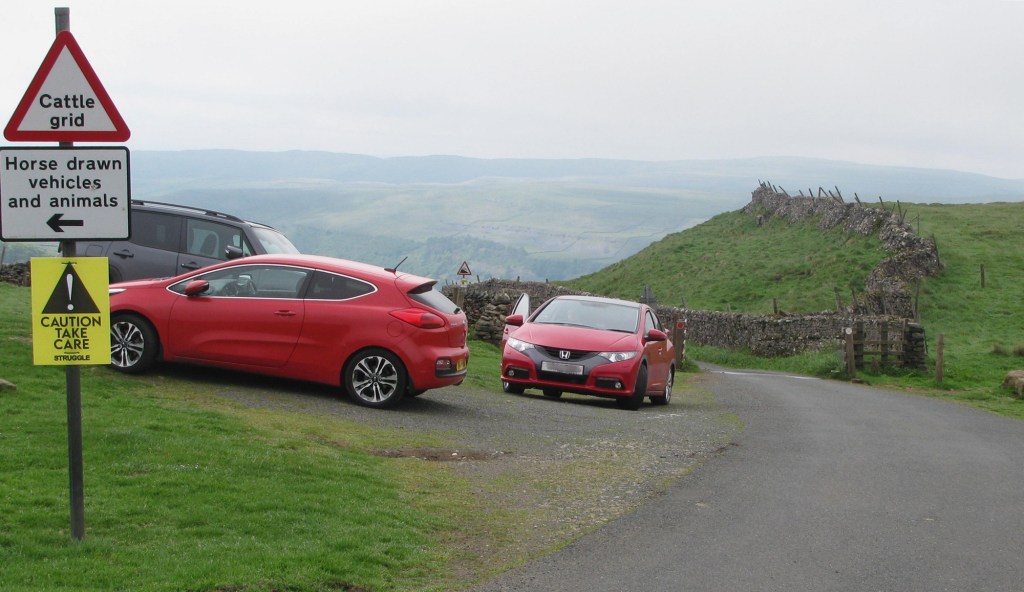
Narrow roads!
Gordale Scar near Malham
Yorkshire: Day 4 – return journey to Edinburgh
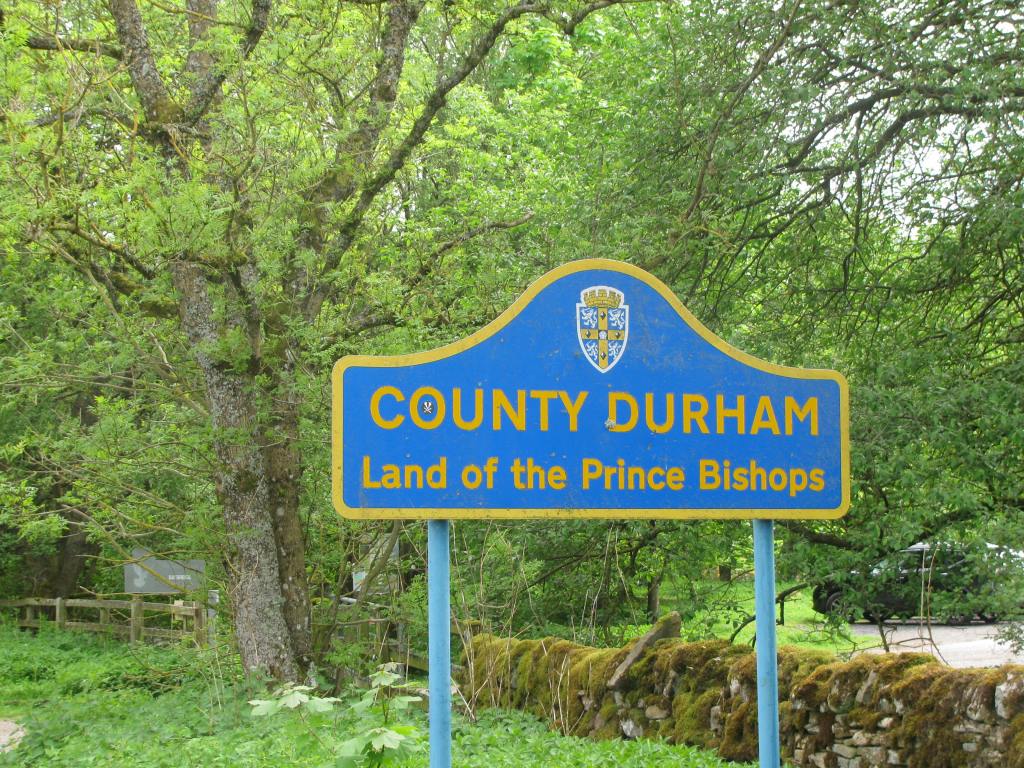
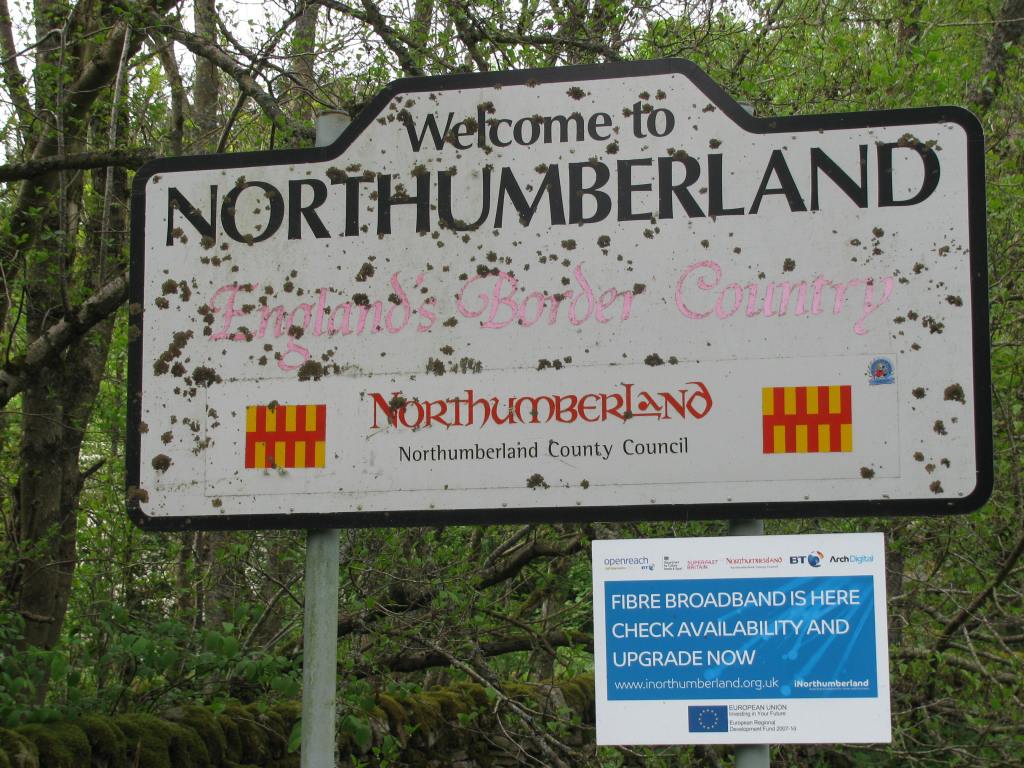
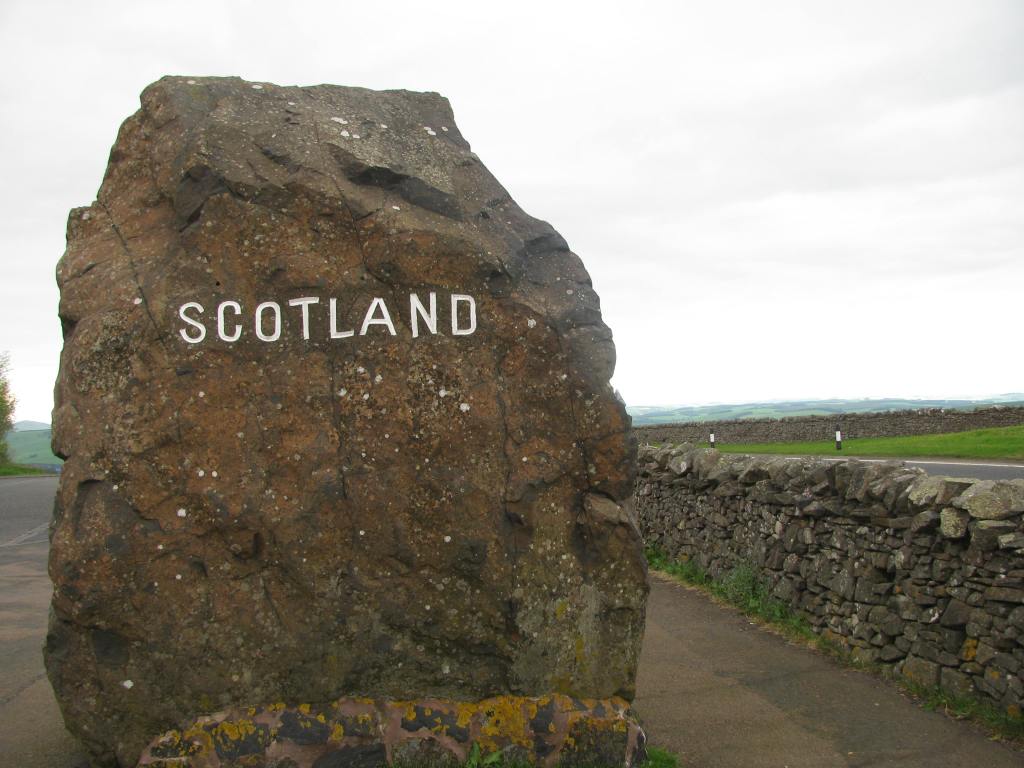
Today, just before 10 a.m., we packed up and drove north towards Edinburgh, on the way passing through the middle and more easterly side of the Yorkshire Dales National Park, the North Pennines ‘Area of Outstanding Natural Beauty’, County Durham, Northumberland and the Scottish Borders.
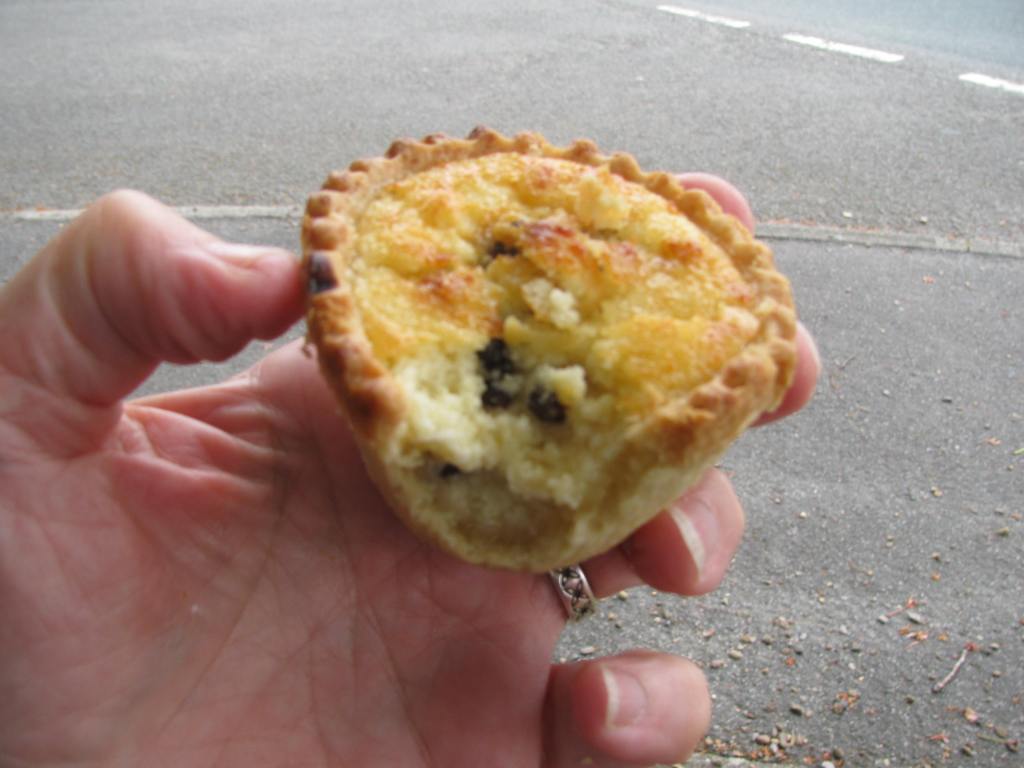
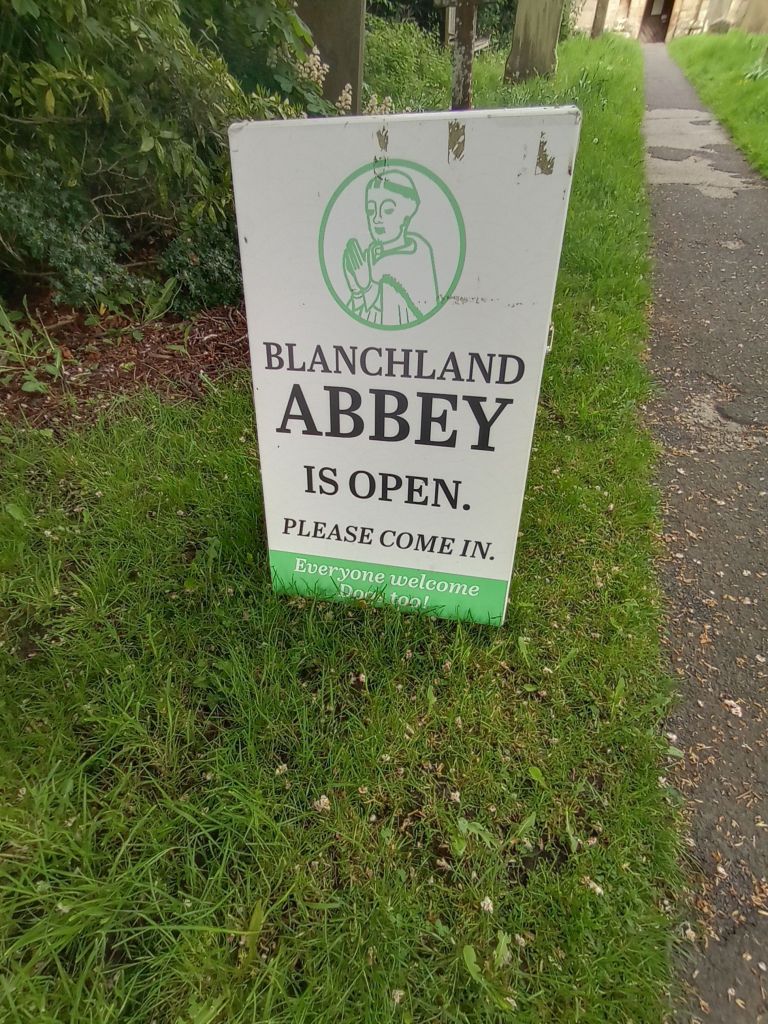
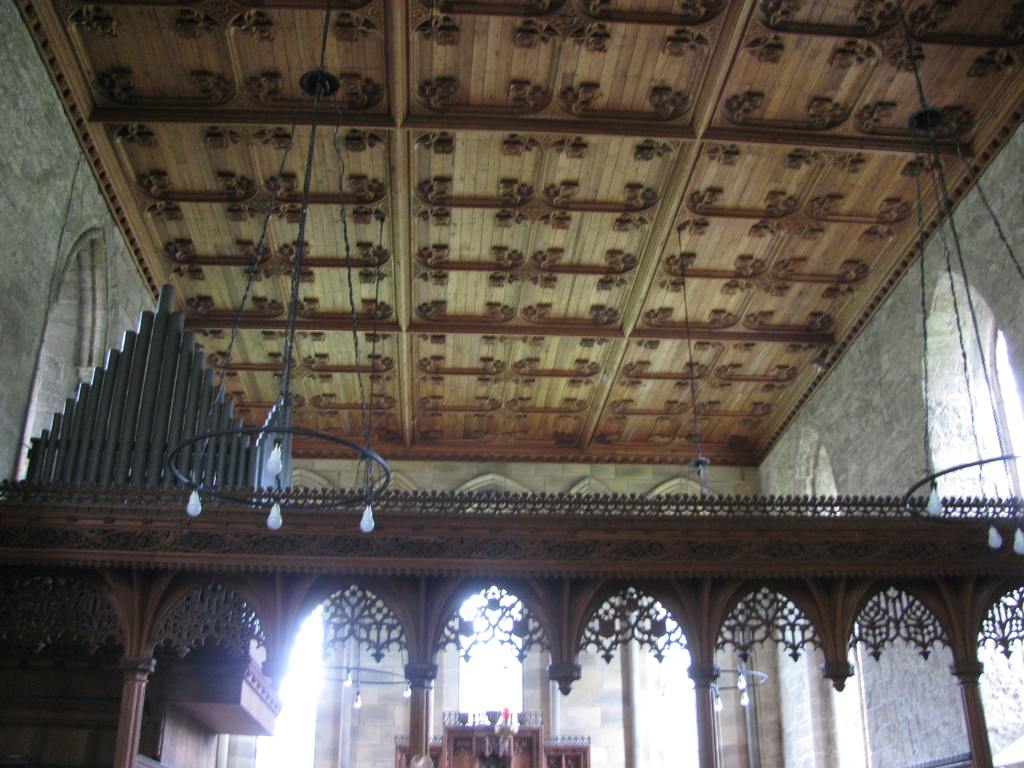
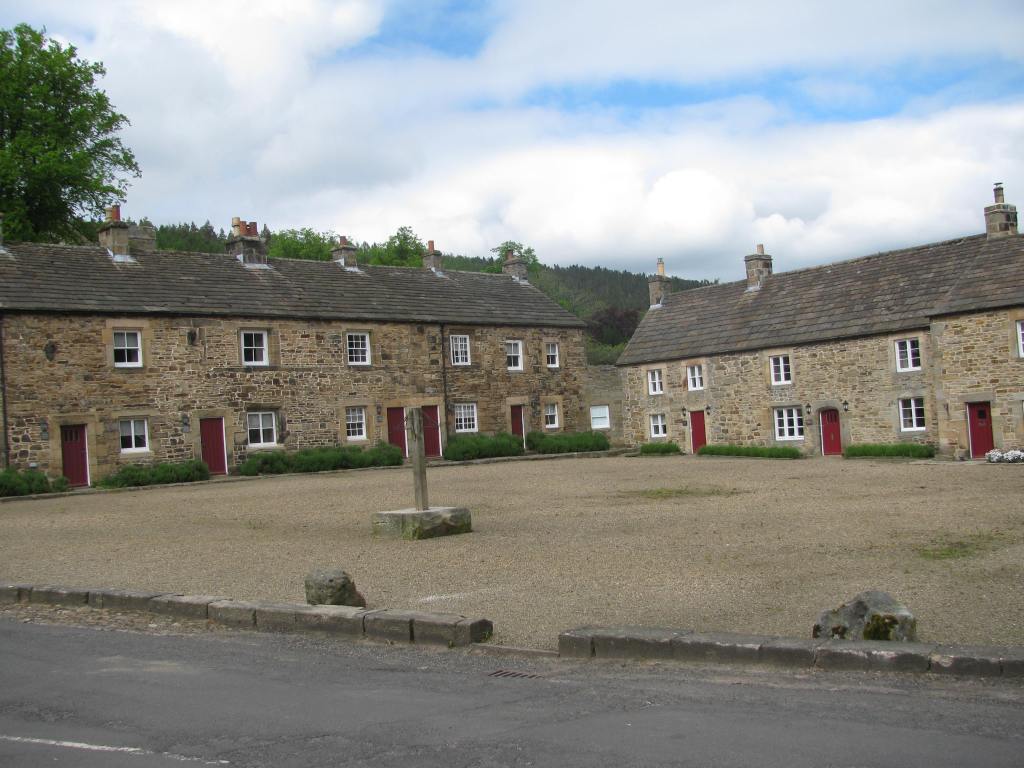
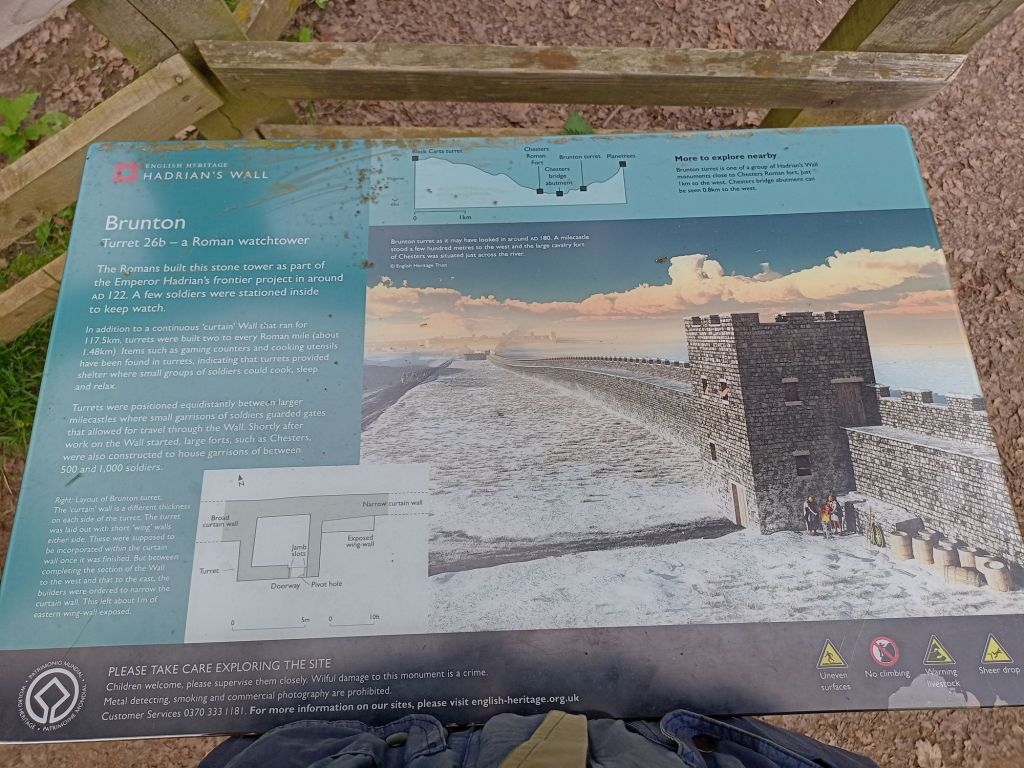
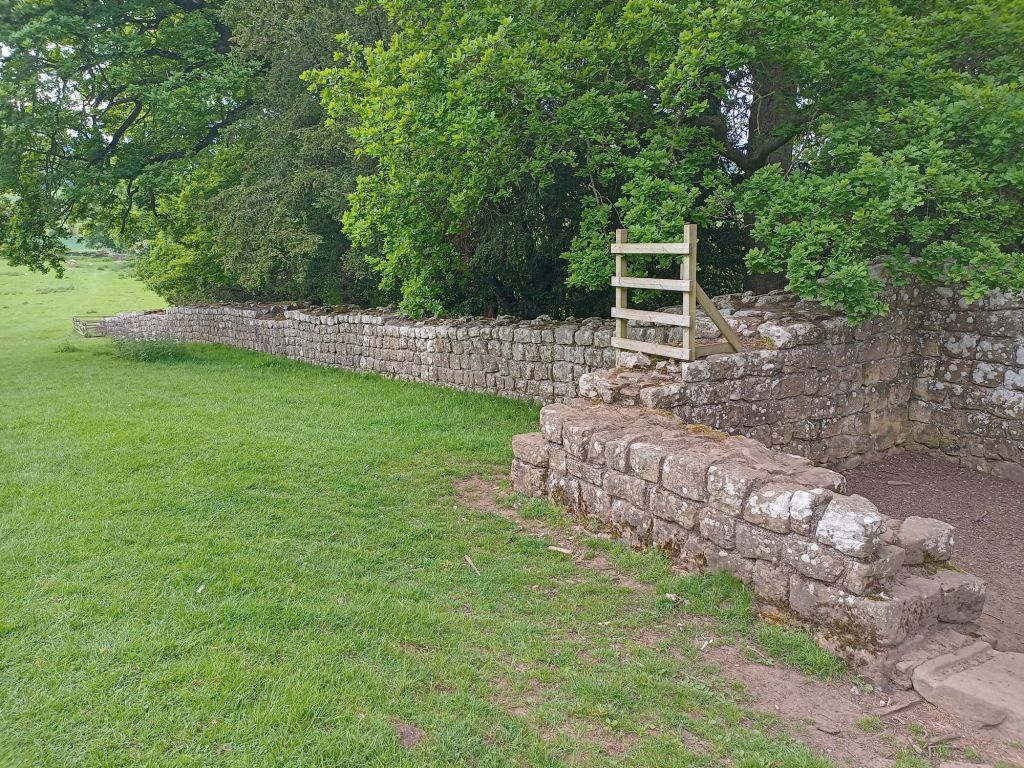
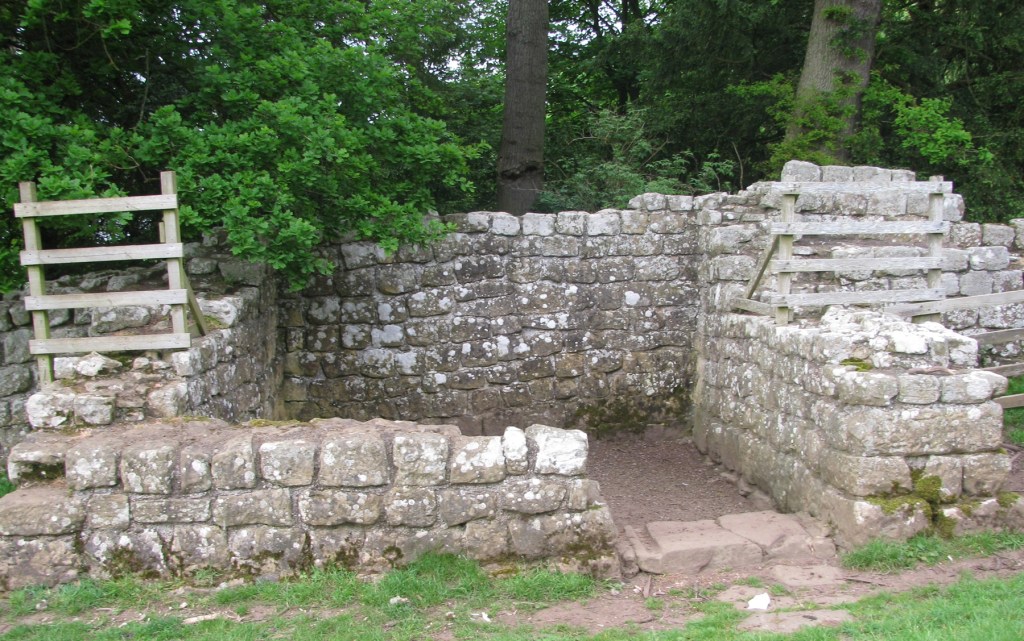
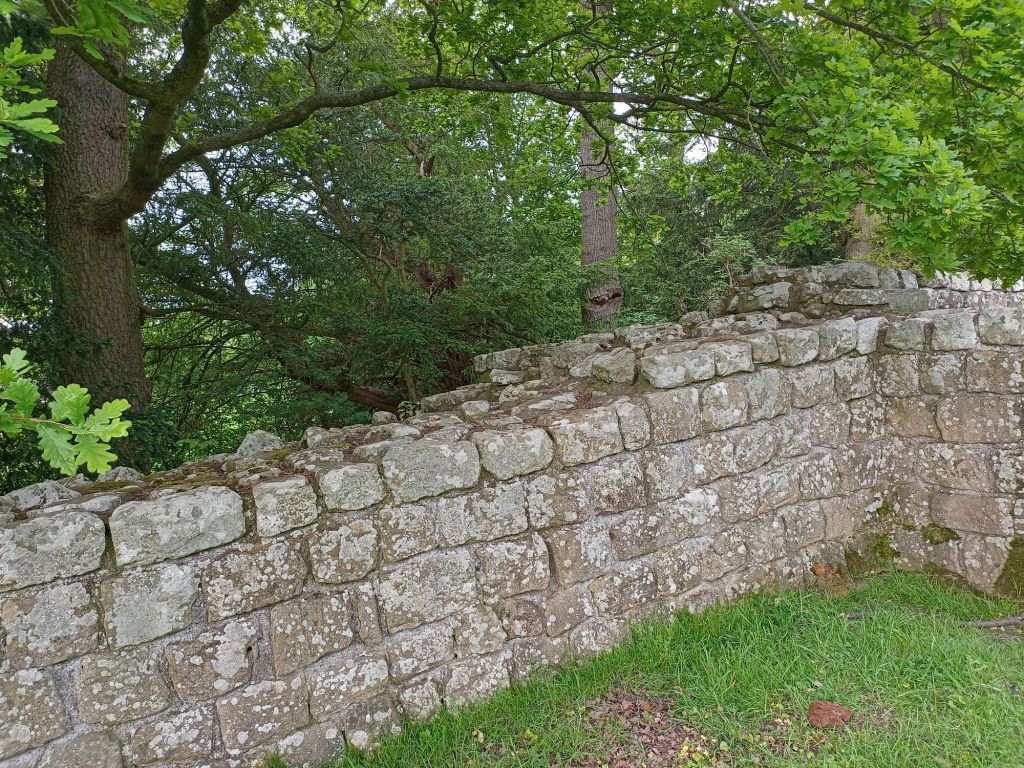
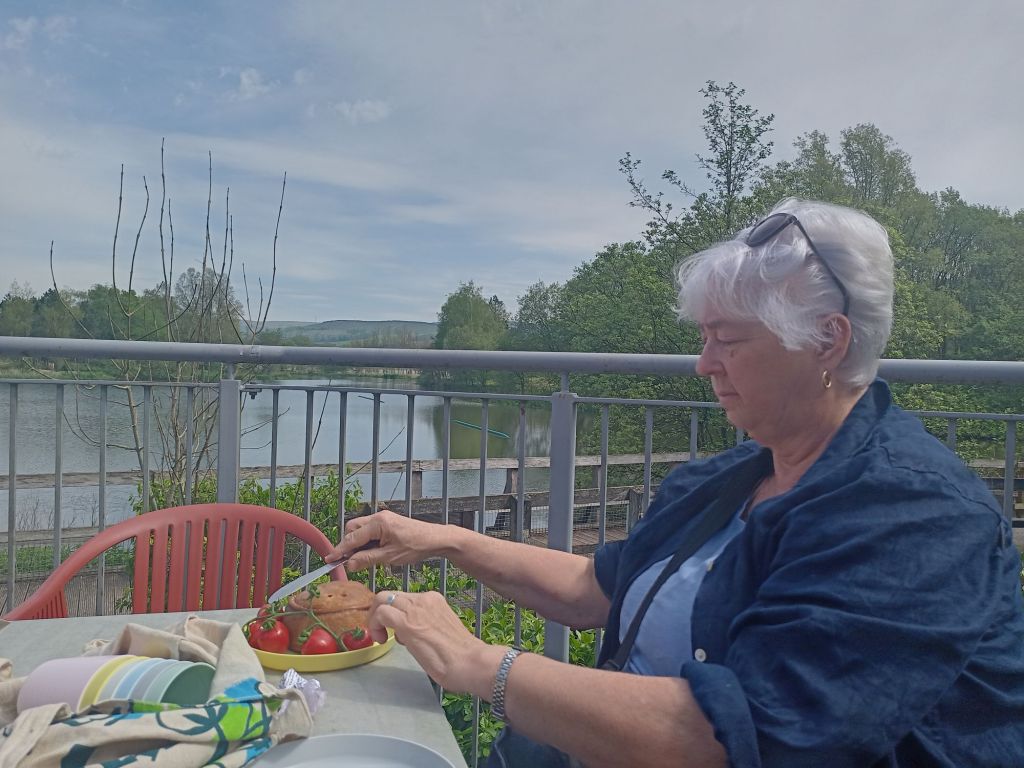
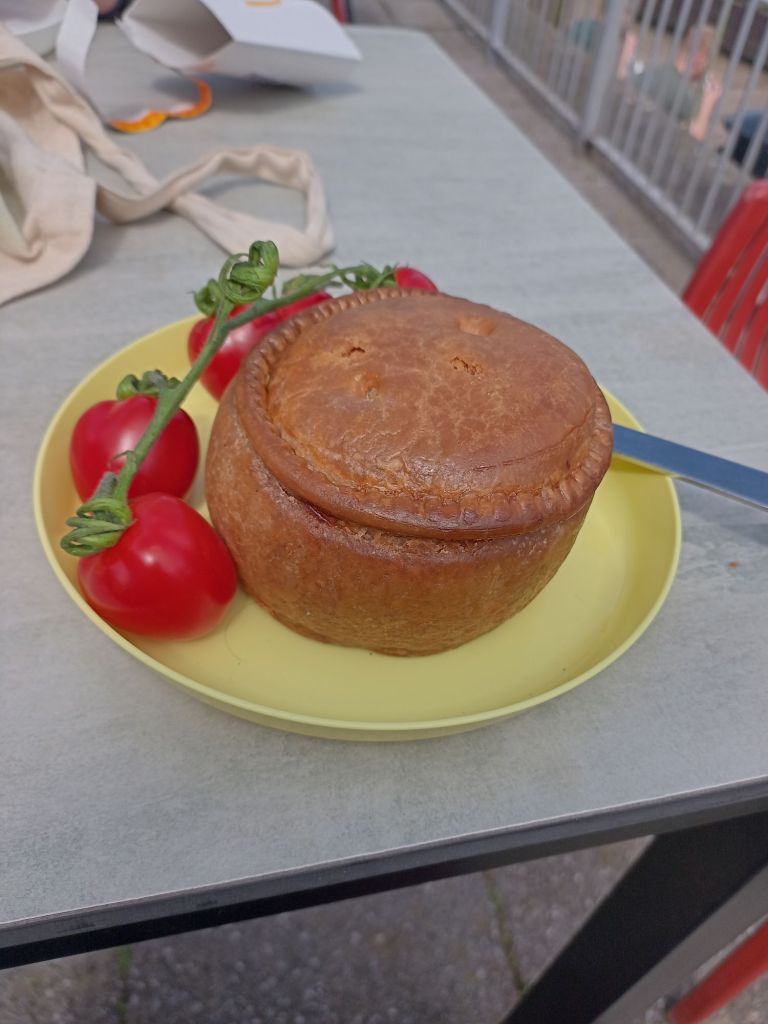
Highlights included: Blanchland – a village developed in the 18th century from a ruined medieval abbey; a bakery in Leyburn which had lovely pork pies and Yorkshire curd tarts; and a small part of Hadrian’s Wall.
Yorkshire curd tart from bakery in Leyburn
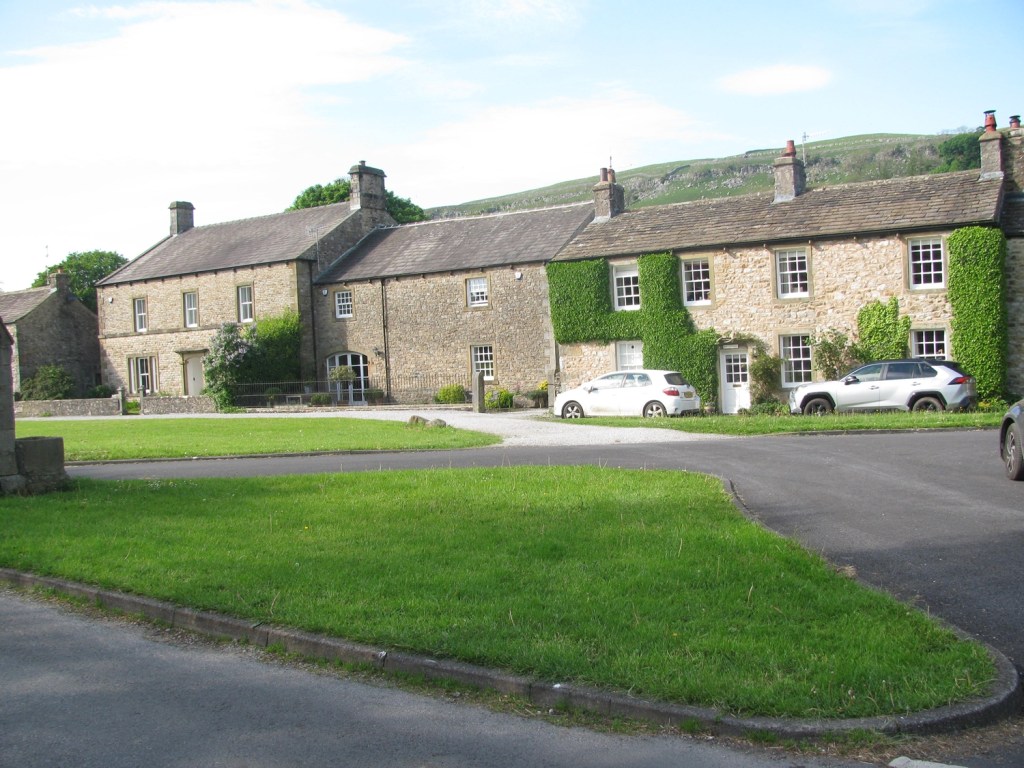
Reeth, Swaledale
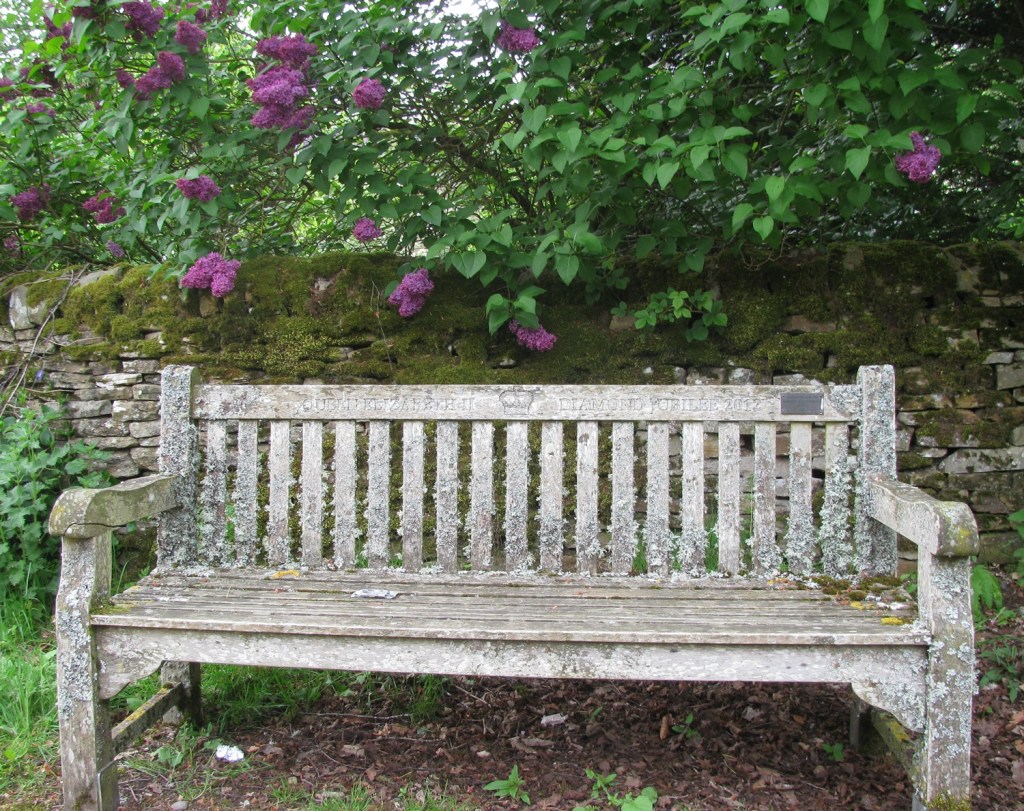
Queen Elizabeth II Silver Jubilee seat under a lilac tree
Yorkshire: Day 1 – Flintshire Coast, Pennines, Oakworth
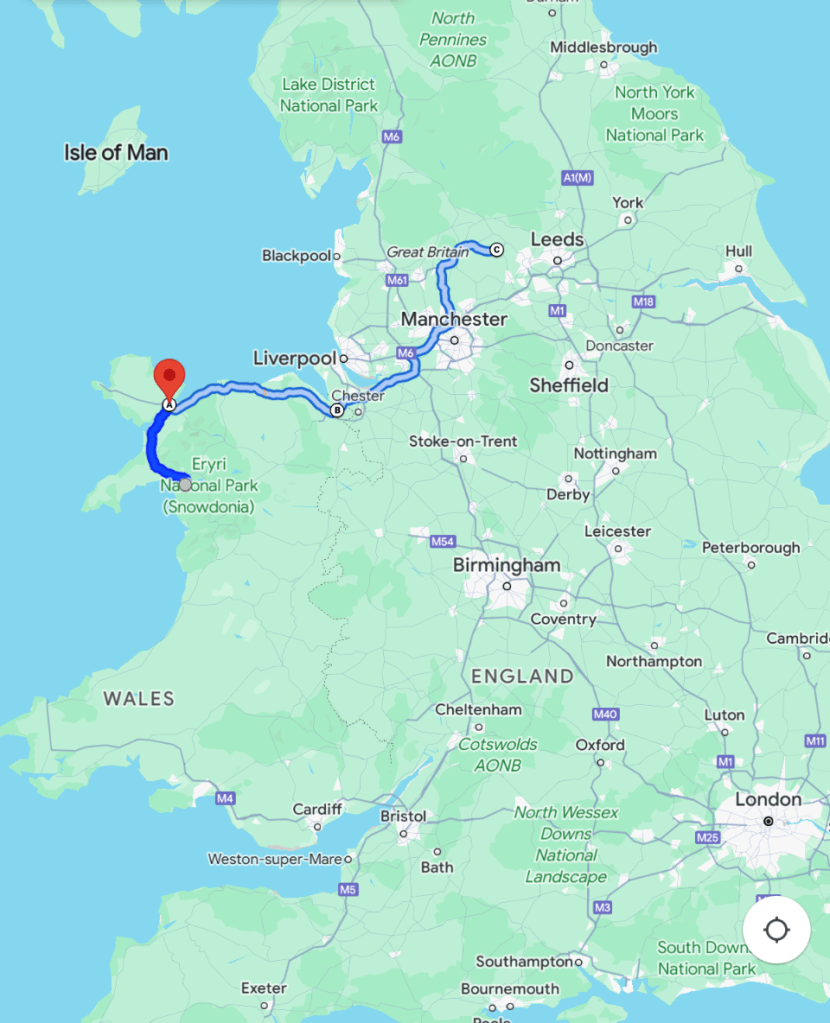
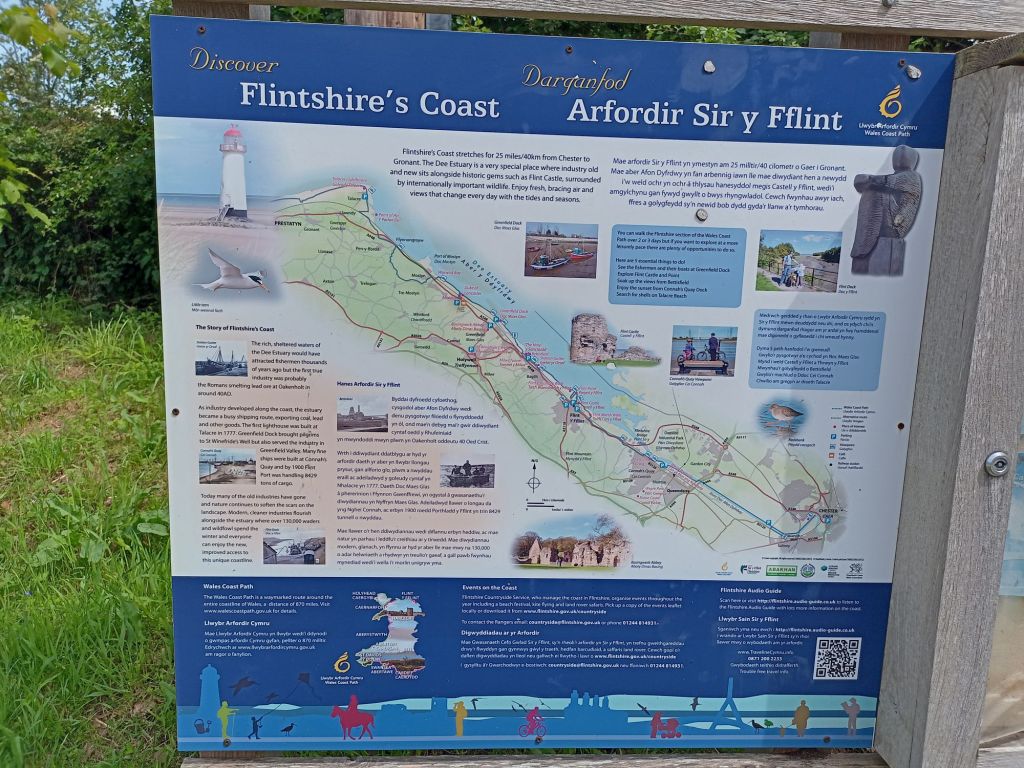
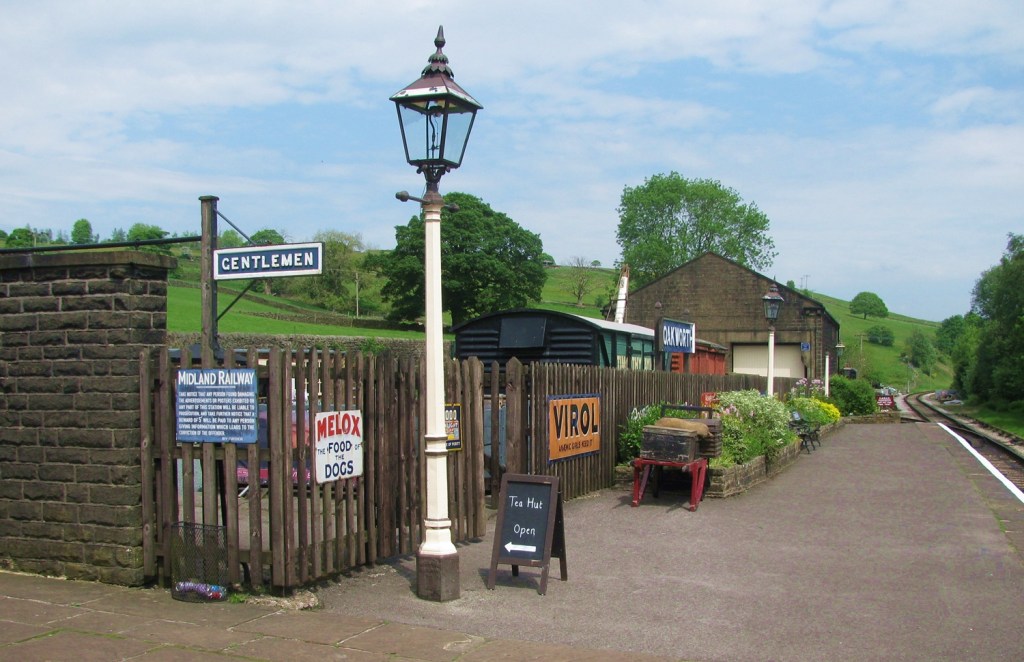
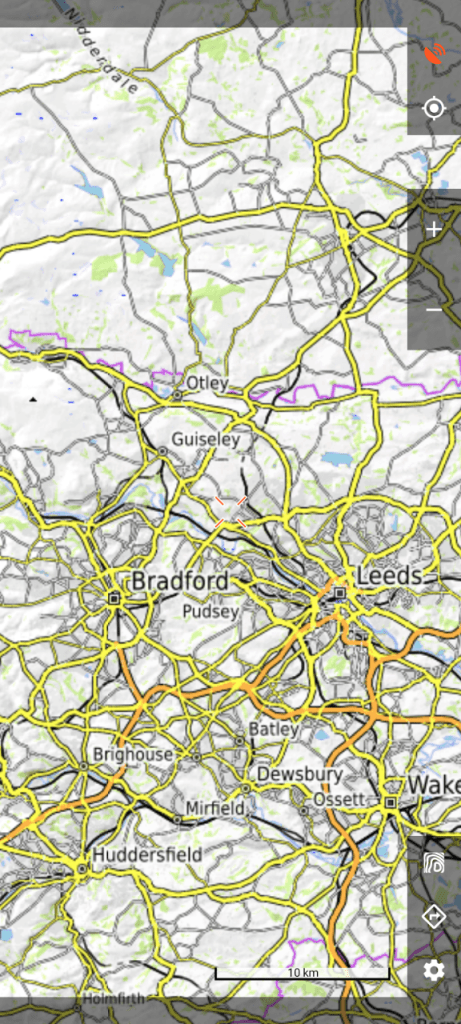
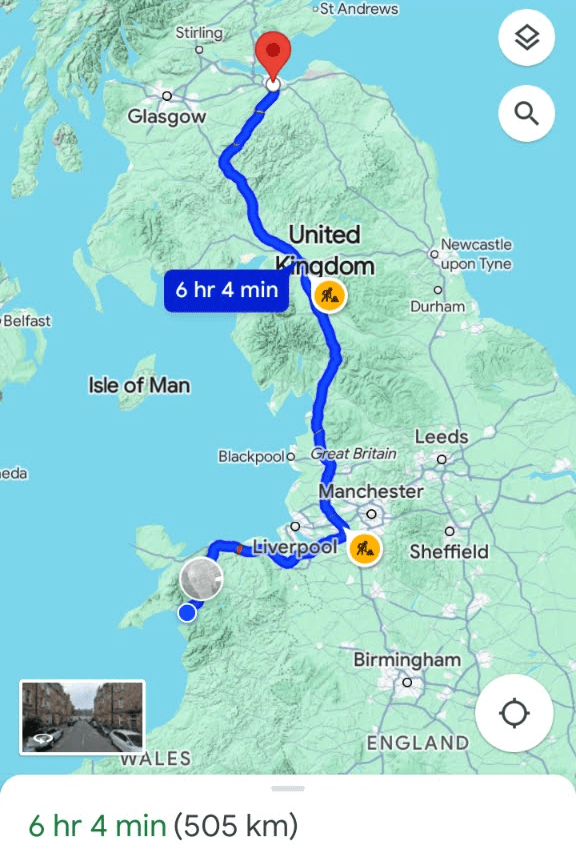
Today E drove us from Soar, North Wales, where we had been staying for the last week, via Snowdonia (again), north-east (Flintshire) coast of Wales, Lancashire and over the Pennines, to ‘Lavender Cottage’, an AirBnB property in Oakworth, a village near Keighley, in the West Riding of Yorkshire. Oakworth is just over a mile from Haworth, home of the famous Brontë family of authors.
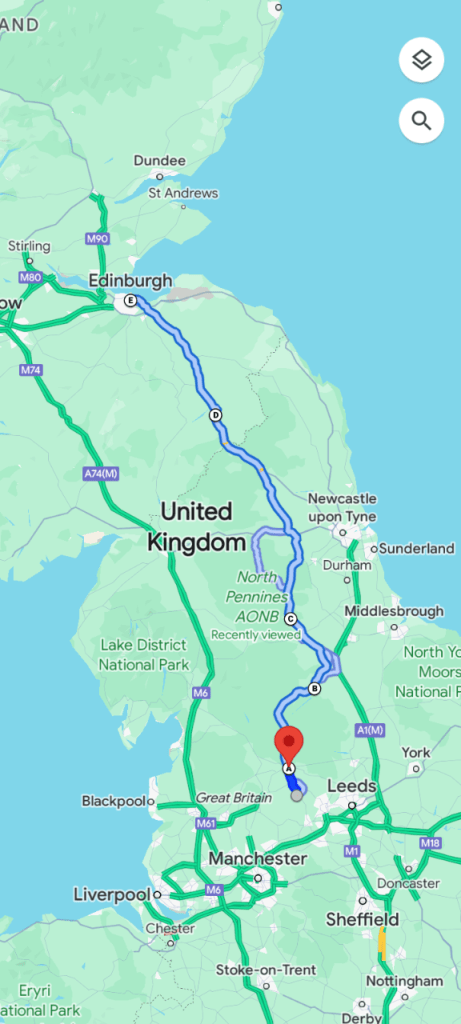
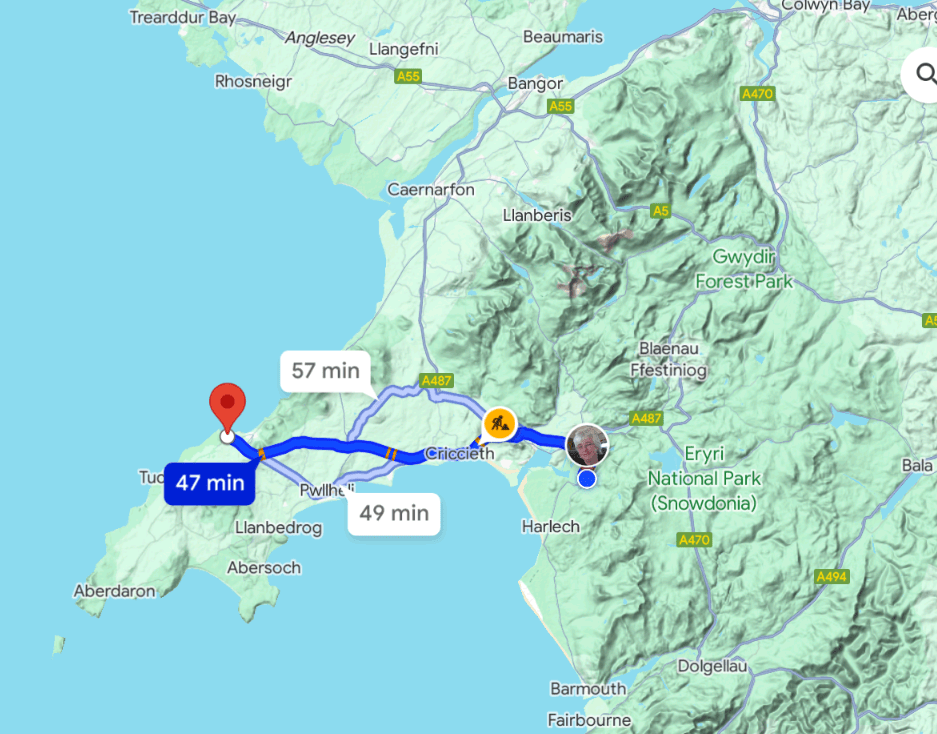
Our route from Soar to Oakworth
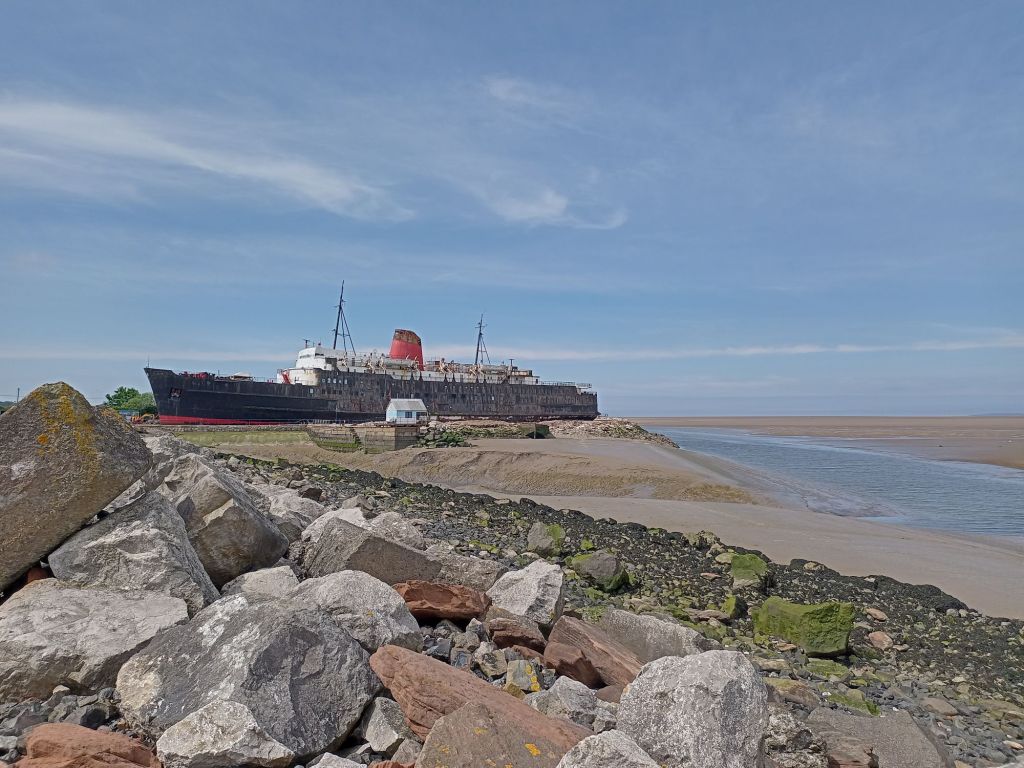
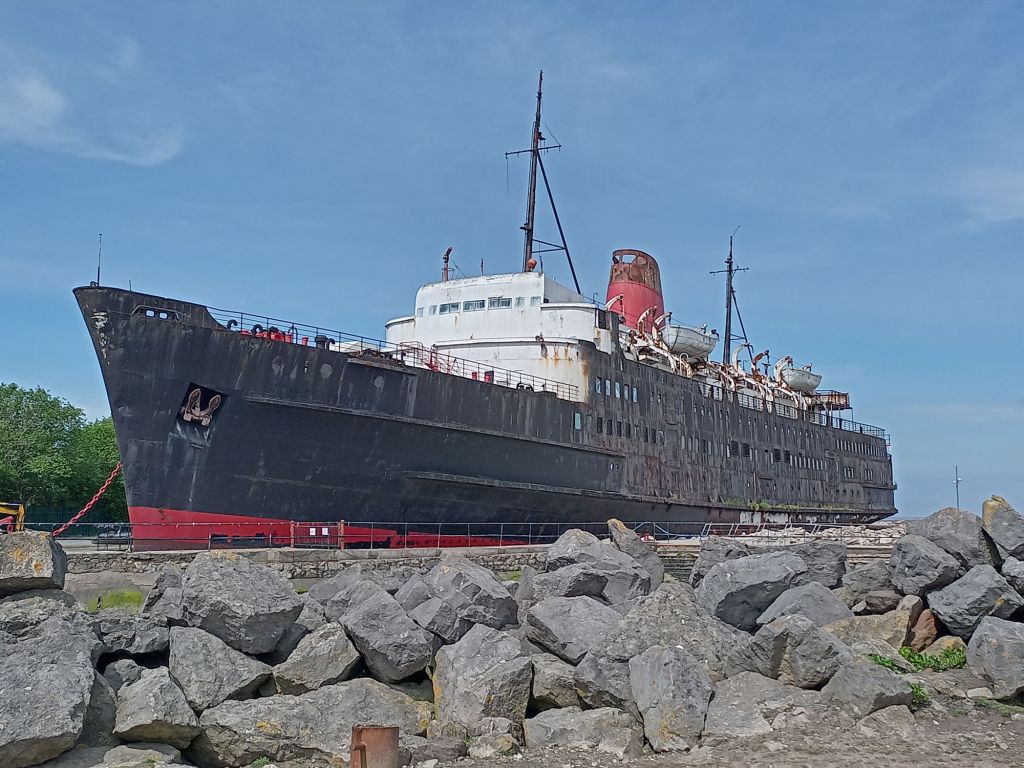
The Duke of Lancaster ship, berthed at Llanerch-y-Mor on the Flintshire coast next to the River Dee. Launched in 1955, the ship was a former British Railways passenger steamer and cruise ship that went to various Northern European countries, Spain and the Scottish Islands. It was later converted to a passenger and car ferry, but went out of service in the 1970s. There were attempts to make it an entertainment venue and an outdoor art gallery, but the ship is now abandoned.
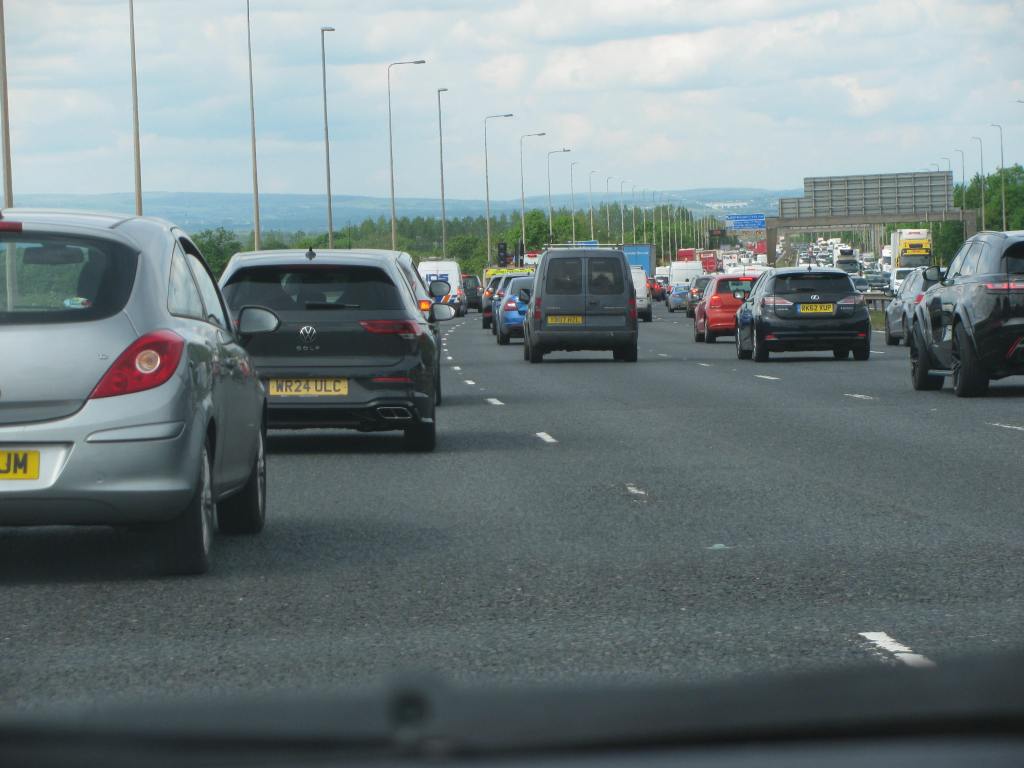
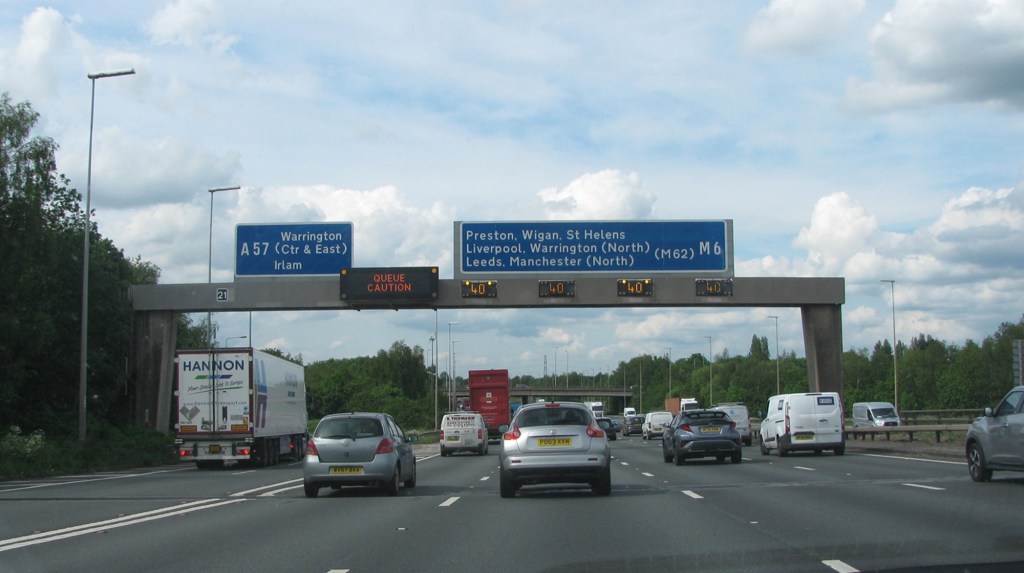
M6 motorway traffic heading north through Lancashire
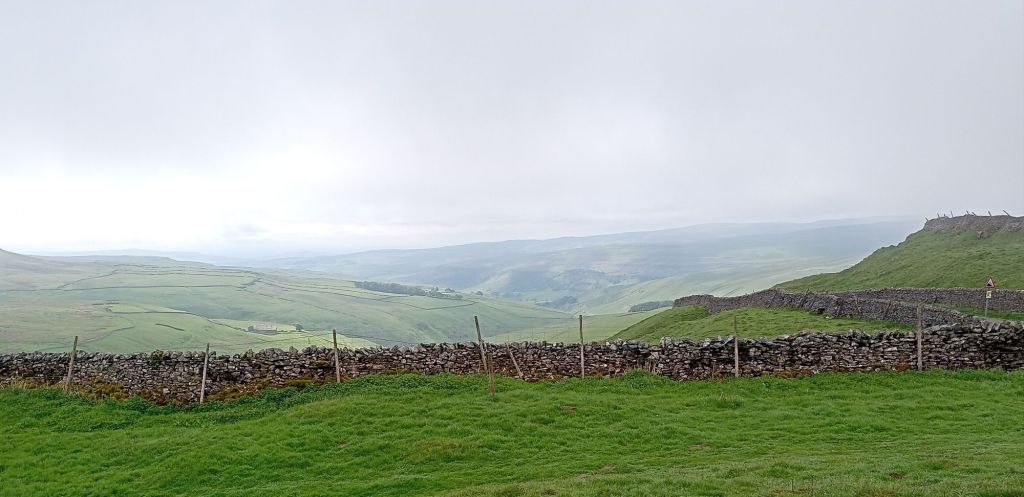
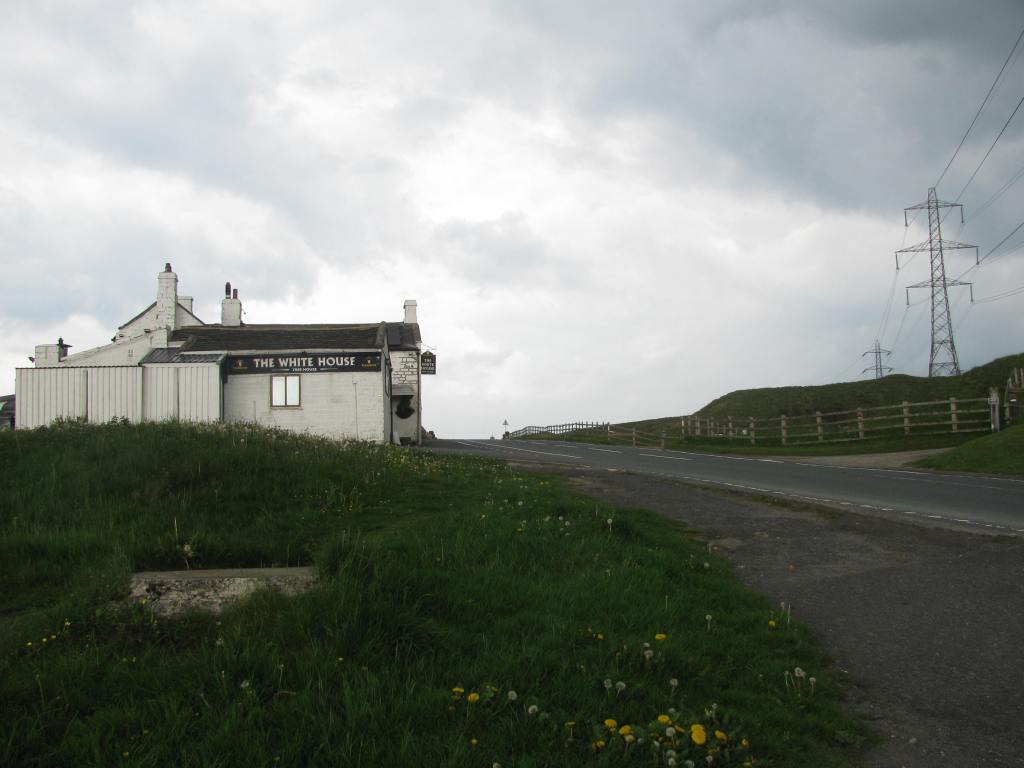
Top of the Pennines between Lancashire and Yorkshire
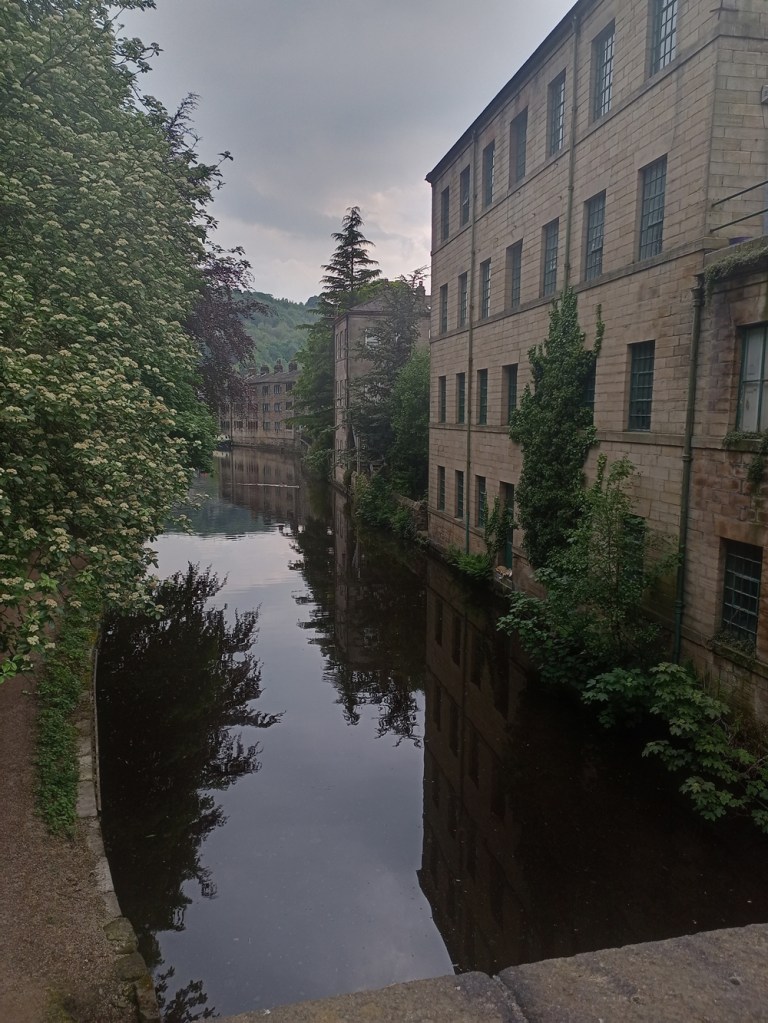
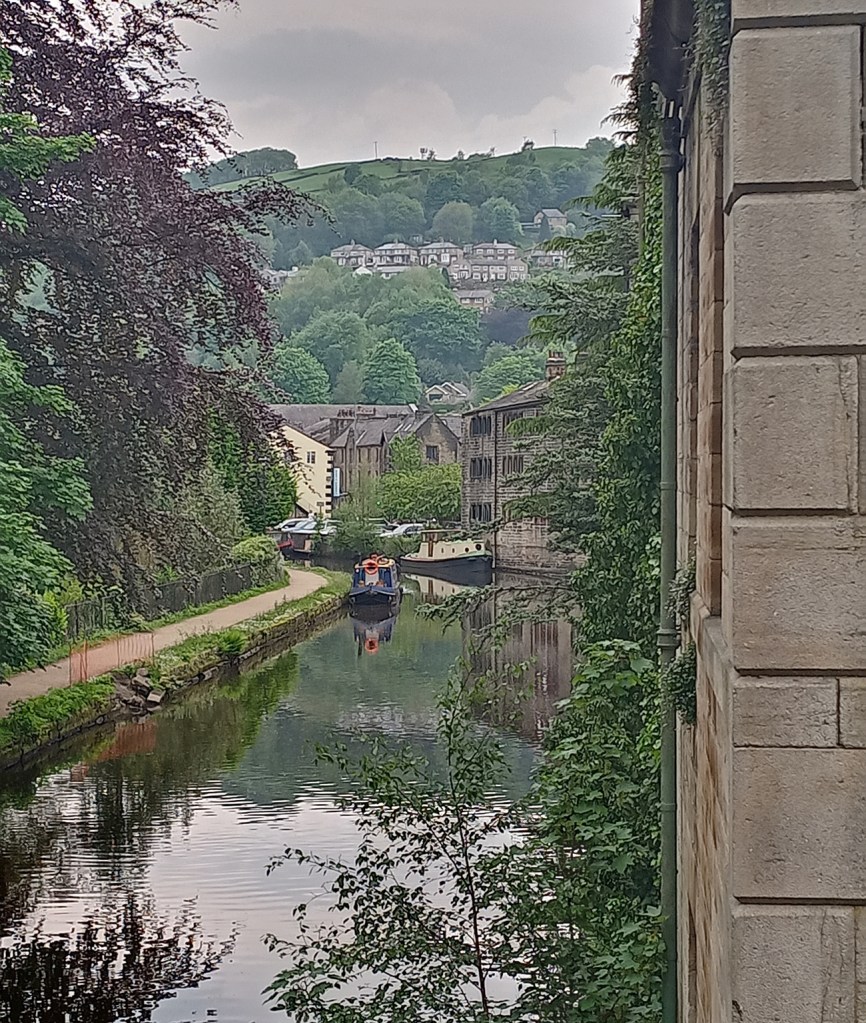
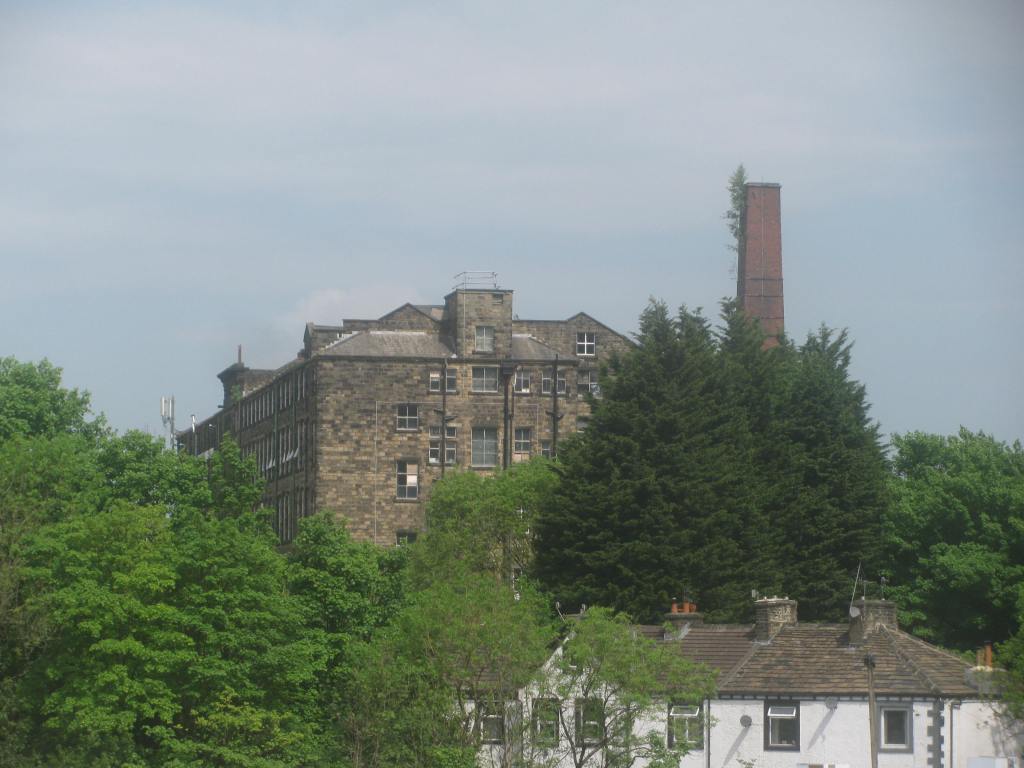
Hebden Bridge
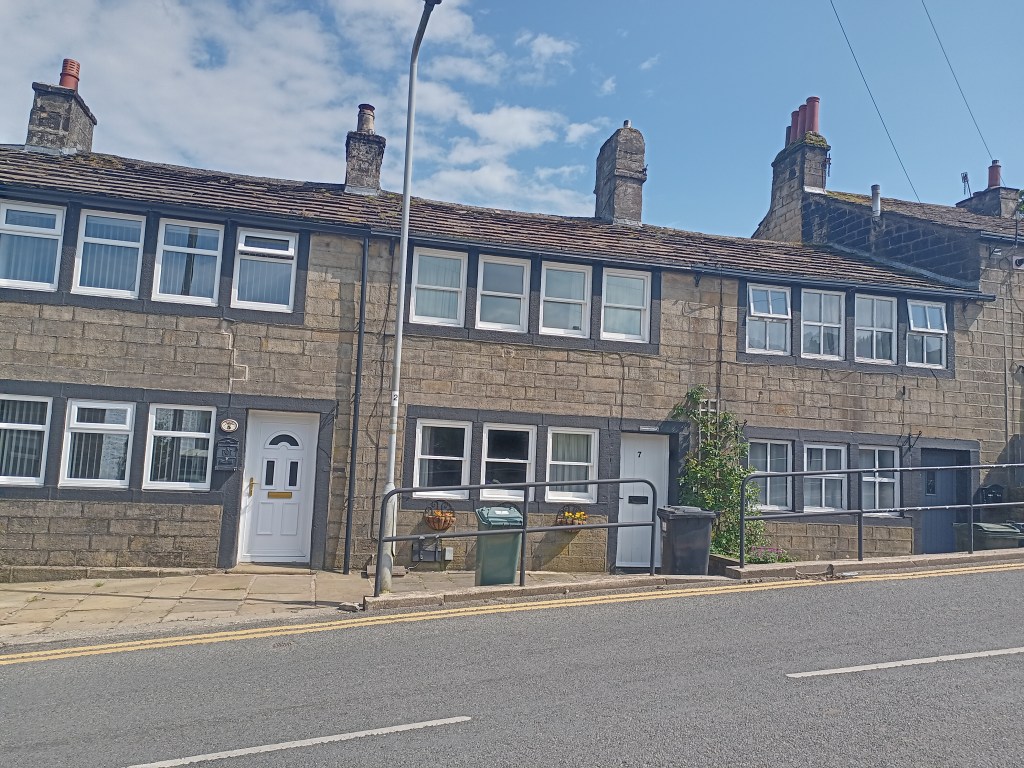
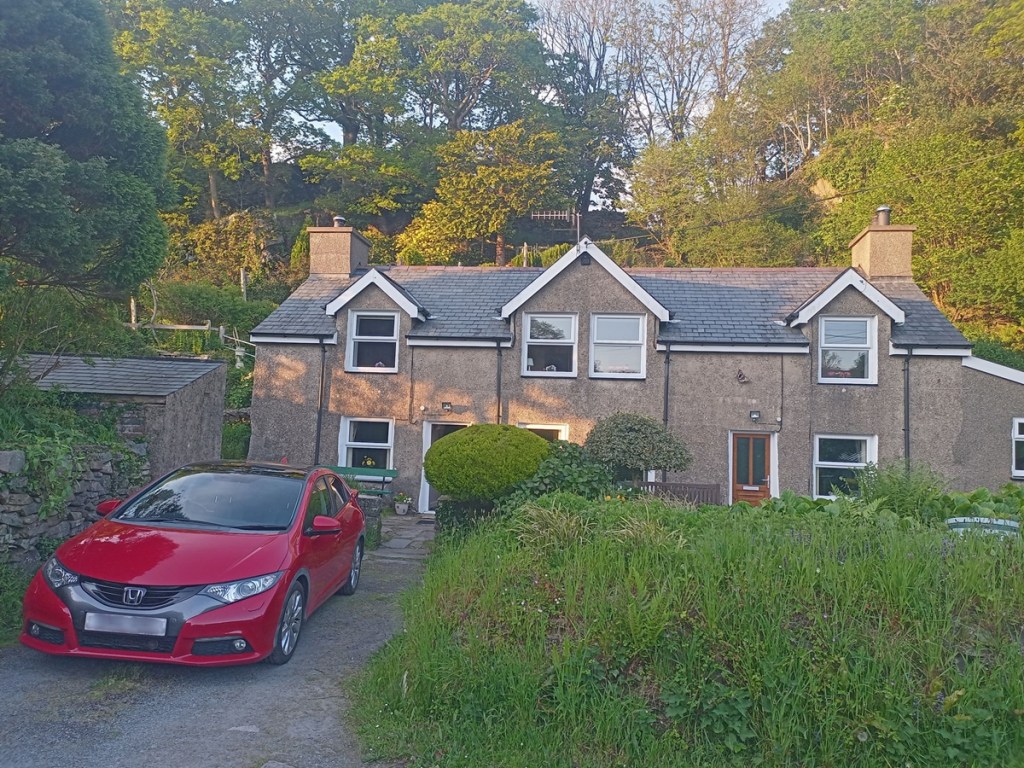
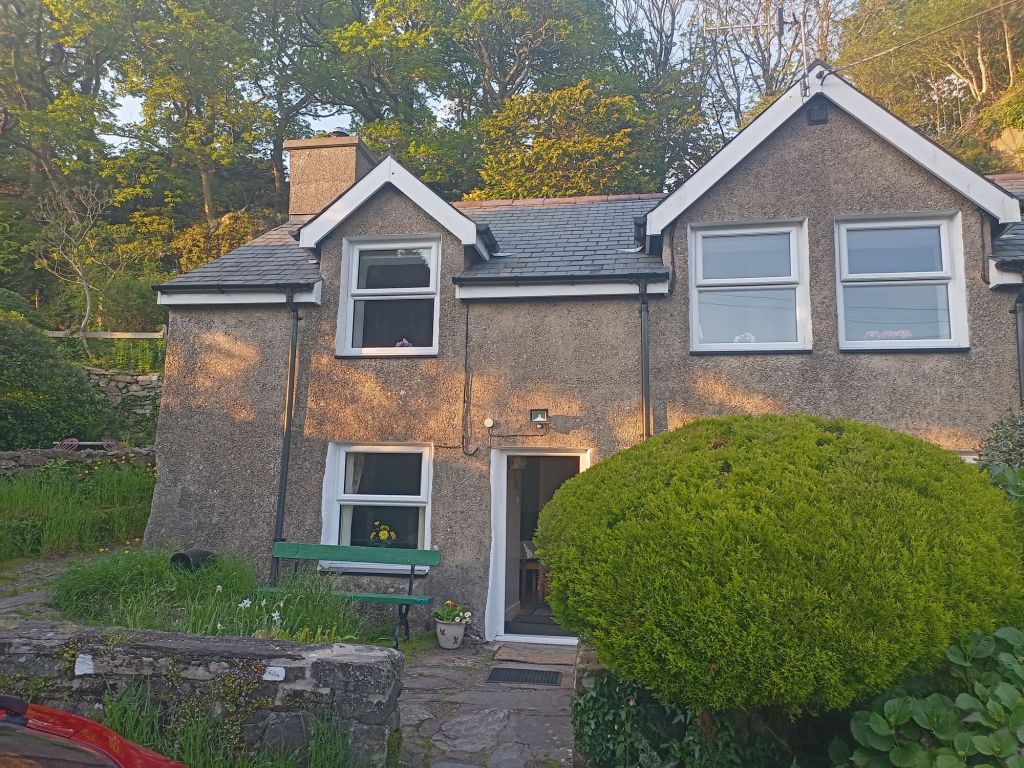
Lavender Cottage, Oakworth (centre house on photo), is a Grade II listed property, formerly a weavers’ cottage. Historically, the large light and airy front bedroom upstairs accommodated looms, and the generous four windows enabled the weavers to see their work.
Yorkshire: Day 2 – KWVR steam trains, Leeds
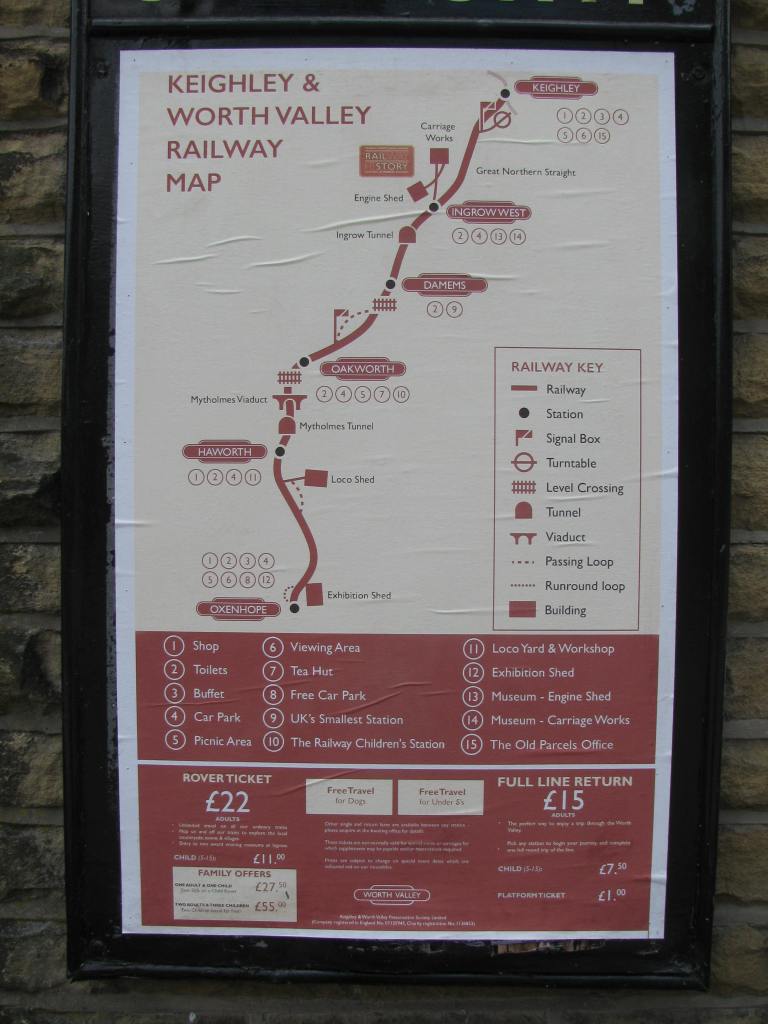
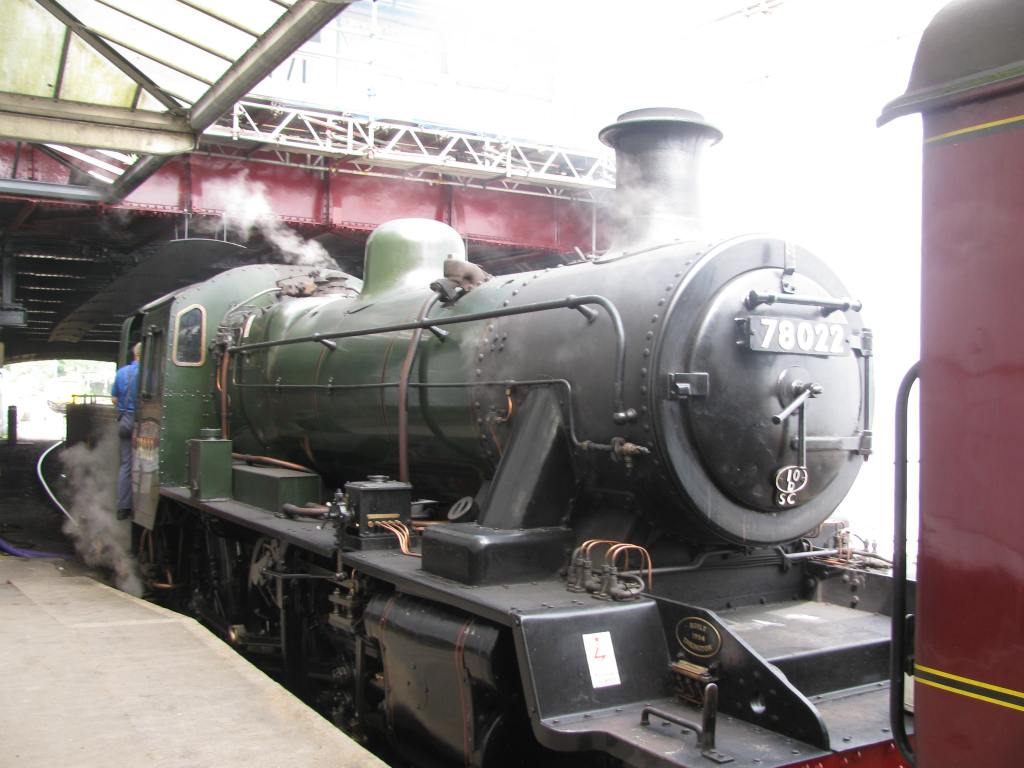
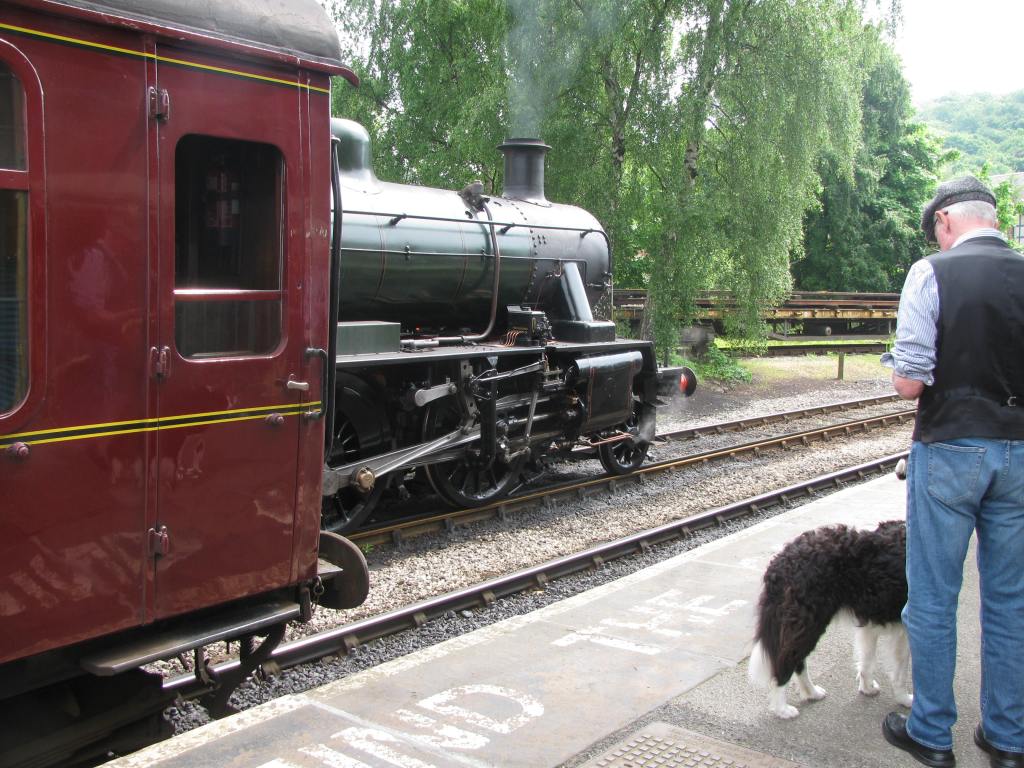
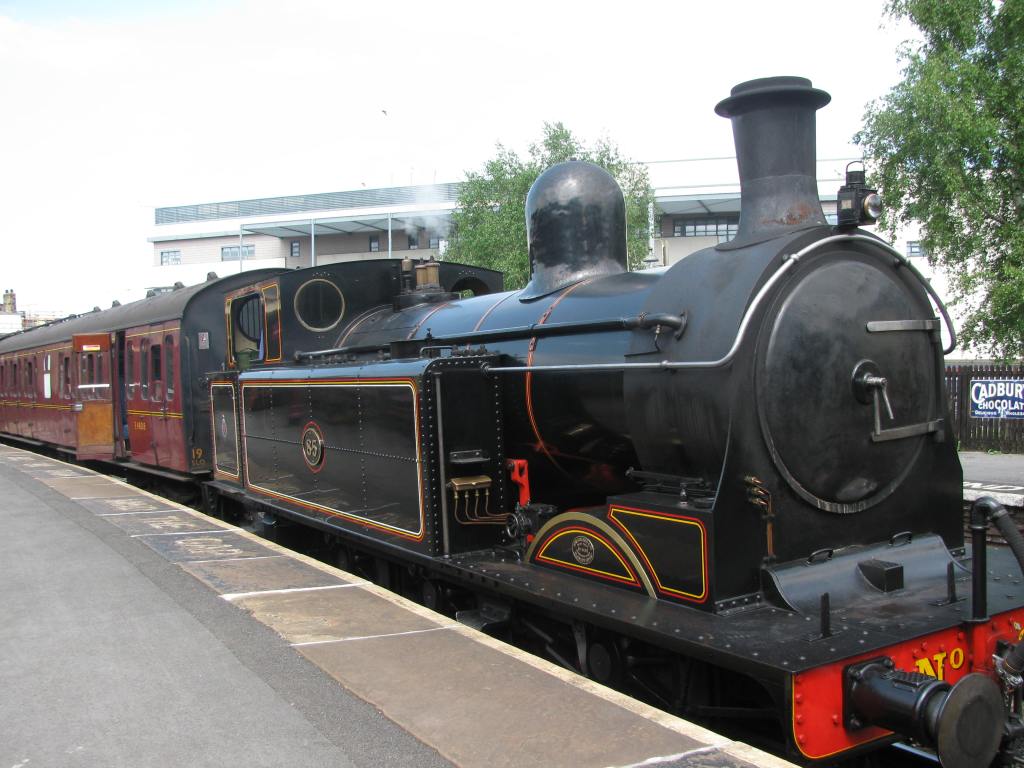
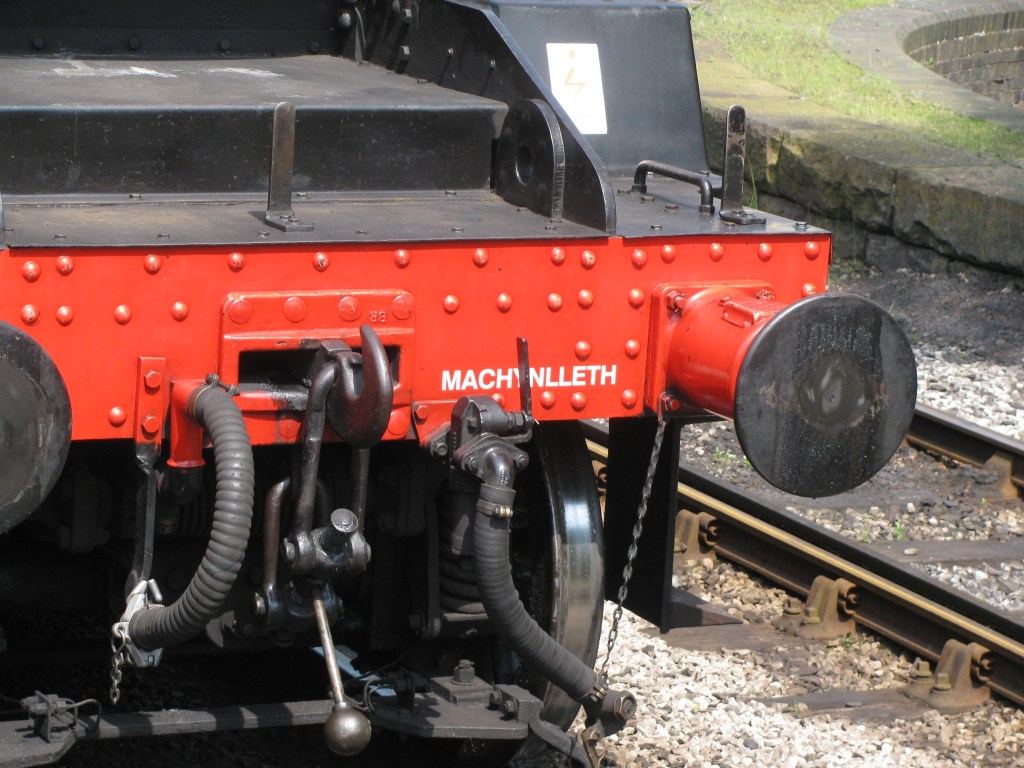
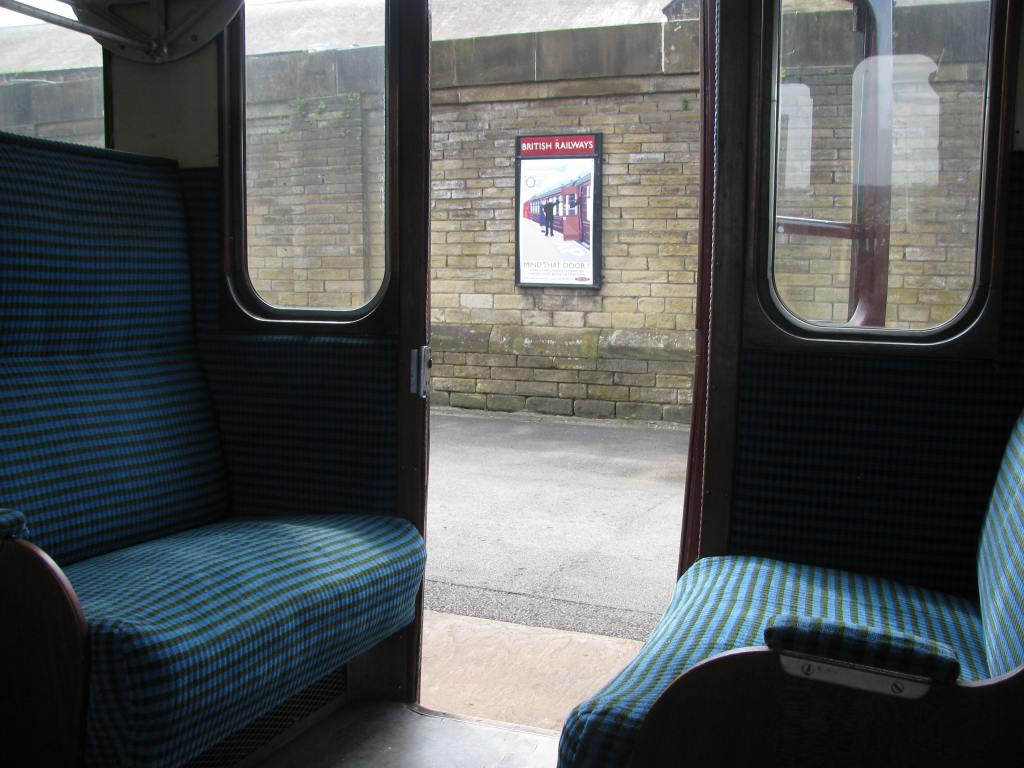
The day started with a short drive from Oakworth to the railway station at Oxenhope. Here the three of us boarded the Keighley and Worth Valley Railway, a unique 5-mile heritage branch line. Interestingly, two of the steam locomotives we travelled on originally came from North Wales – with one being based in Machynlleth (see North Wales: Day 5).
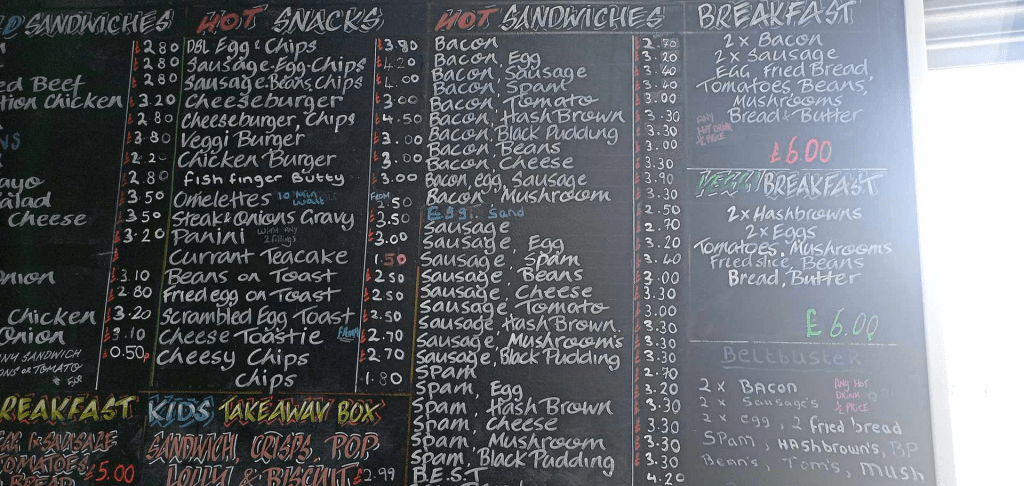
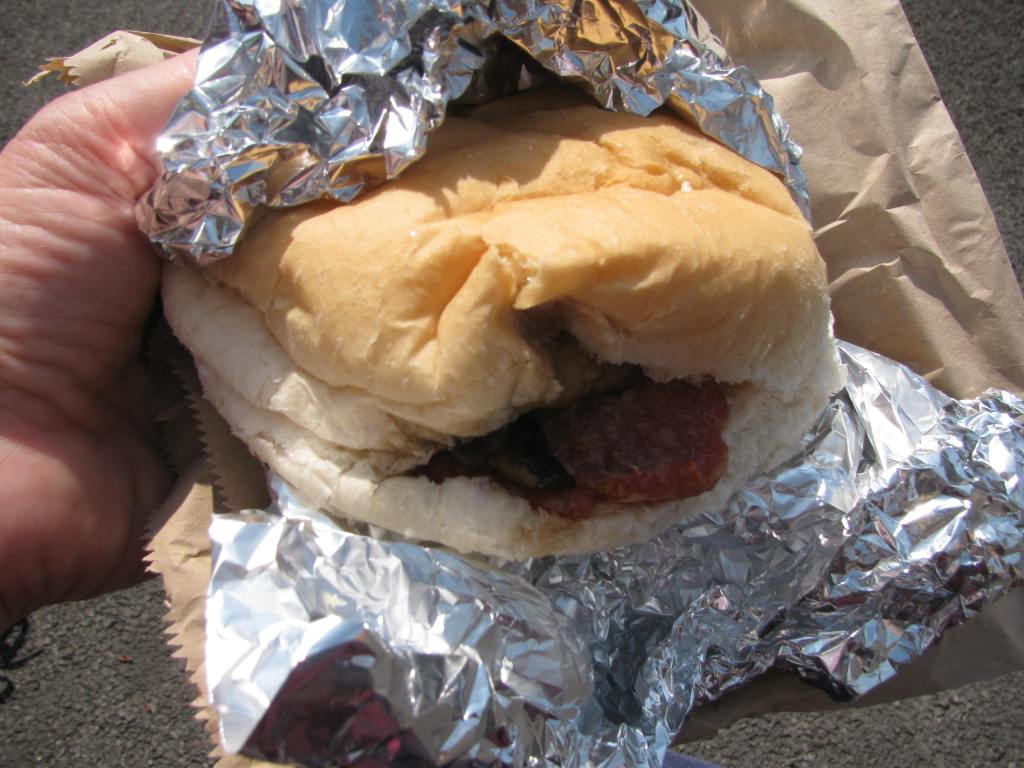
On arrival at Keighley Railway Station, it was thought necessary to sample some of the local culinary delights, in this instance the famous ‘hot sandwich’. You could have any kind of meat filling you wanted as long as it was bacon, sausage or spam.
The café lady described the hot-sandwich buns as ‘teacakes’, which was interesting as other ‘teacakes’ we had in the UK were slightly spiced white buns with sultanas or raisins (very nice toasted), and yet other ‘teacakes’ were similar to NZ Mallowpuffs, but with a slightly thicker chocolate coating and gooier marshmallow.
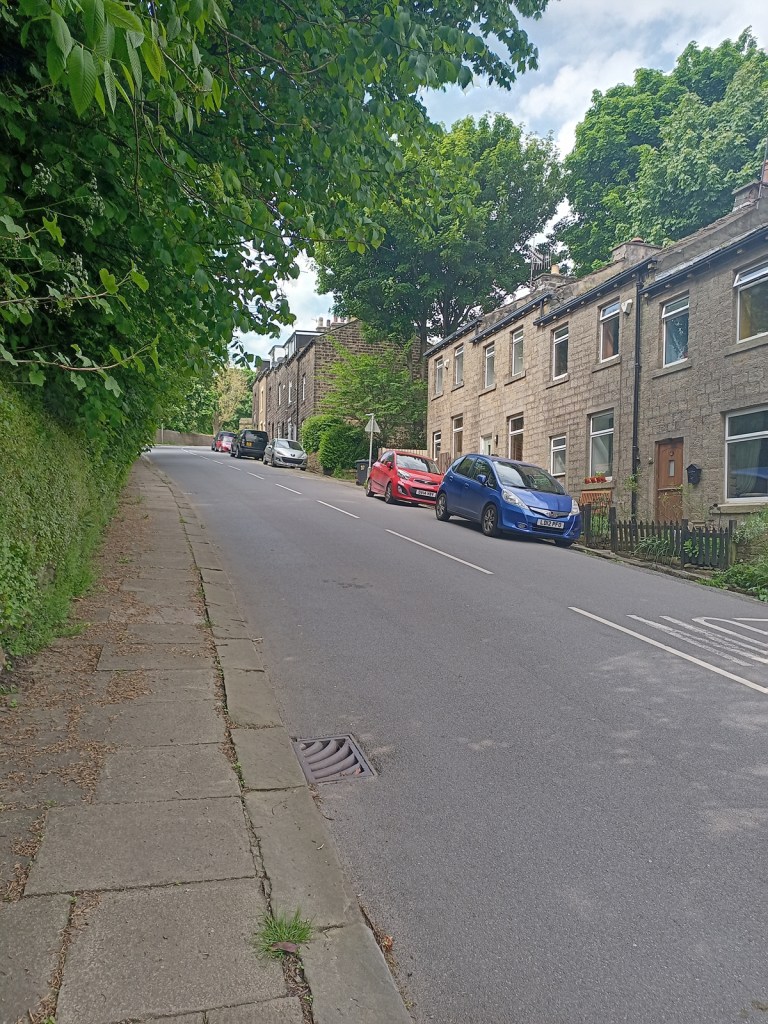
After lunch, Caroline returned to Oakworth by steam train and walked from the station up the long hill back to Lavender Cottage for a restful afternoon…
Caroline’s steam train back to Oakworth
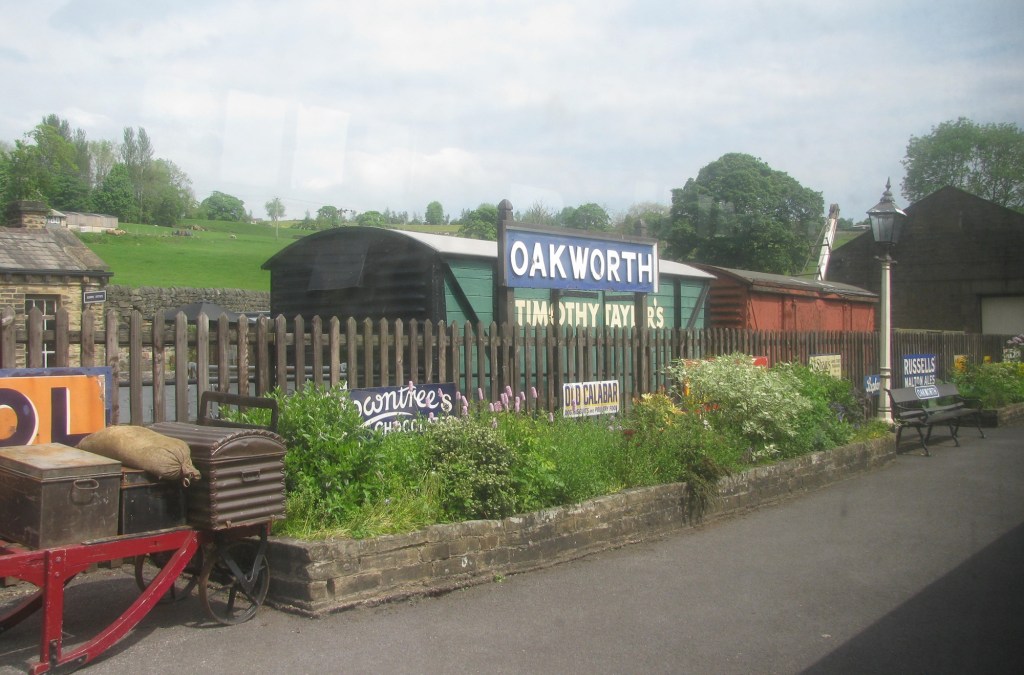
Oakworth Station – has many original features and objects. It is where the 1970 film The Railway Children was filmed
The waiting room
Ladies’ toilet – note the brand name on the cistern
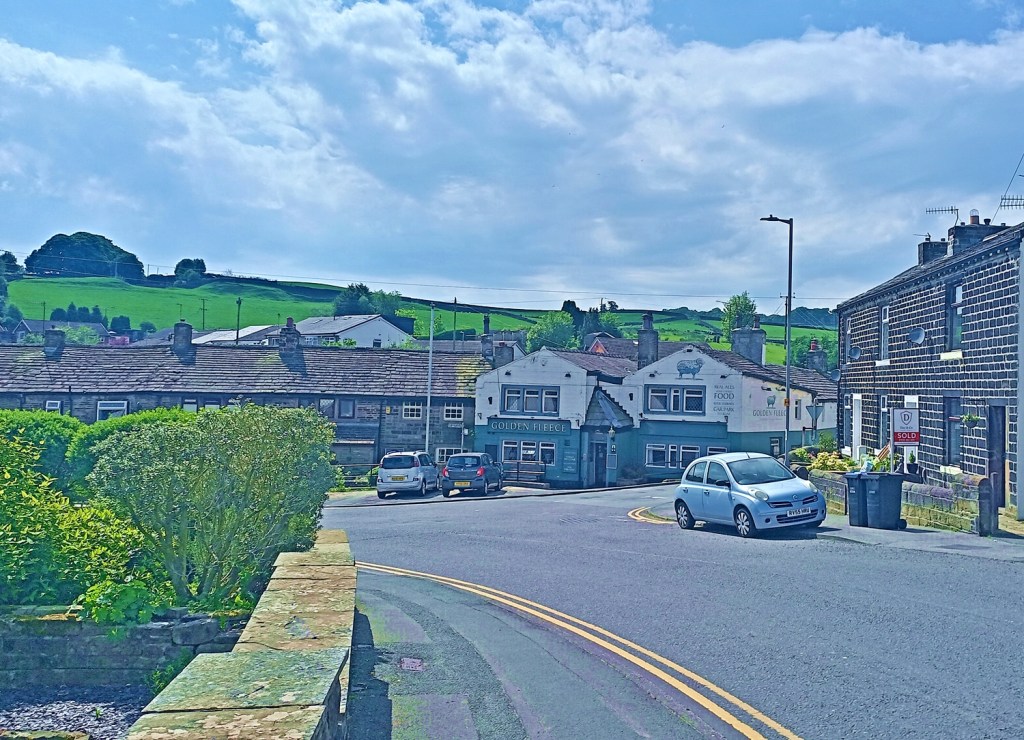
Oakworth hillOakworth village
Meanwhile… Ian and E used standard railway services to spend the rest of the day travellng to, and sight-seeing within, the cities of Bradford and Leeds.
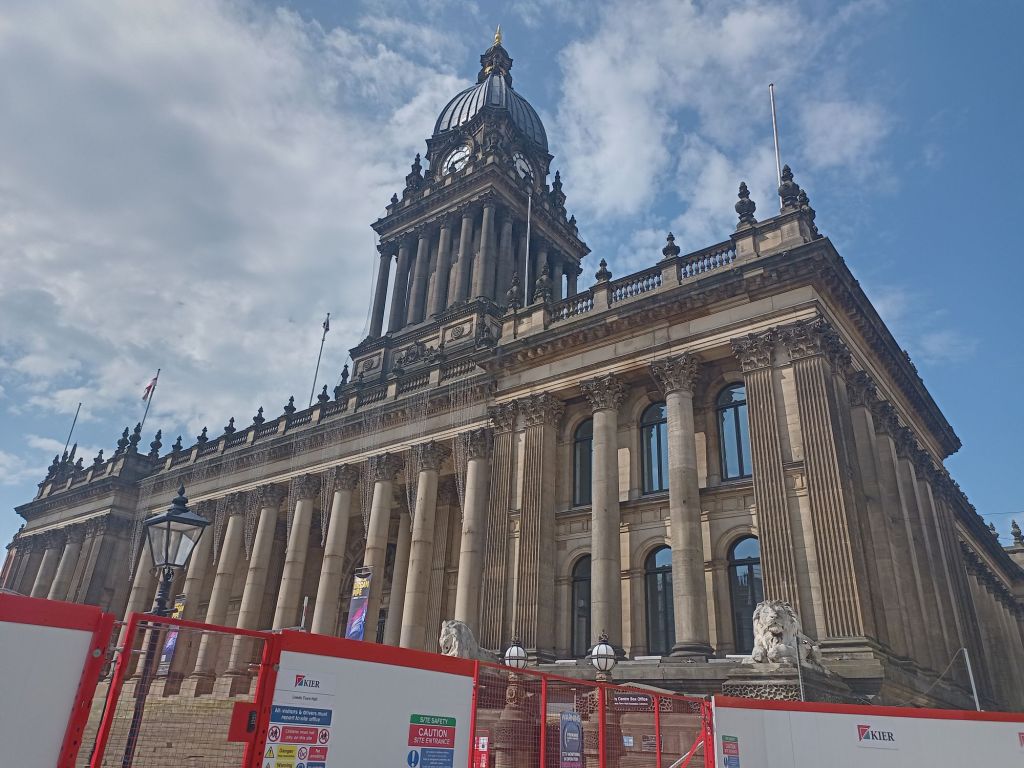
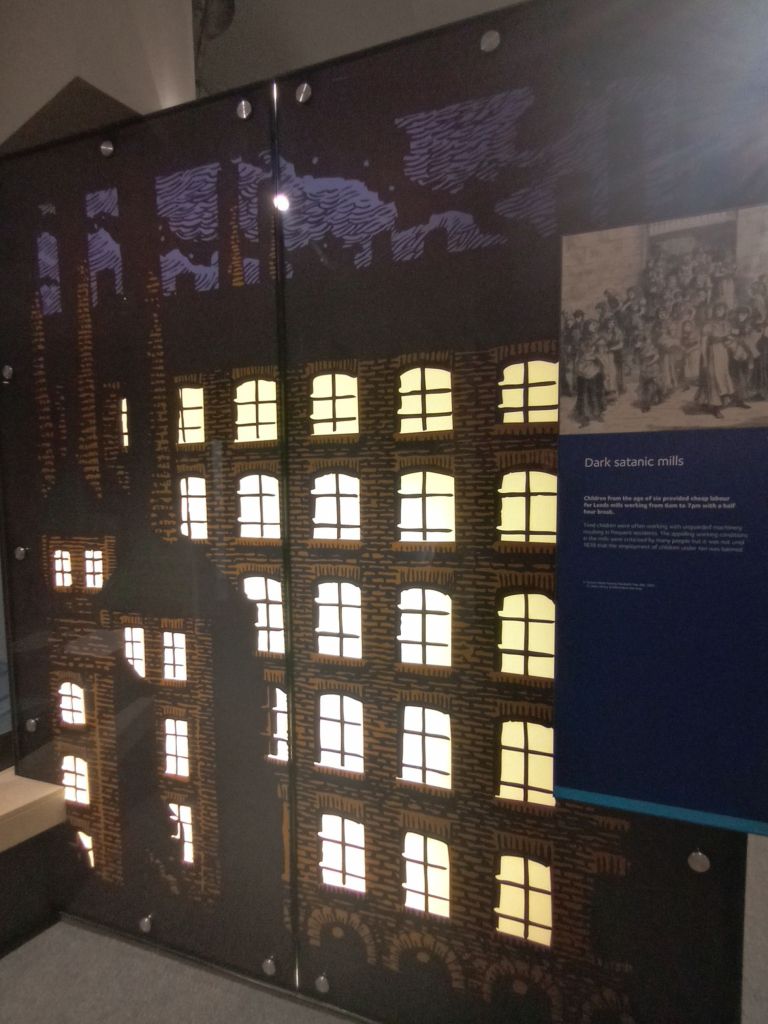
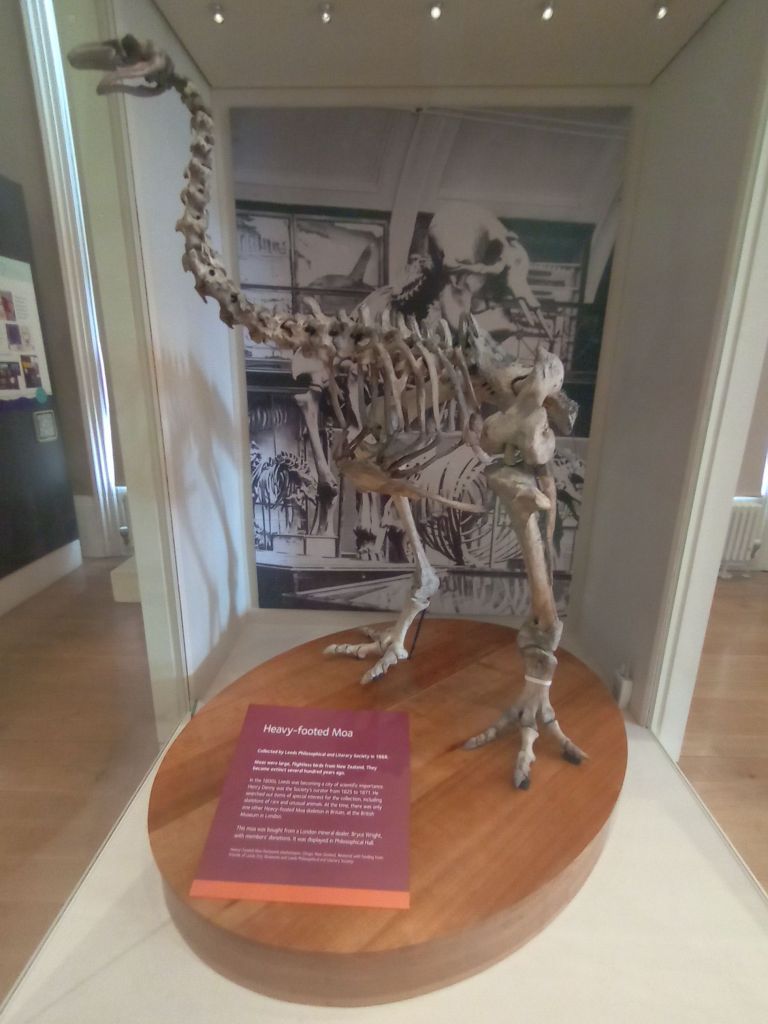
The Town Hall in LeedsLeeds MuseumSkeleton of a Moa displayed in the Leeds Museum, apparently originally sourced from Otago, N.Z.
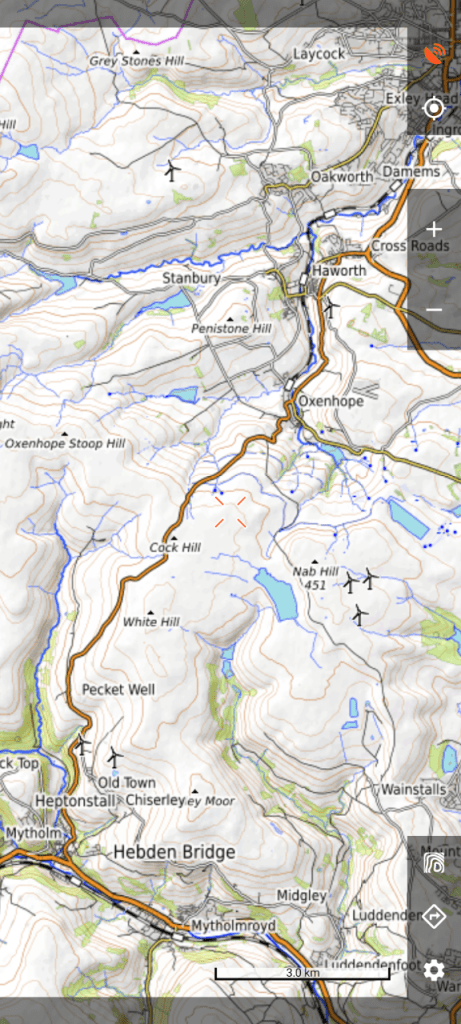
Disembarking from the return train from Leeds at Hebden Bridge Railway Station, E and Ian then took the Brontë Bus back to Oxenhope to pick up the car.
During the bus journey from Hebden Bridge to Oxenhope, a ‘gang’ of middle-aged Yorkshire couples boarded the bus. They had been partying together and as the bus motored through the dramatic moorland beyond Pecket Well, they conversed loudly with one another on all manner of subjects, pulling each others legs and vehemently disagreeing on most things, although in the end unanimous that they were all blessed to live in Yorkshire.
North Wales: Day 6 – Criccieth, Borth-y-Gest, cawl
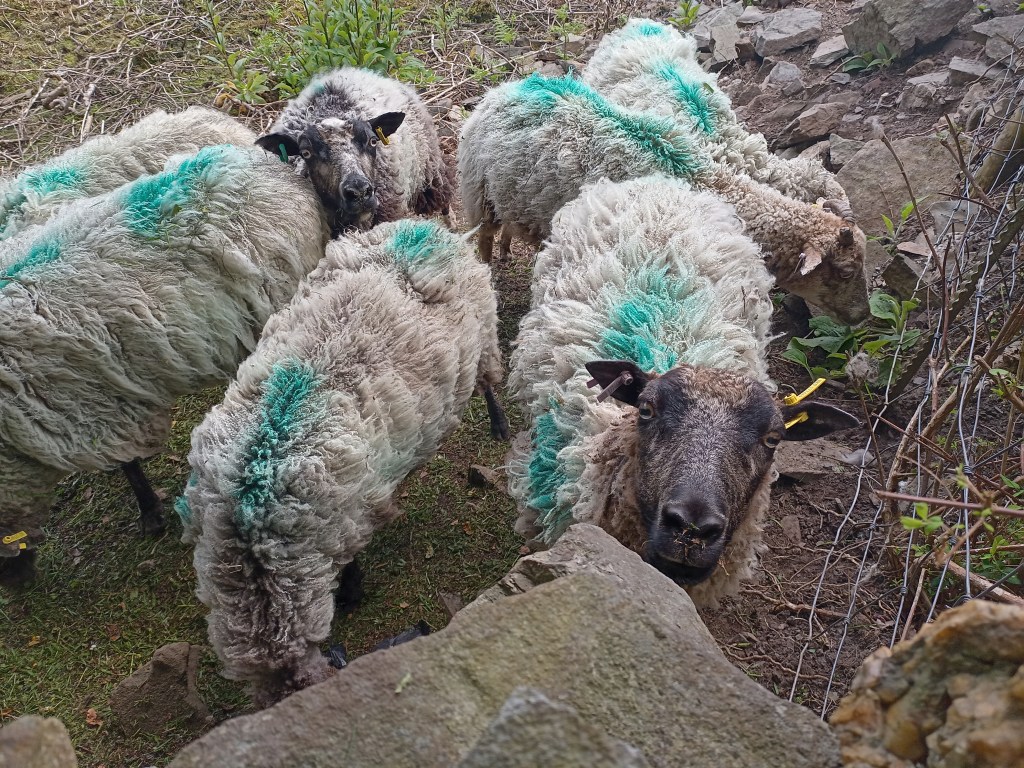
Apart from saying hello to the sheep in the paddock next to our cottage, we spent the morning resting and doing some administration – including booking our accommodation in Yorkshire.
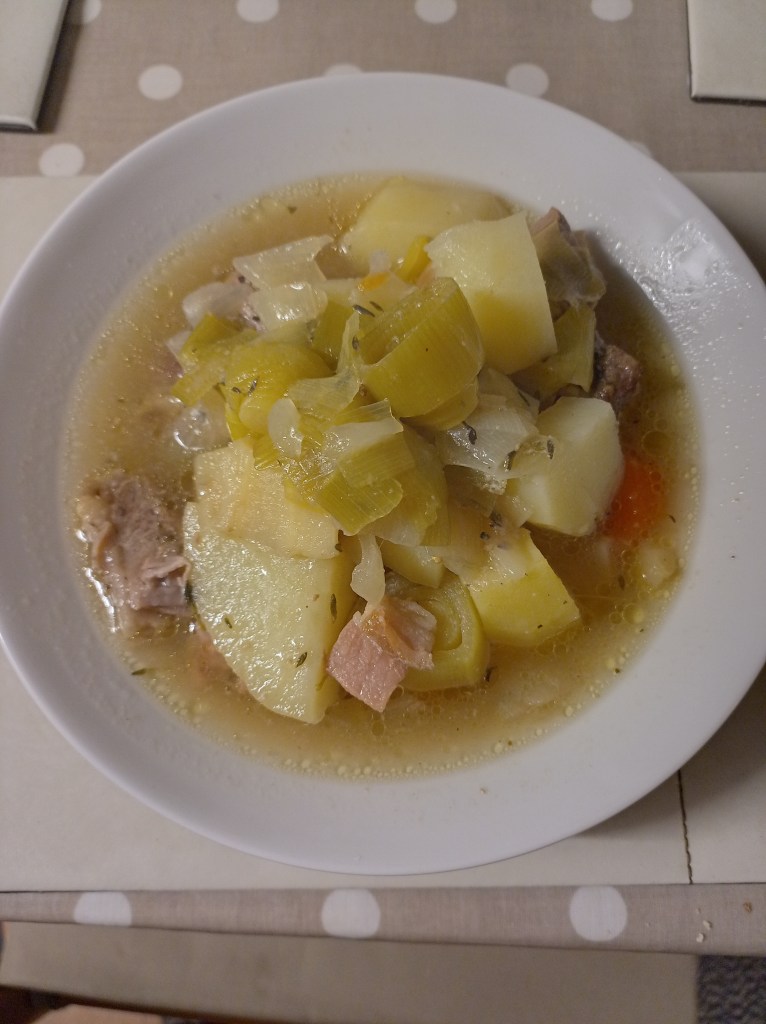
In the afternoon, we went in search of some real Welsh lamb to make some local traditional ‘cawl’ (soup / casserole). This wasn’t particularly easy to find as butchers tend to close when they’ve done enough trade for the day, and supermarkets only have ‘British’ lamb – country not specified. First we tried in Porthmadog, to no avail, then in Criccieth where we persuaded a reluctant butcher to sell us some Welsh lamb steaks. He definitely disapproved of the transaction – maybe thought steaks were too good for the purpose, but they were pretty delicious…
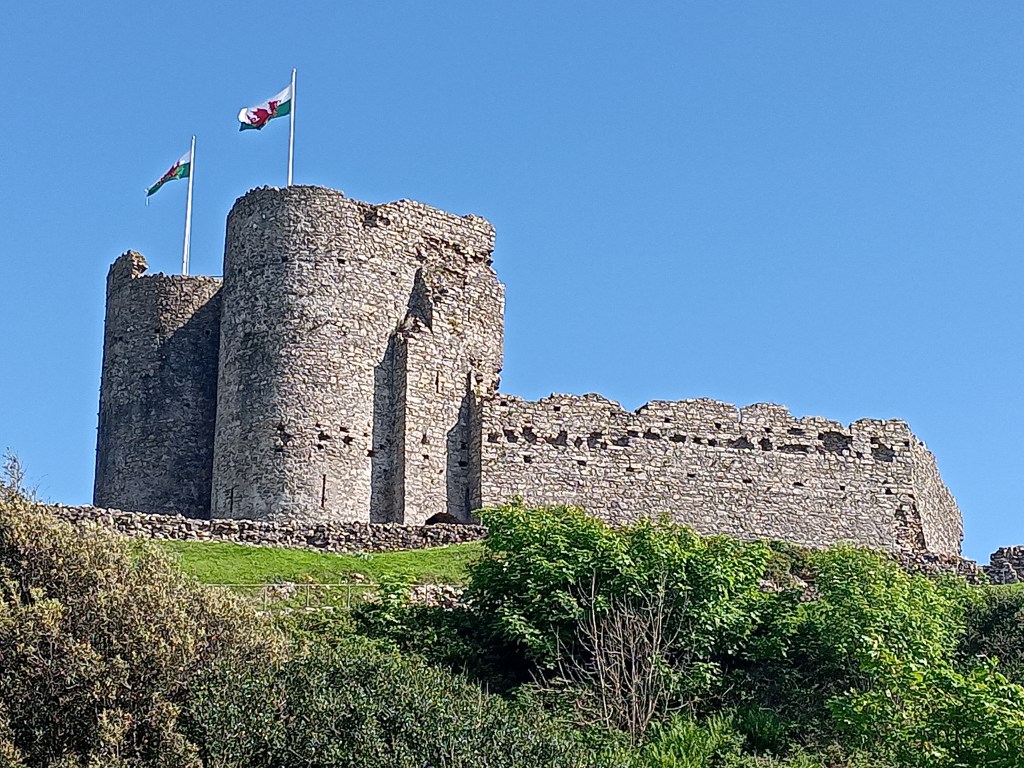
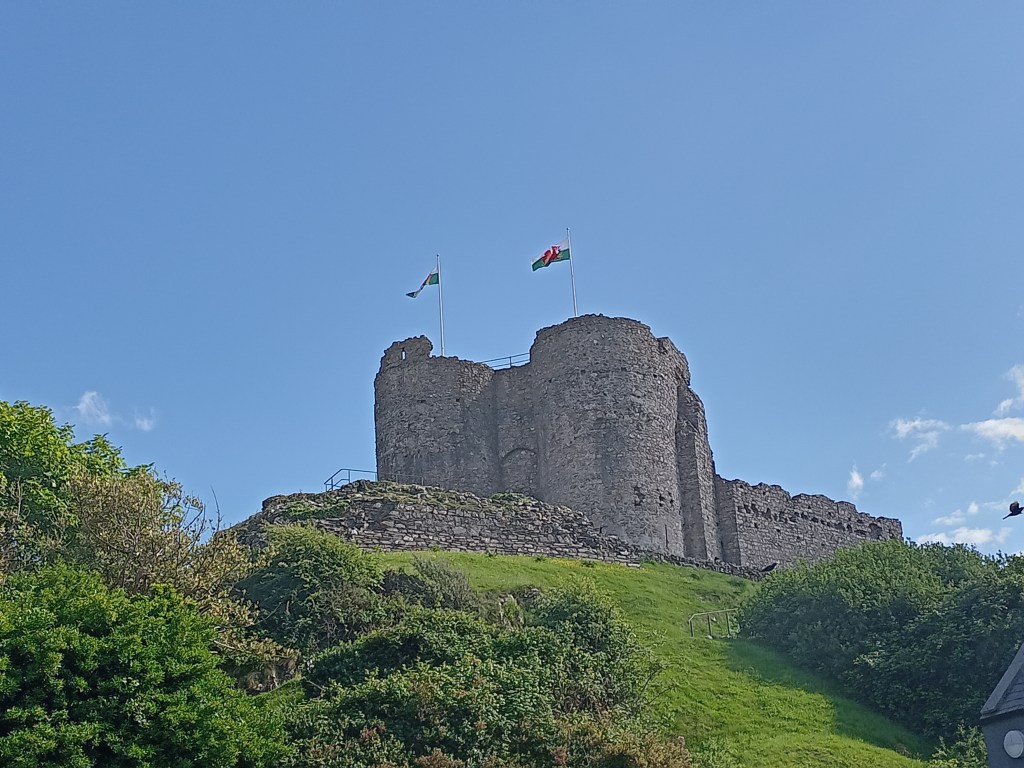
While we were in Criccieth we checked out the outside of the castle and the coastal part of town, which were basking and sparkling in the continuing good weather.
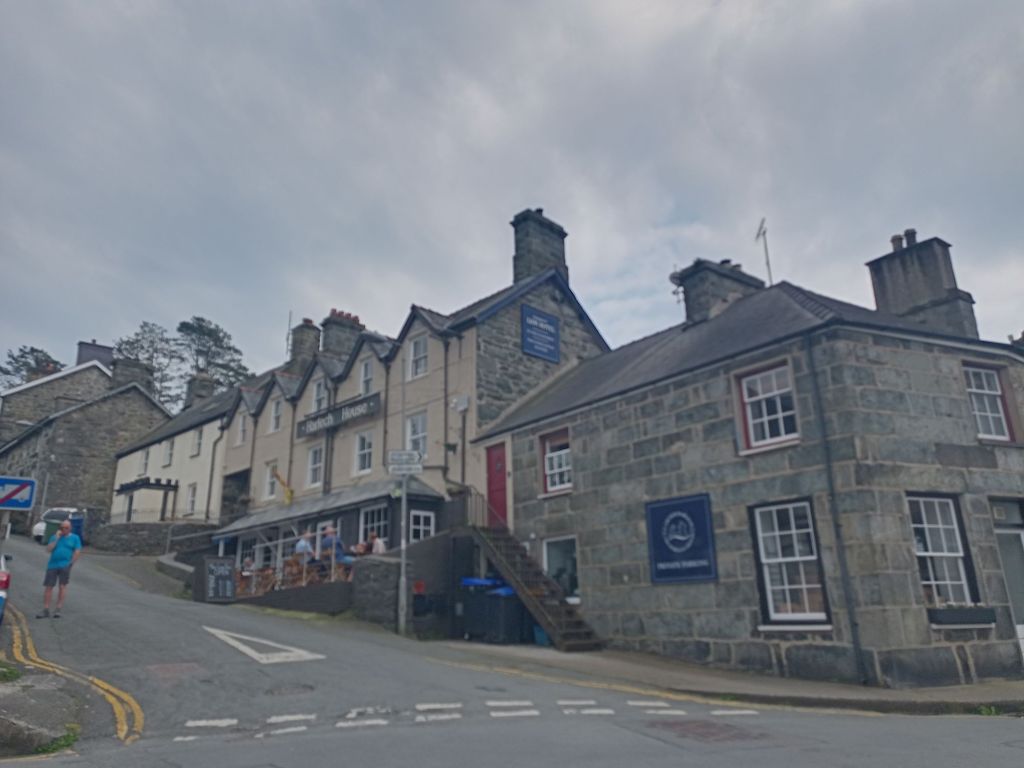
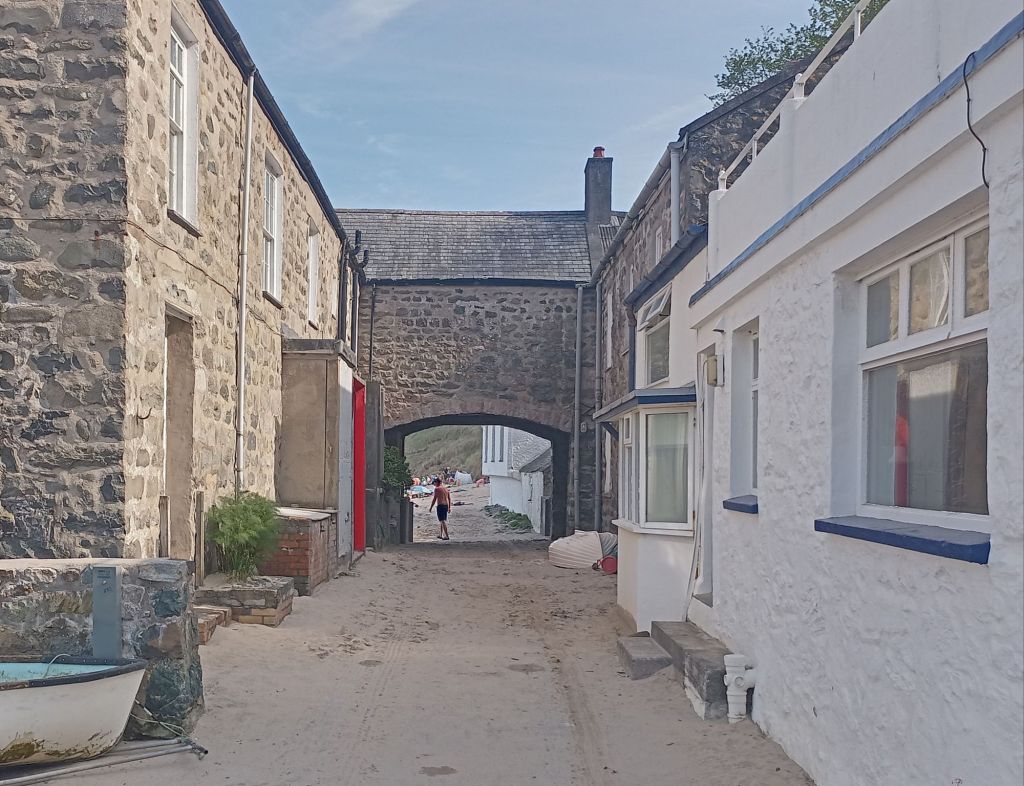
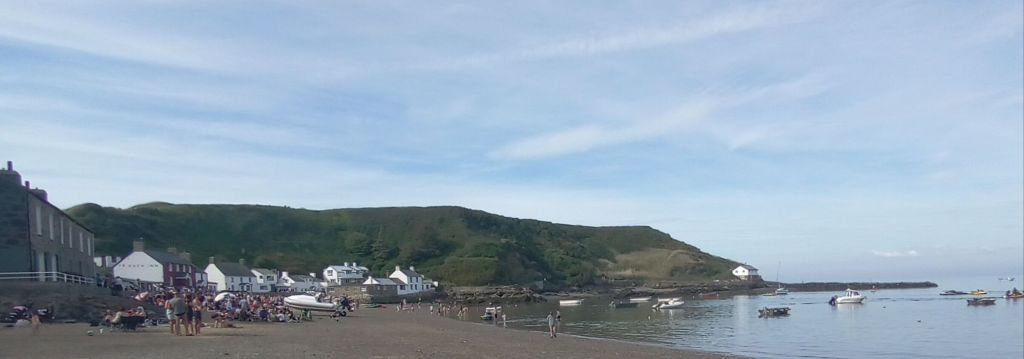
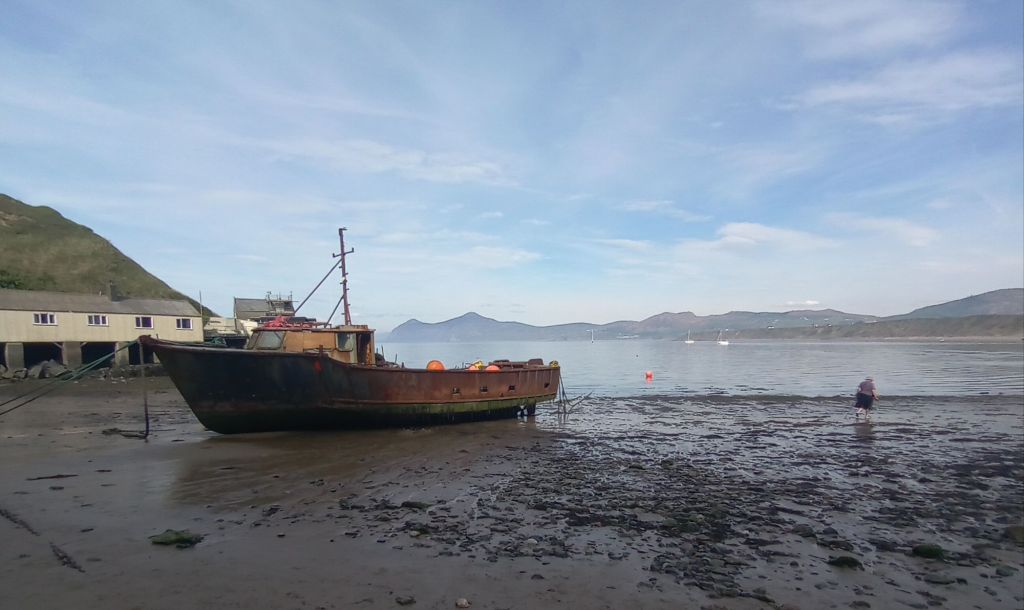
On the way back home we visited the seaside village of Borth-y-Gest opposite our cottage on the other side of the estuary that the Porthmadog causeway crosses. The causeway is now bypassed by a new road, but used to be tolled, causing long queues of traffic during the holiday season – if Caroline remembers correctly?
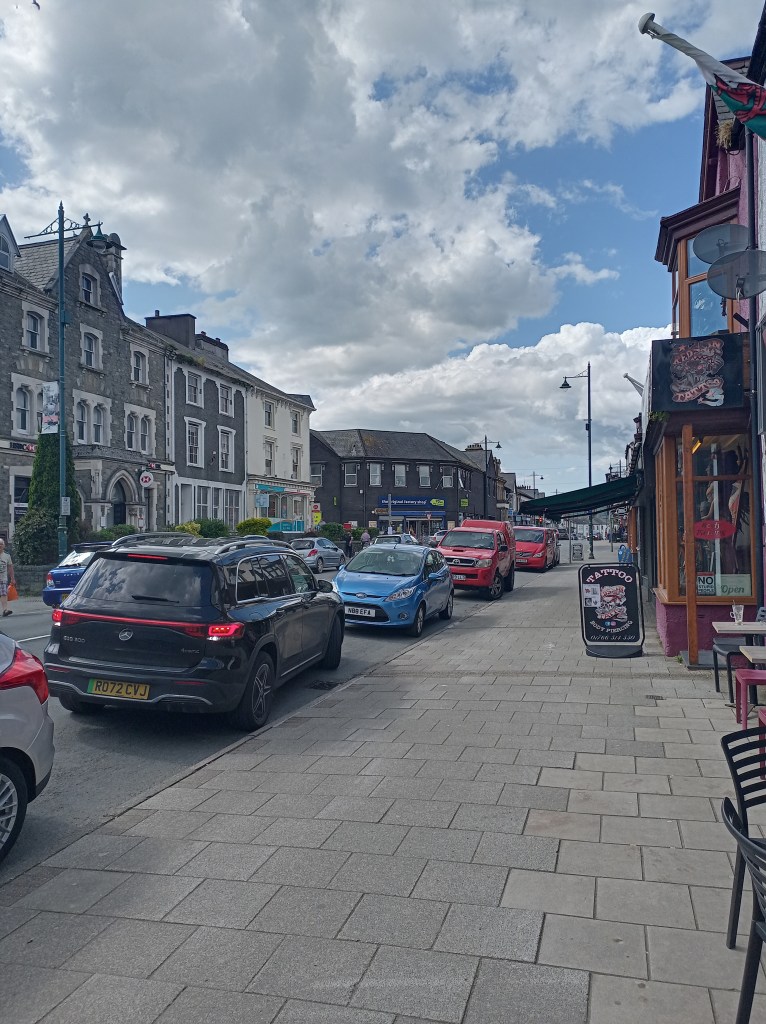
Porthmadog
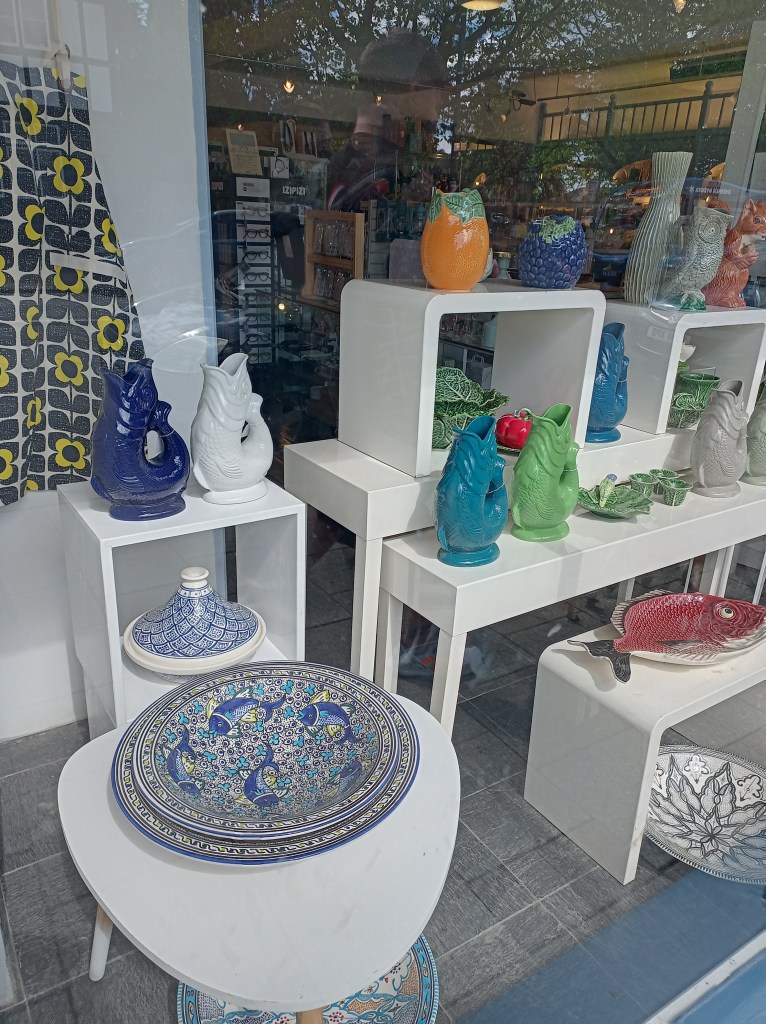
Portmeirion pottery
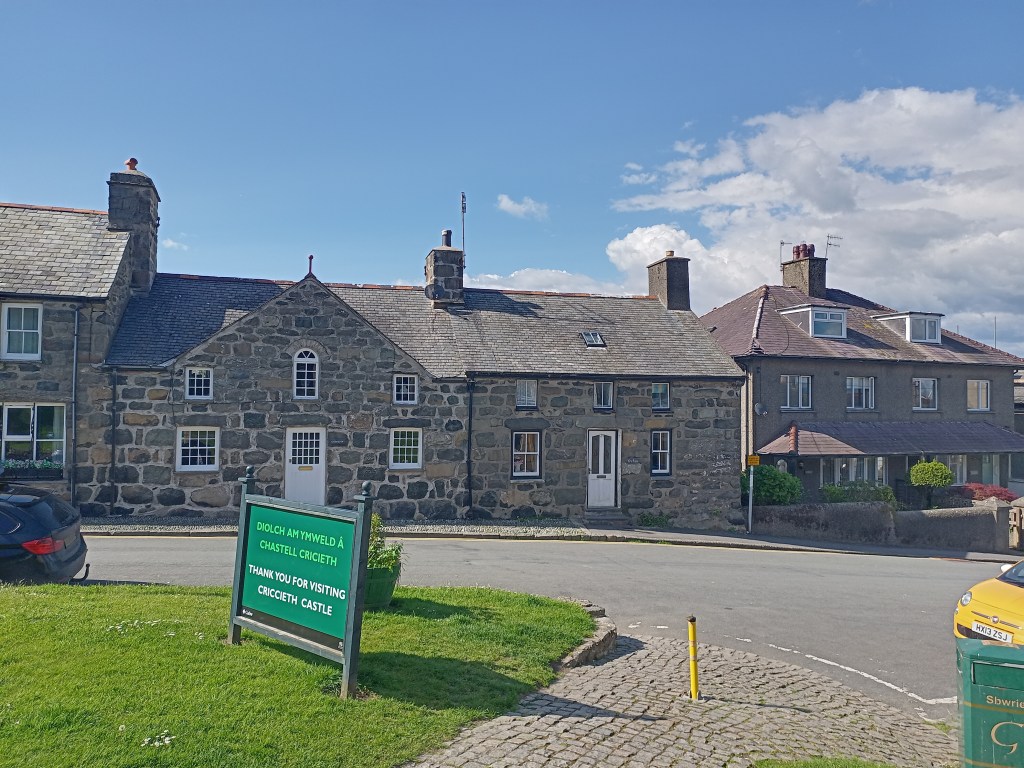
Criccieth
Cobbled footpath
Borth-y-Gest
The cawl
North Wales: Day 7 – Snowdonia, Menai Bridge, Conwy Castle
After driving through Snowdonia for a second time (see North Wales Day 4), and a small detour to Anglesey, Ian and Caroline toured around Conwy Castle.
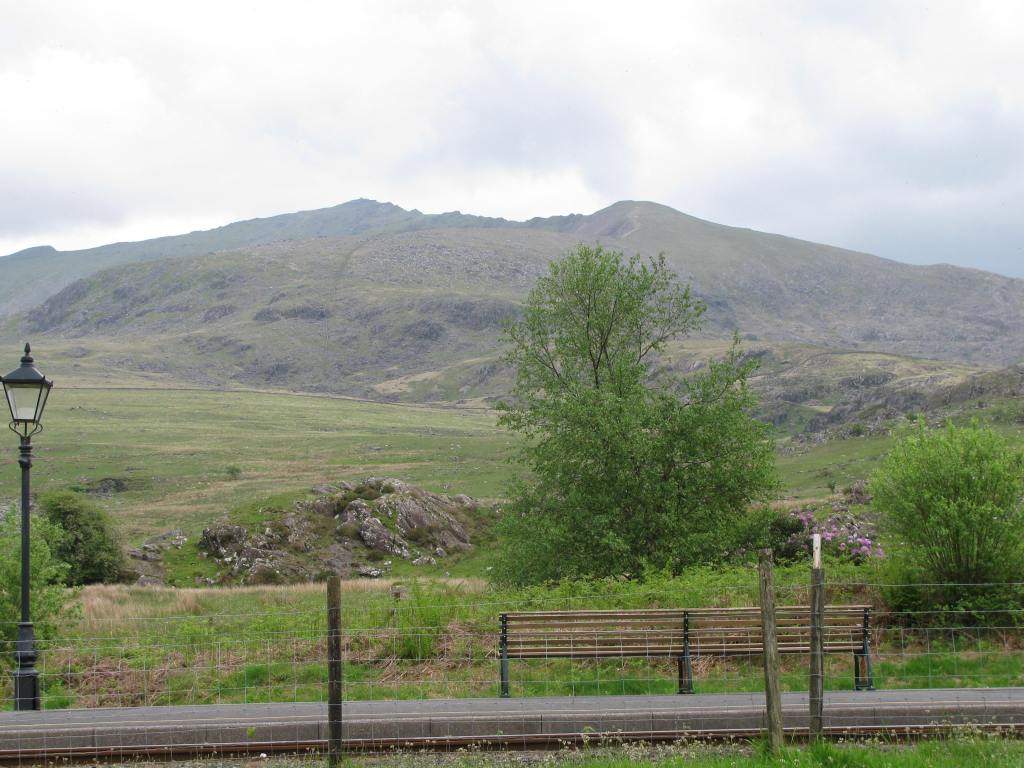
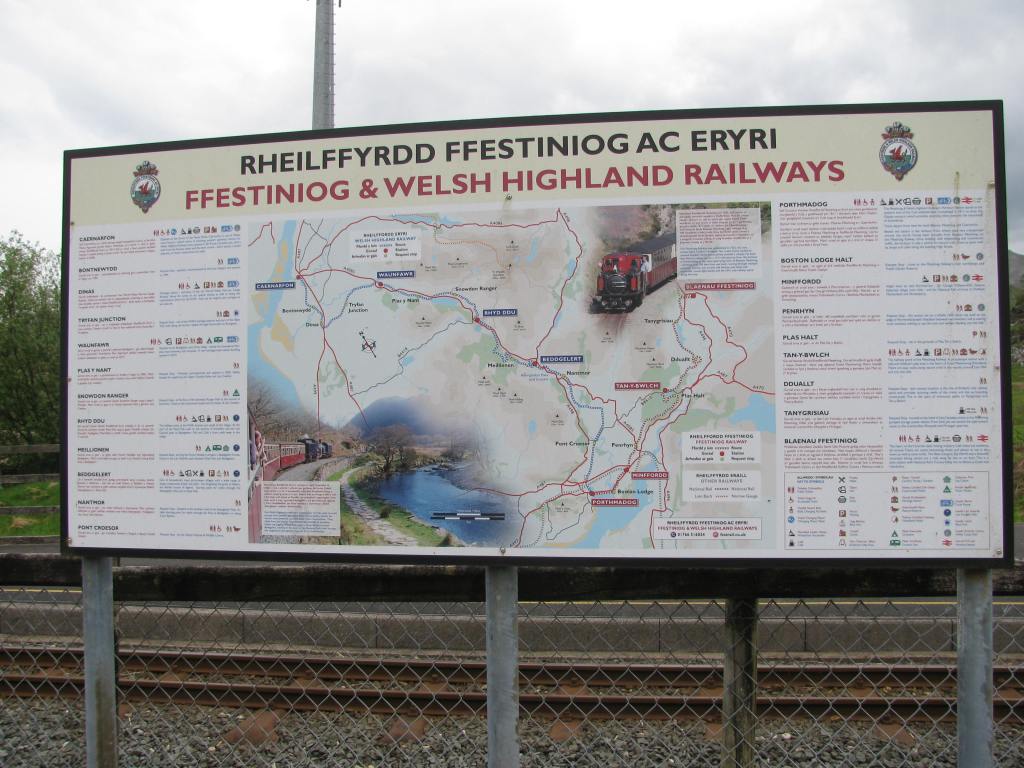
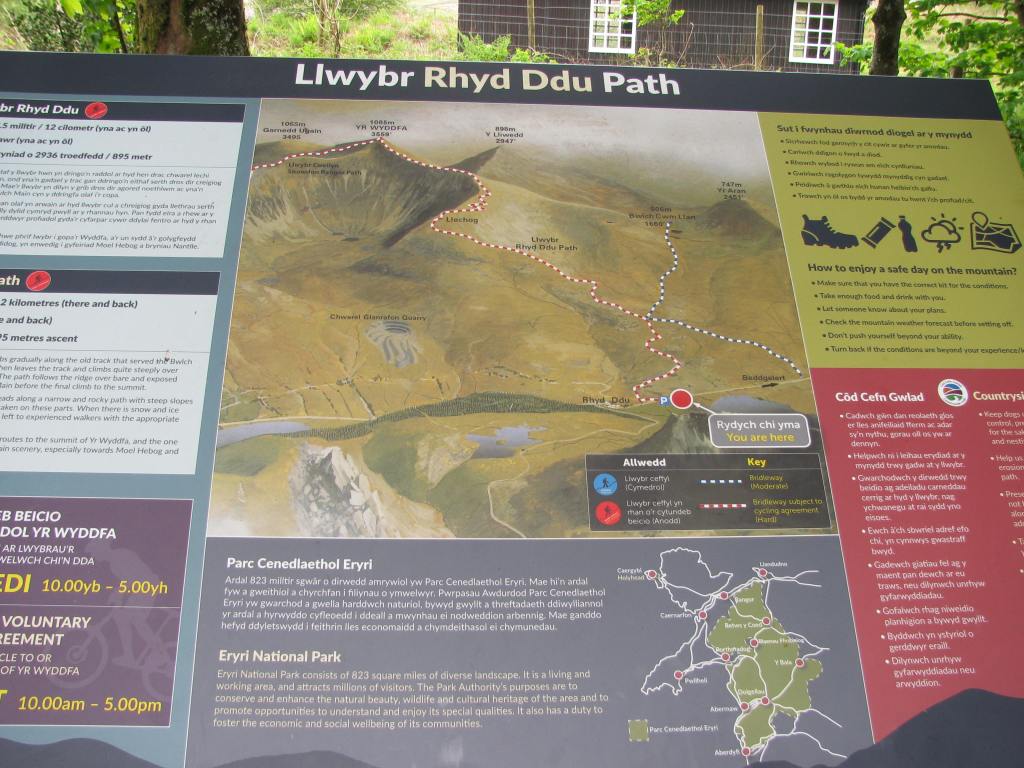
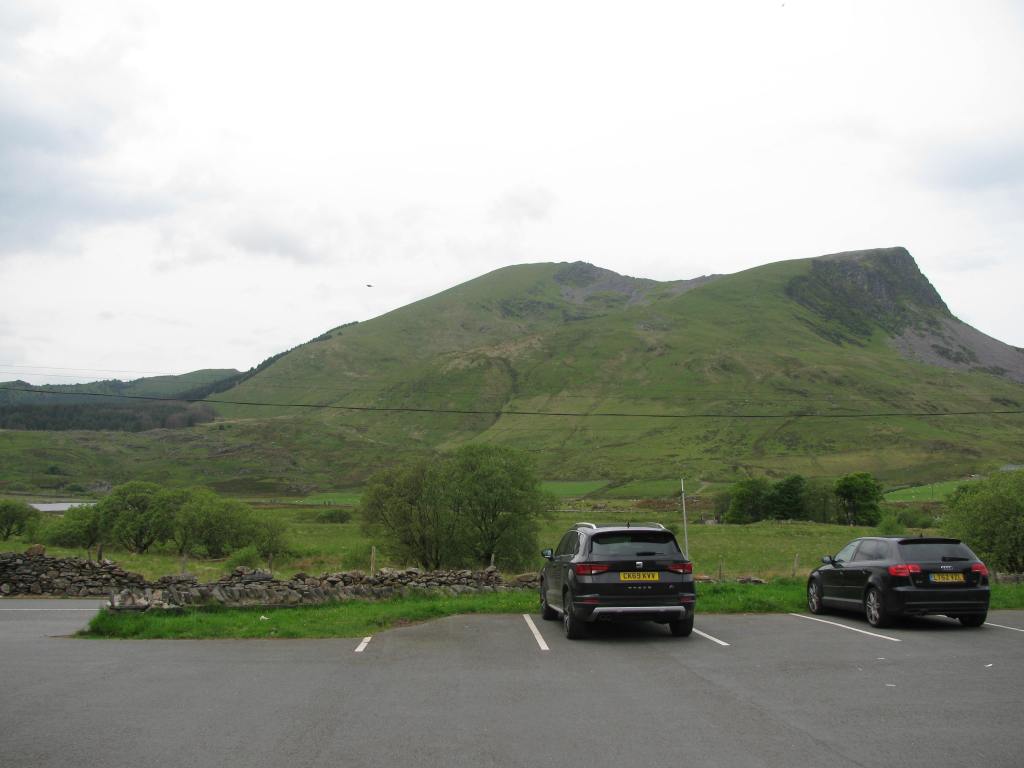
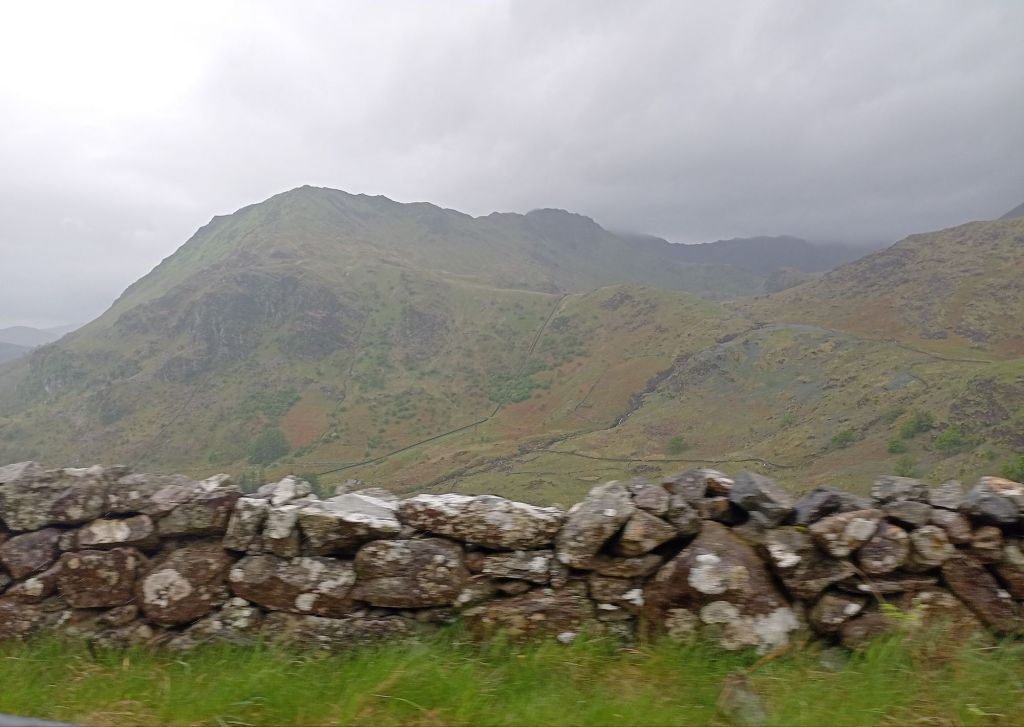
The morning was fine, and we went on a more westerly route through Snowdonia National Park this time, getting a very good view of the highest mountain in Wales – Snowdon / Yr Wyddfa (1085m) – from the Rhyd Ddu railway station car park.
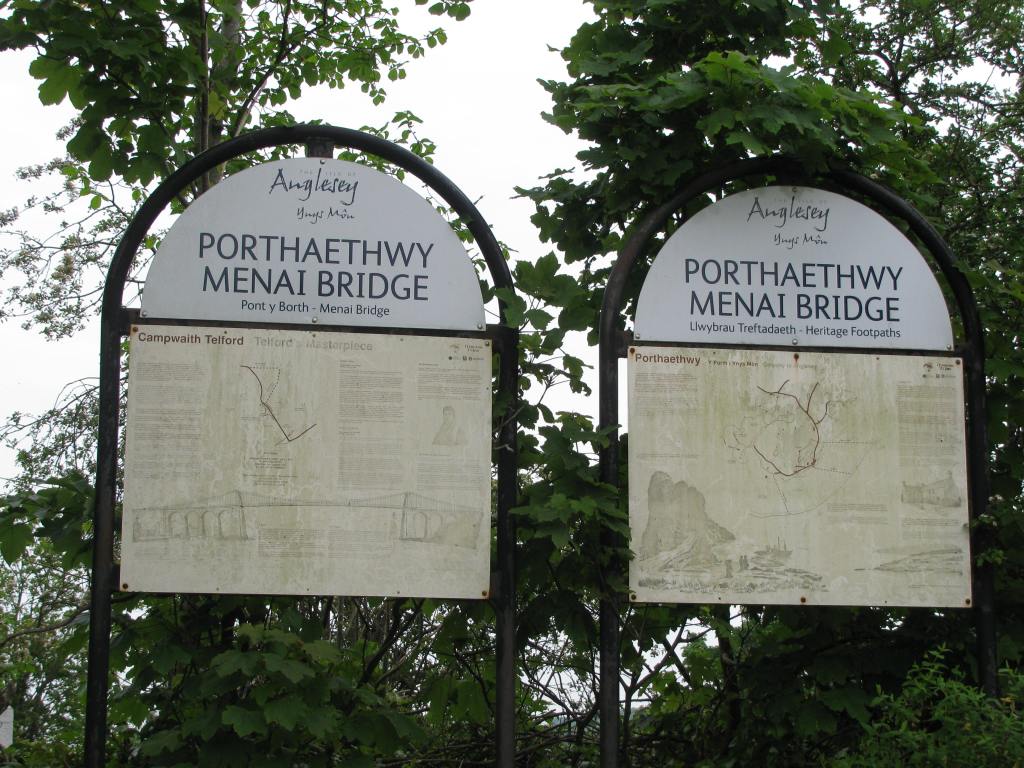
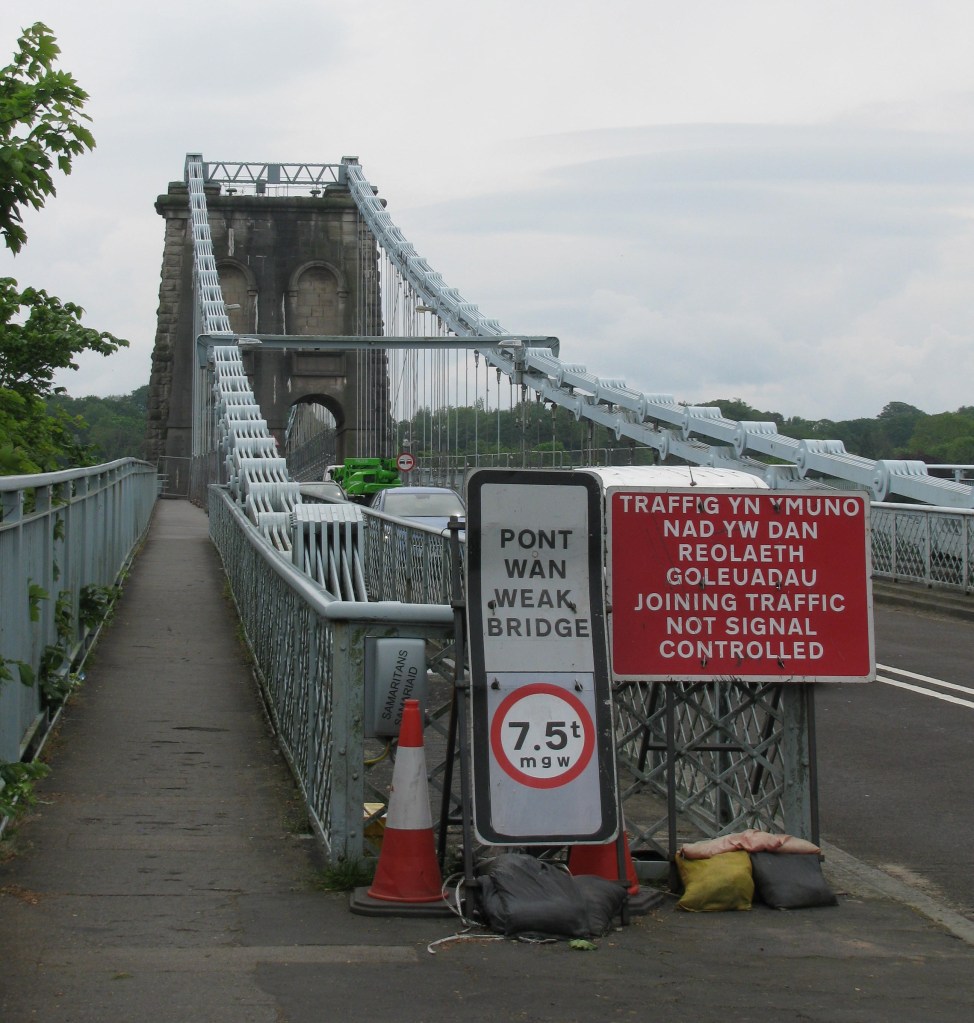
Next we hopped over to Anglesey on the new road bridge, then stopped at the old Menai Bridge before returning to the mainland on that bridge.
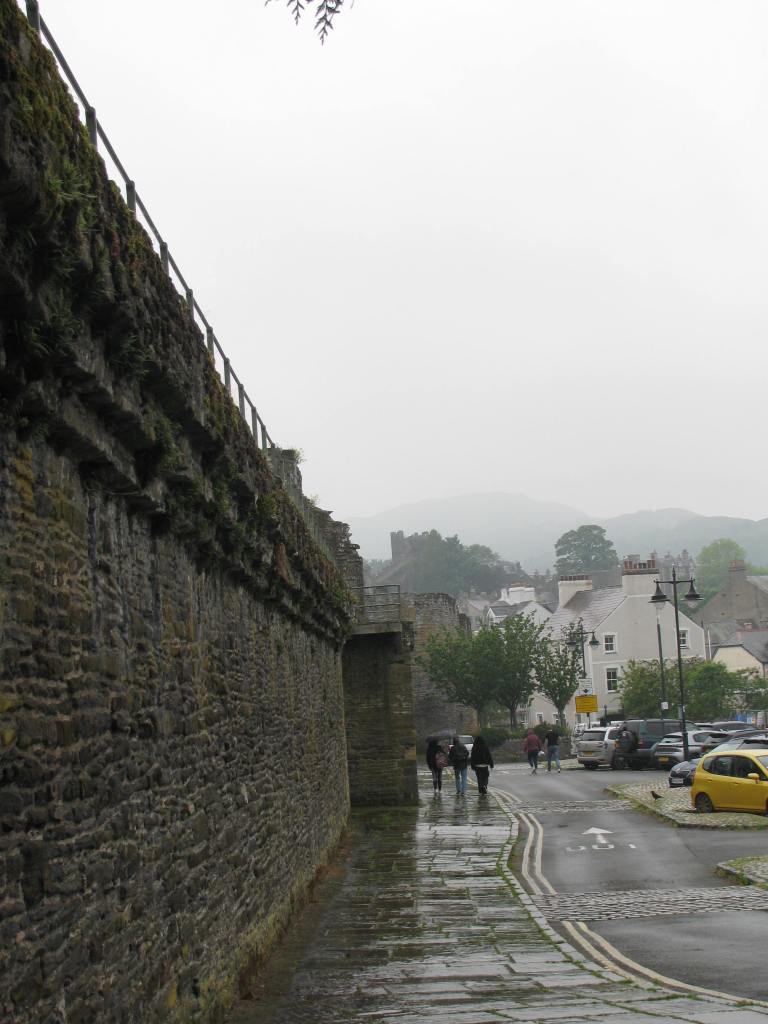
Once we reached Conwy, we bought lunch at an excellent bakery that E recommended. We ate our Cornish pasties under one of the town wall’s arches as it started to rain, and kept our delicious vanilla slices (custard squares) for later consumption.
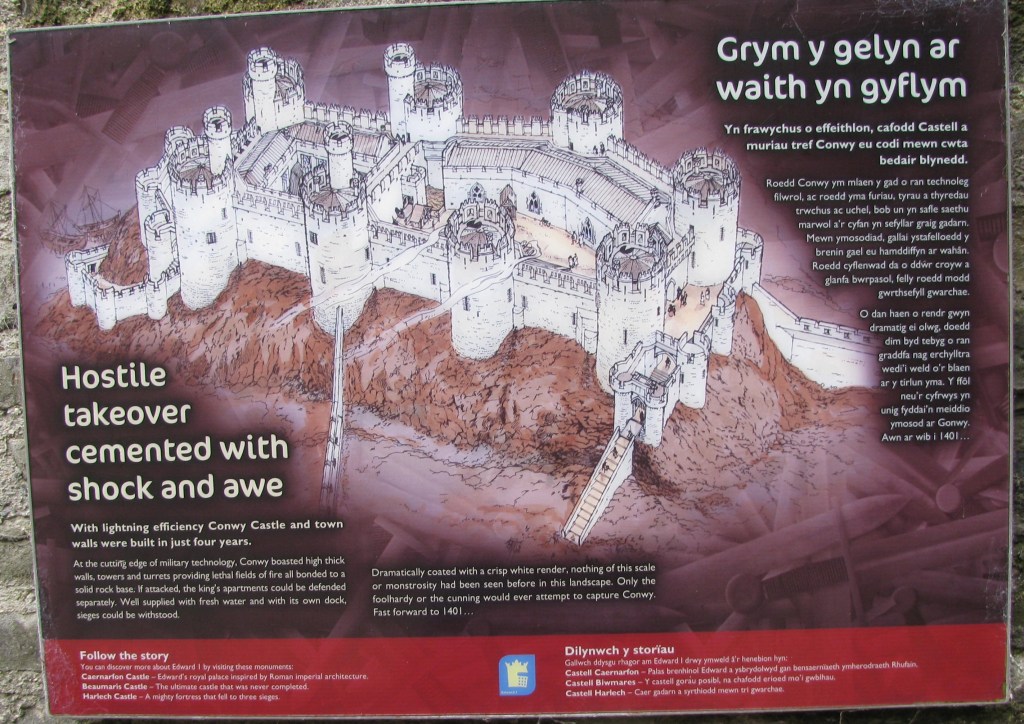
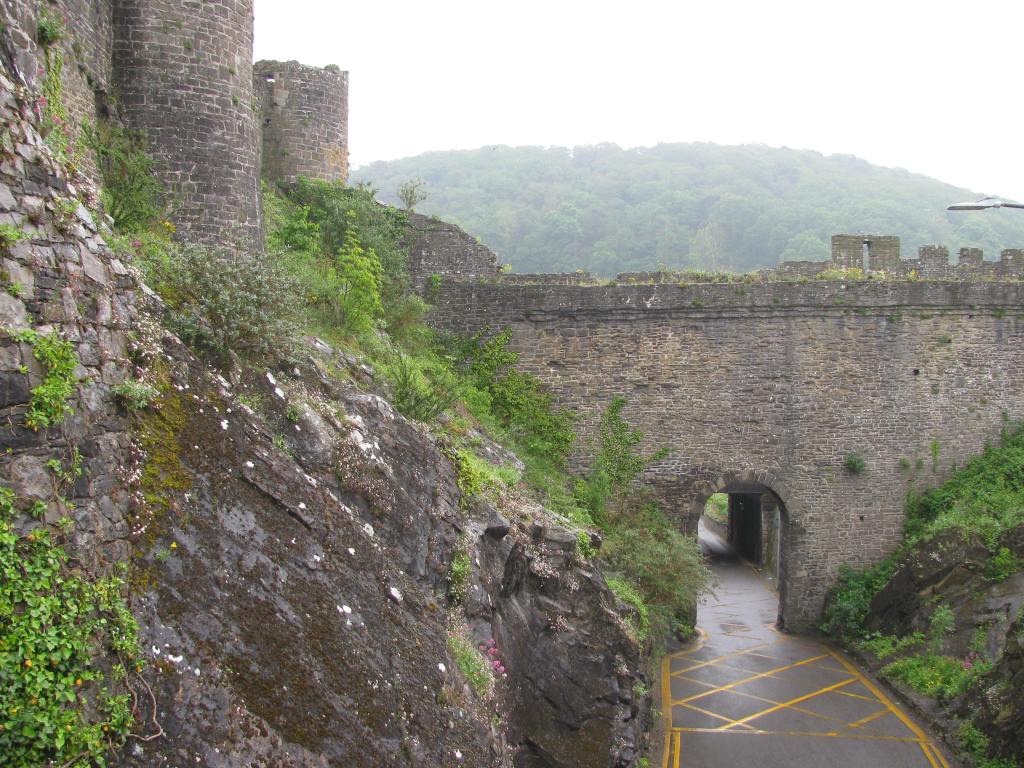
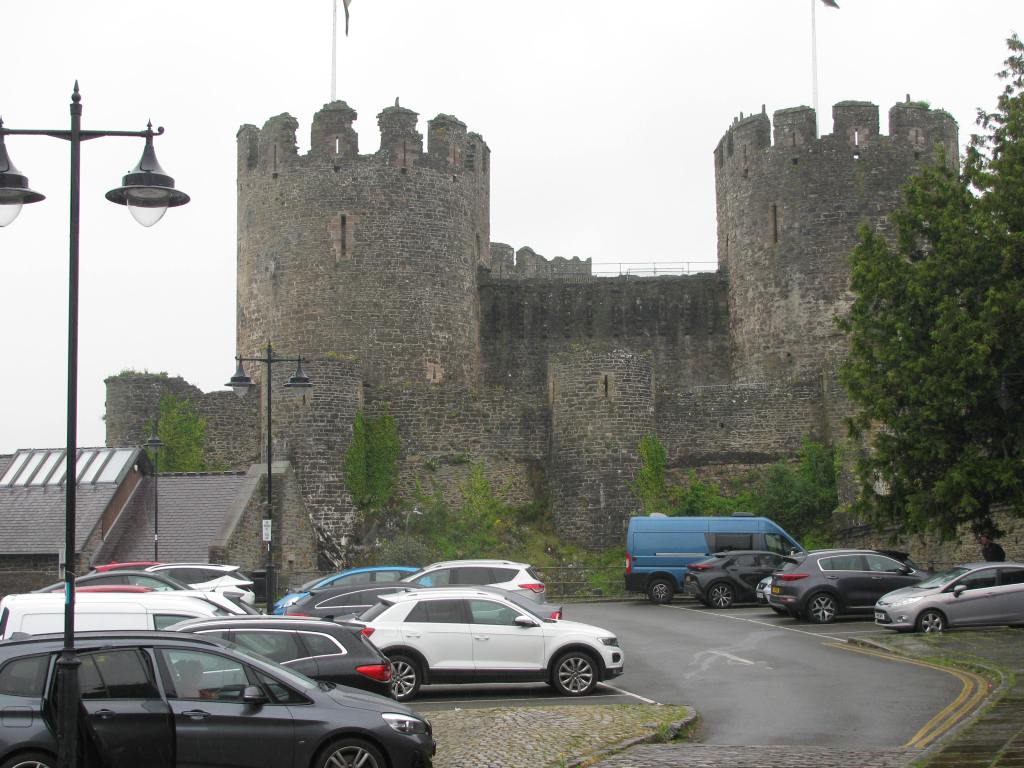
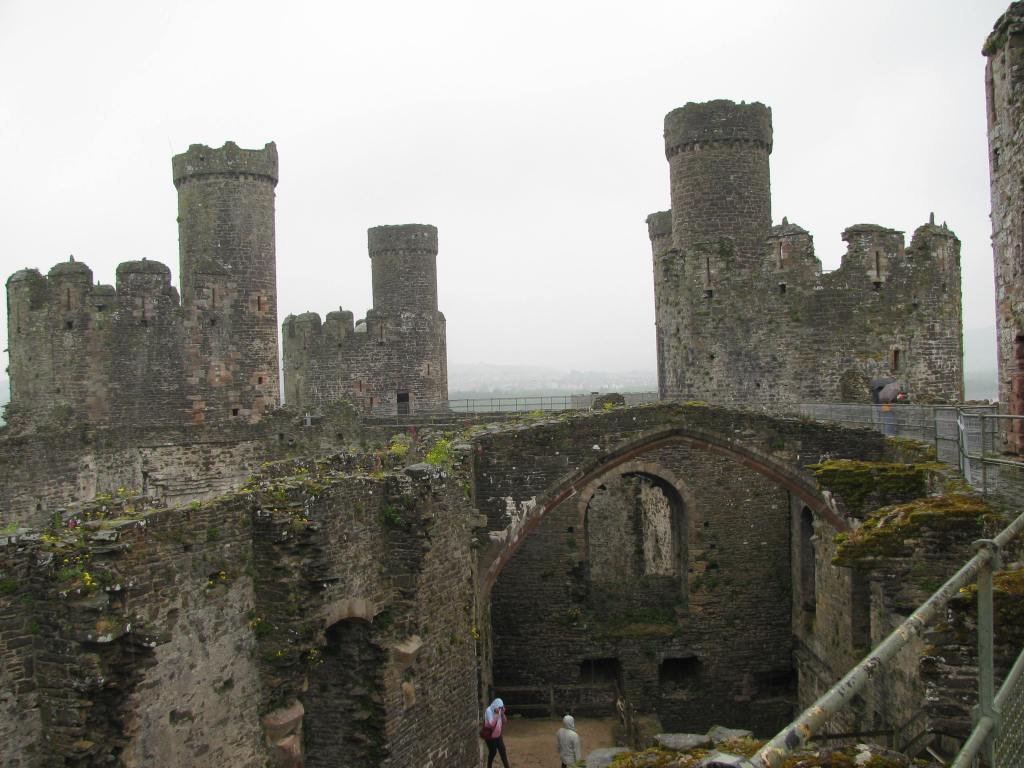
Conwy is considered by some to be the finest example of a Welsh castle. It is one of the four main castles built by Edward I between about 1283 and 1330; the others being Caernarfon, Harlech (see North Wales Day 3) and Beaumaris (Anglesey). Town walls were also built in both Conwy and Caernarfon during the same period.
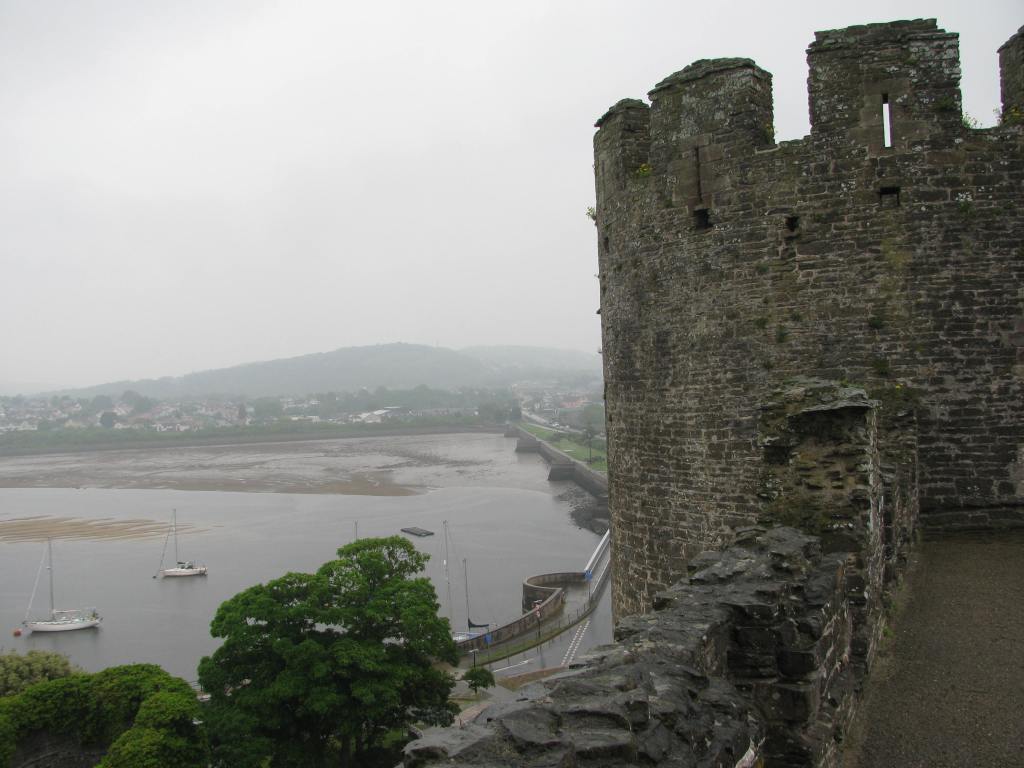
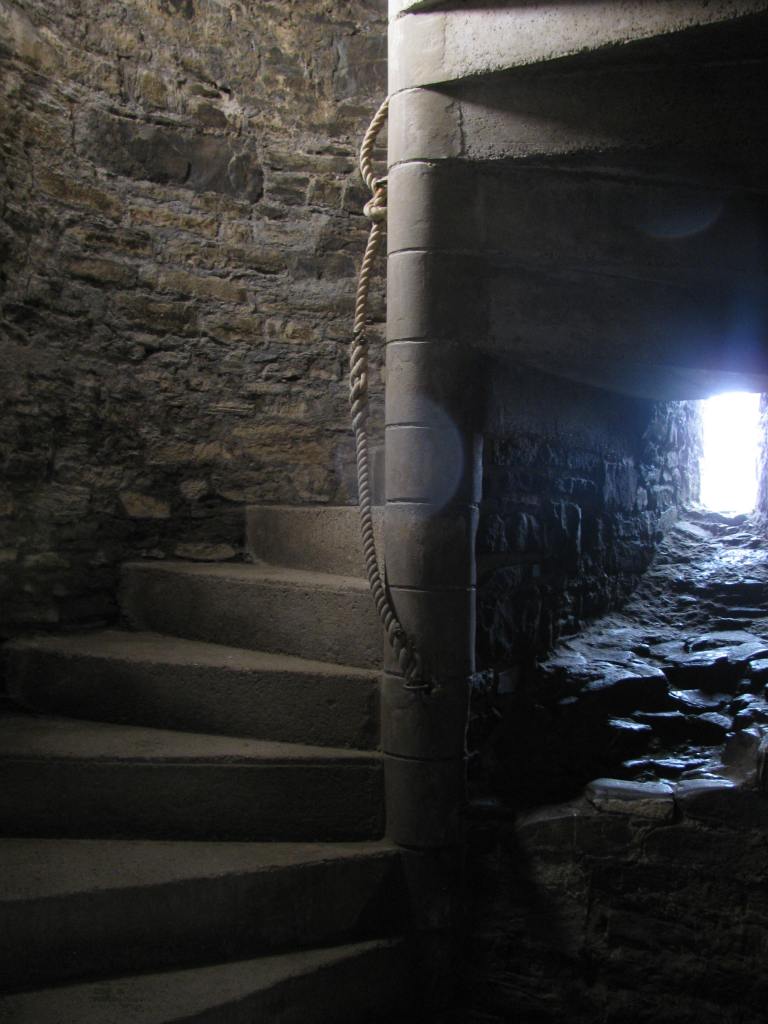
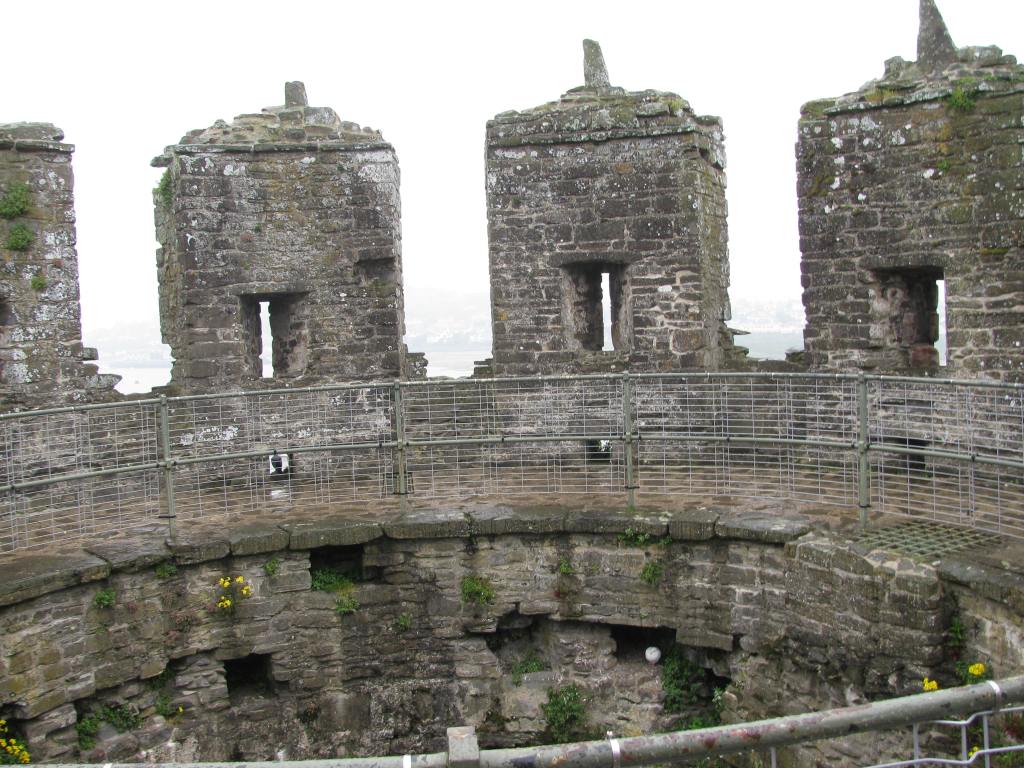
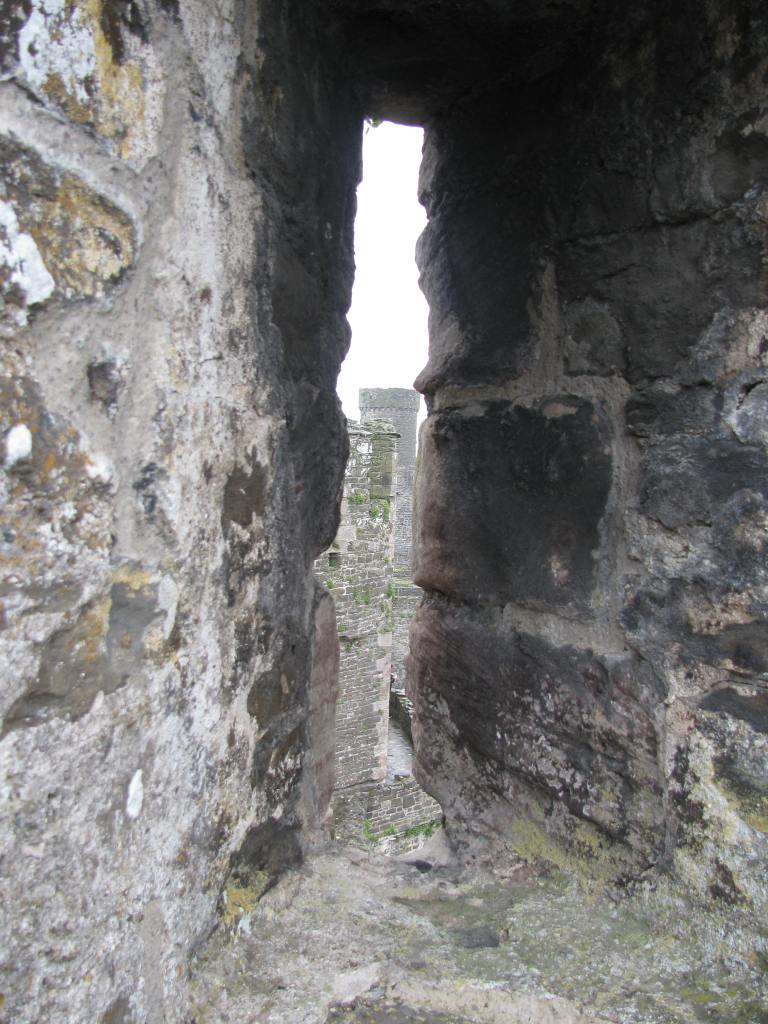
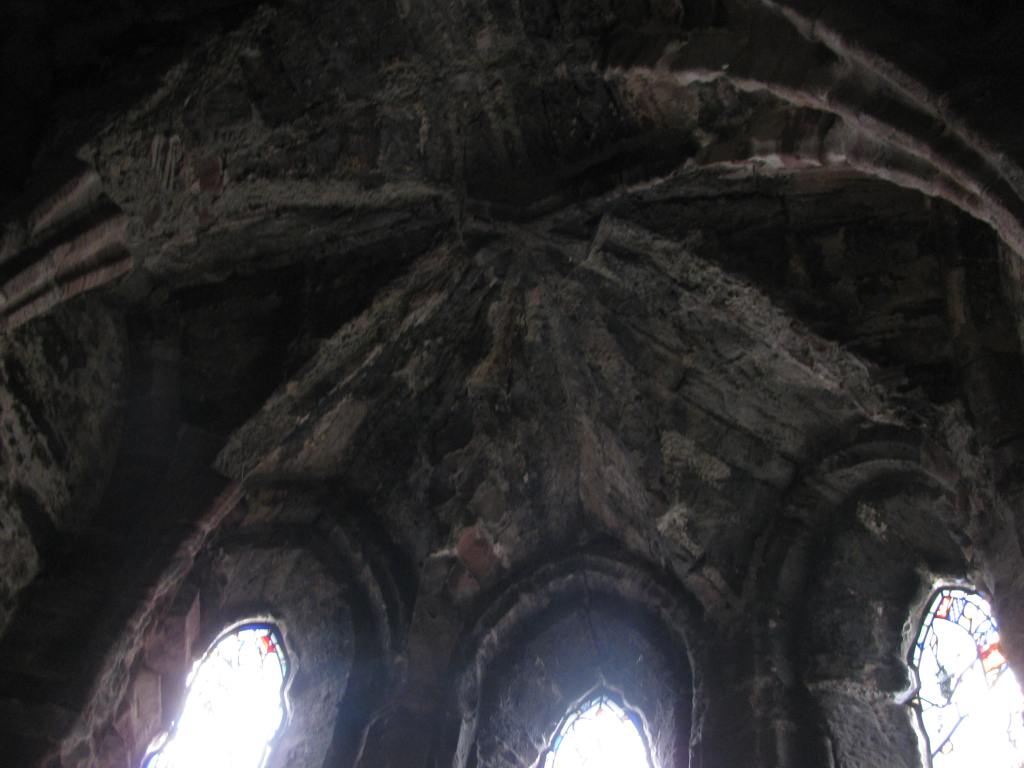
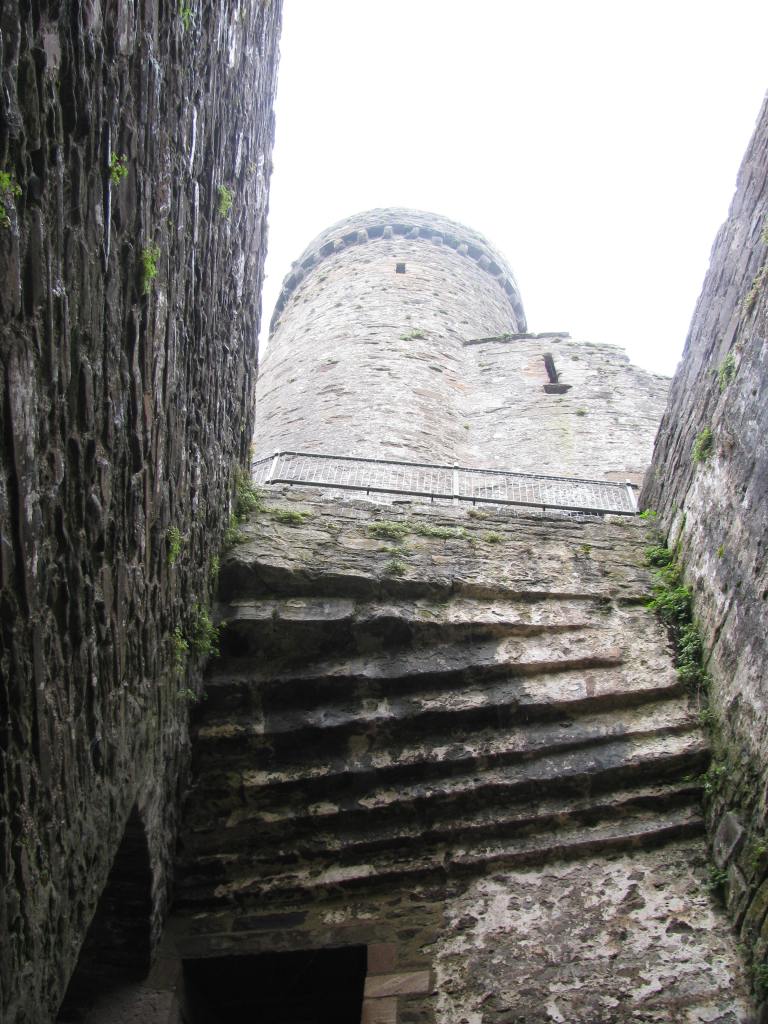
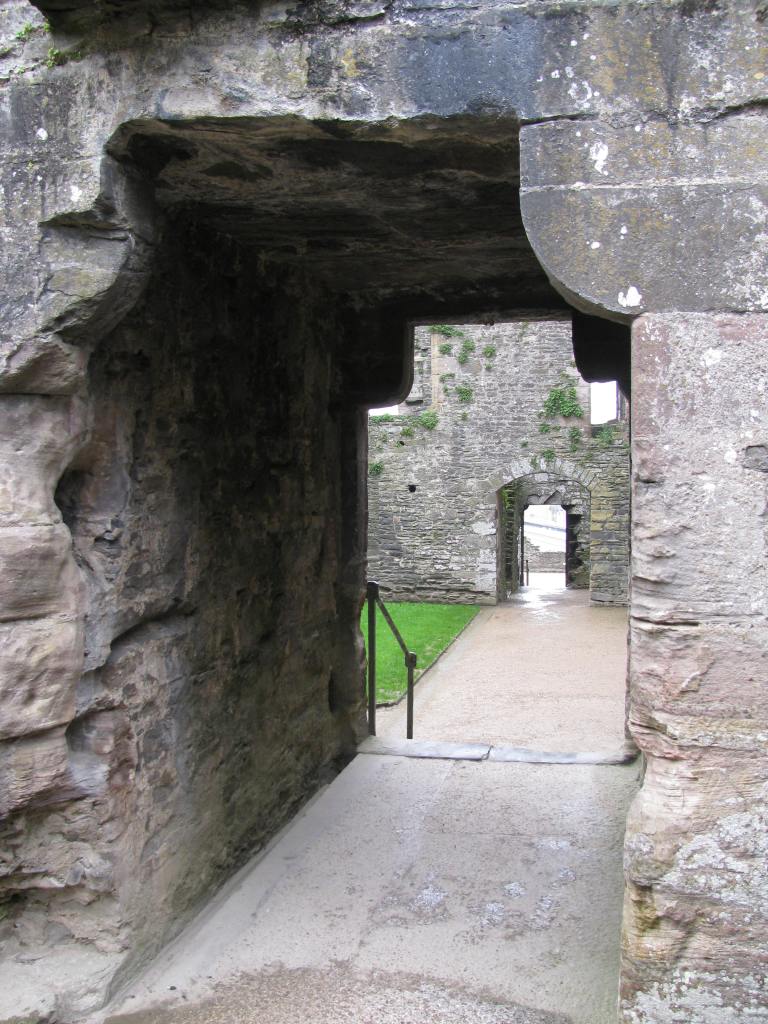
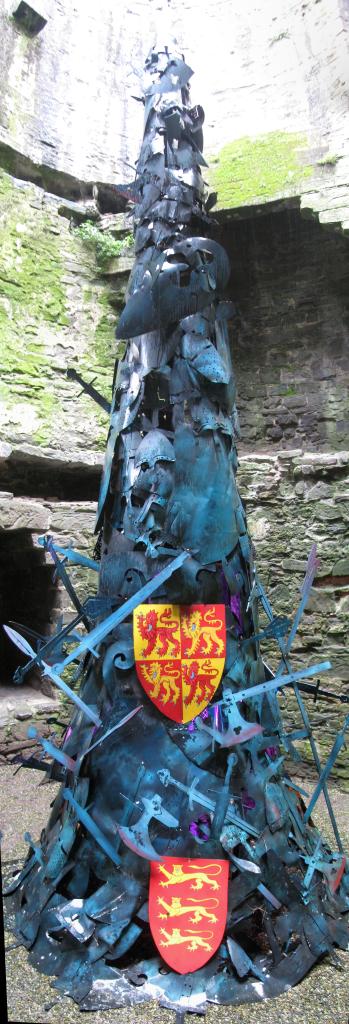
Conwy Castle is certainly is very large and impressive. Many of its staircases, towers and walkways are still intact, as are two chapels. There are also several modern sculptures, reflecting the castle’s history. However, basically it’s a ruin now and not waterproof, so we got fairly soaked, and Ian questioned how anyone could have lived there!
Snowdon / Yr Wyddfa from Rhyd Ddu station
Snowdon / Yr Wyddfa
Menai Bridge
The Menai Bridge joins the Welsh mainland to the island of Anglesey. It was designed by Thomas Telford and, in 1826, was the first significant suspension bridge to be built in the world.
North Wales: Day 5 – train south to Machynlleth and Barmouth
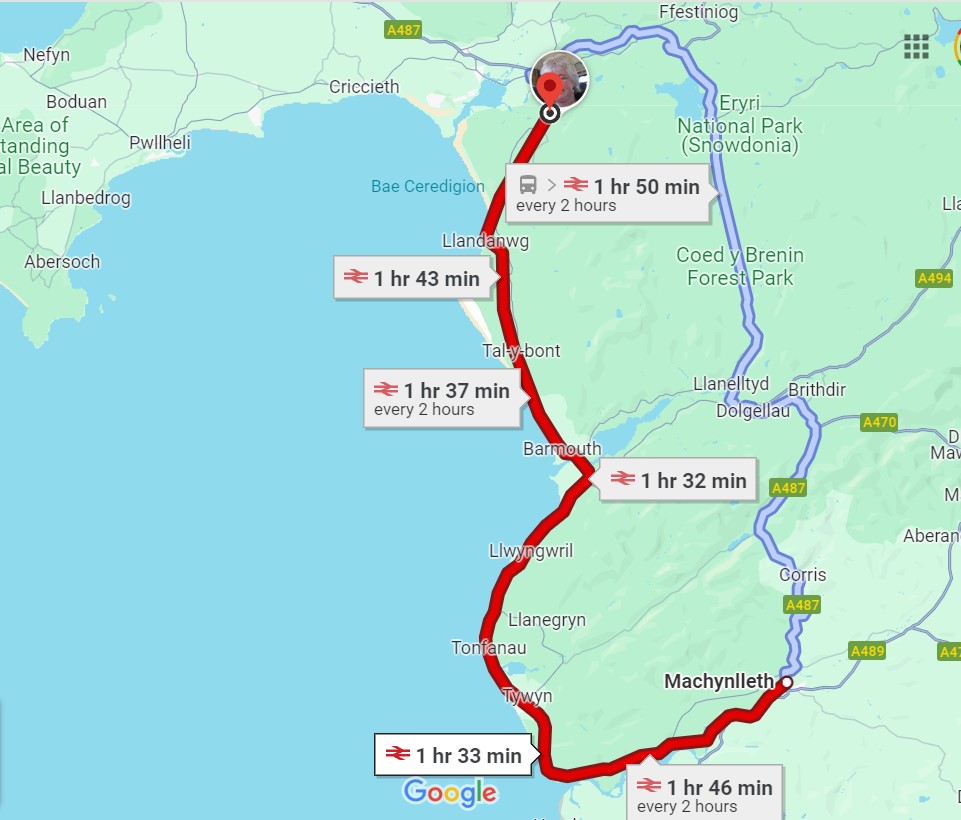
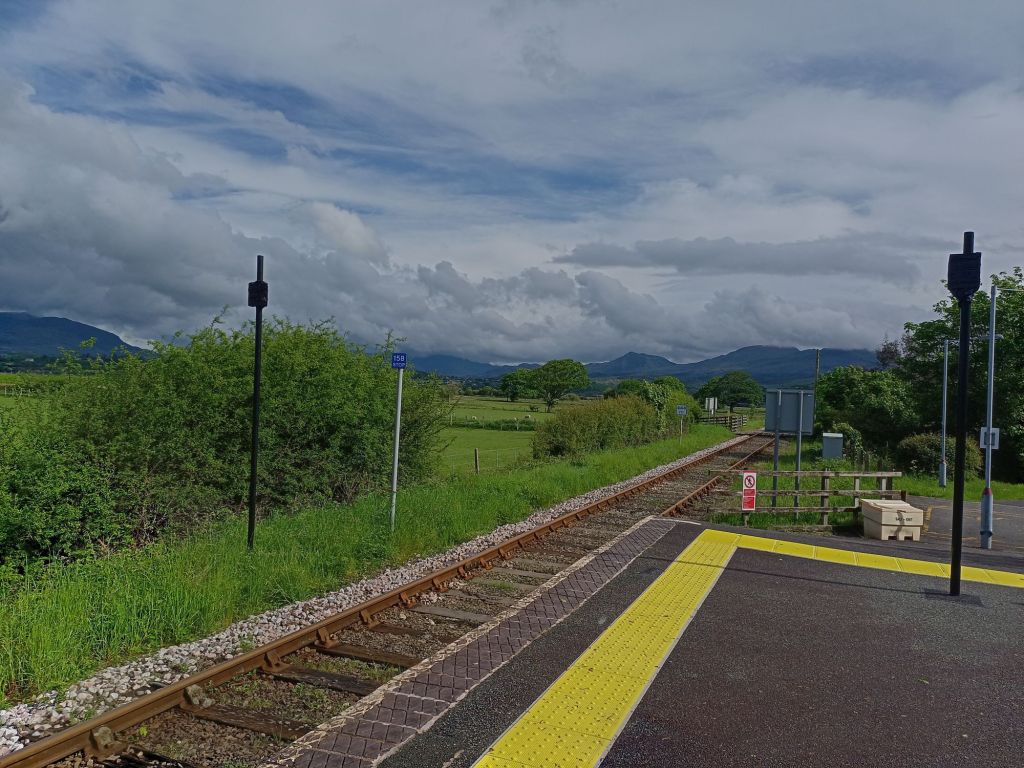
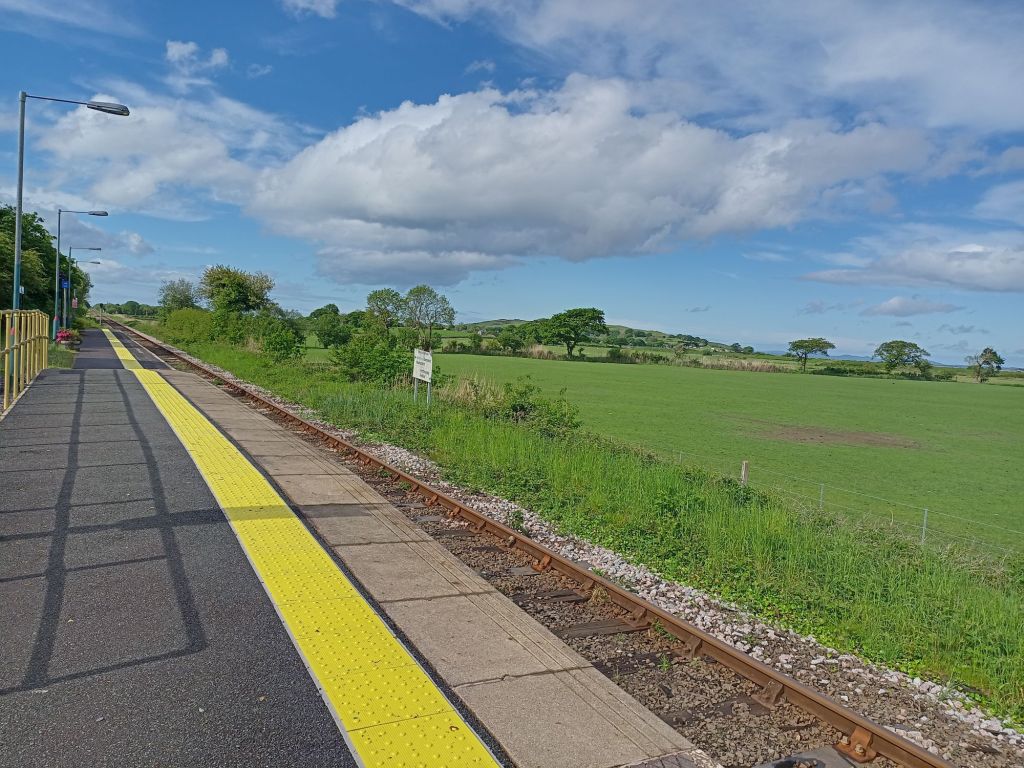
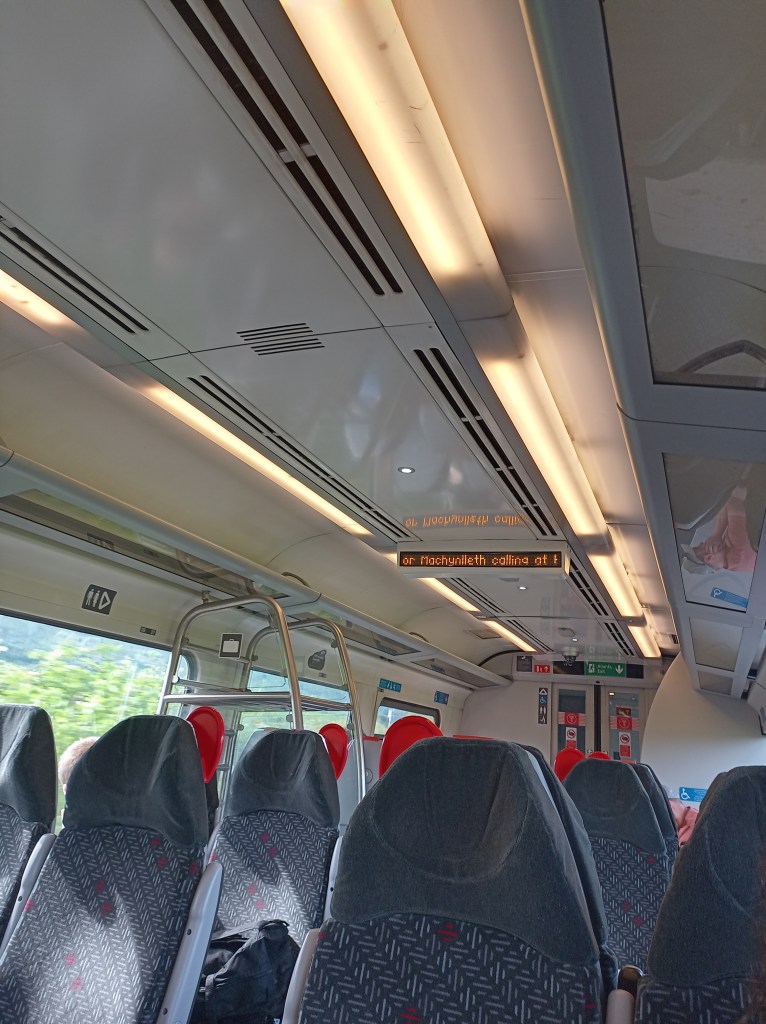
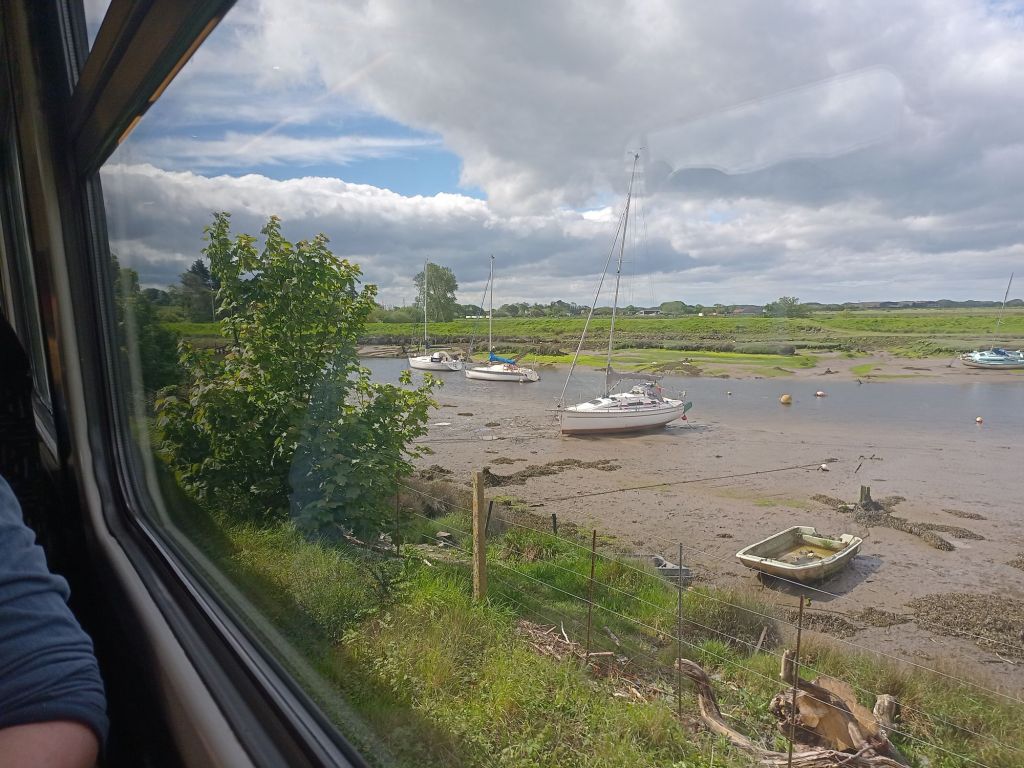
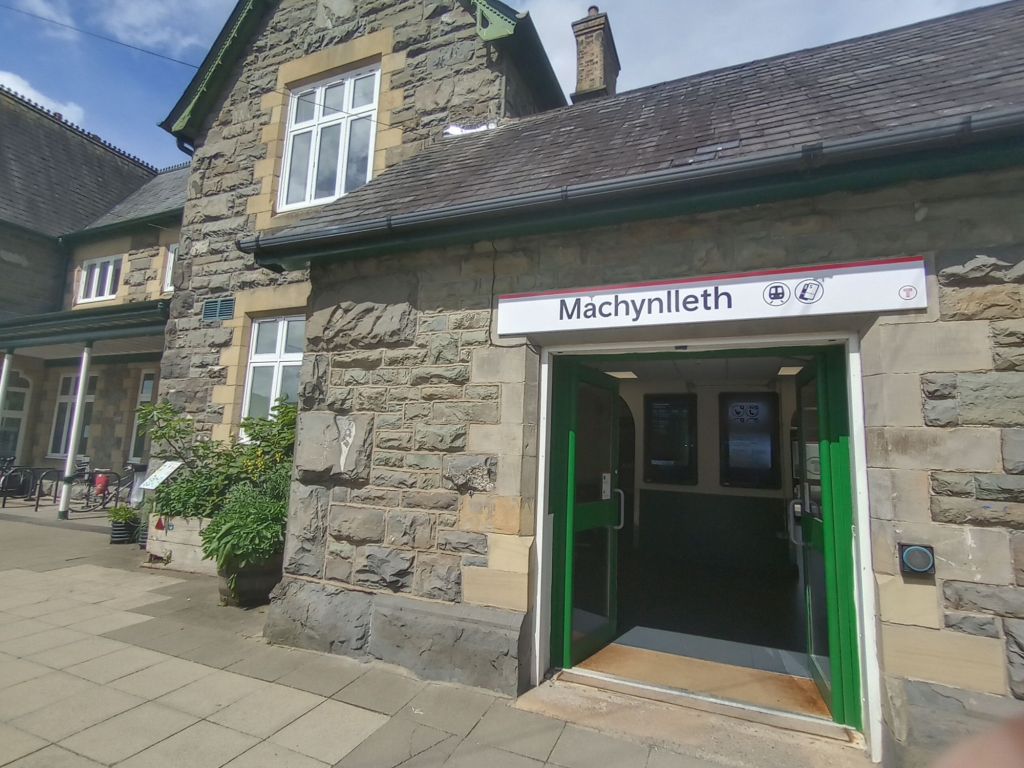
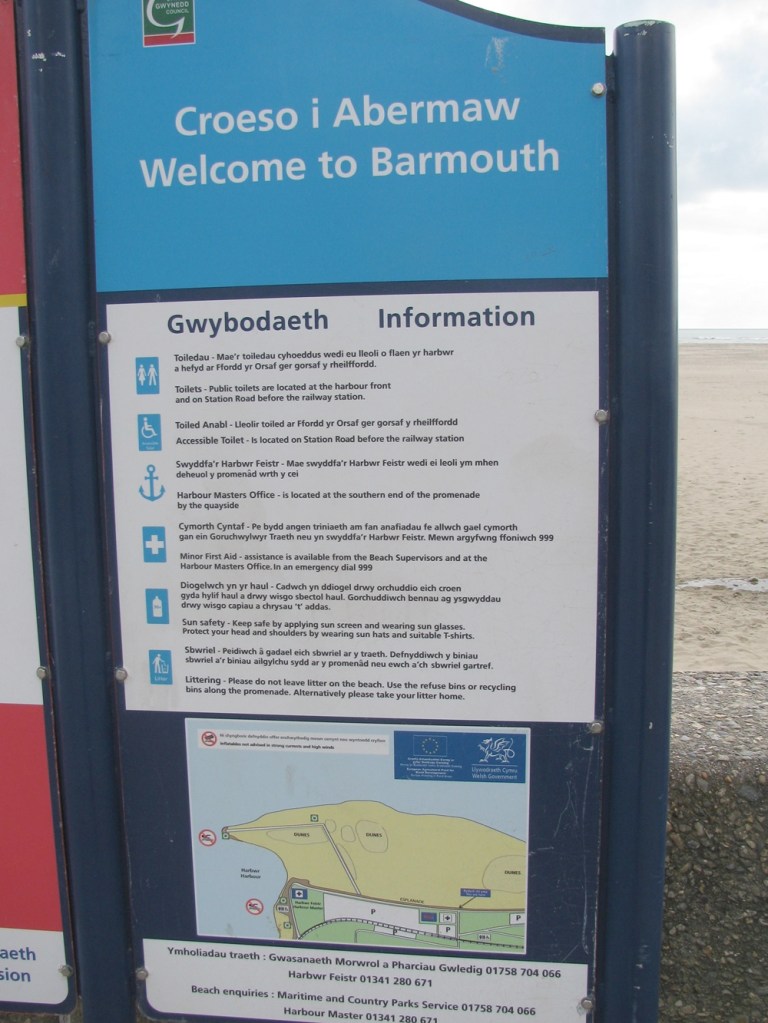
Caroline and E travelled south by train from Talsarnau (near our holiday cottage), along the west coast of Wales and inland via the Dyfi valley, to the historic town of Machynlleth (see the red route on the map below). The journey took just over two hours. On the way back home we stopped off in the seaside resort town of Barmouth / Abermaw.
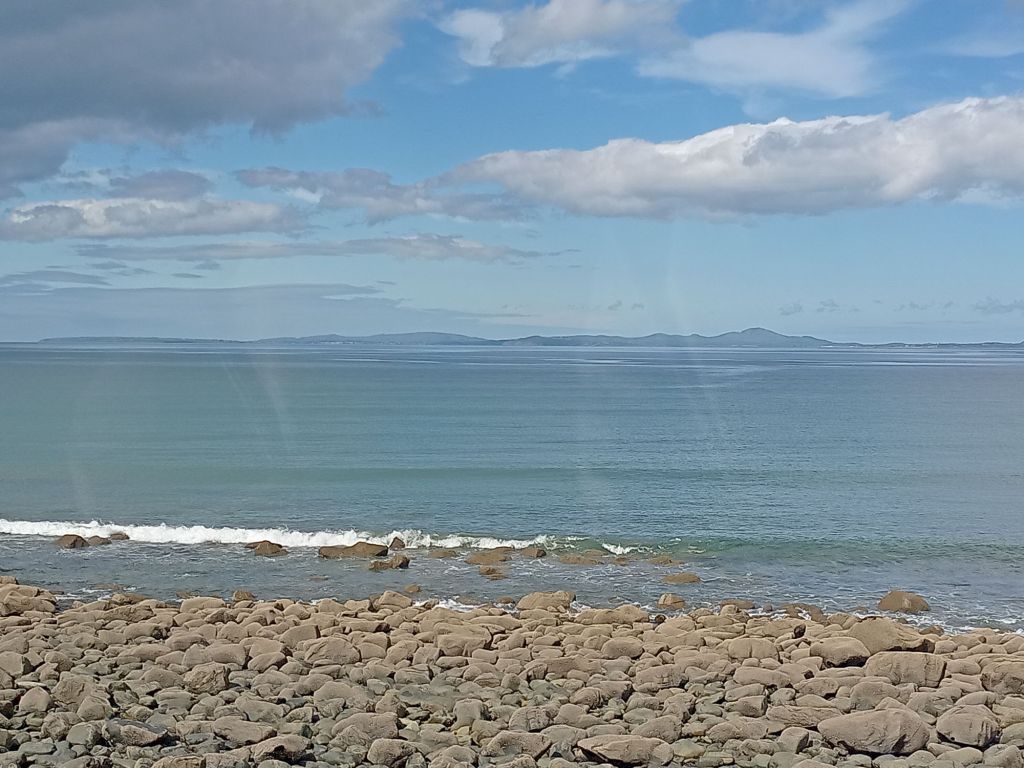
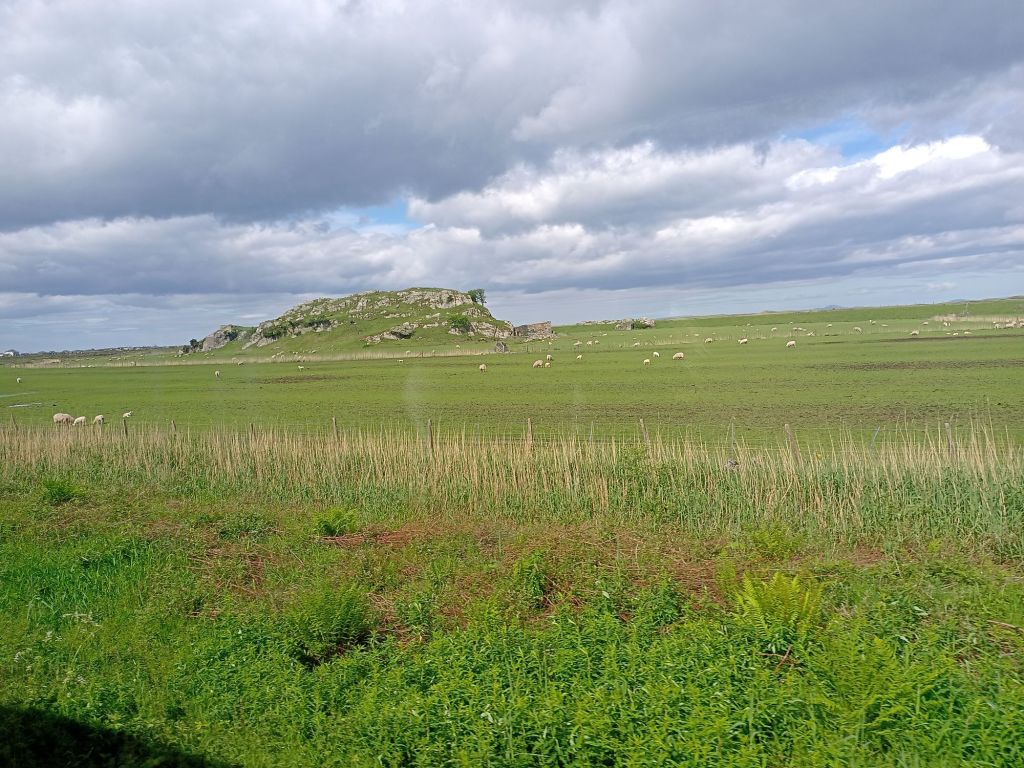
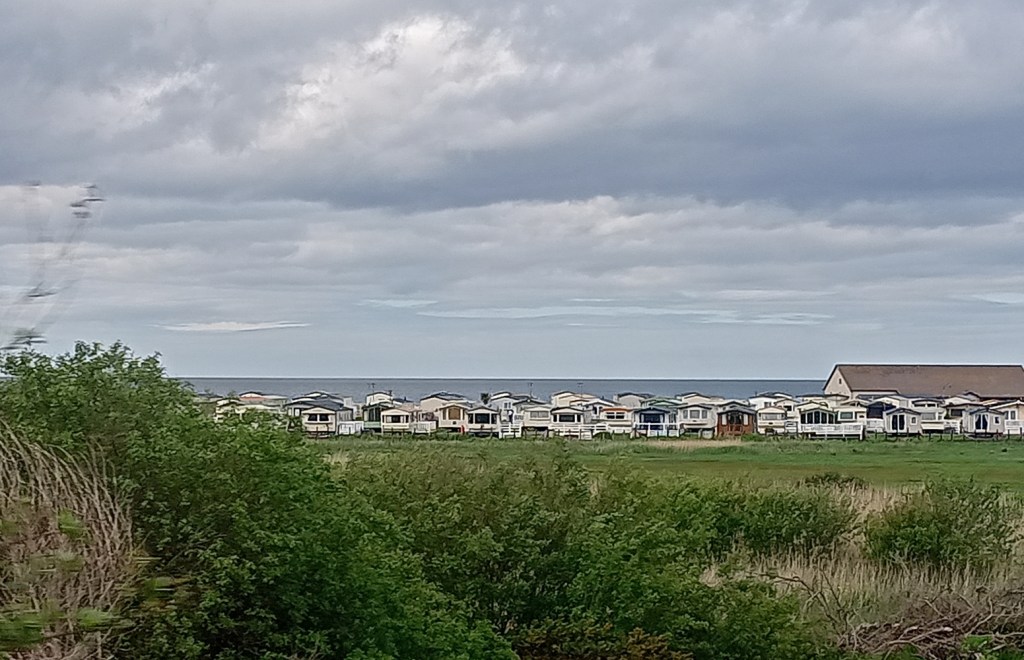
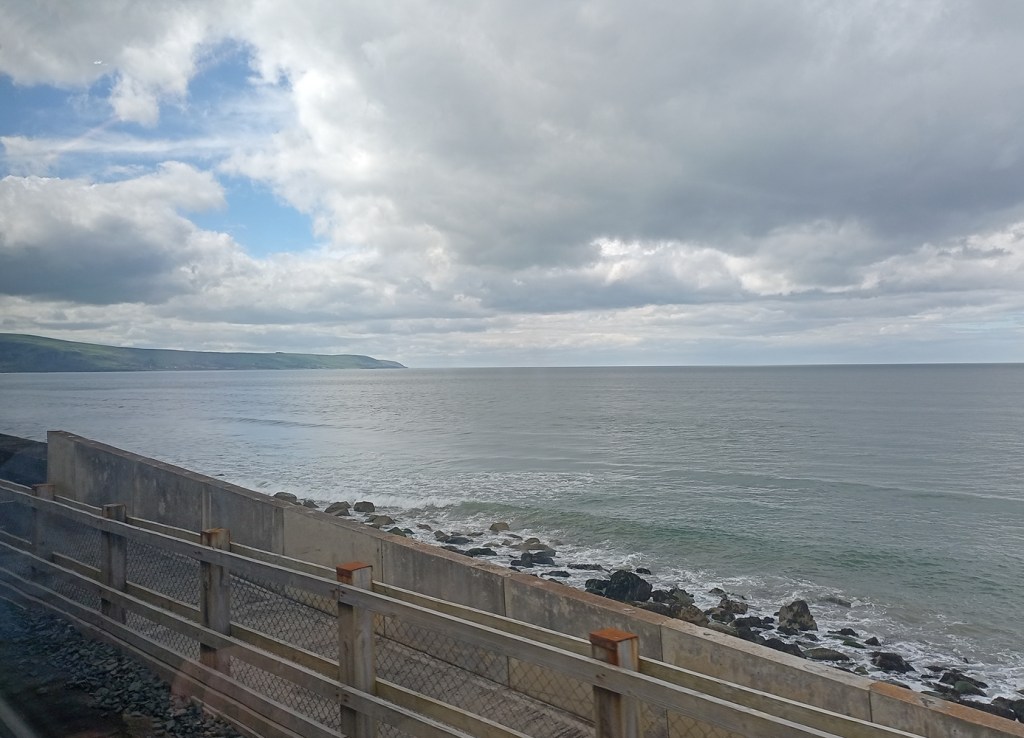
The coastline is extremely scenic, with great views of Bae Ceredigion / Cardigan Bay and the Llŷn Peninsula in the distance. We passed quite a number of static caravan parks, some of which were pretty large, and unlike anything we have in NZ.
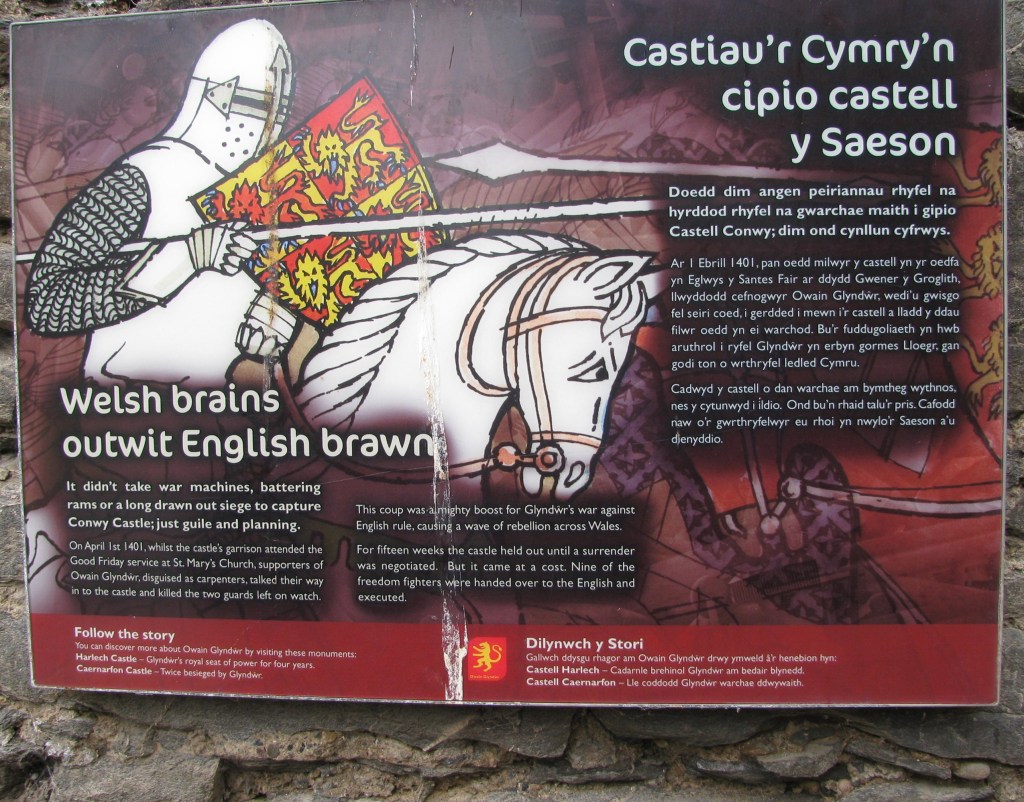
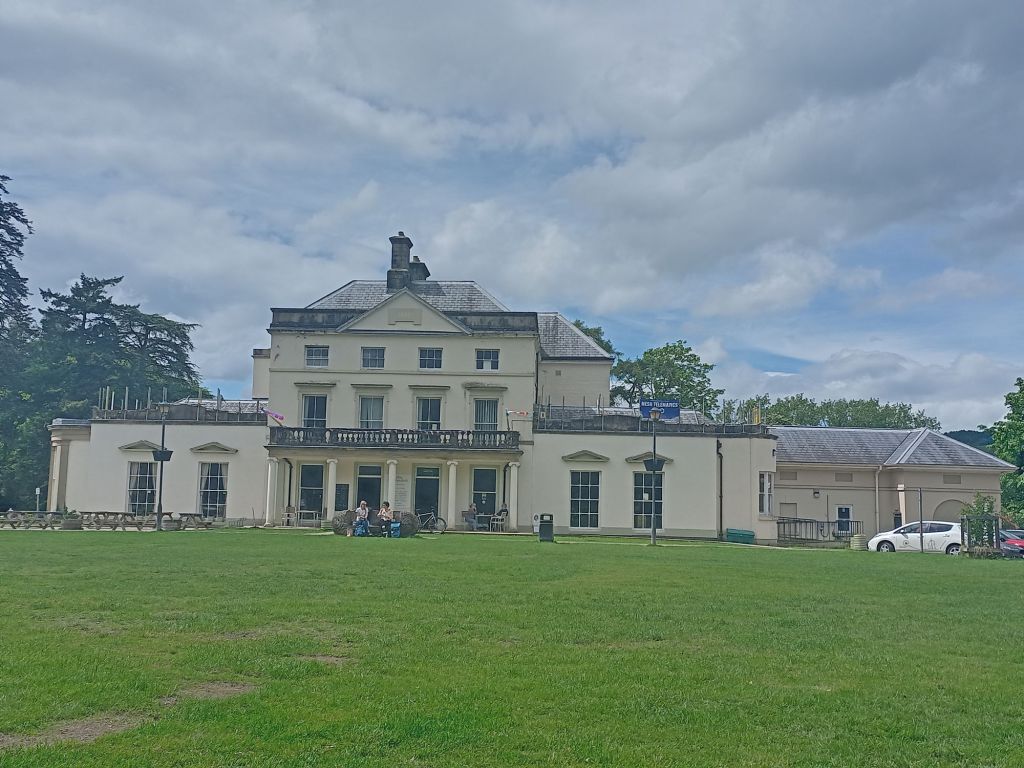
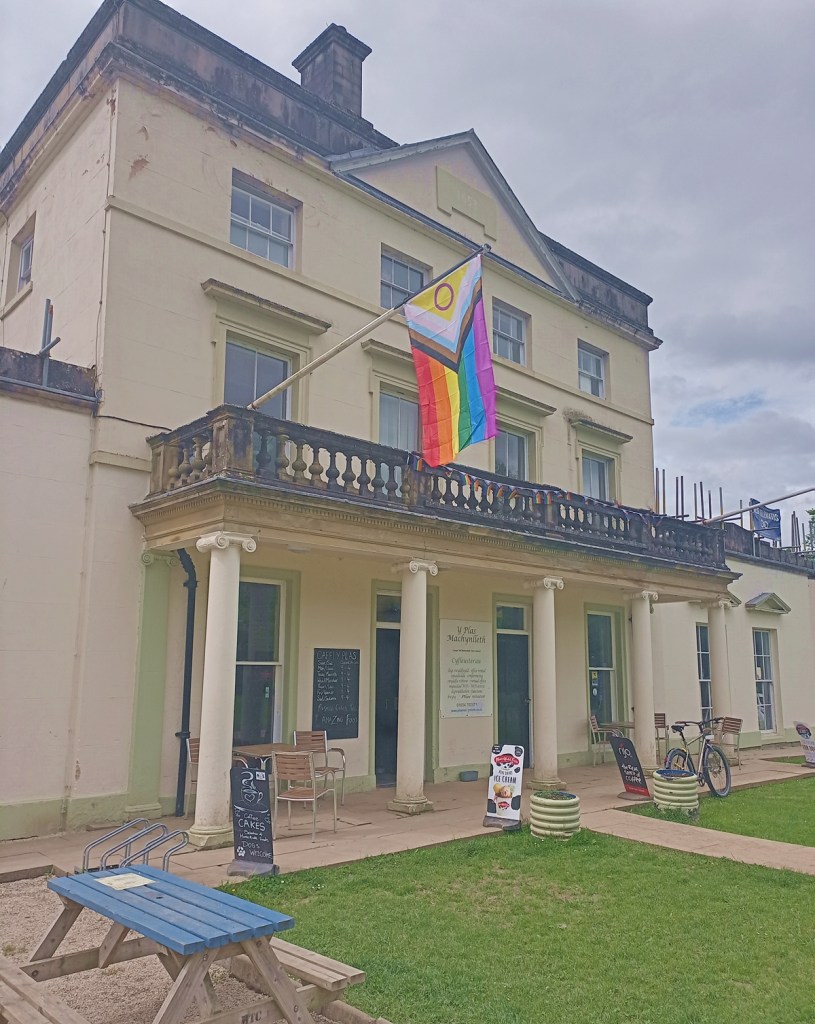
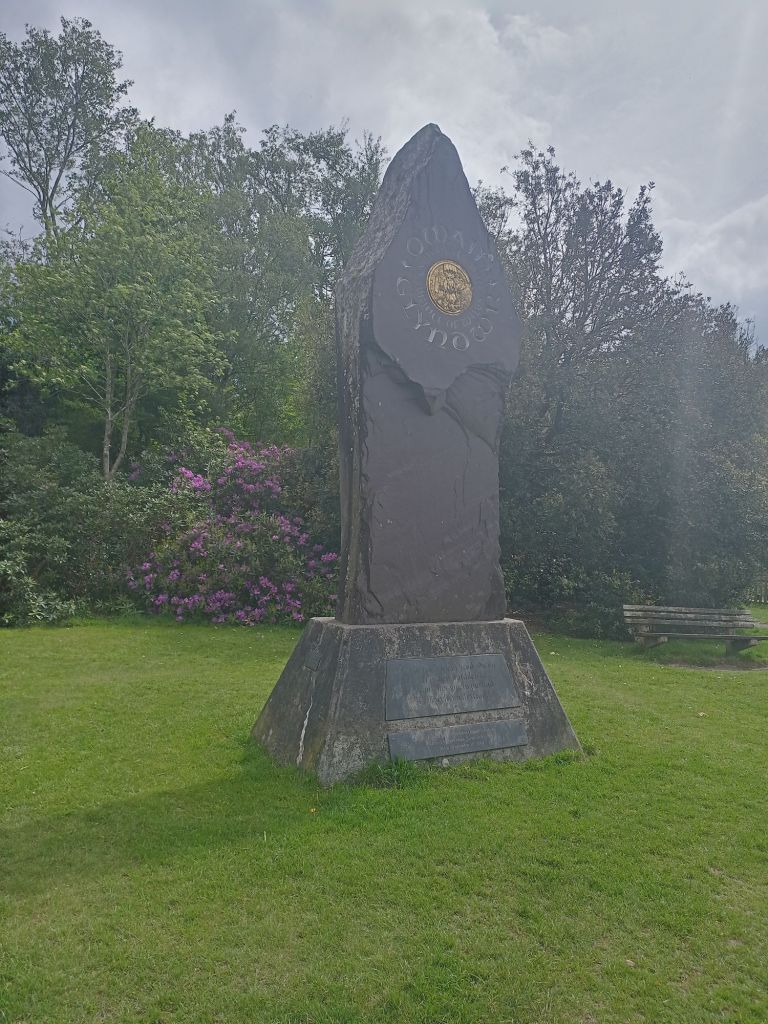
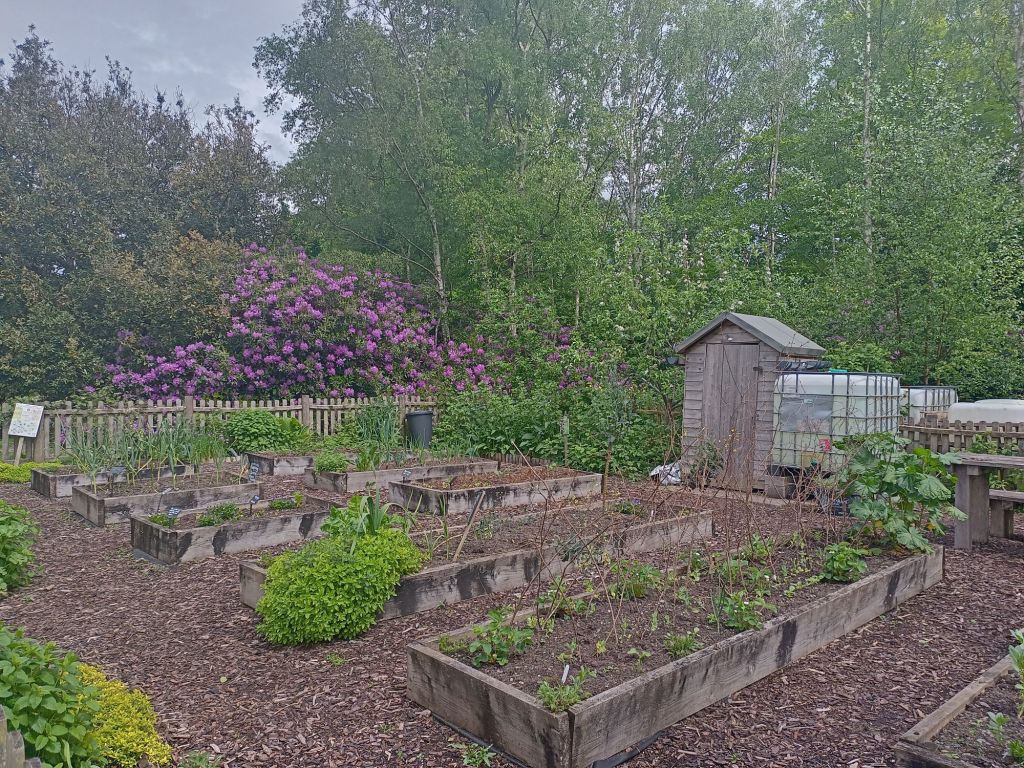
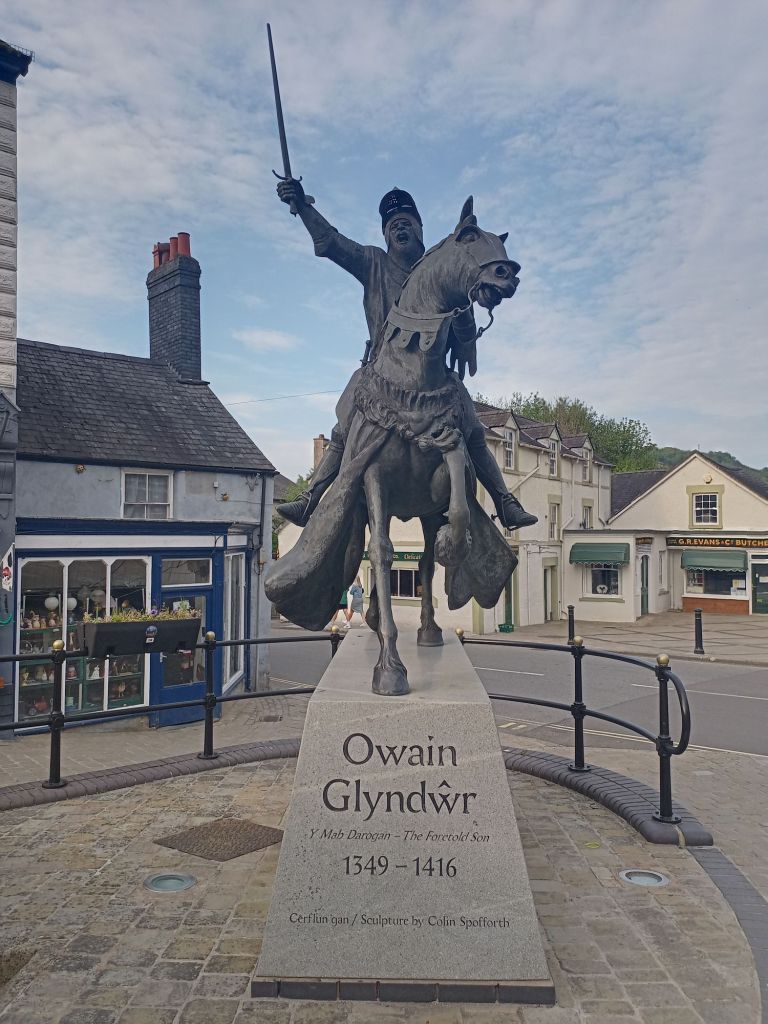
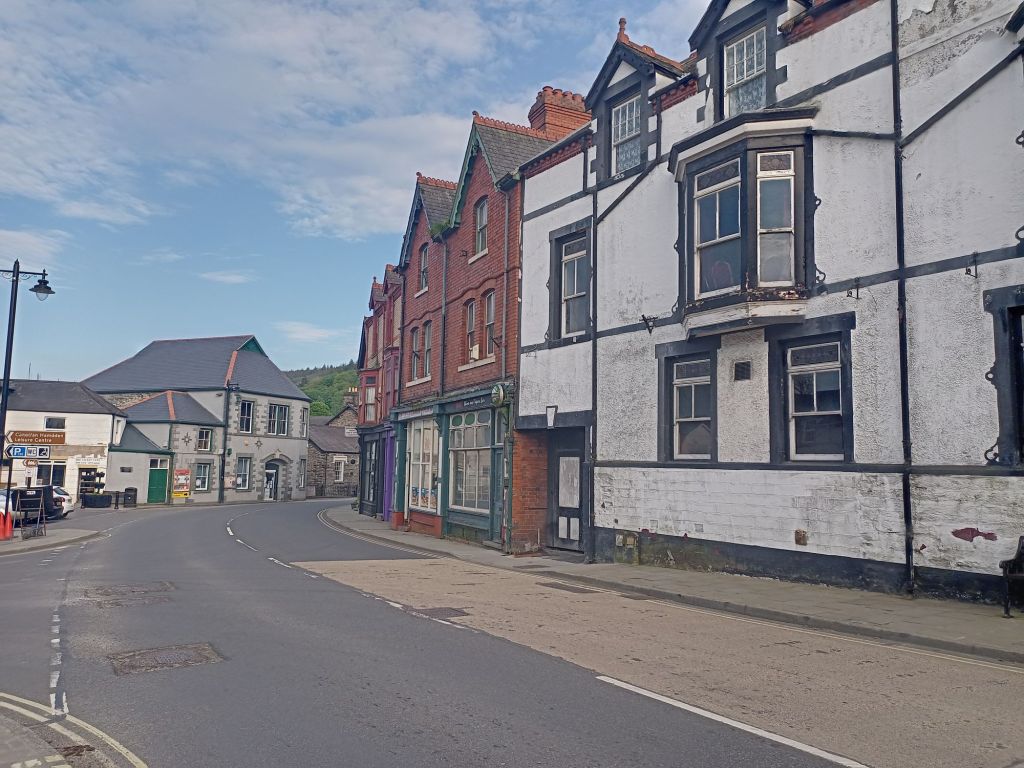
In Machynlleth, we wandered from the station along the main streets, observing the old houses and shops. We had lunch at the foot of the town’s clock tower and then visited the grounds of Y Plas Machynlleth. Y Plas is a large Georgian mansion, originally the home of the Marquess of Londonderry, which is now owned by the local council and used for offices and a cafe. In the large grassy grounds are a recreation centre, a community garden, and a slate monument to Owain Glyndŵr. Owain, a trained lawyer and descendant from Welsh royalty, briefly overthrew English control of Wales in the early 1400s. He ruled the country as Prince of Wales for about 5 years, using Machynlleth as his parliamentary headquarters.
On our way back to Machynlleth station we visited the Museum of Modern Art. We particularly liked the computer-created ‘digital vector drawings’ of North Wales landscapes by artist Beth Horrocks https://moma.cymru/en/e/beth-horrocks-anchor-points/.
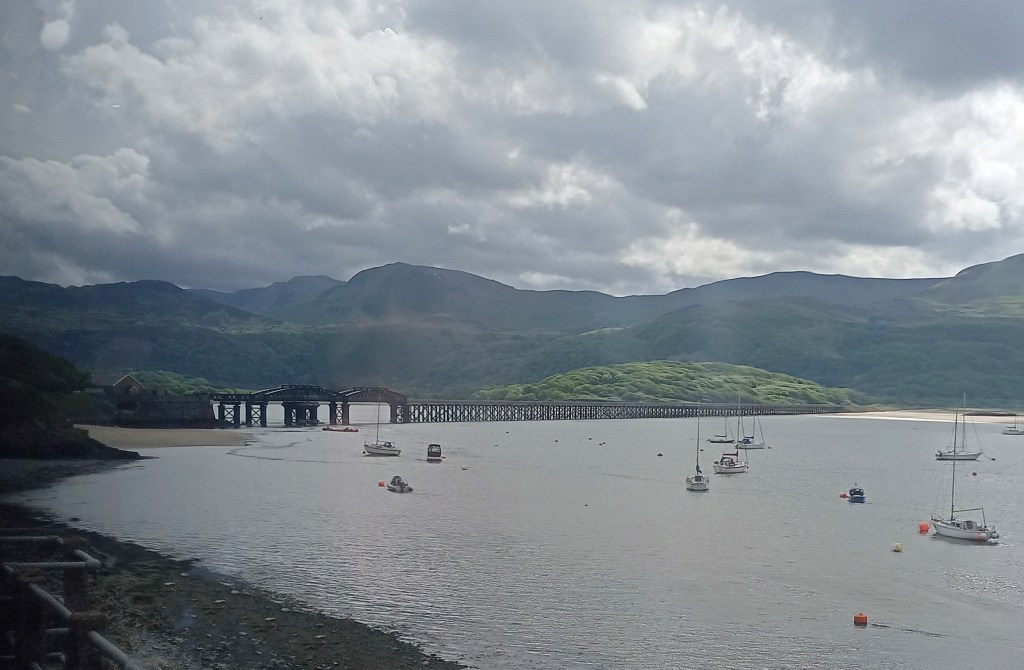
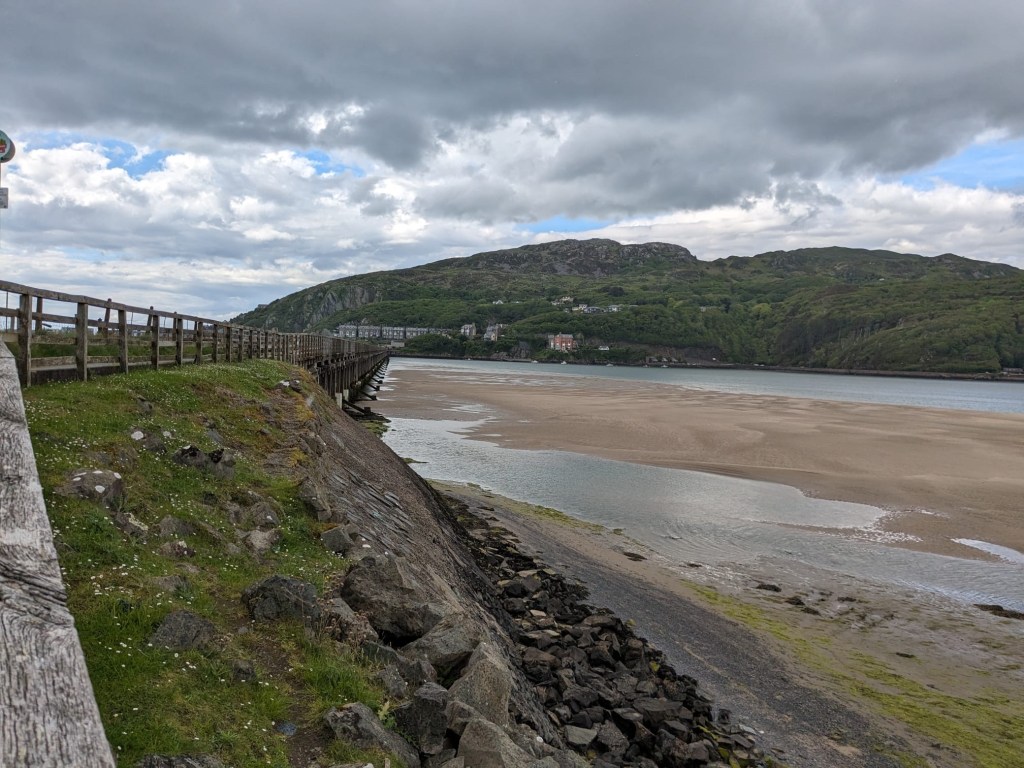
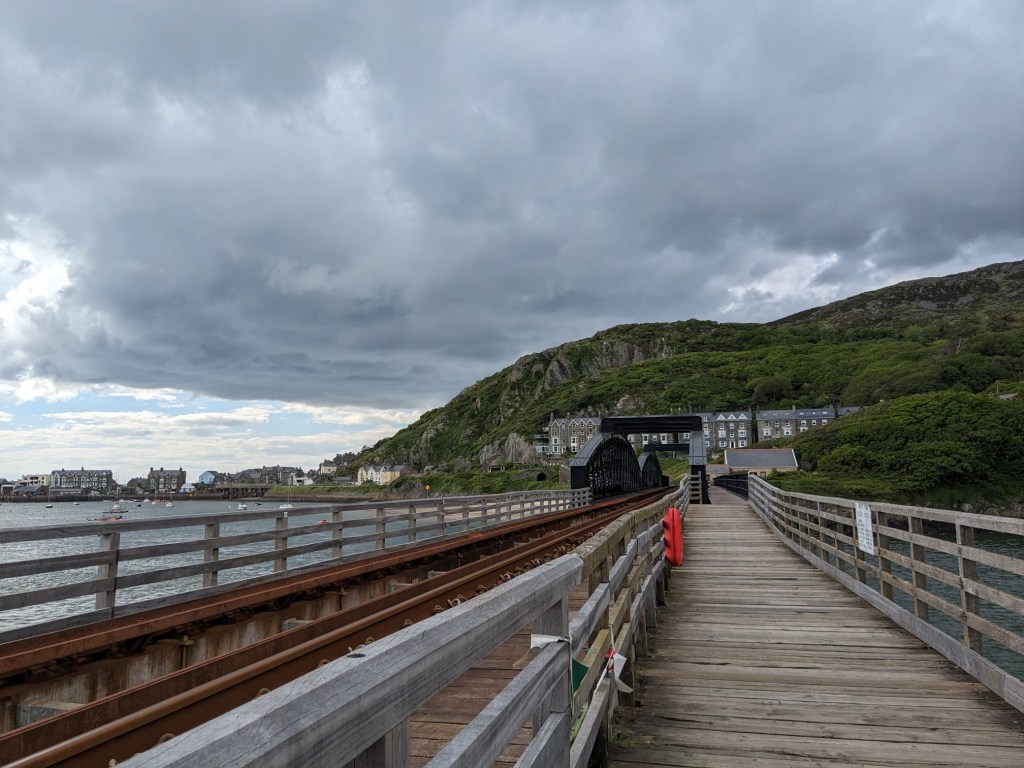
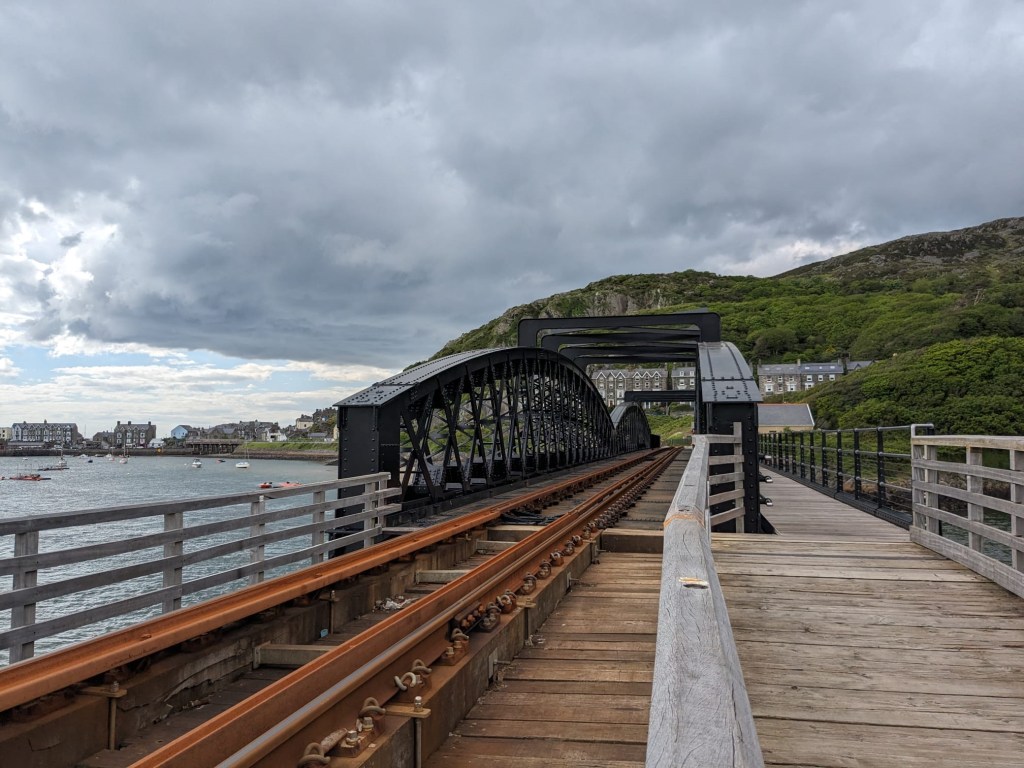
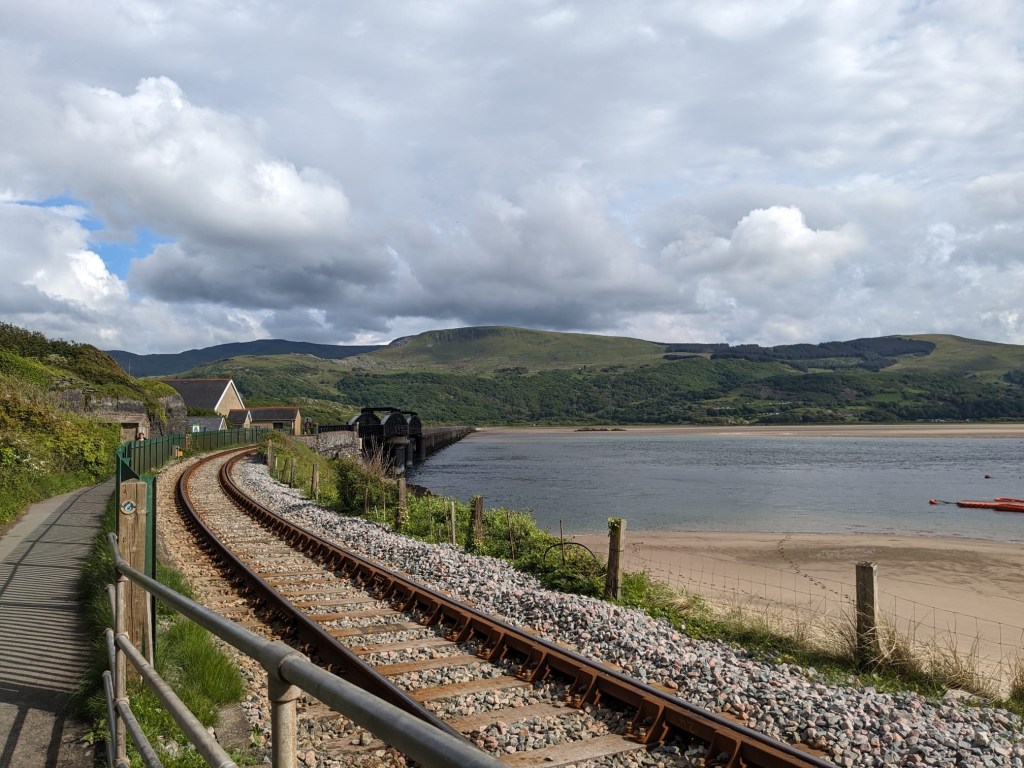
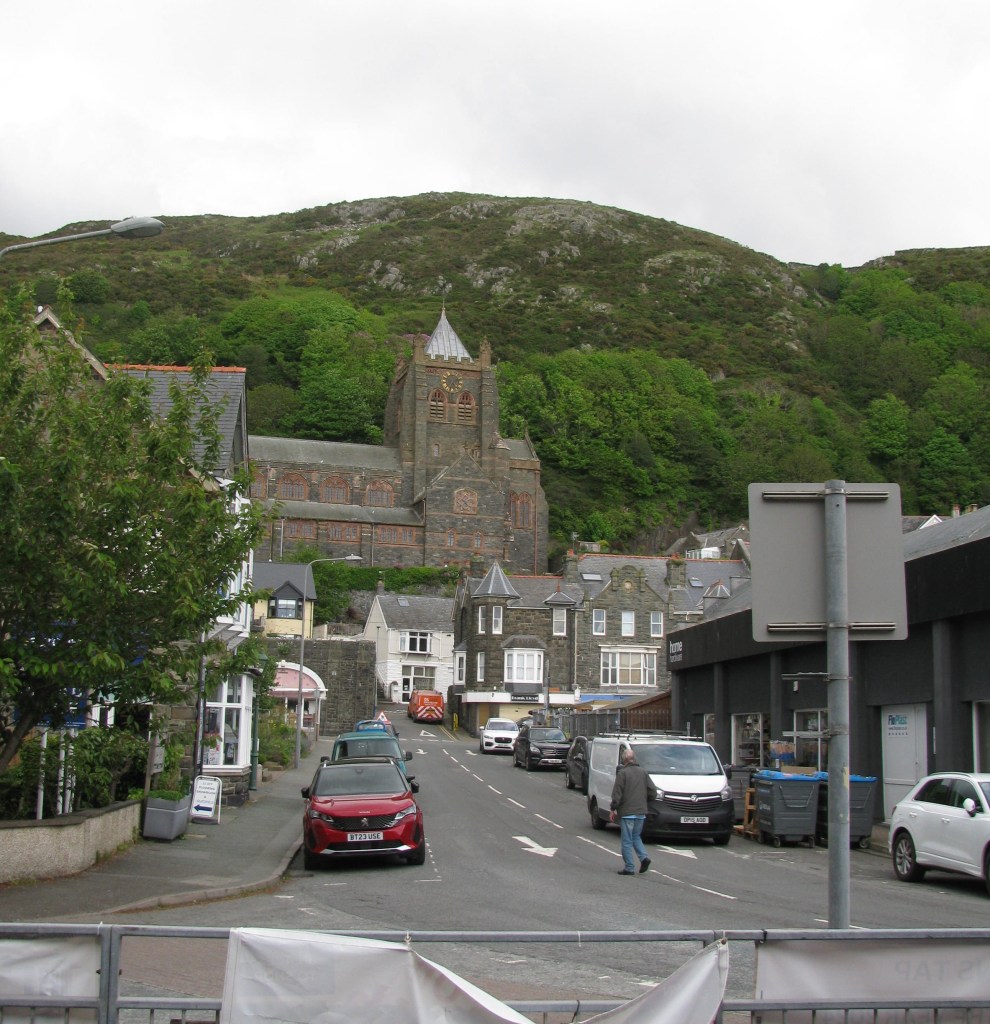
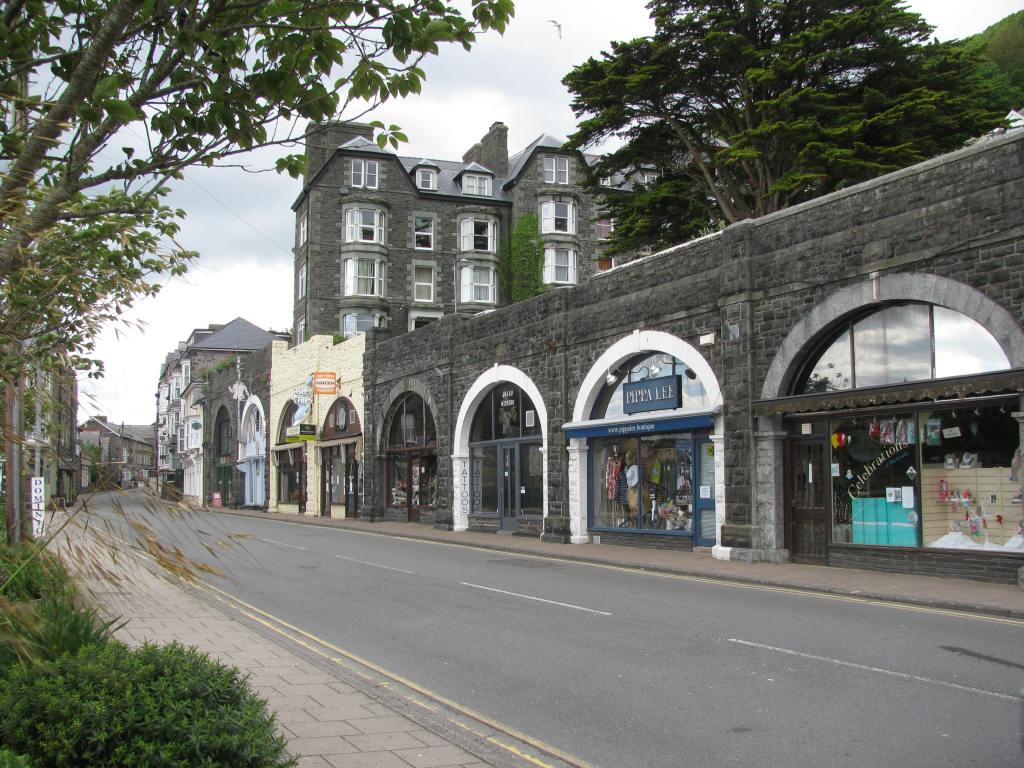
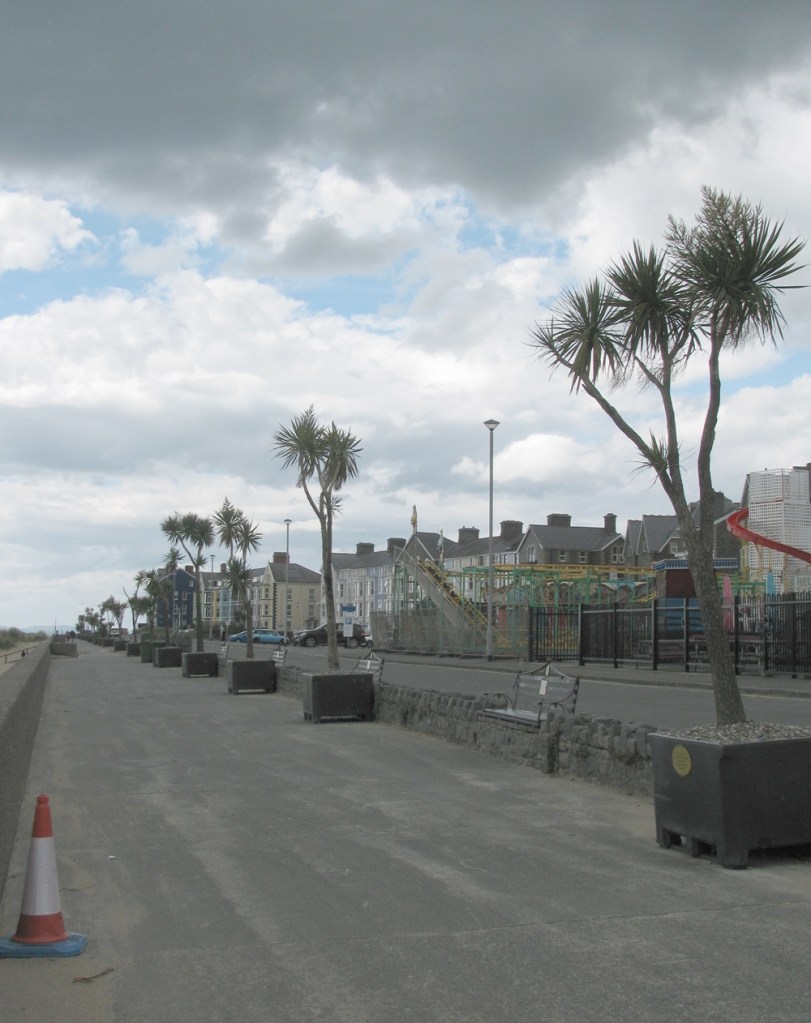
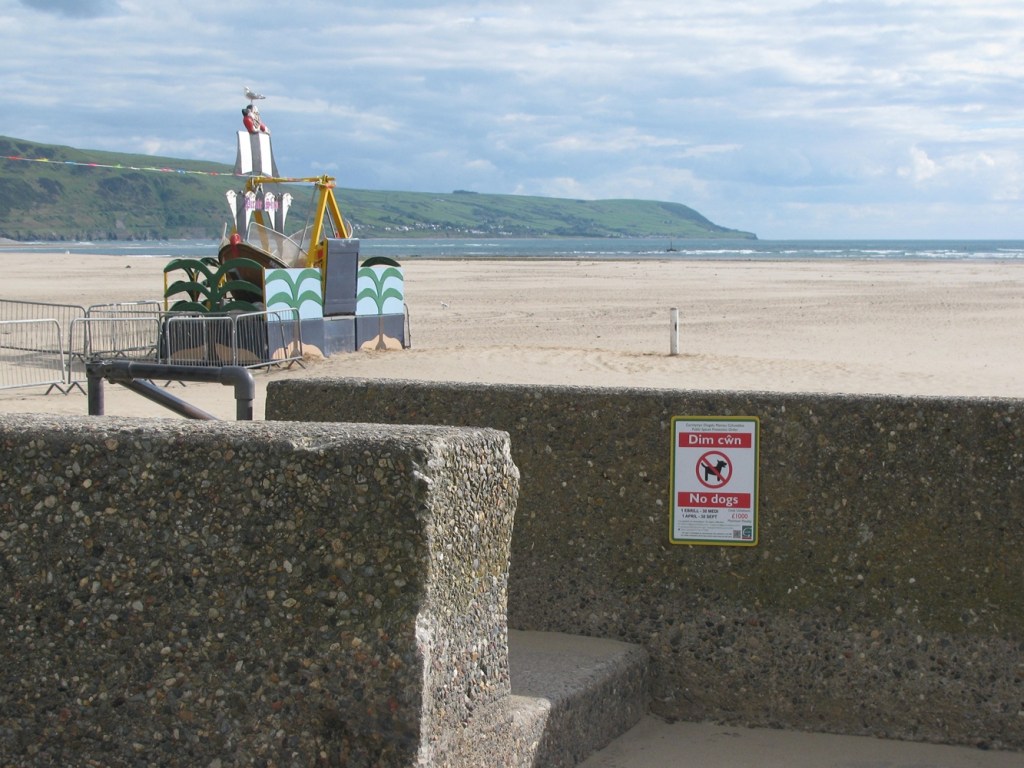
On the return journey, E got off the train one stop before Barmouth / Abermaw station and walked across the Barmouth Bridge, which is an old (1867) 820m-long wooden viaduct for trains and pedestrians. Meanwhile, Caroline explored parts of Barmouth near the railway station, which included both elegant three and four-storey Welsh-style guest houses and old cottages, often right next to fairly run down, and frankly tacky, seaside ‘attractions’. The very large St John’s Church (built in 1895) overlooks the town and the beach itself is expansive and has lovely sand and some significant waves, which have been largely absent from the beaches we’ve seen in the last week.
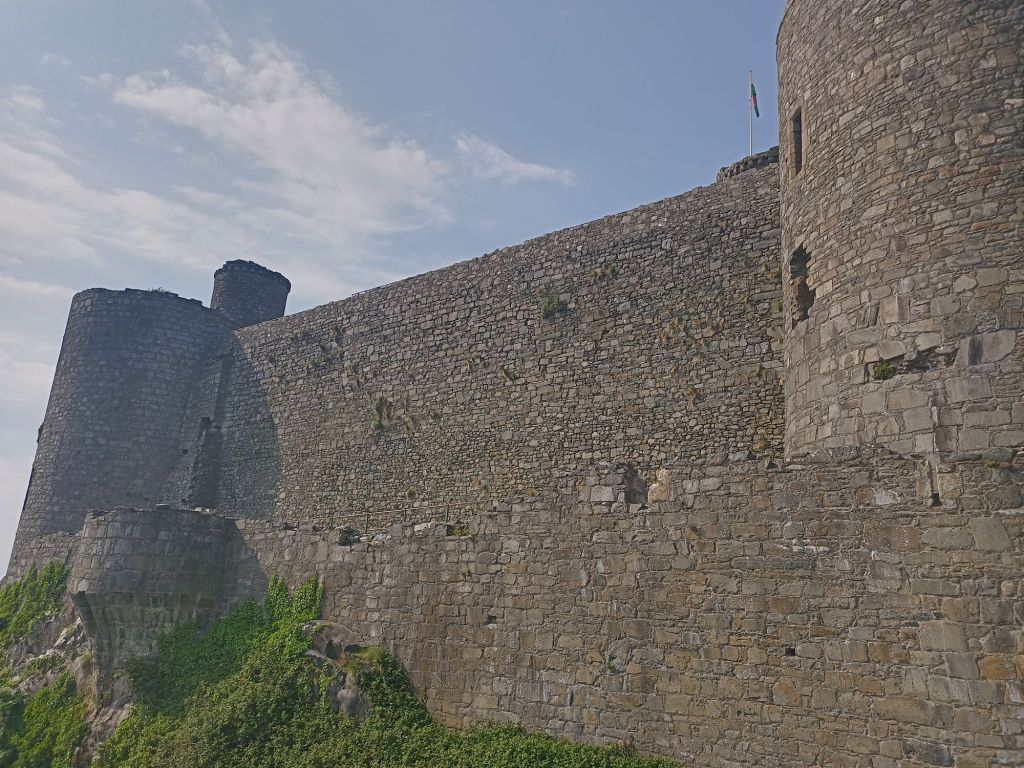
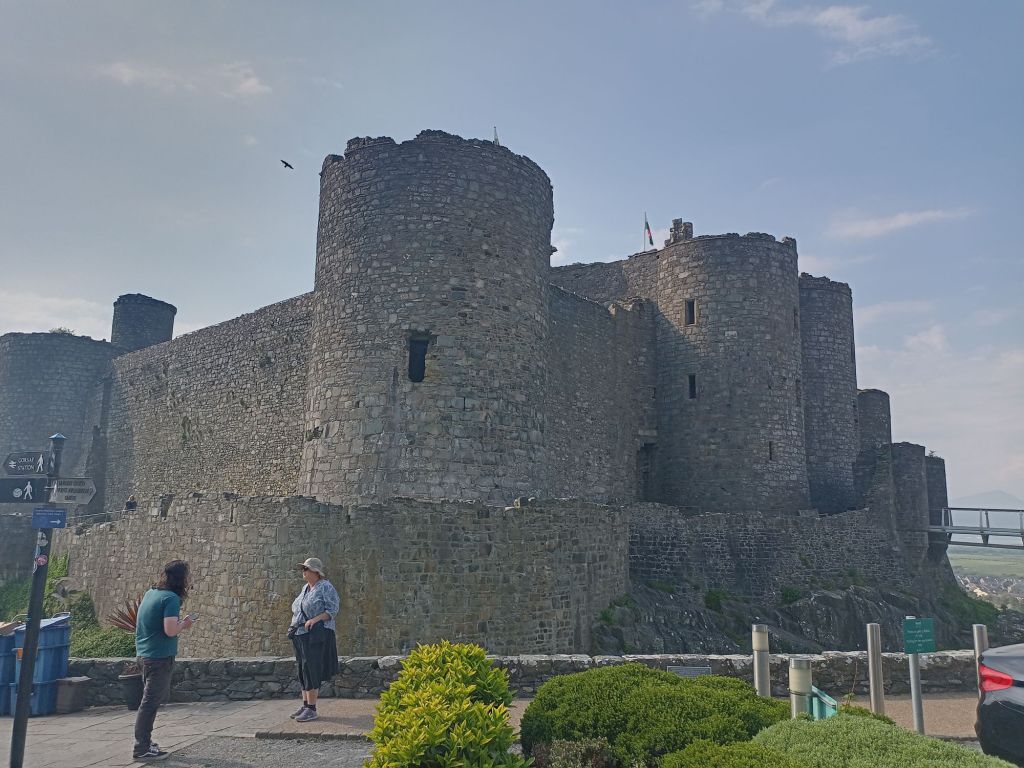
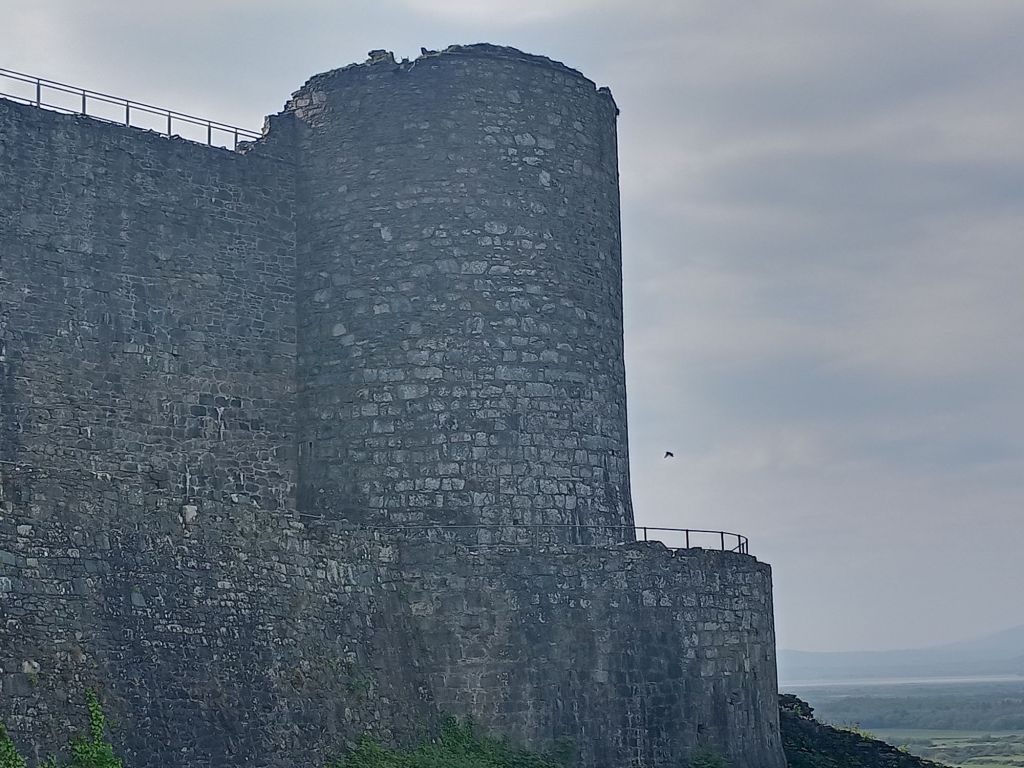
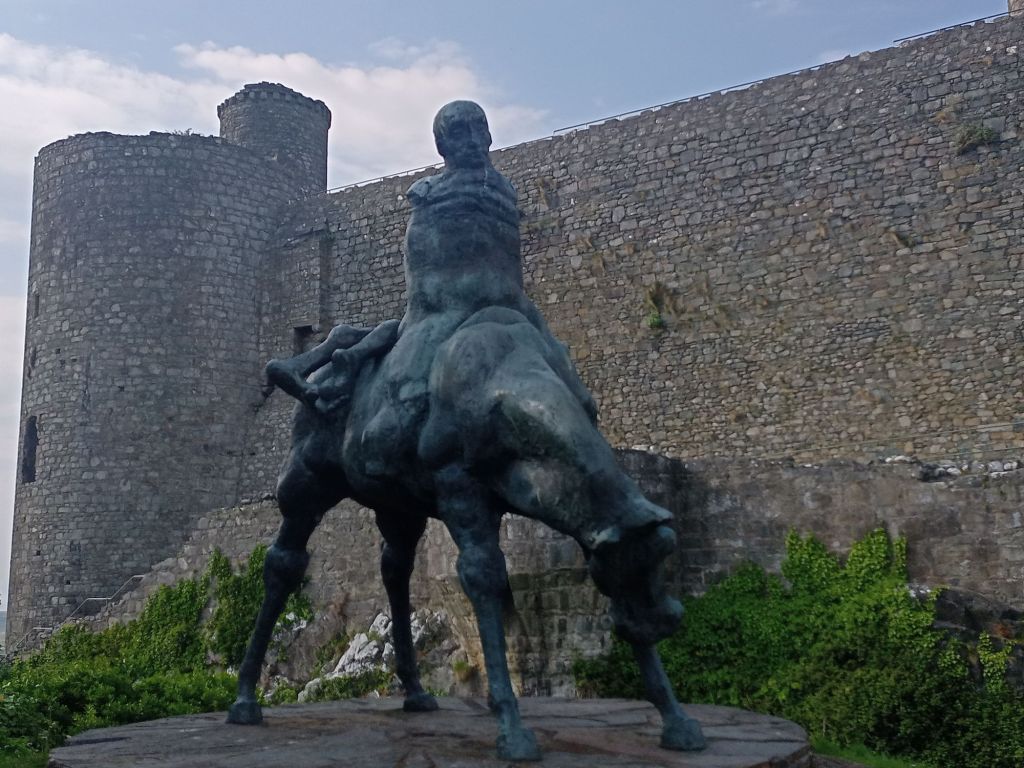
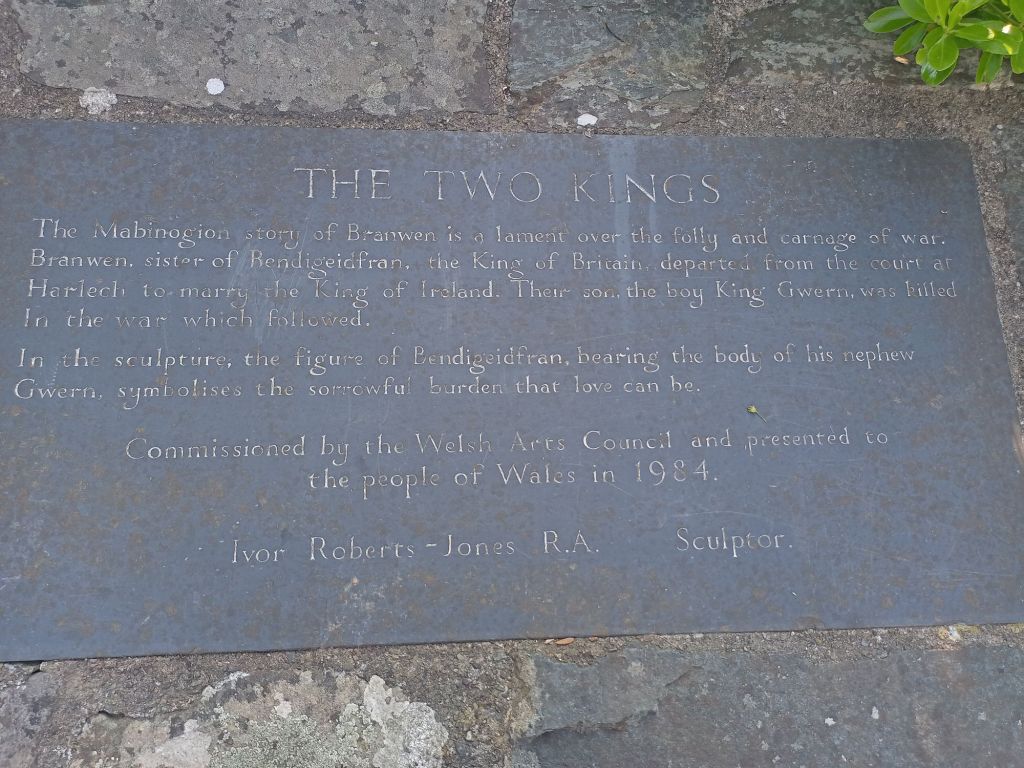
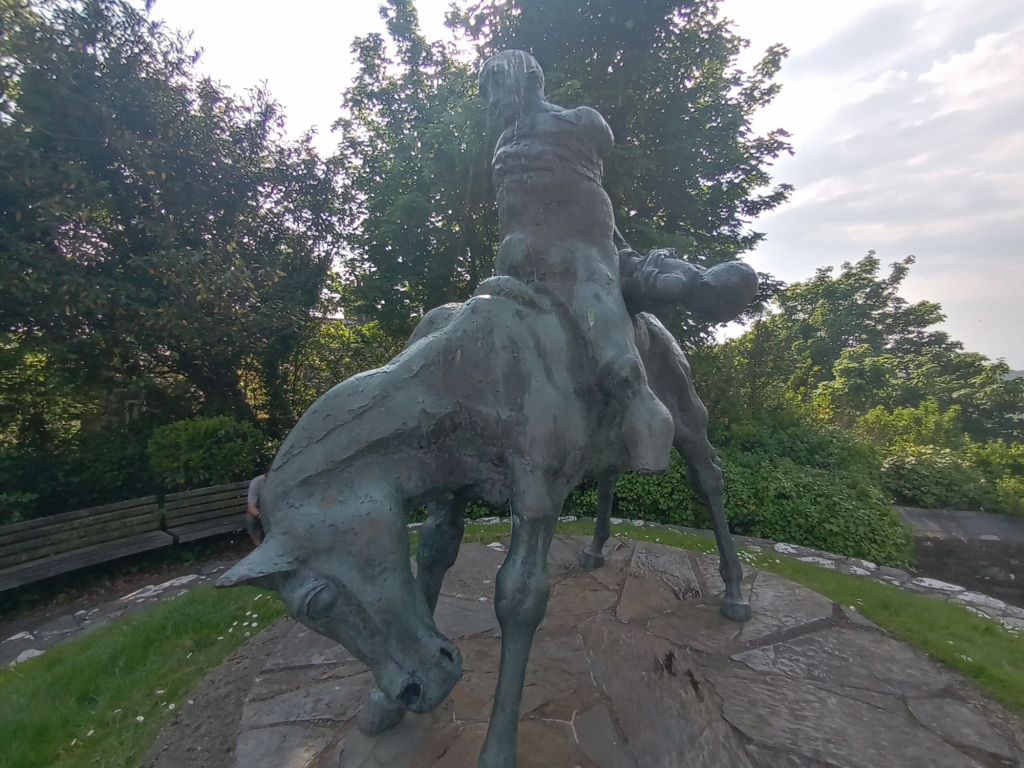
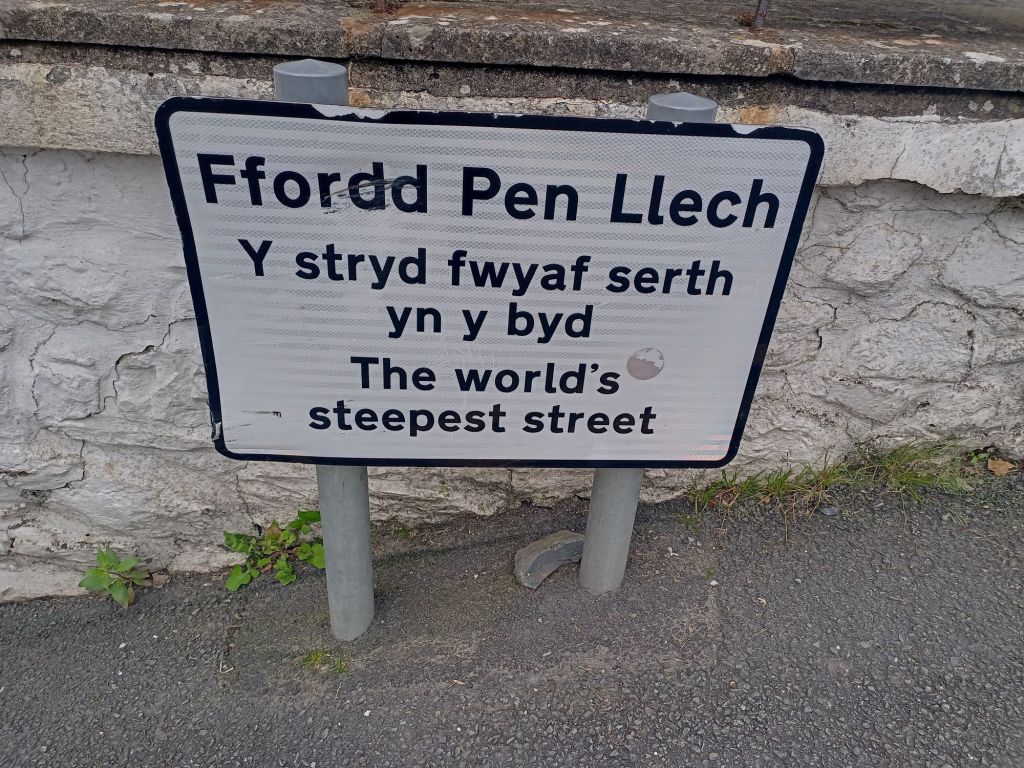
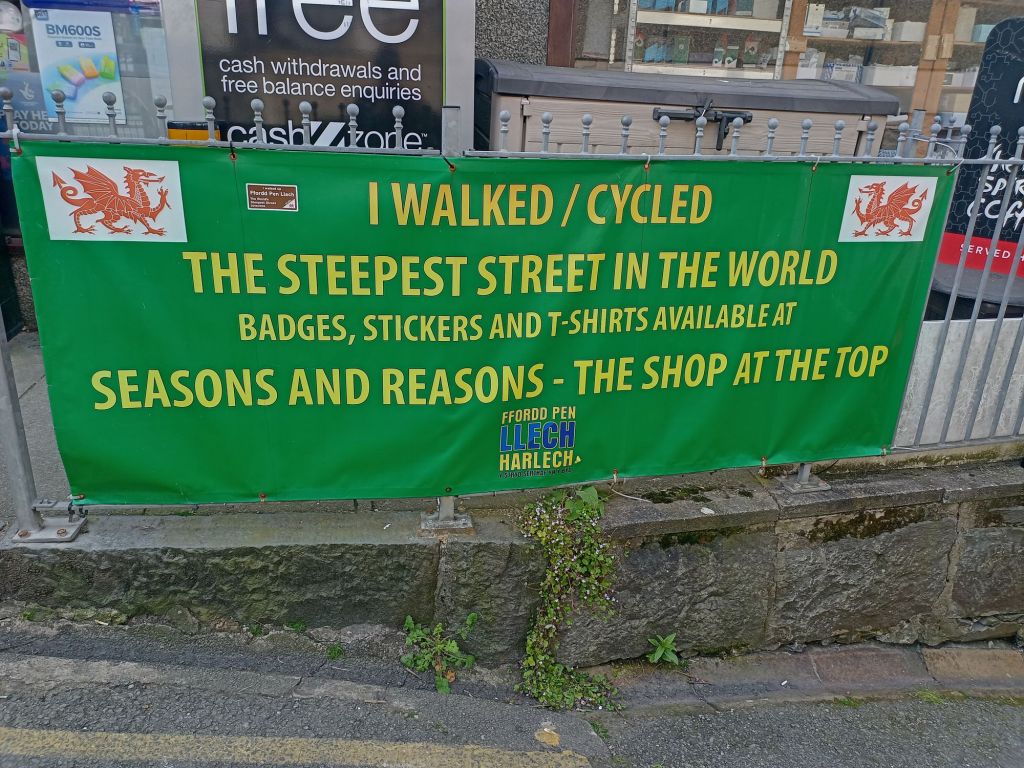
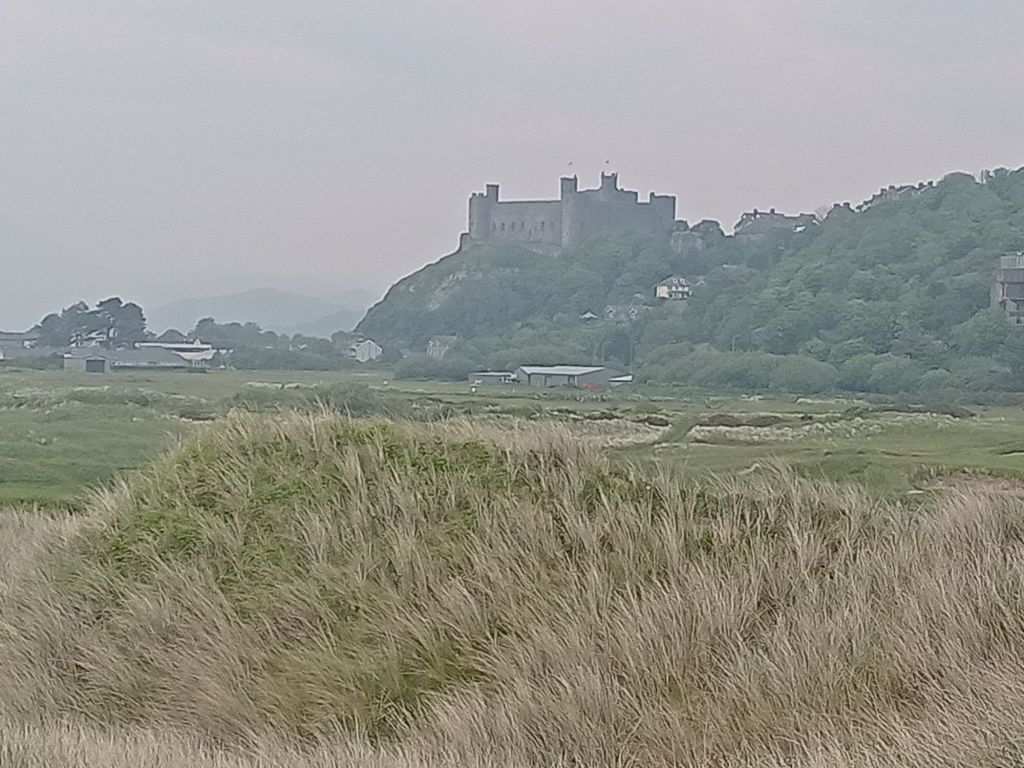
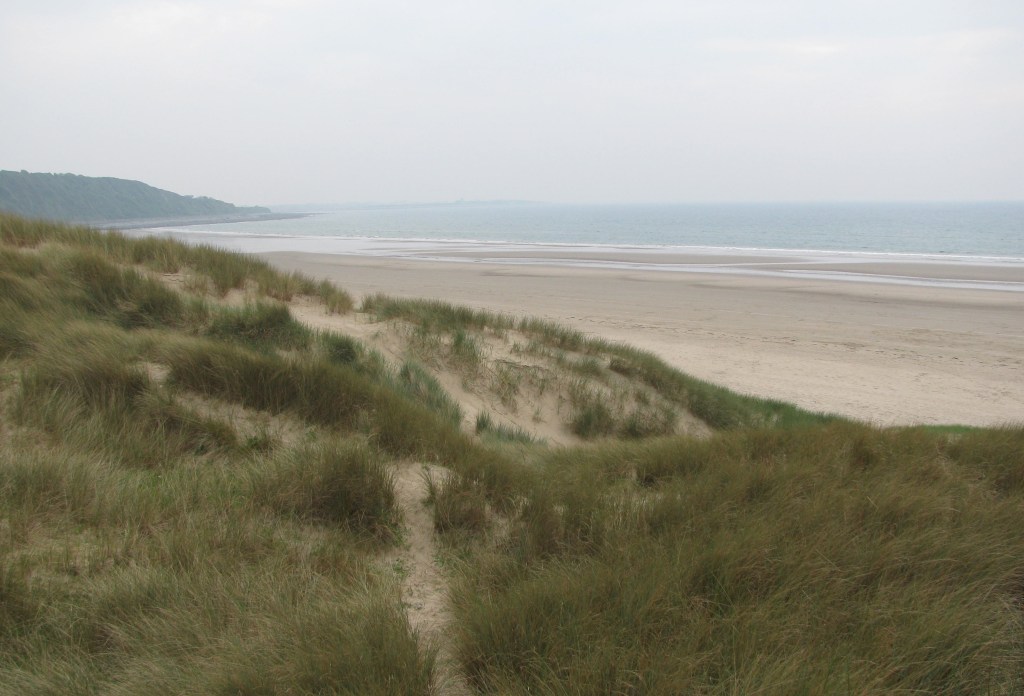
Another warm and sunny day. We had a quiet start to the morning, making the most of the cottage’s comfortable beds and lovely views from the upstair windows. After lunch Ian went for a walk in nearby fields and met some new friends. Later in the afternoon the three of us took a drive to Harlech, partly to examine its famous castle and partly to dispute its claim to possessing the world’s steepest street.
Harlech Castle
Harlech Beach
North Wales Day 4 – Snowdonia, National Slate Museum
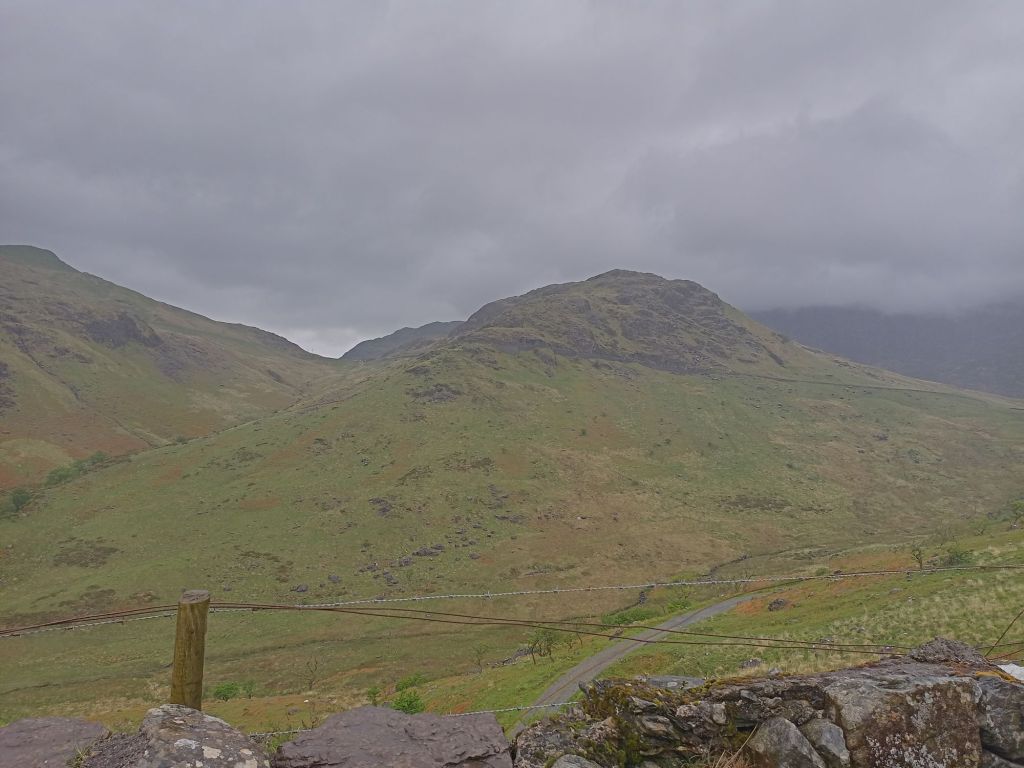
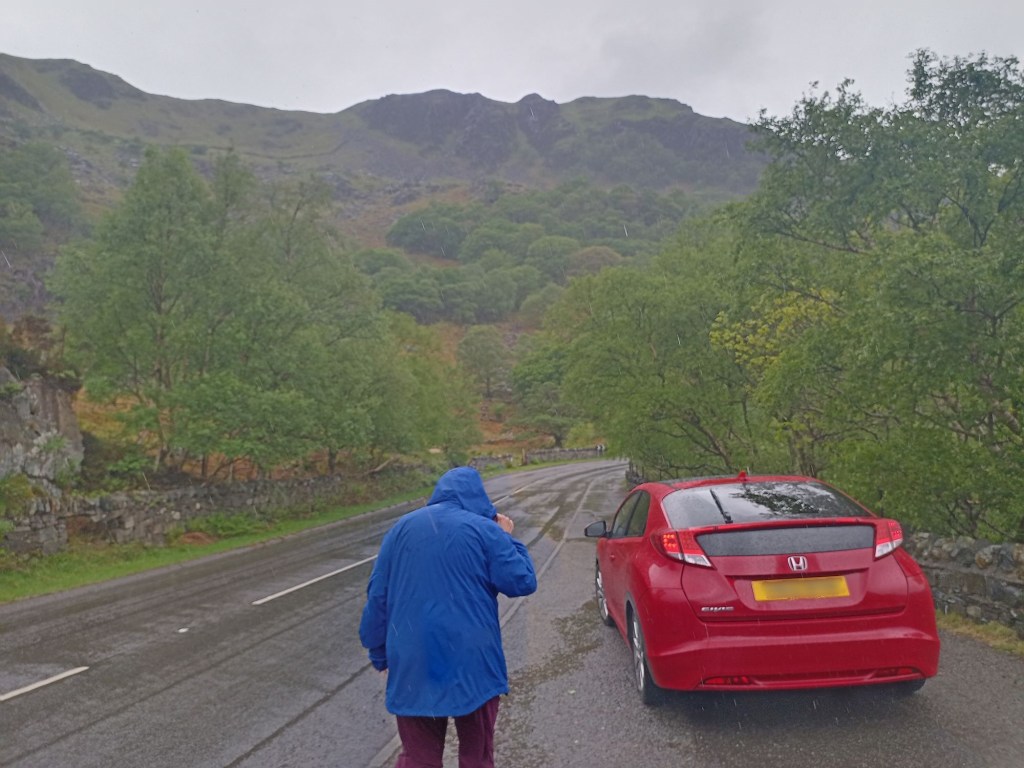
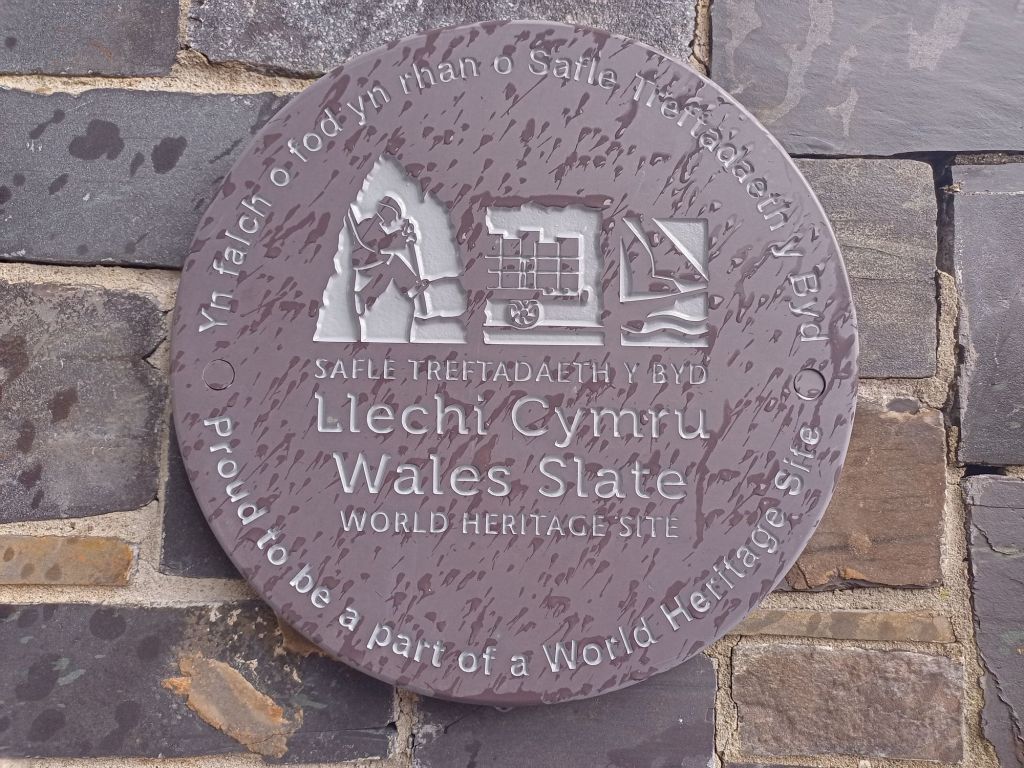
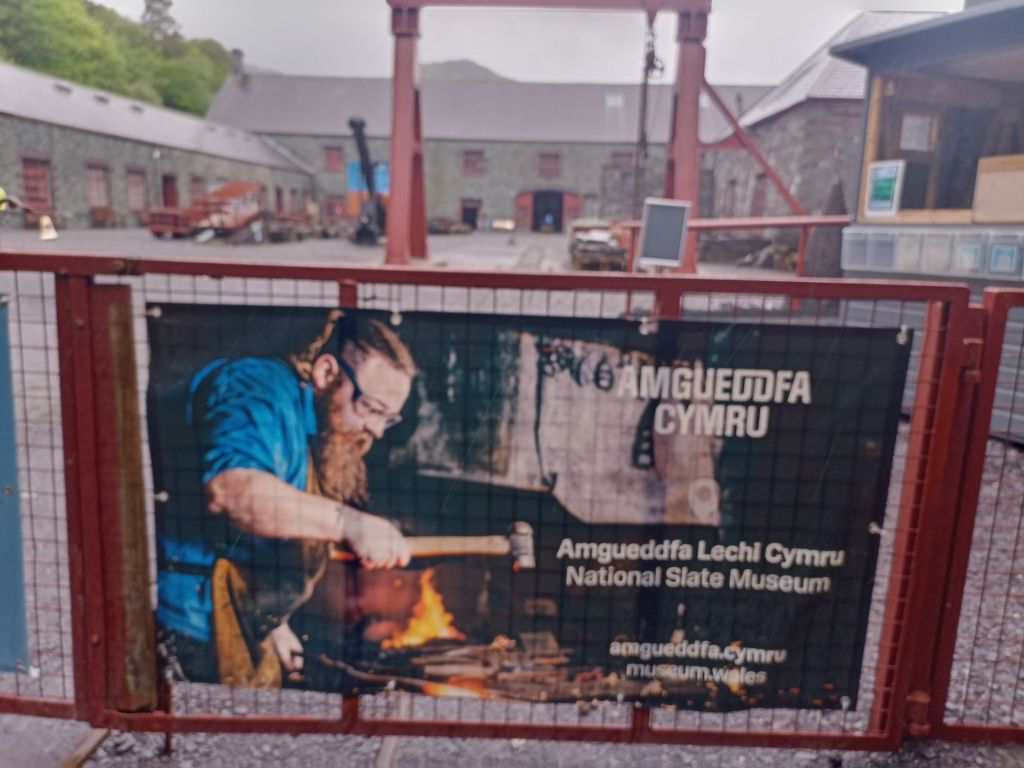
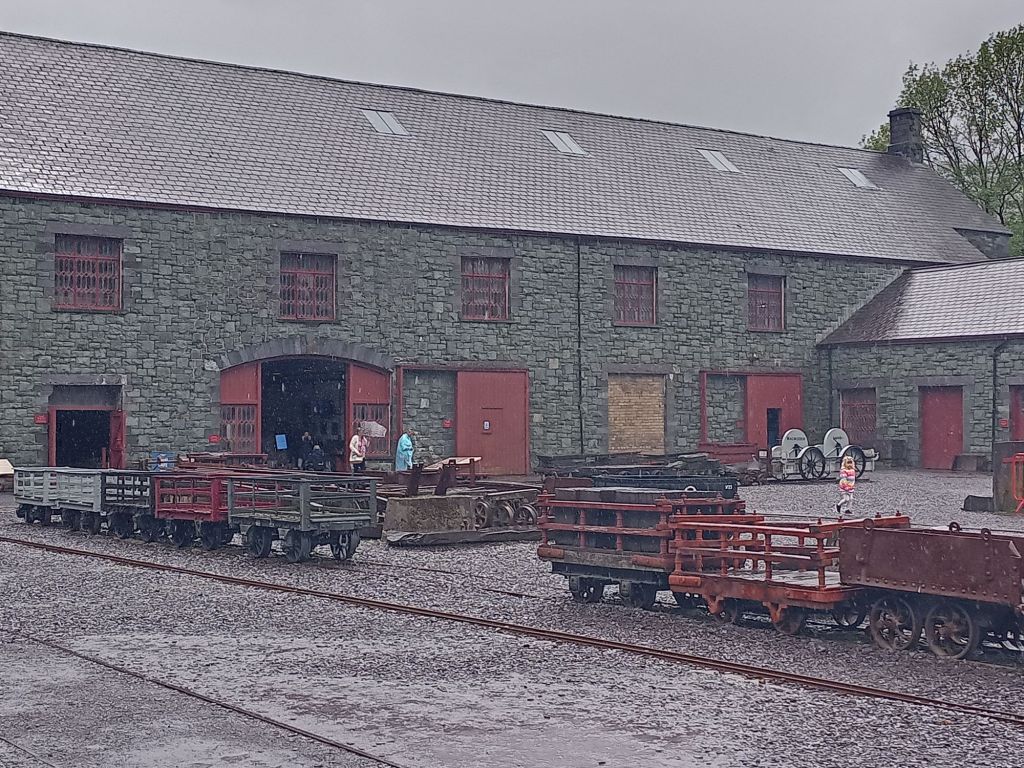
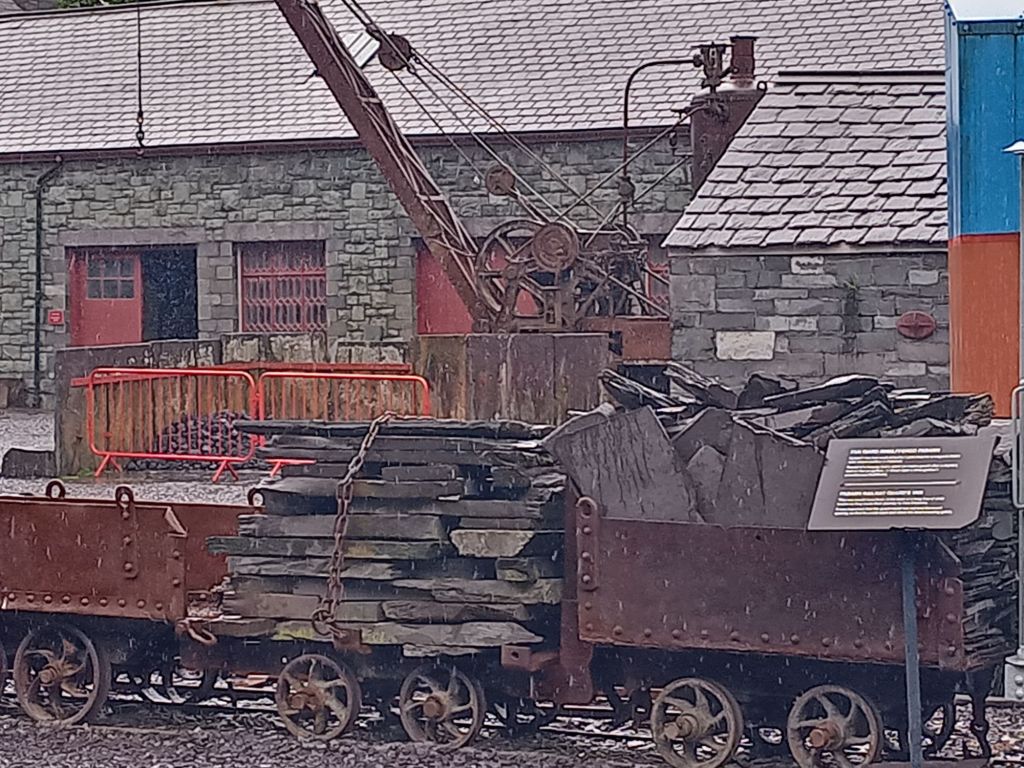
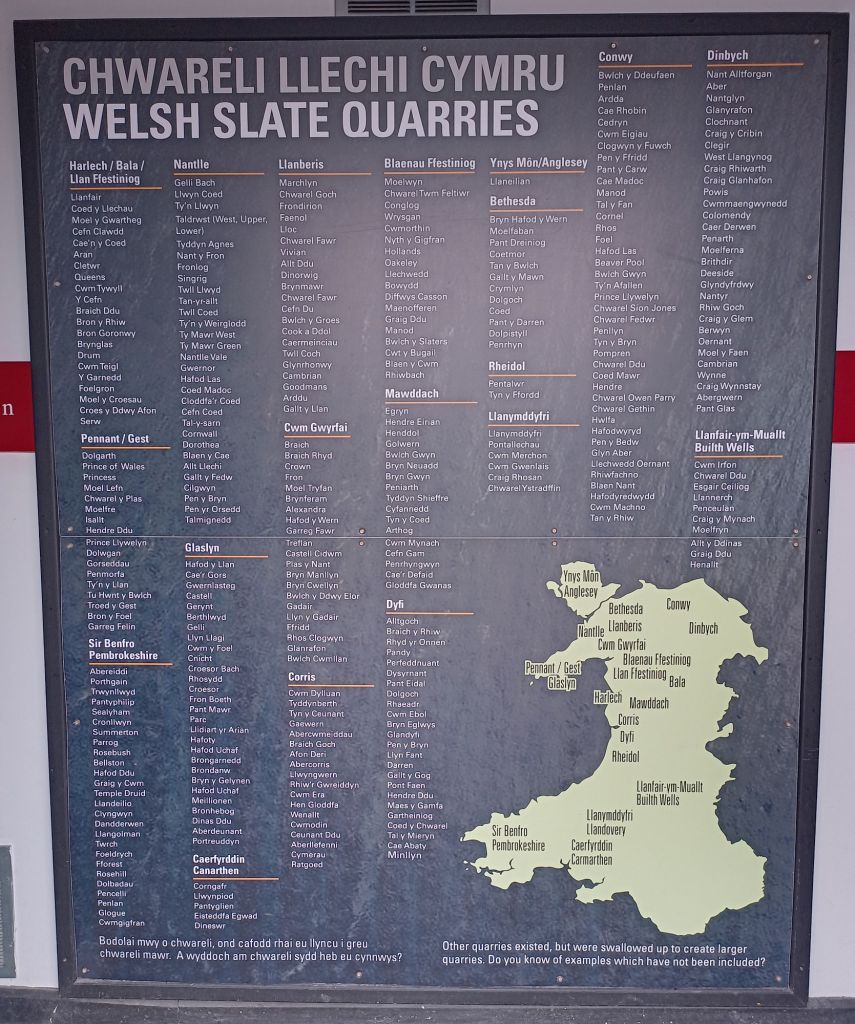
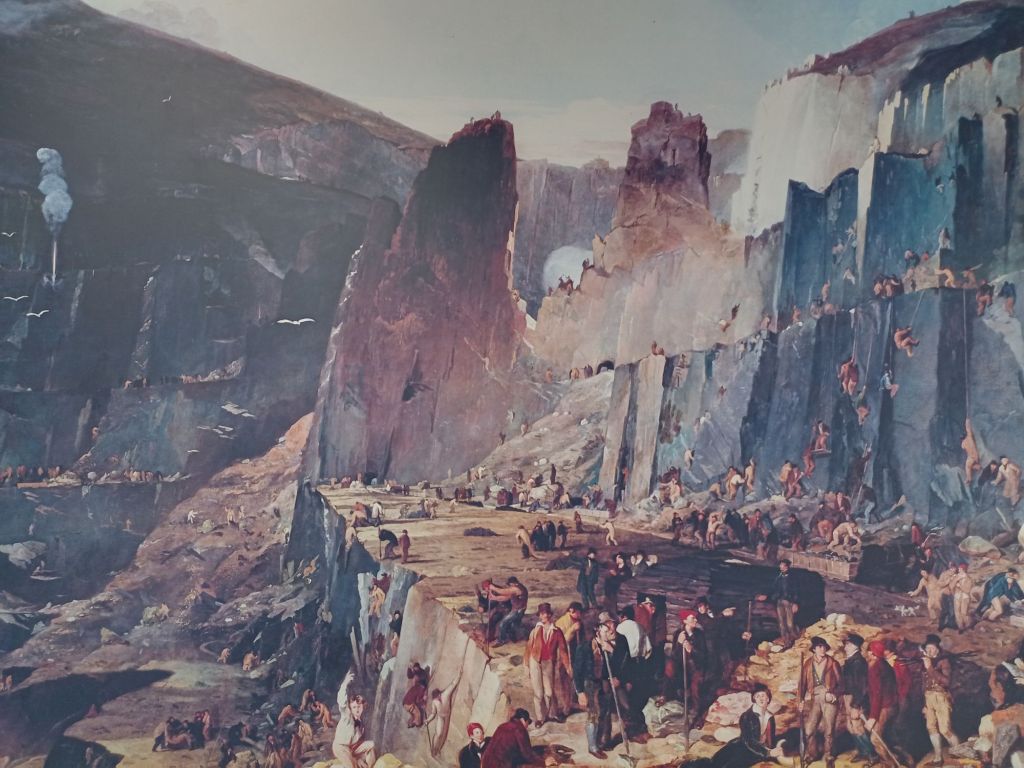
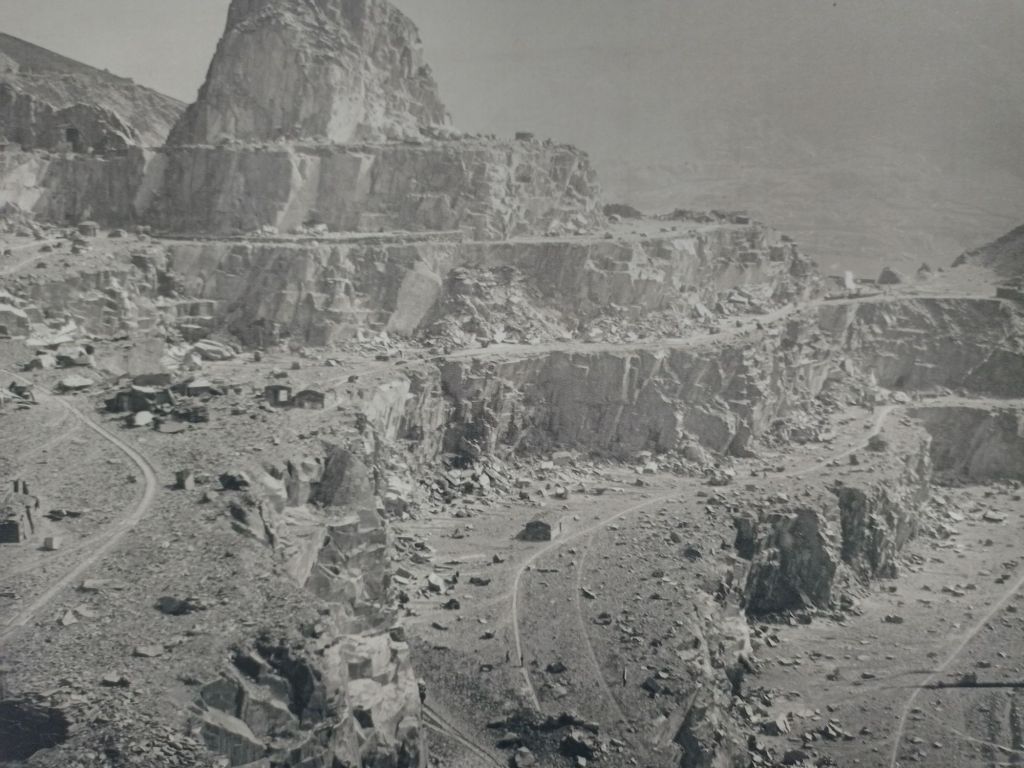
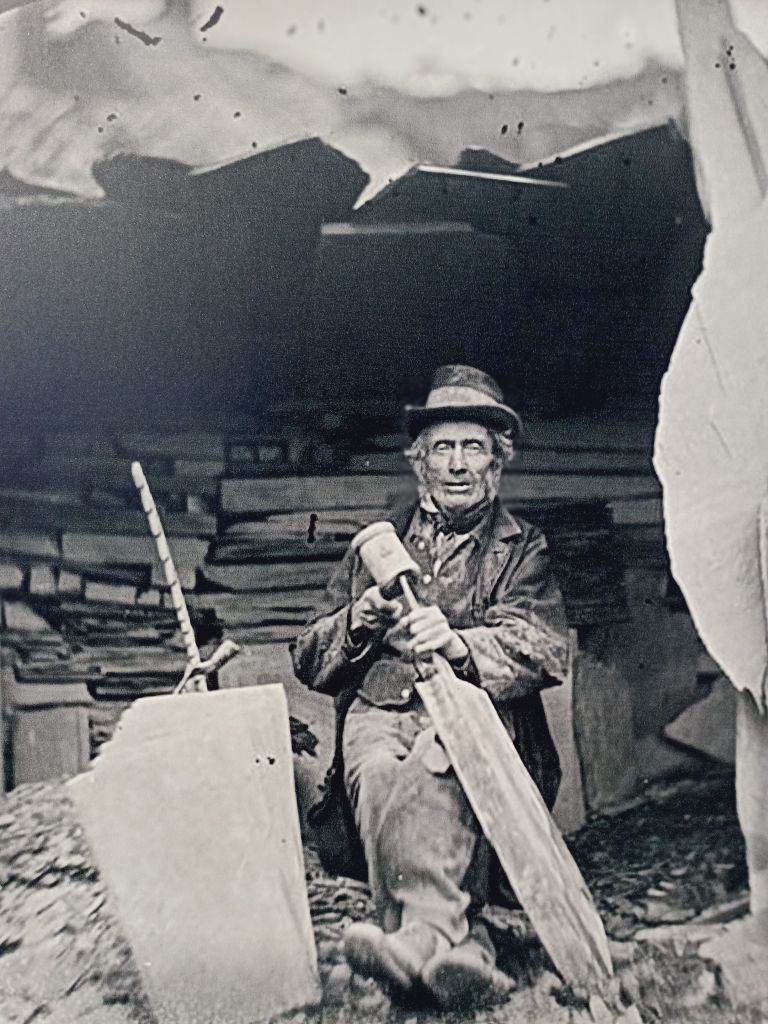
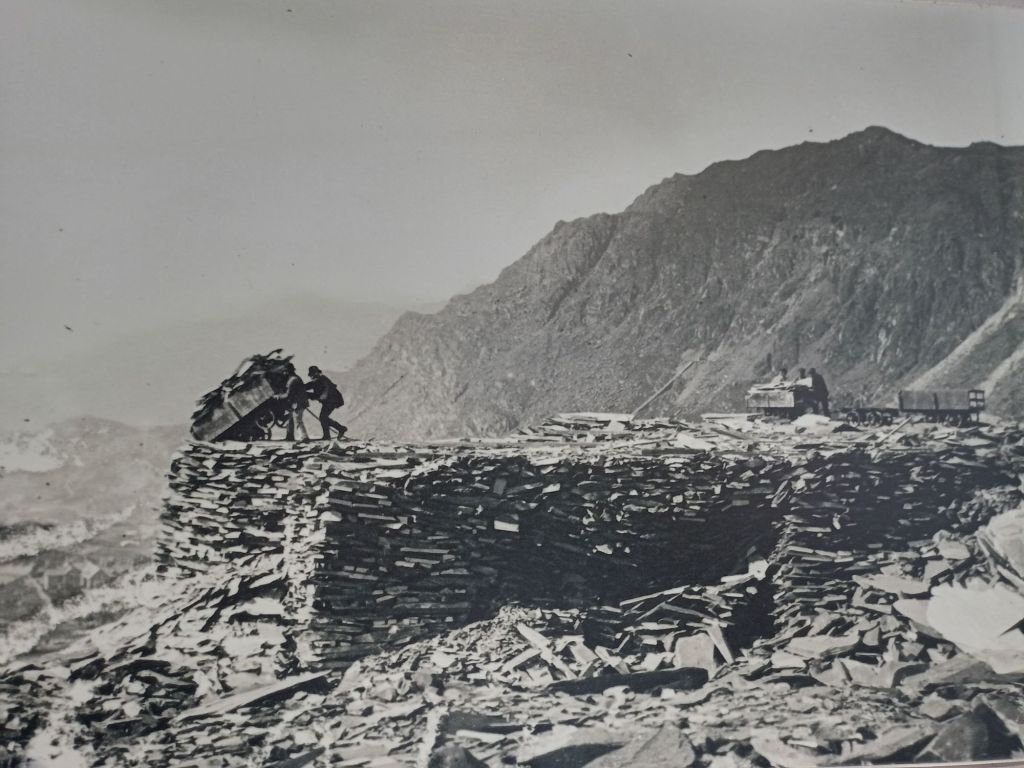
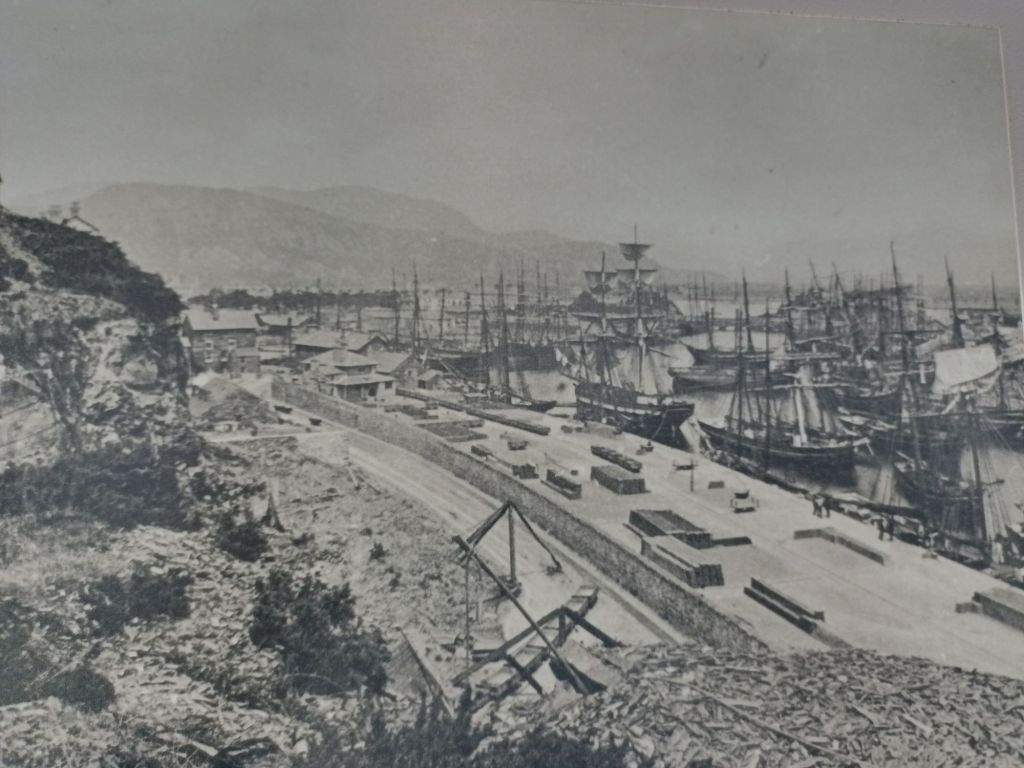
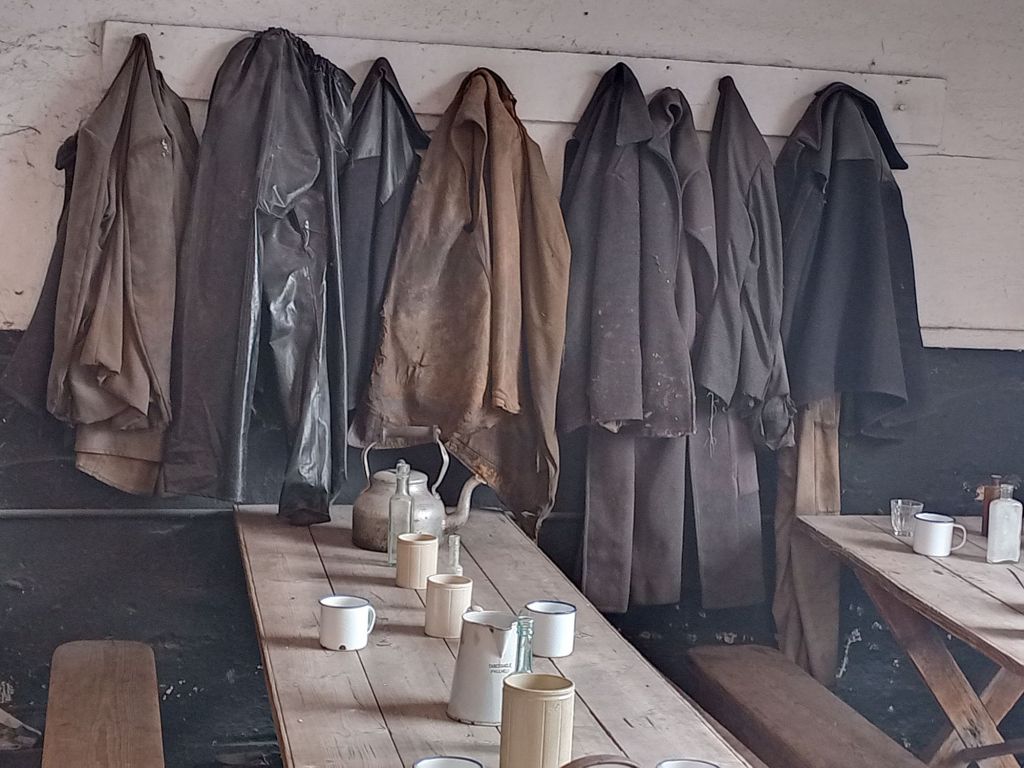
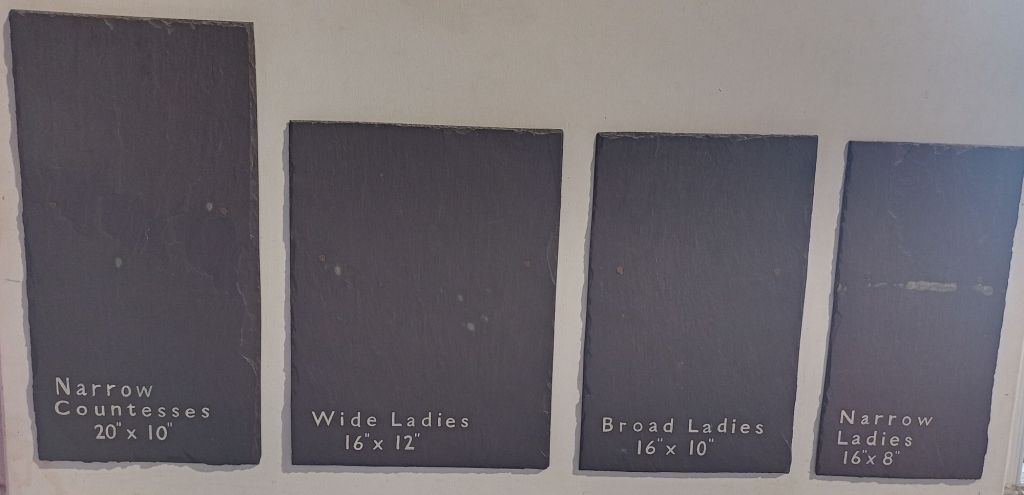
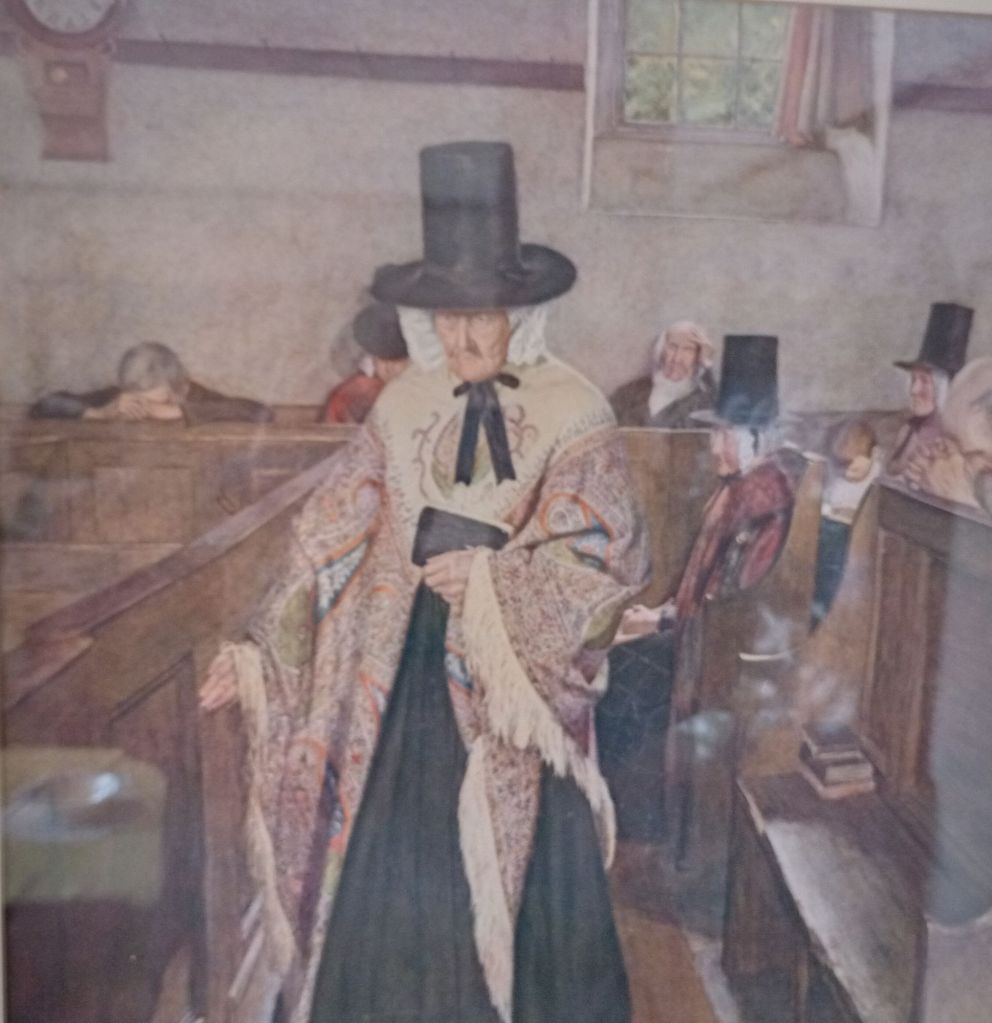
Despite the day being rainy, we set off for the Welsh National Slate Museum at Llanberis. The route to the museum included ascending a high pass near Yr Wyddfa / Mt. Snowdon, at just over 1000 metres, the highest mountain in Wales.
National Slate Museum, Llanberis
Inside the manager’s house
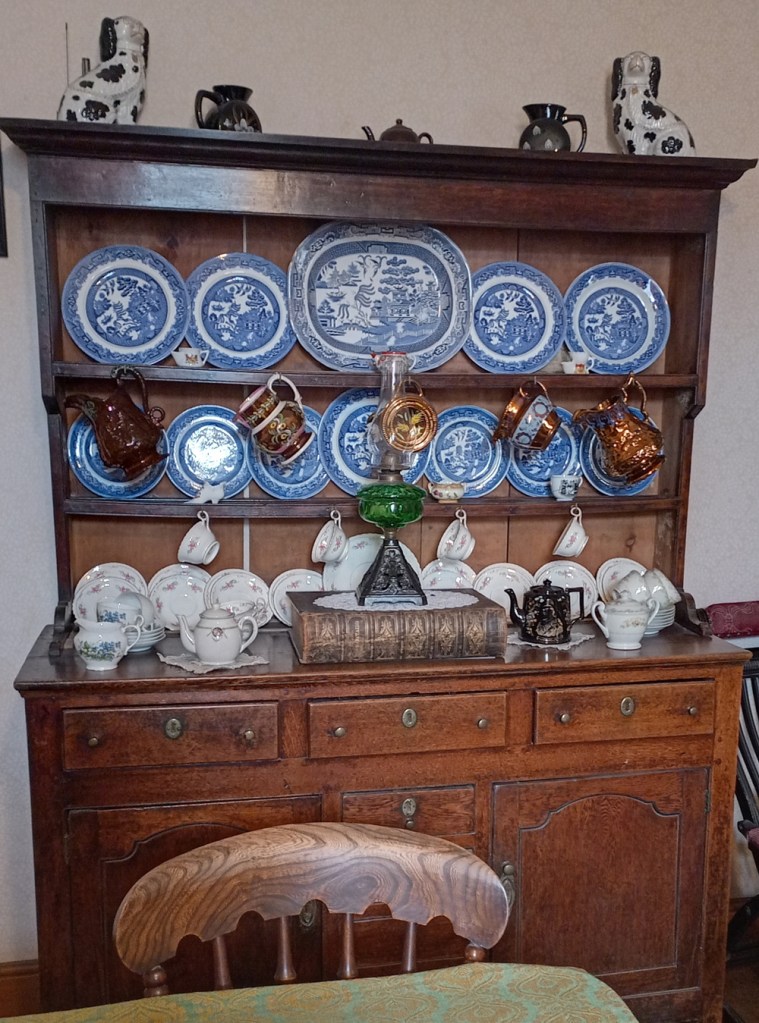
Welsh dresser, complete with pair of Welsh dogs at the top
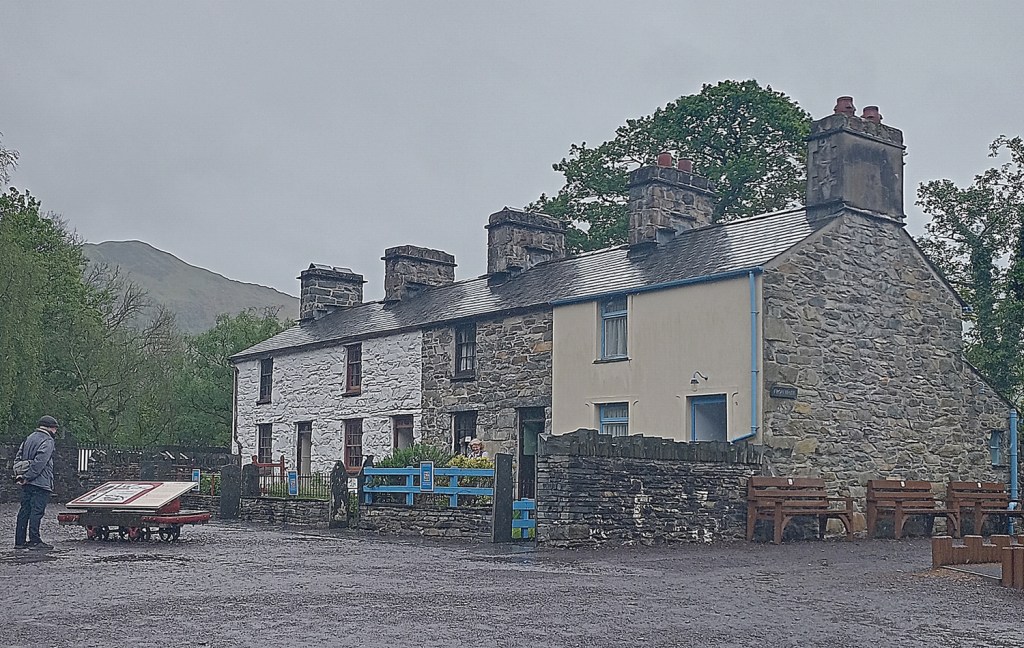
Row of slate workers’ cottages, furnished and decorated as they would have been in several different eras
Flock of wild Welsh mountain goats in the car park, after the Slate Museum closed
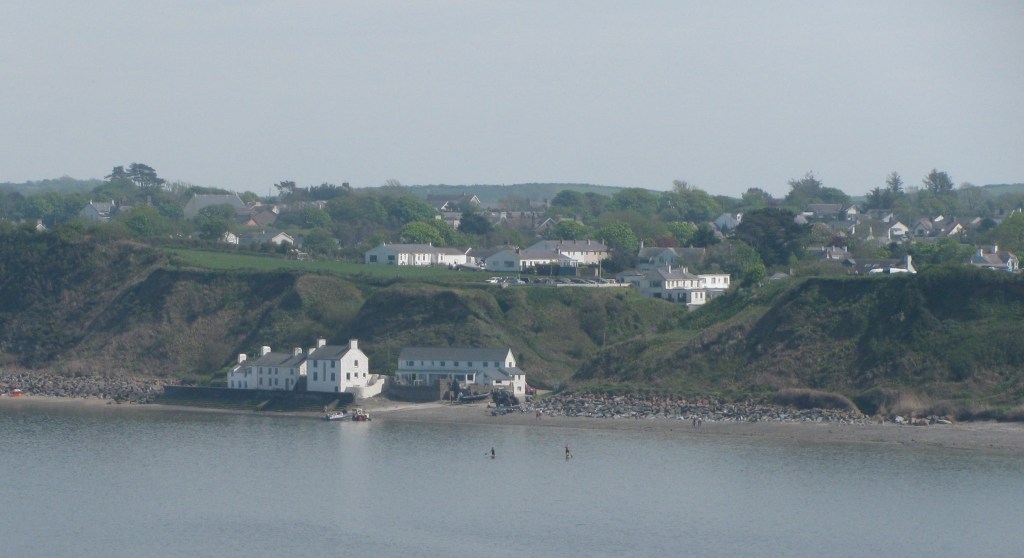
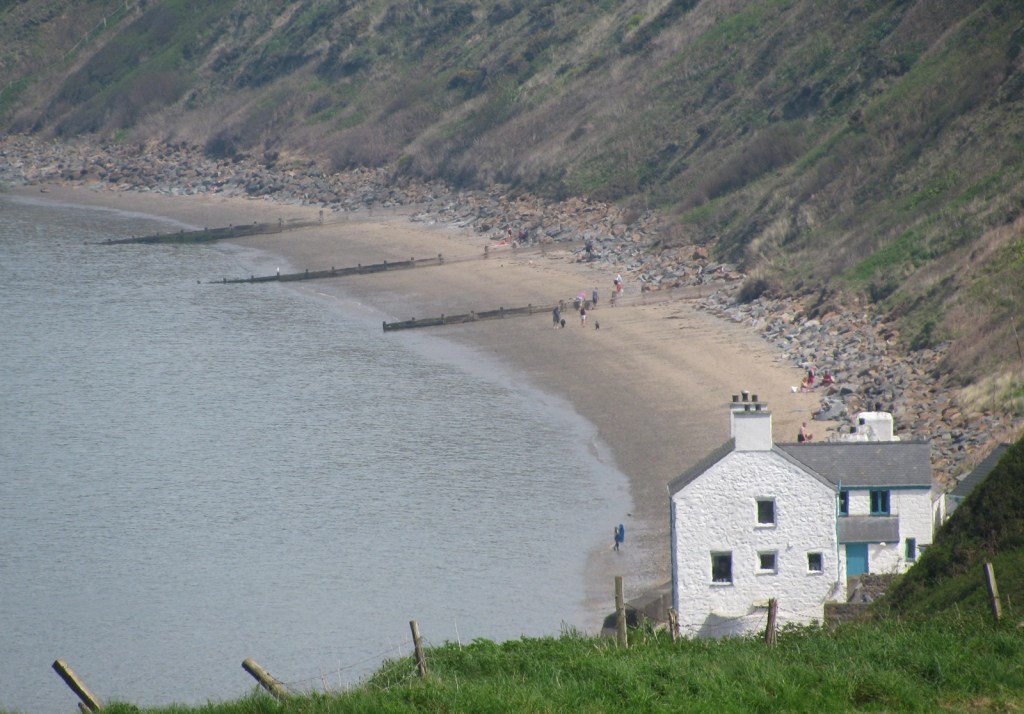
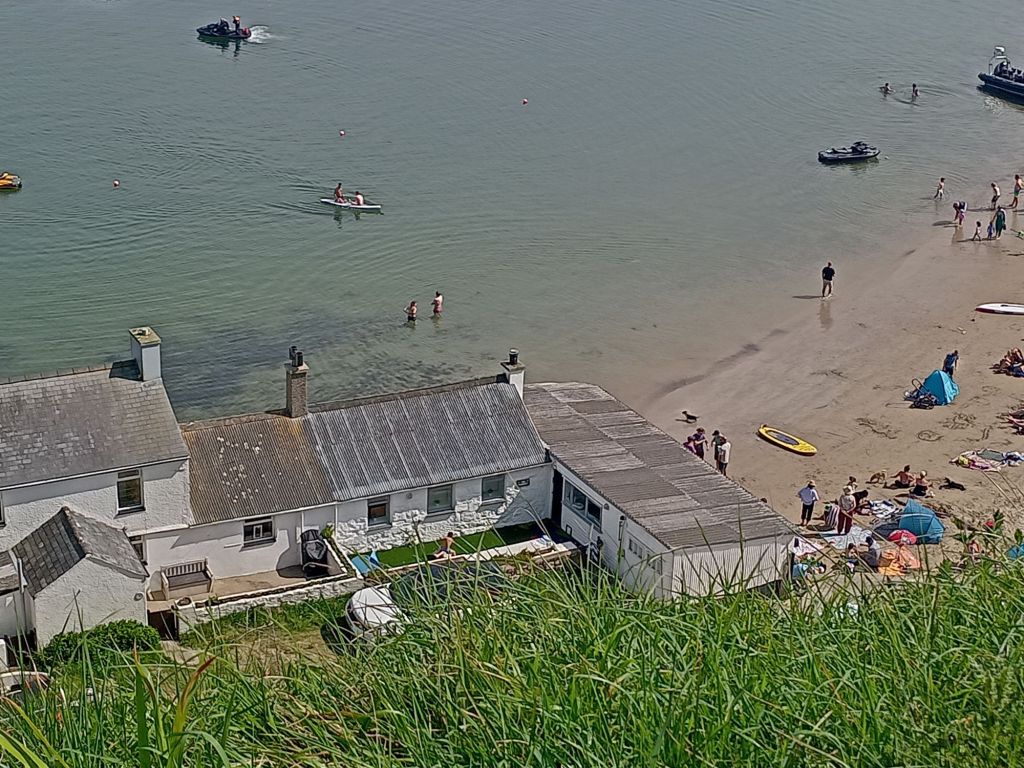
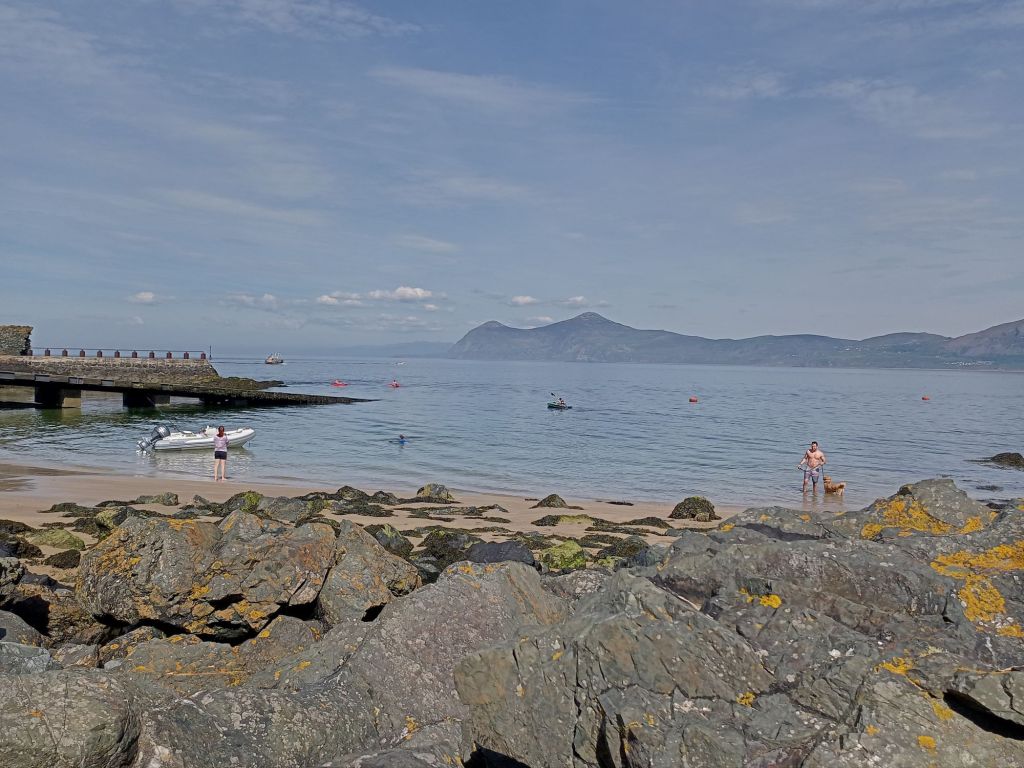
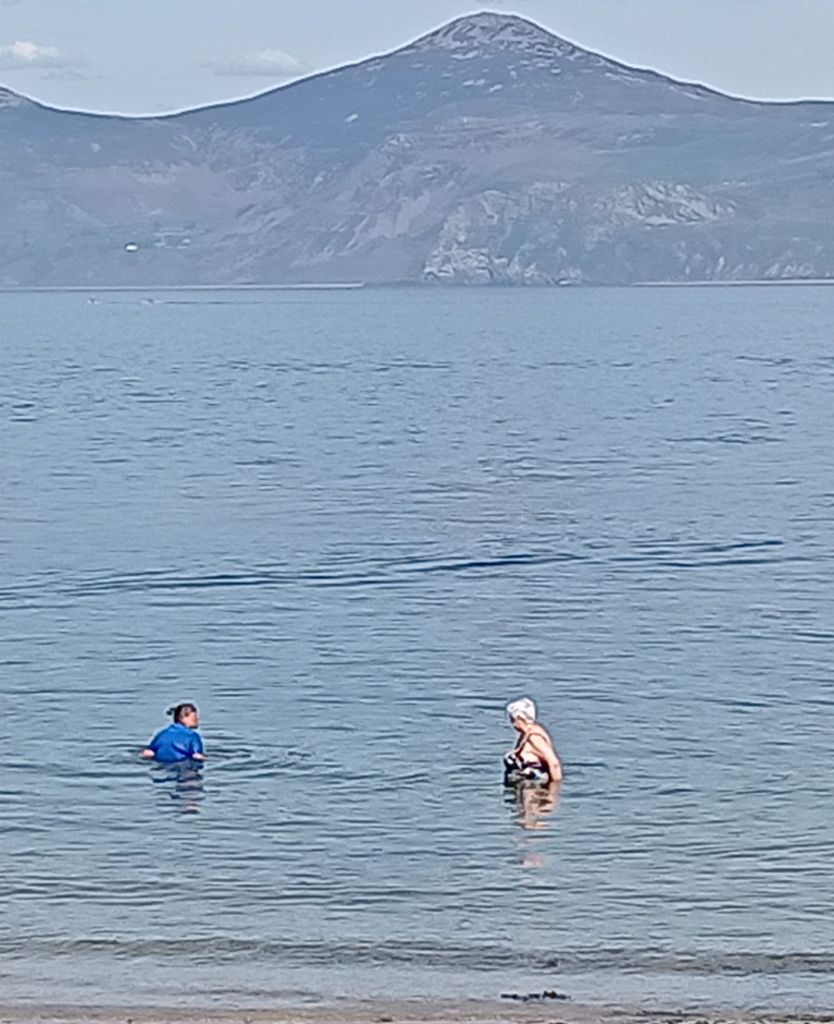
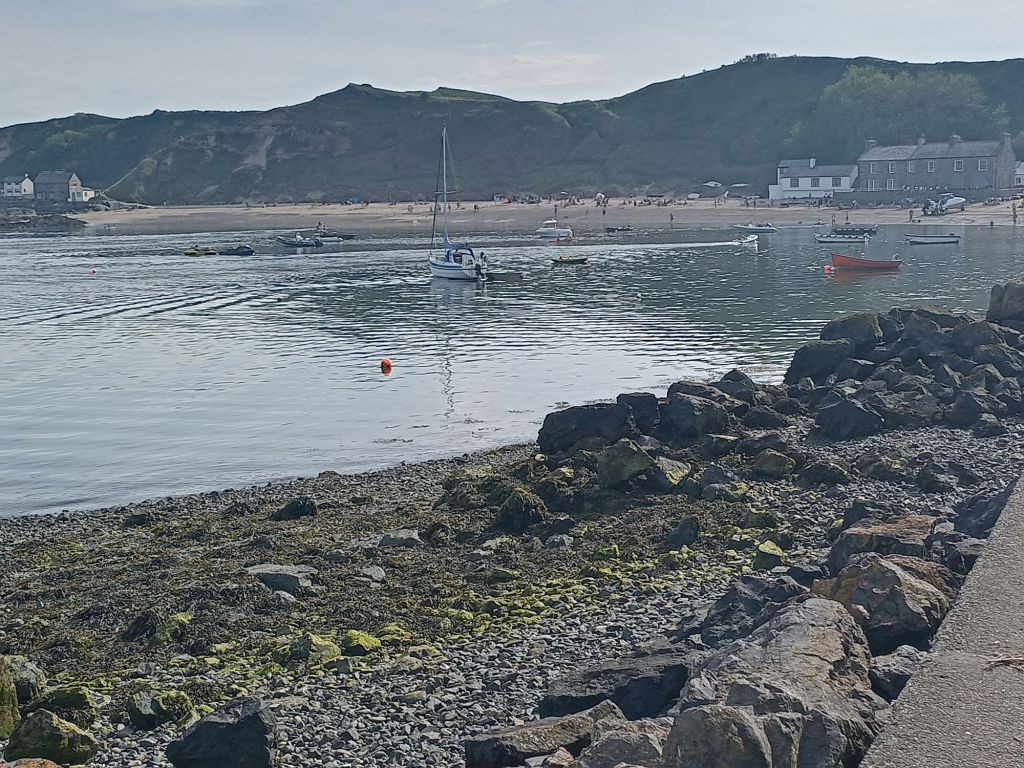
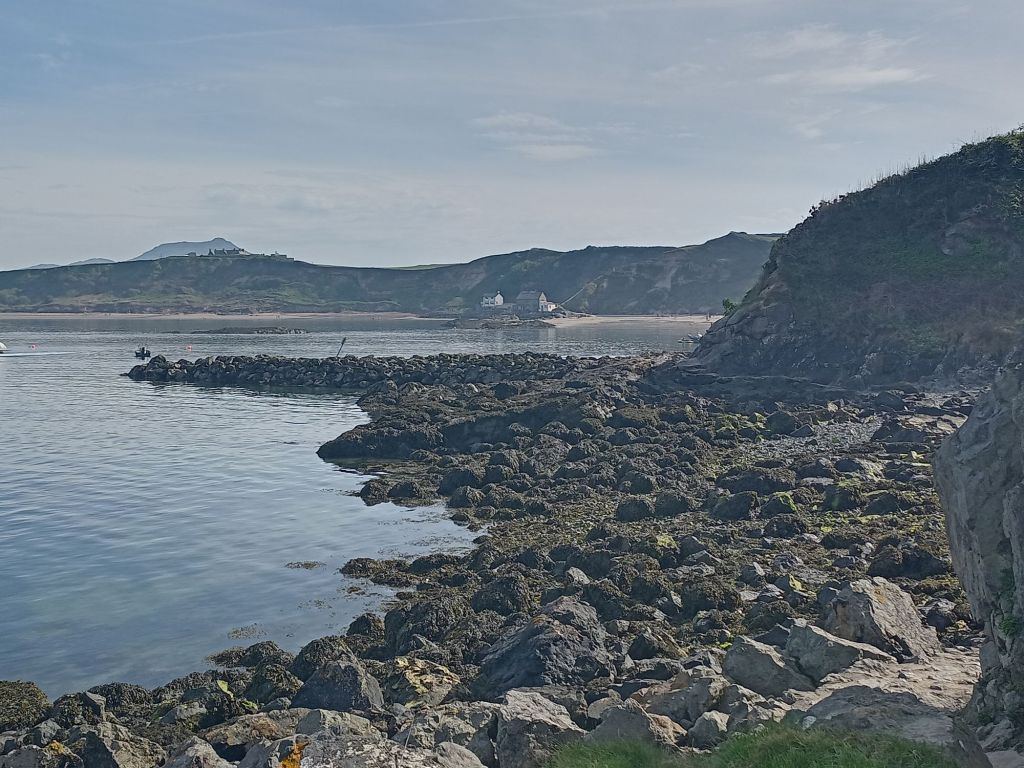
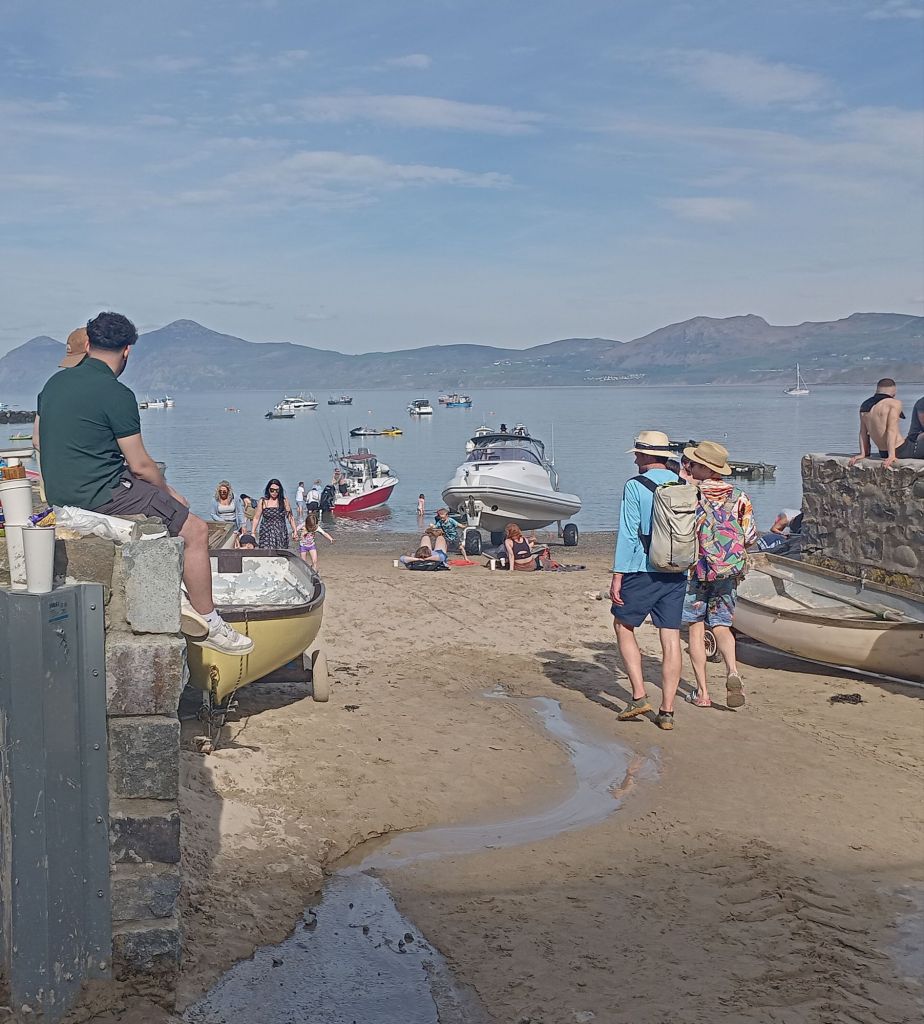
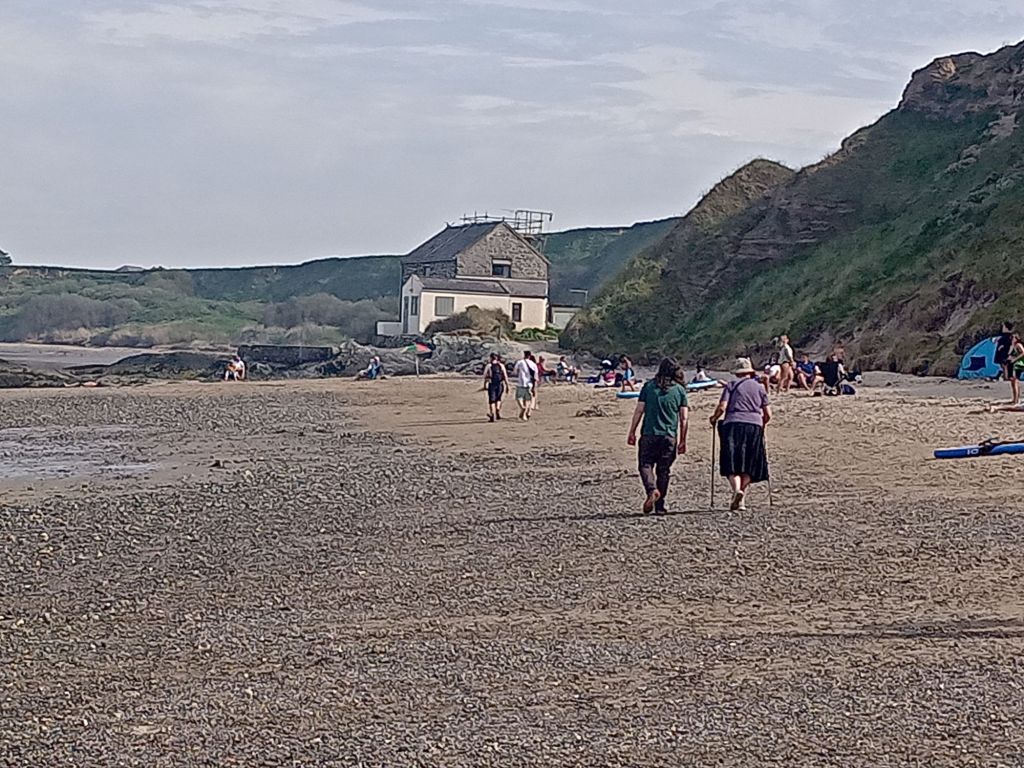
Today we made the pilgrimage to Morfa Nefyn on the Llŷn Peninsula, the beach and golf-course where four generations of the Tate-Bingley extended families regularly holidayed together between about the 1930s and 1970s. The weather was warm and sunny, thumbing a nose at meterological statistics indicating the region experiences on average less than 1200 sunshine hours per year. At Lifeboat Bay, Caroline had a ceremonial dip in the ocean, which she described as ‘great’ and ‘refreshing’. Comments overheard from other bathers were less complimentary about the water temperature.
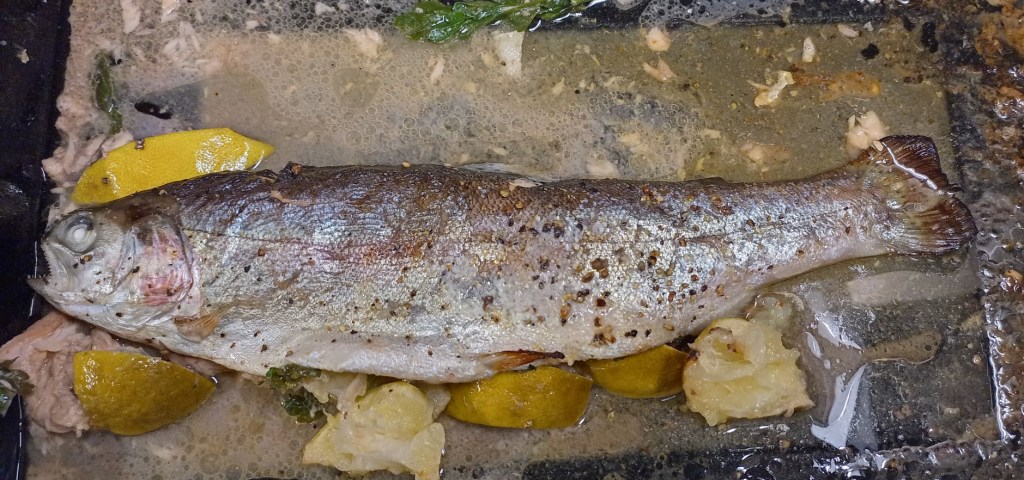
In anticipation of our next destination, we finished the day by eating whole Yorkshire river trout – a delicacy not available in NZ!
Morfa Nefyn Beach and village
Morfa Nefyn Beach – boulders have now been placed at the bottom of the cliff, where the beach huts used to be, to reduce the erosion and landslide risk
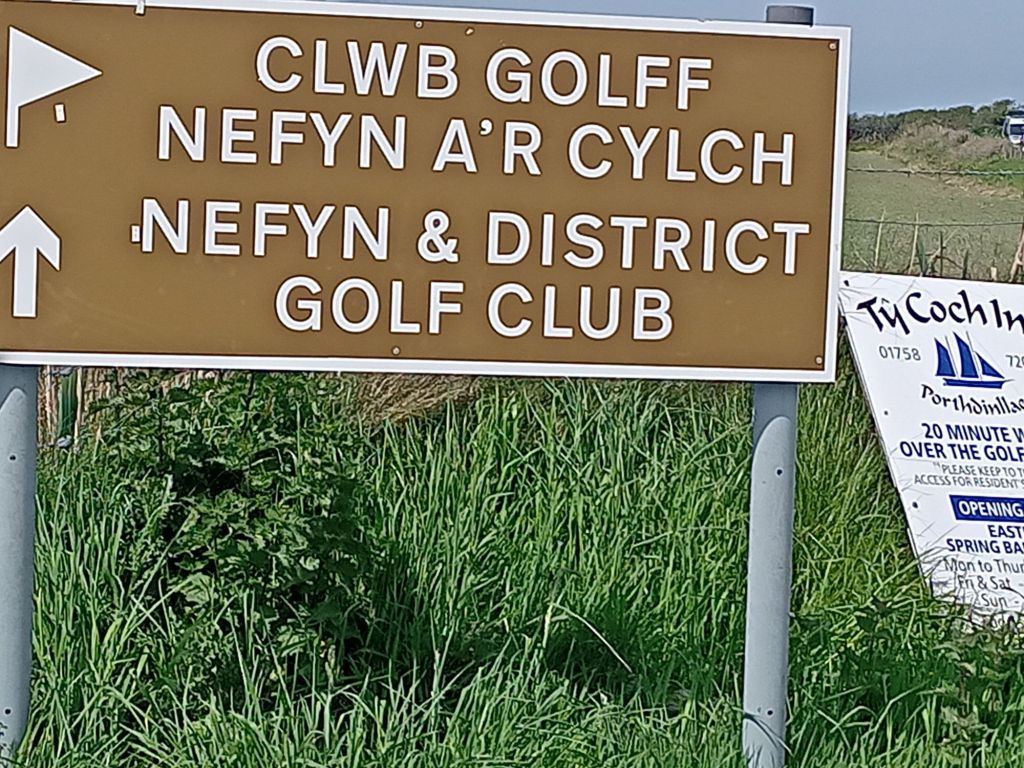
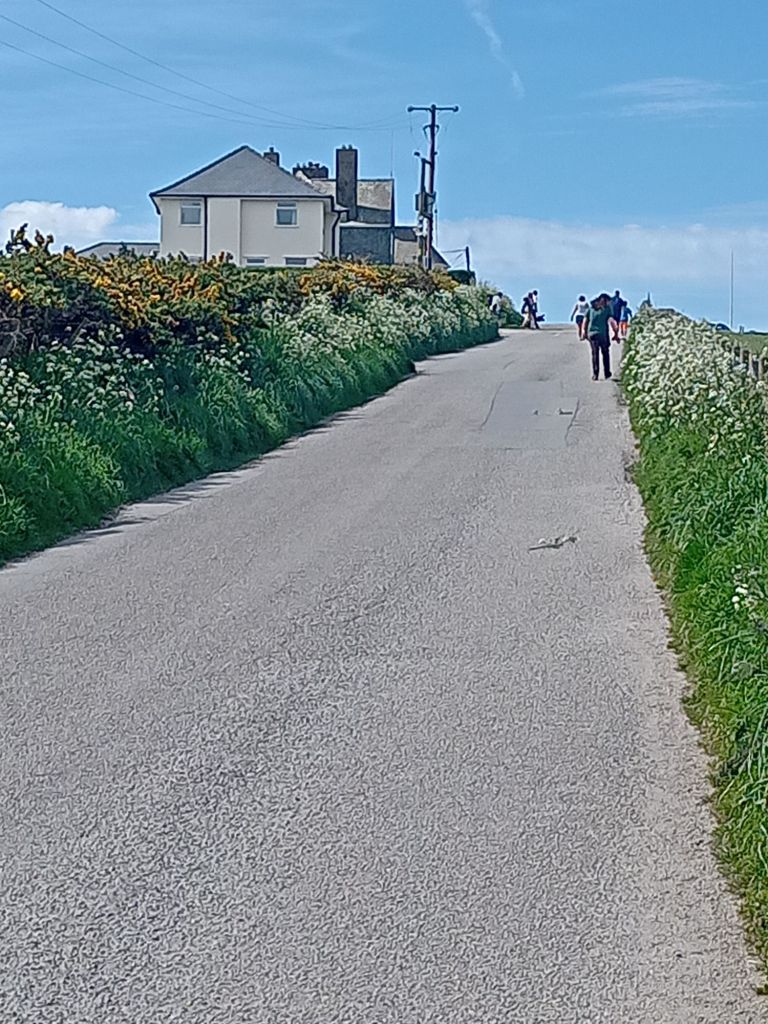
Lon Golff – road to golf course
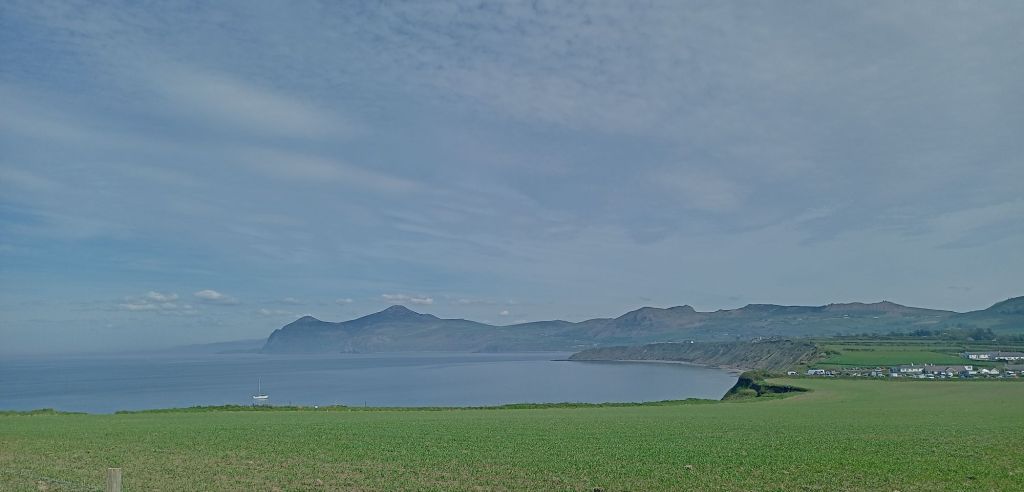
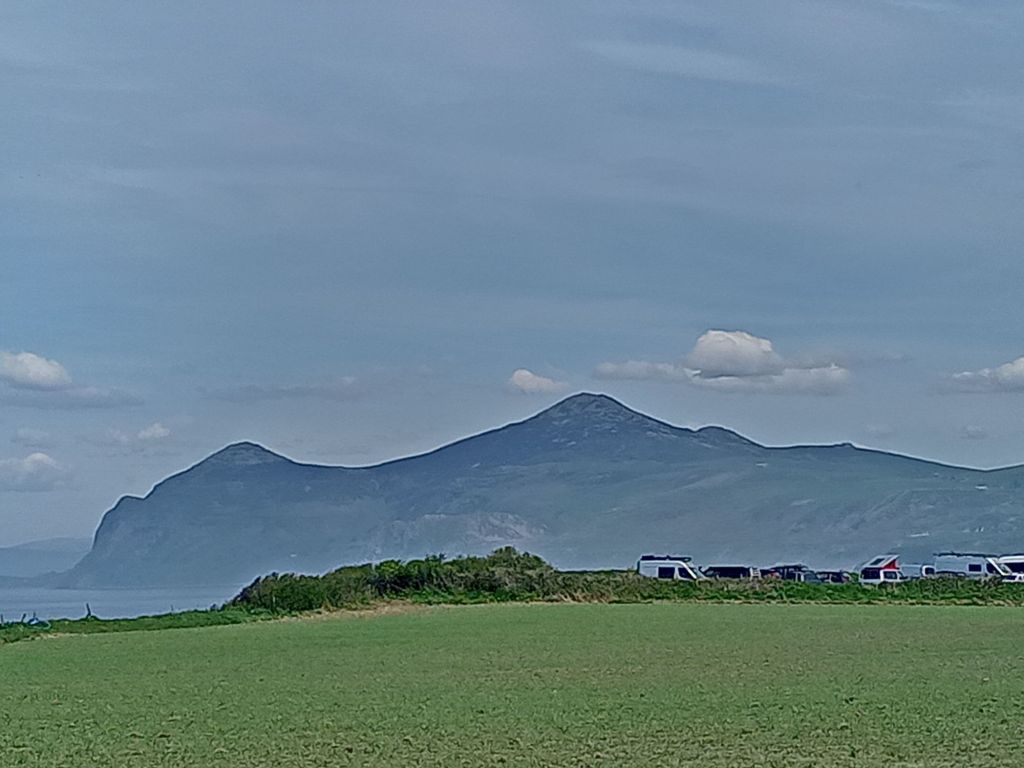
View of ‘the Rivals’ / Yr Eifl mountains from golf club car park
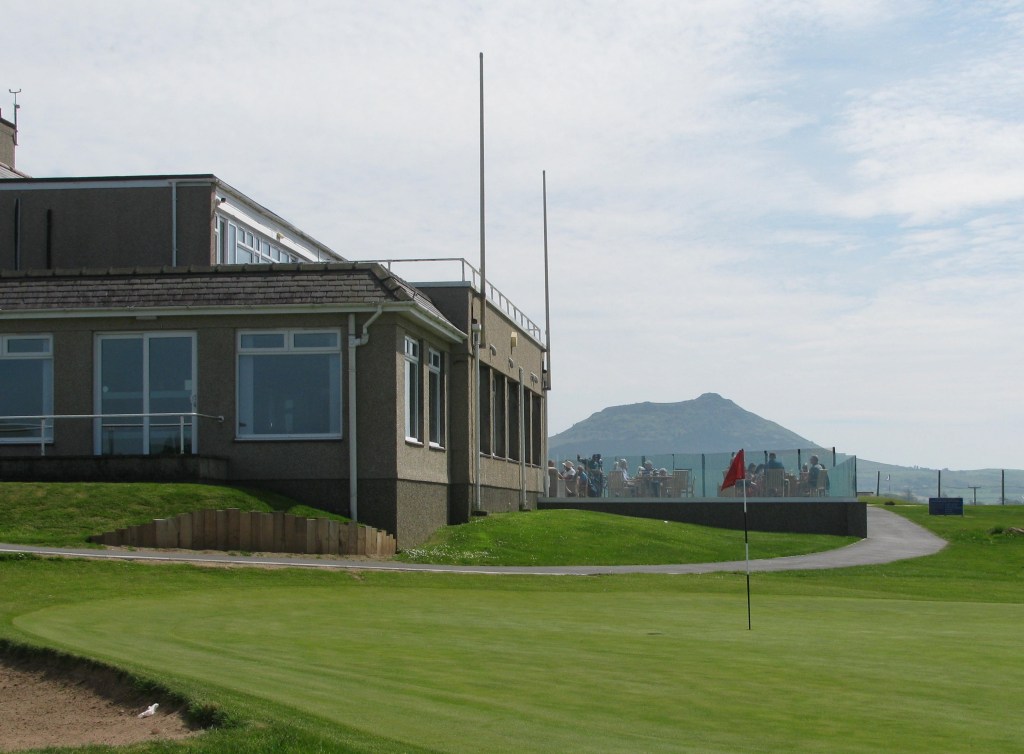
Club house, with Madryn mountain behind
Golf course walkway to Lifeboat Bay
Borthwen beaches aka ‘Pebbles’ to our family
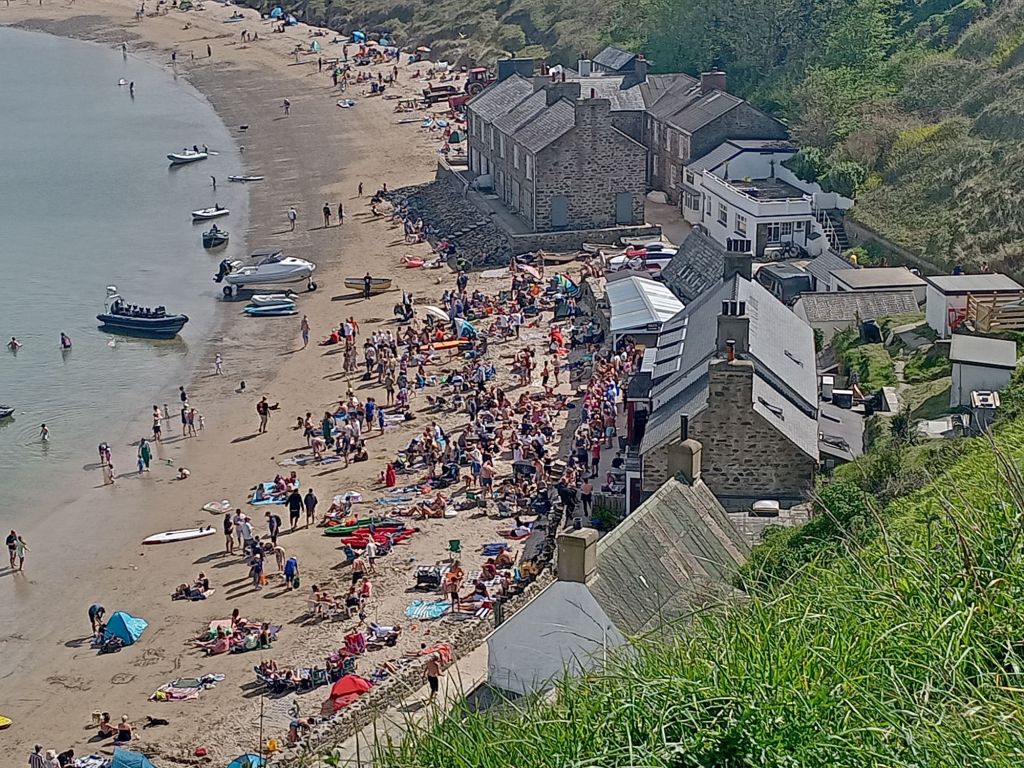
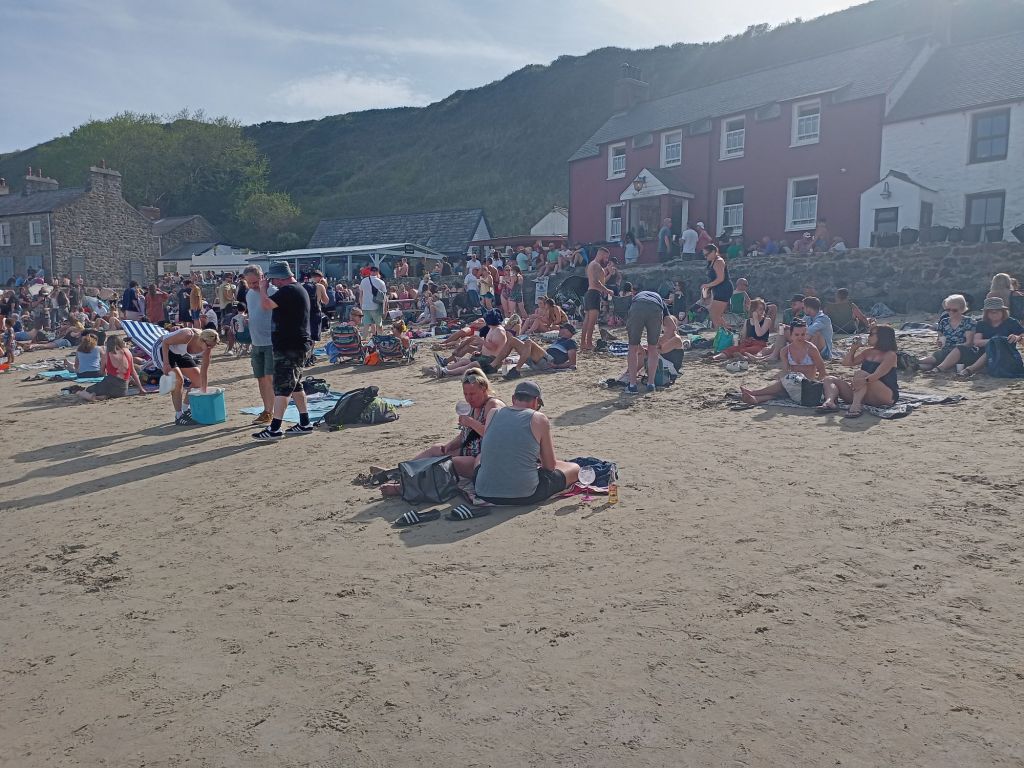
Porthdinllaen beach party
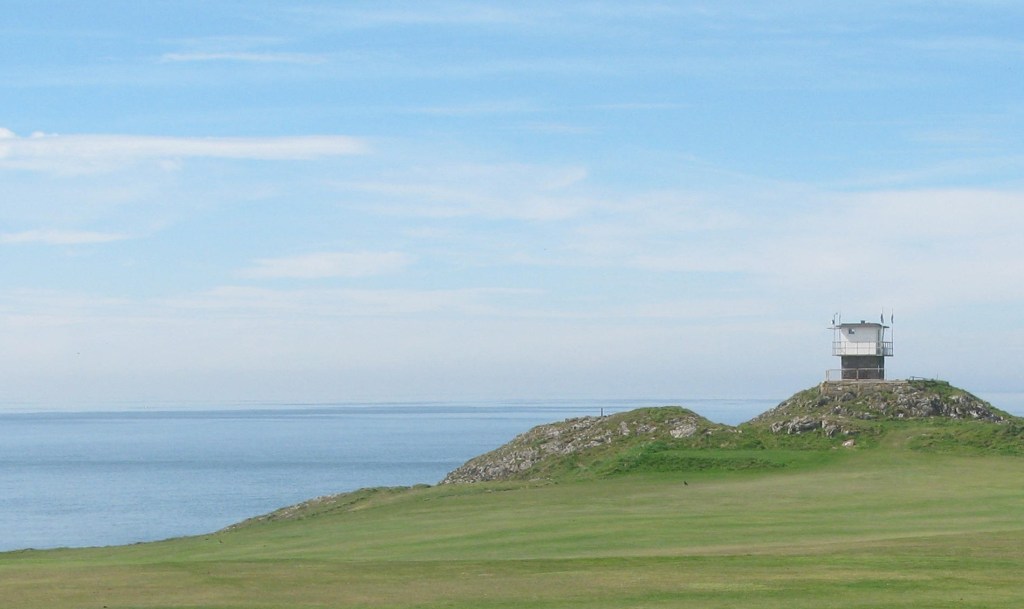
Coast guard lookout station
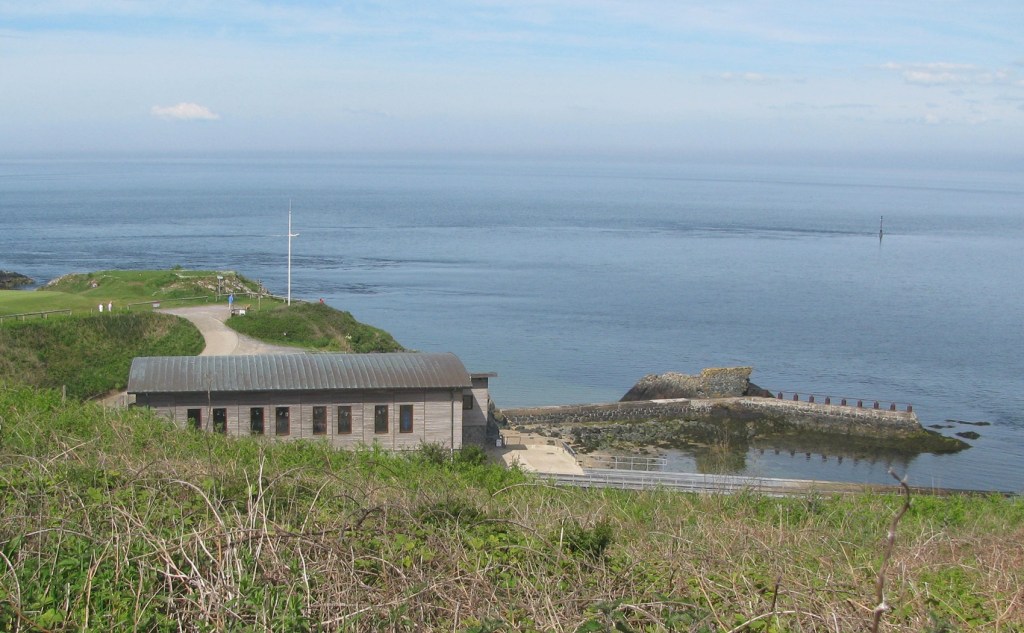
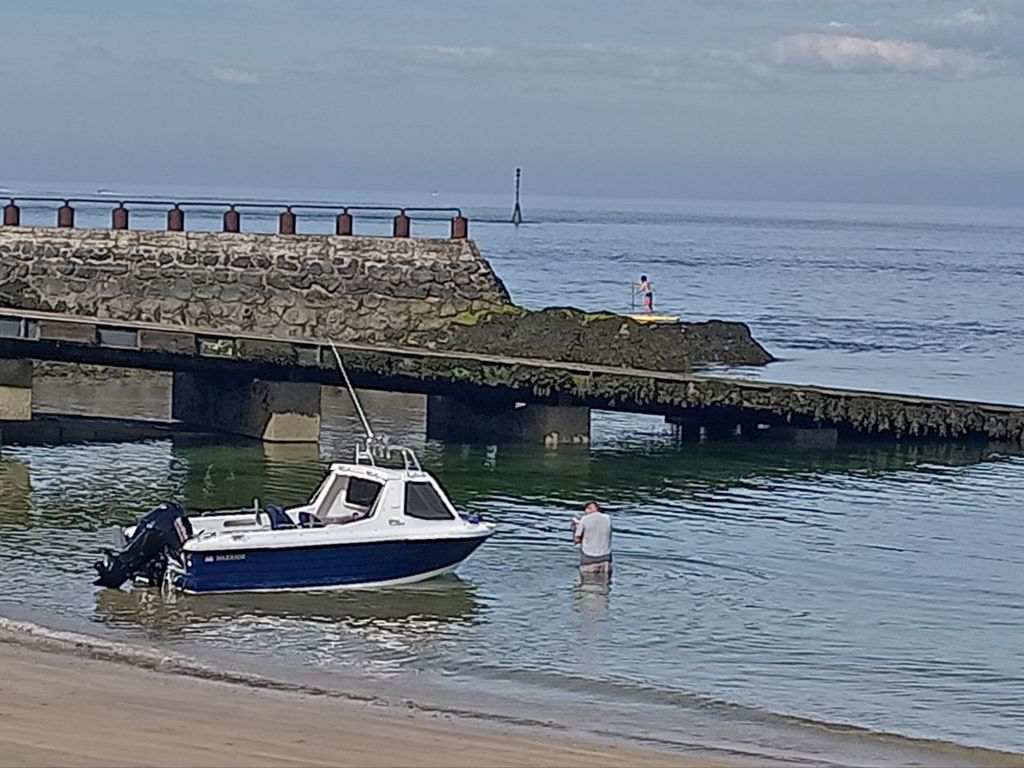
Lifeboat Bay with new boat house (which has a small museum)
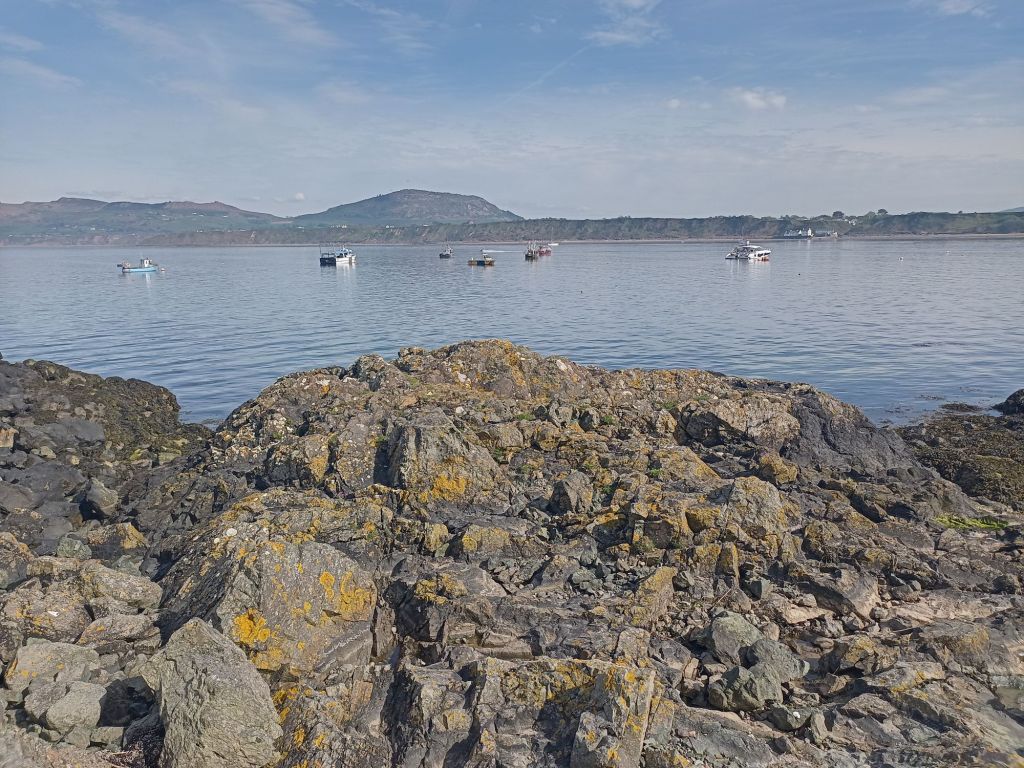
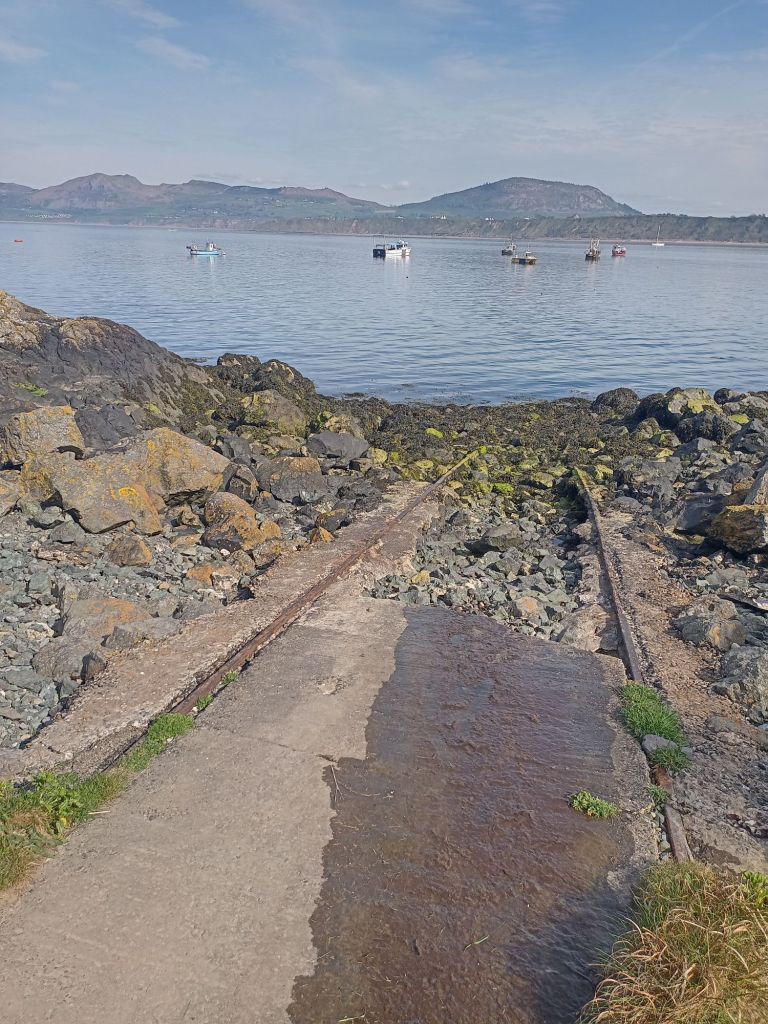
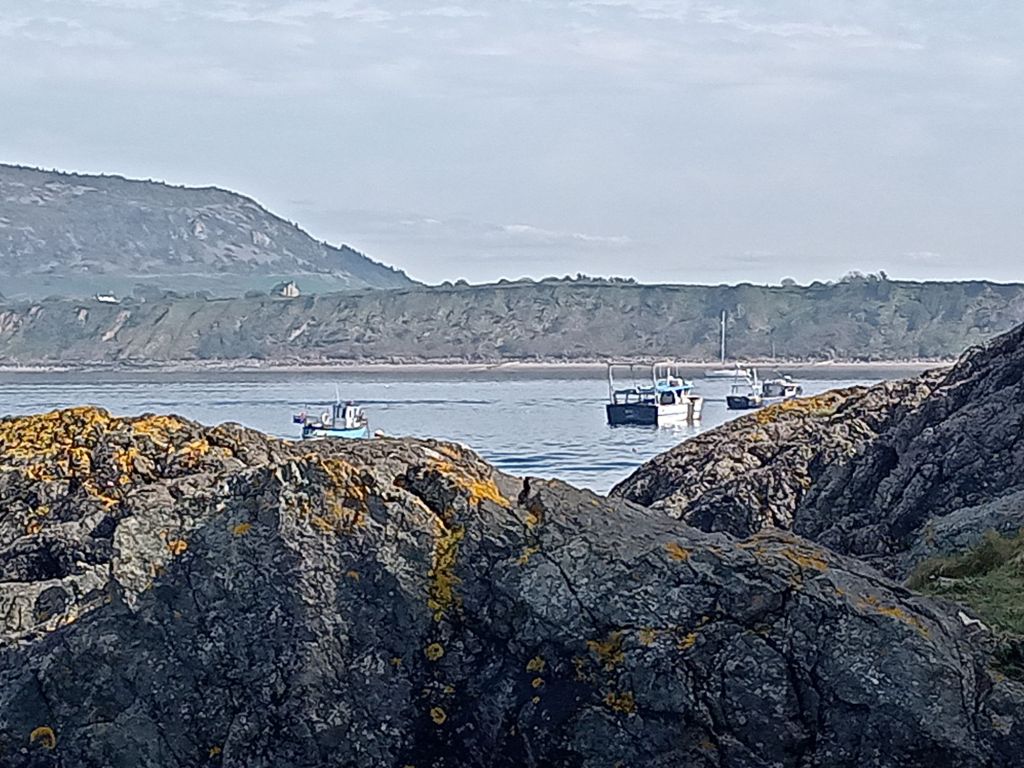
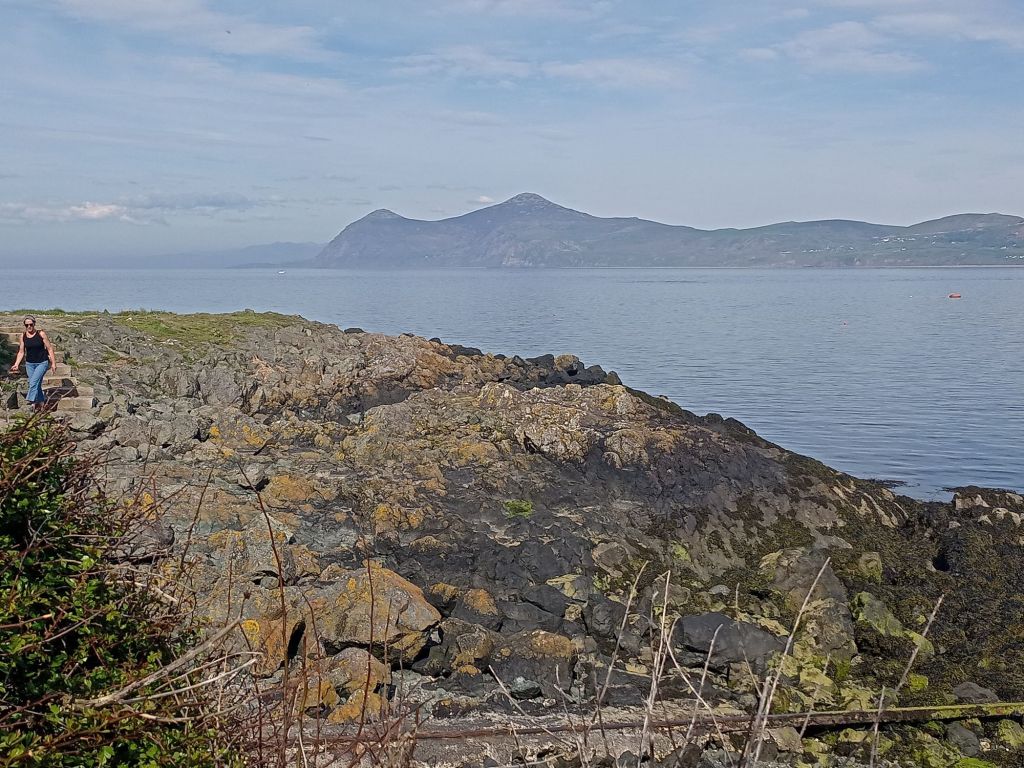
Old slipway with Boduan mountain across the sea on right
After packing our belongings into E’s car, at 10:30 am we headed south towards Carlisle and our eventual destination, Soar, near the village of Talsarnau, in North Wales. It was the warmest day of the year so far in the UK, with temperatures in the mid 20s throughout the journey. E did a great job of the driving, safely covering over 500 kms including the heavily congested M6 as we passed by Manchester and Liverpool. On the journey we stopped for a break and a bite to eat at a couple of large motorway service centres and eventually rolled into Capel Fawnog Cottage around 7:30 p.m. The sun was still shining and the cottage and surrounding gardens were looking wonderful.
Taking a break at the Annandale Water Motorway Service Station on the A74 motorway, near Johnstonebridge, Scotland
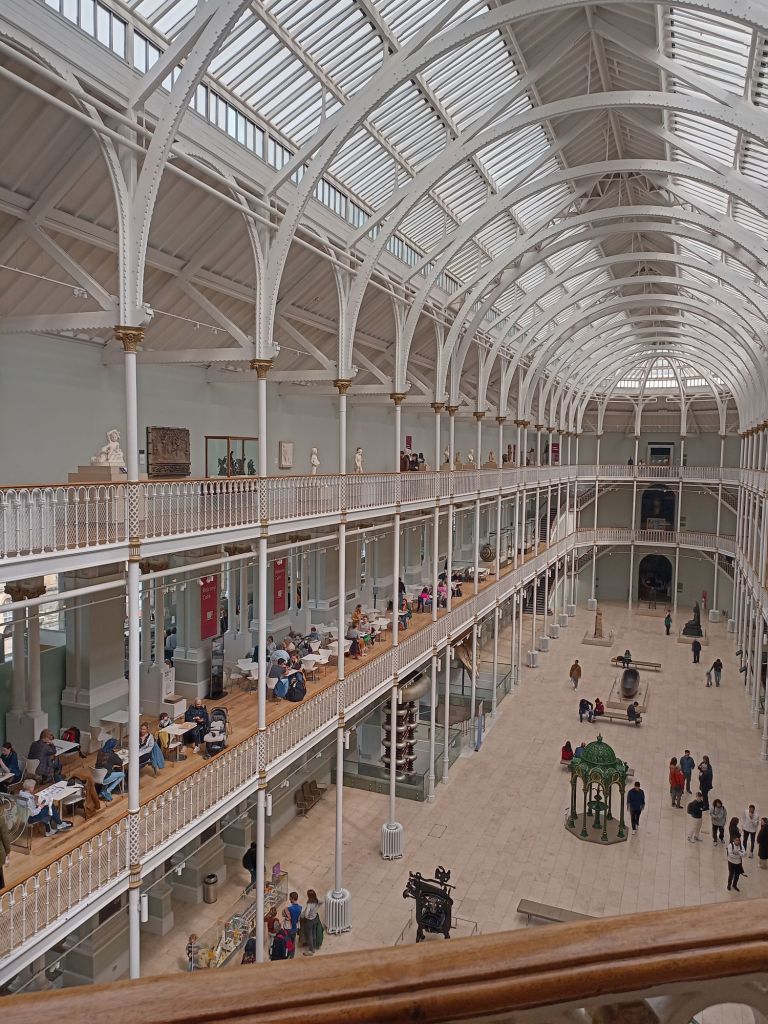
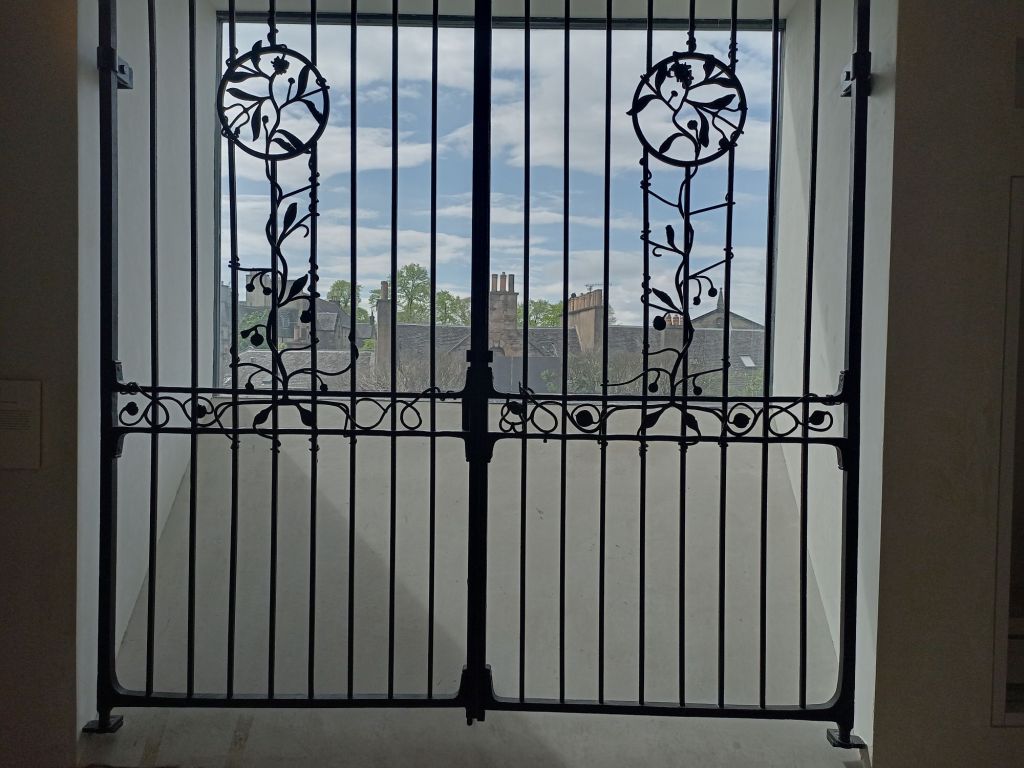
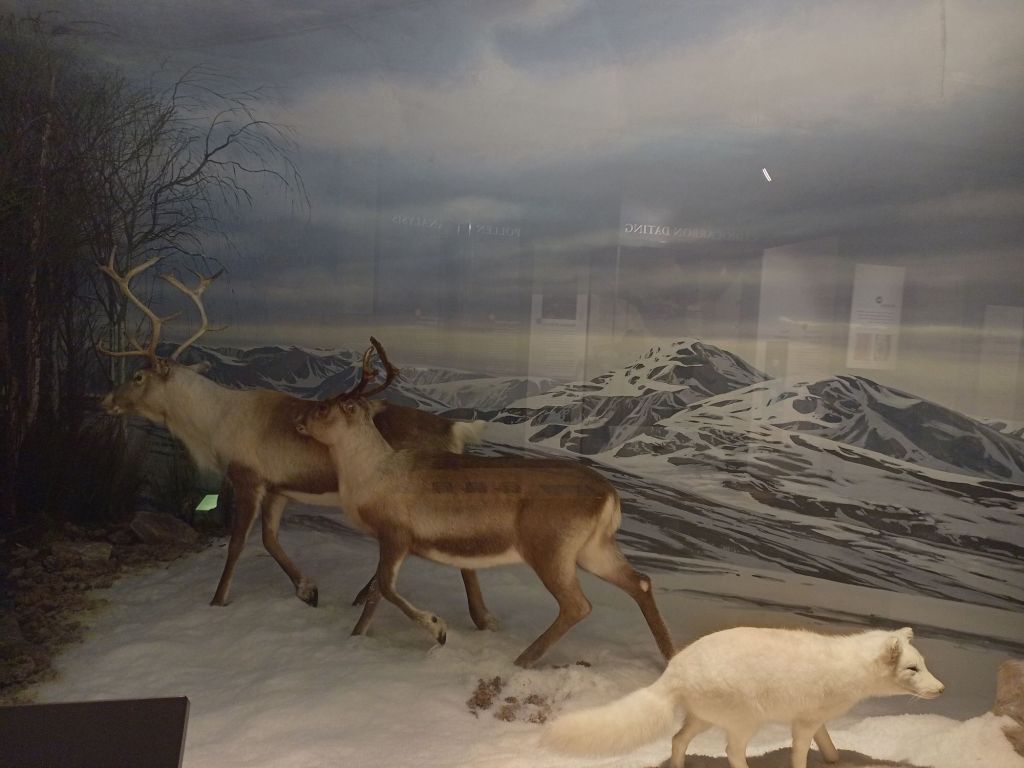
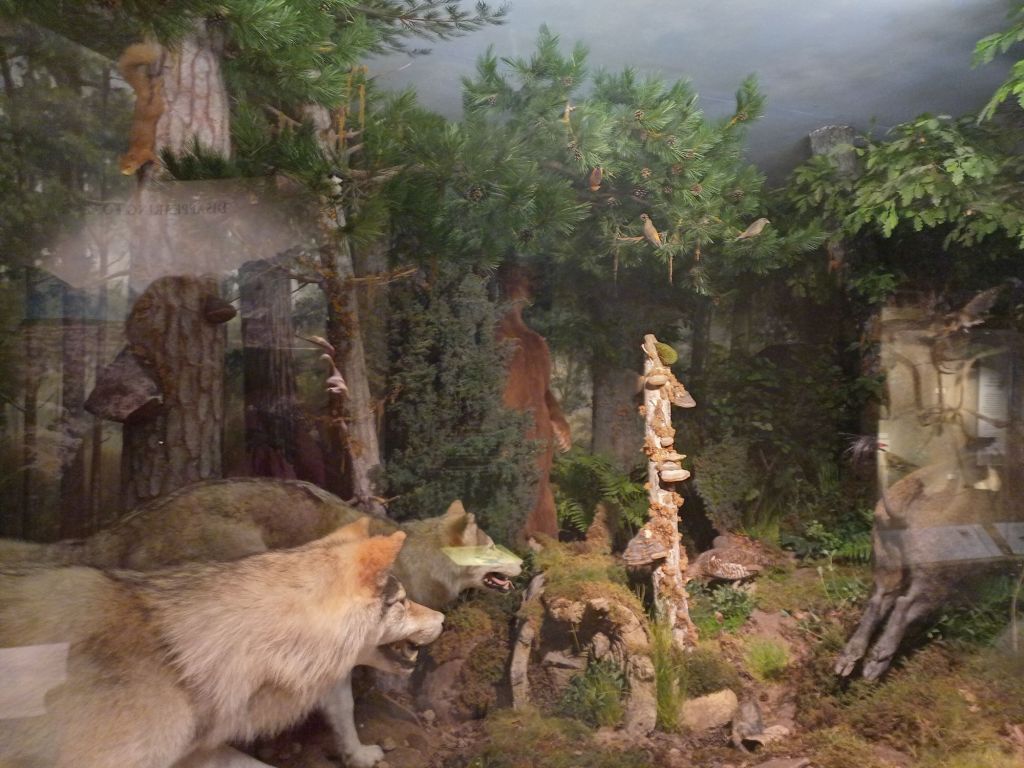
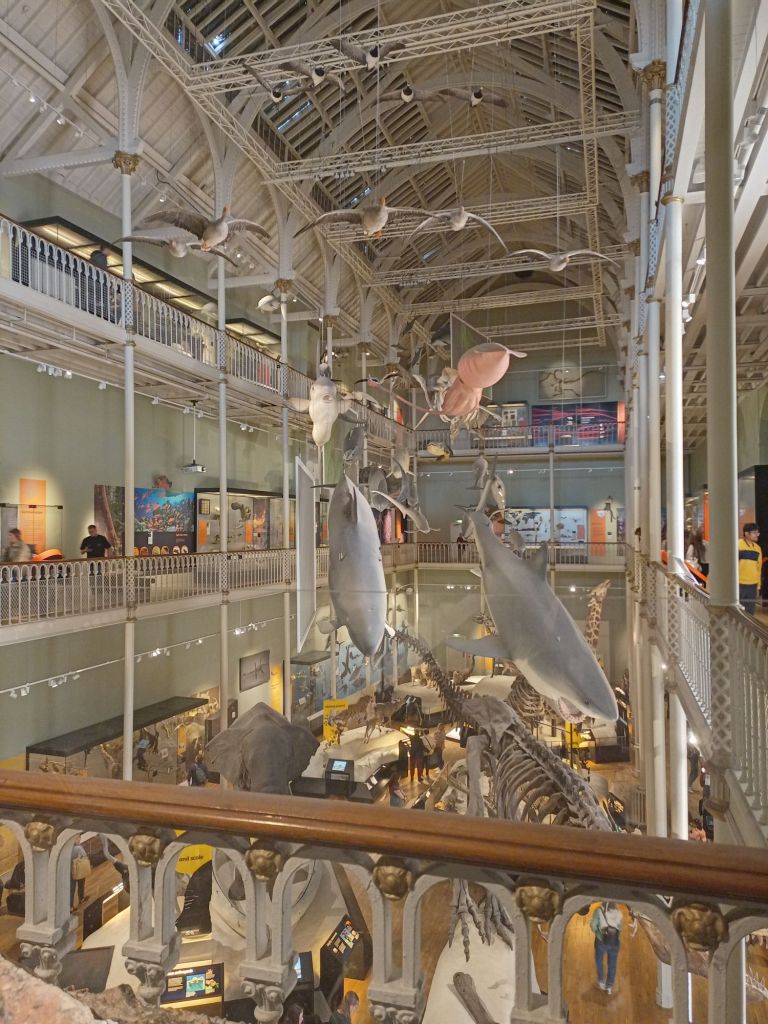
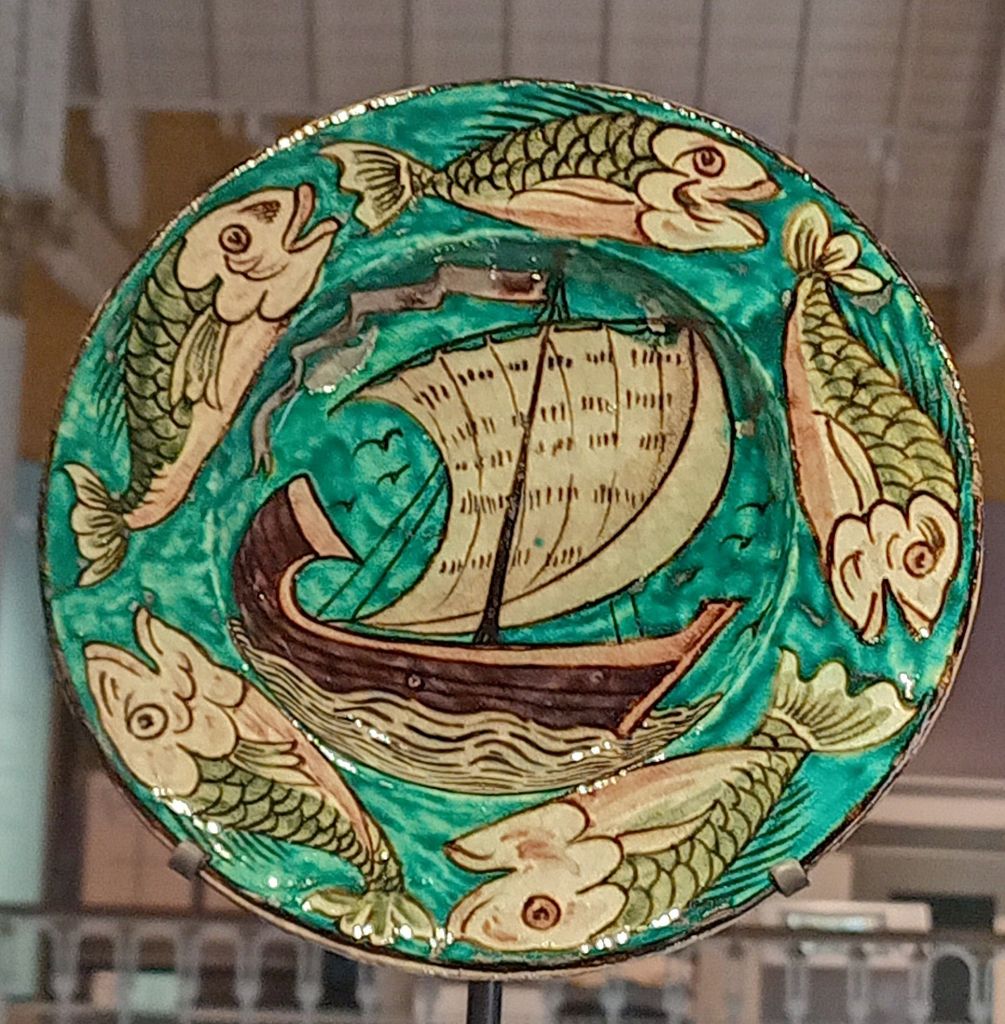
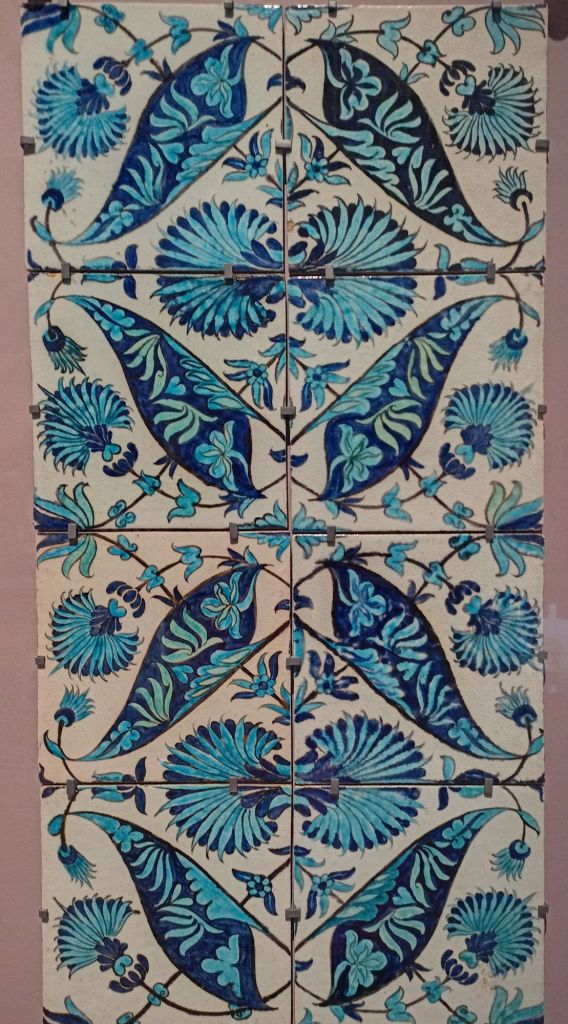
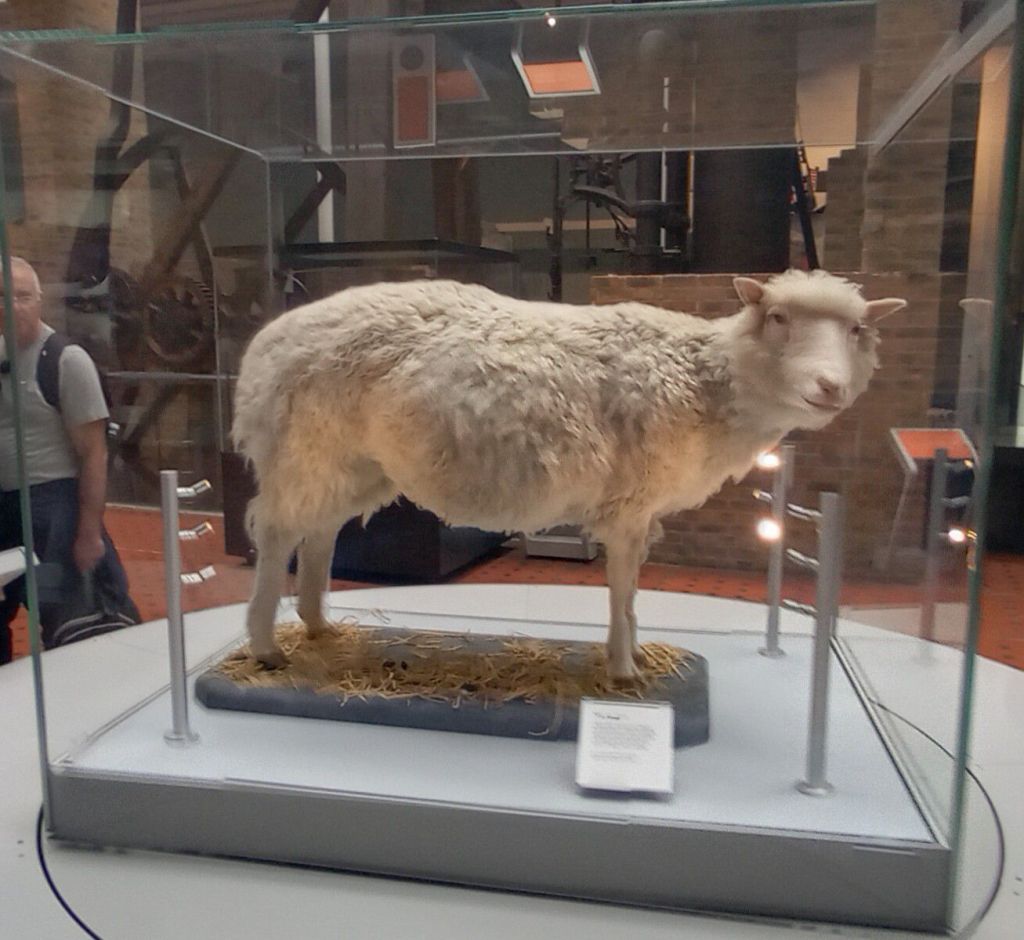
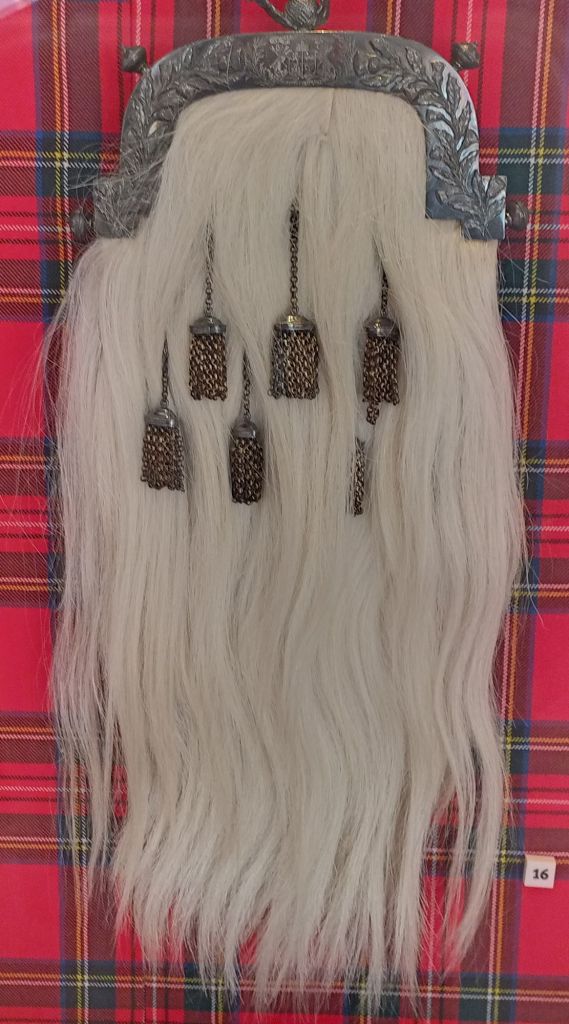
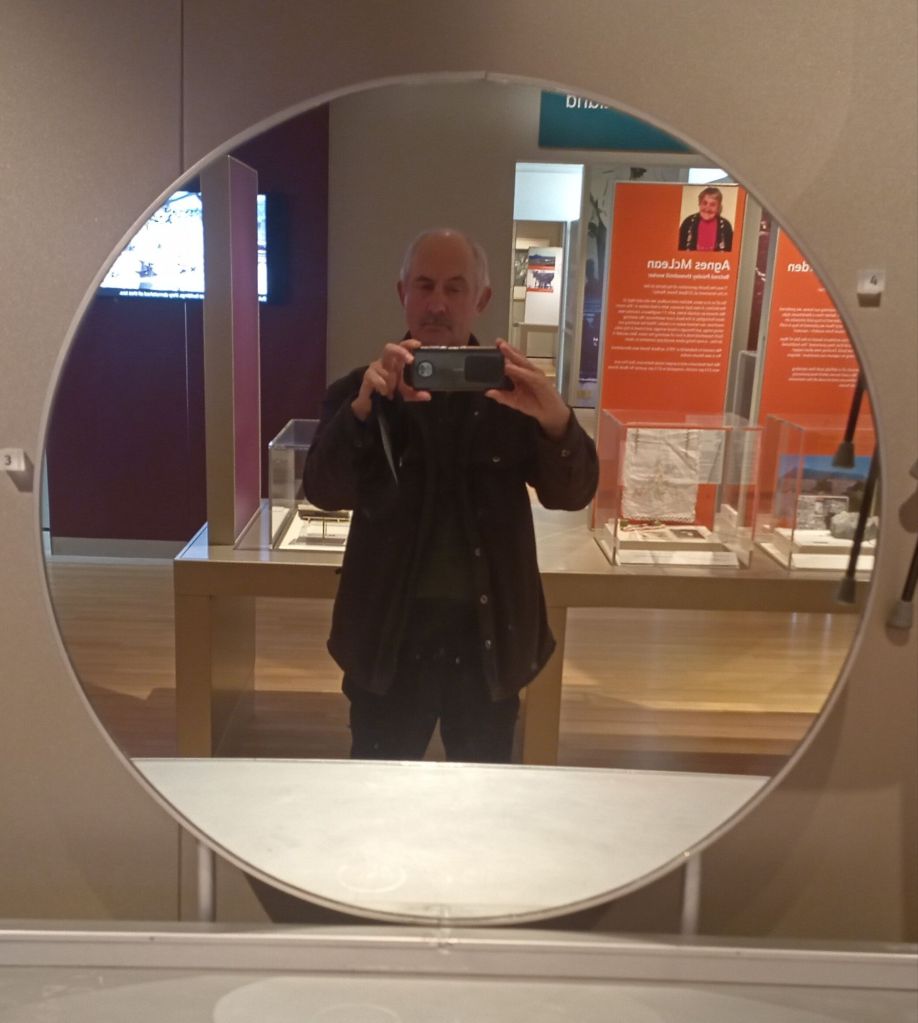
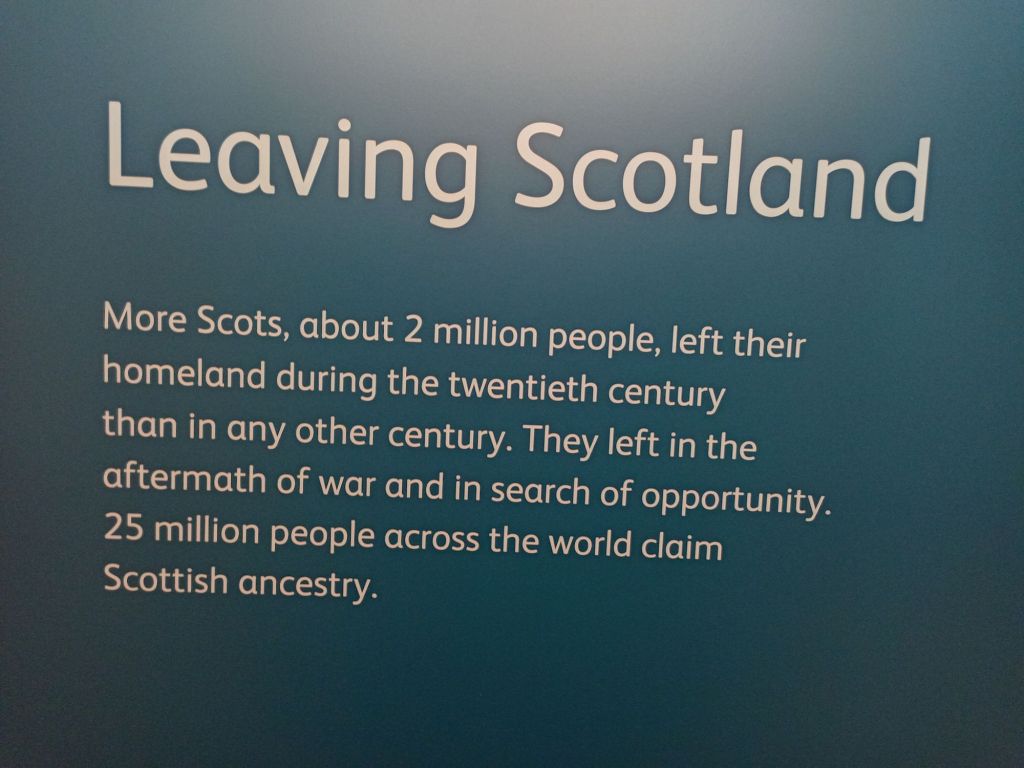
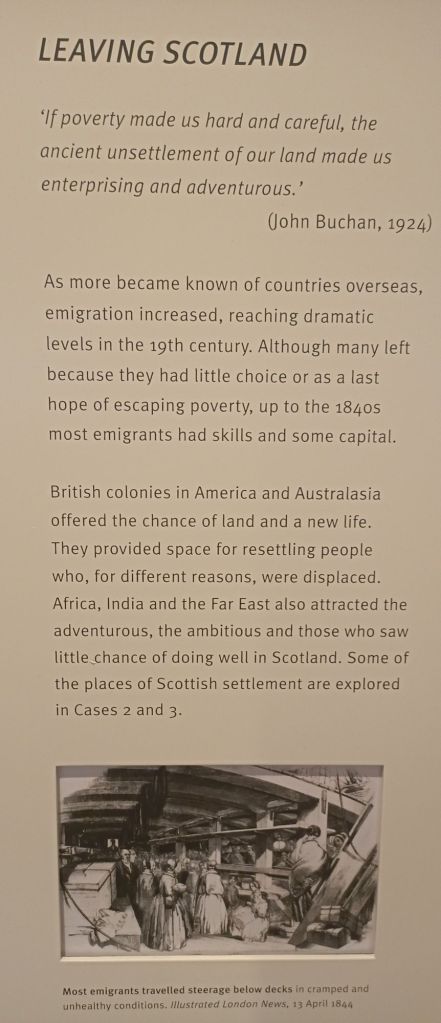
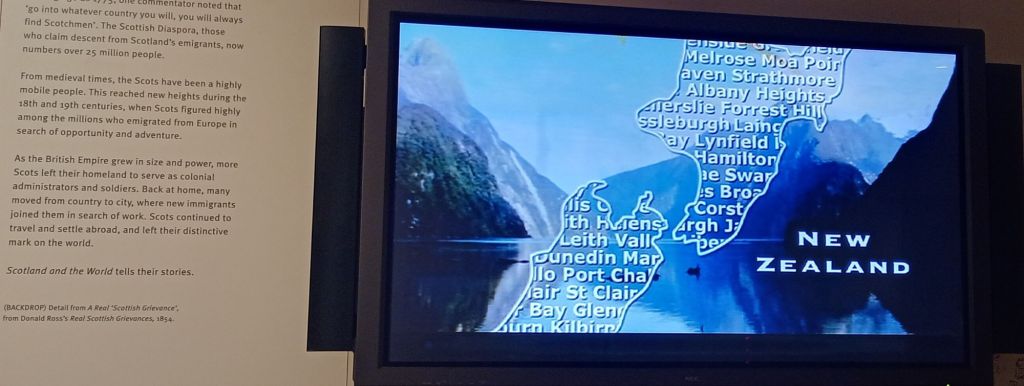
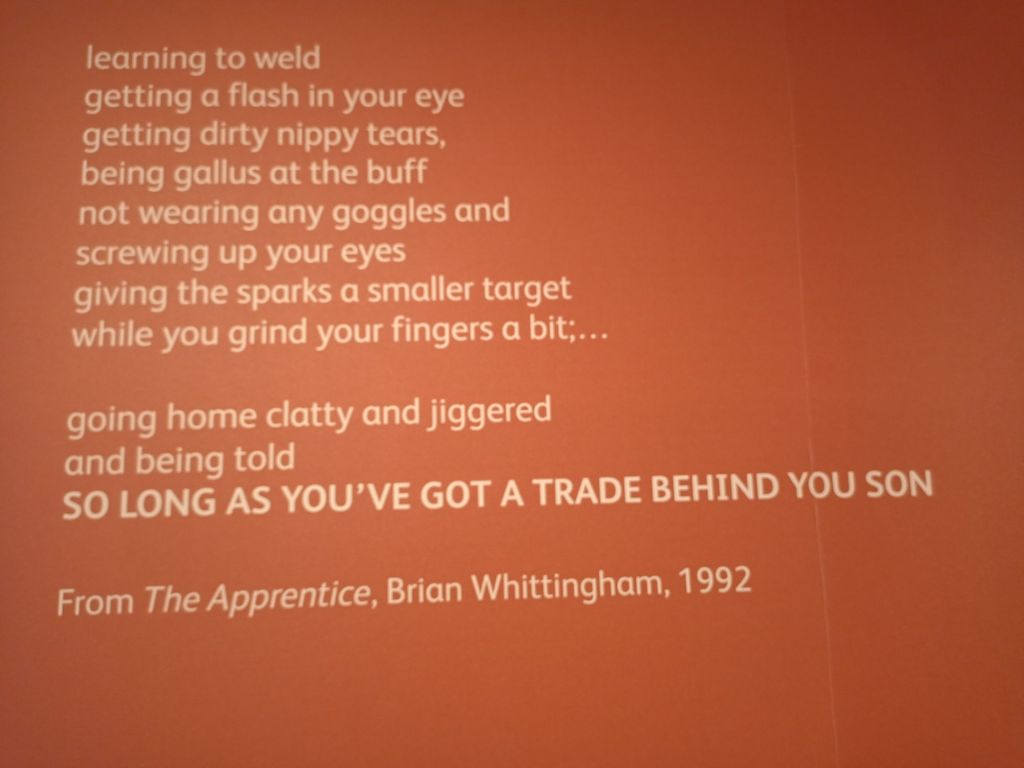
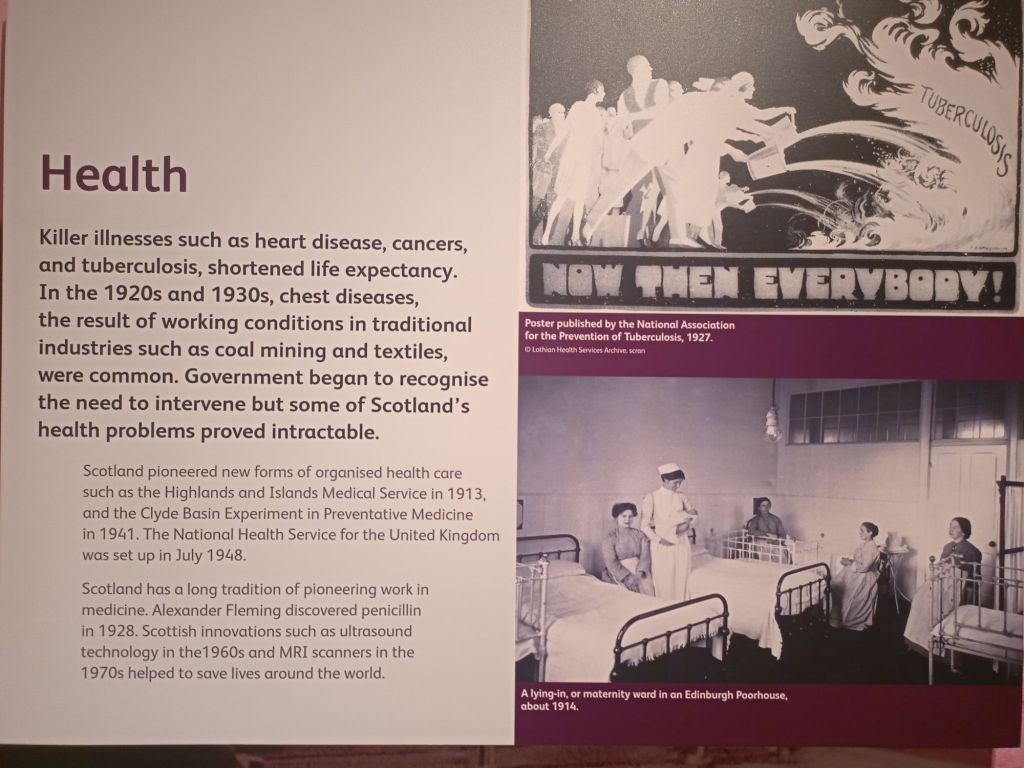
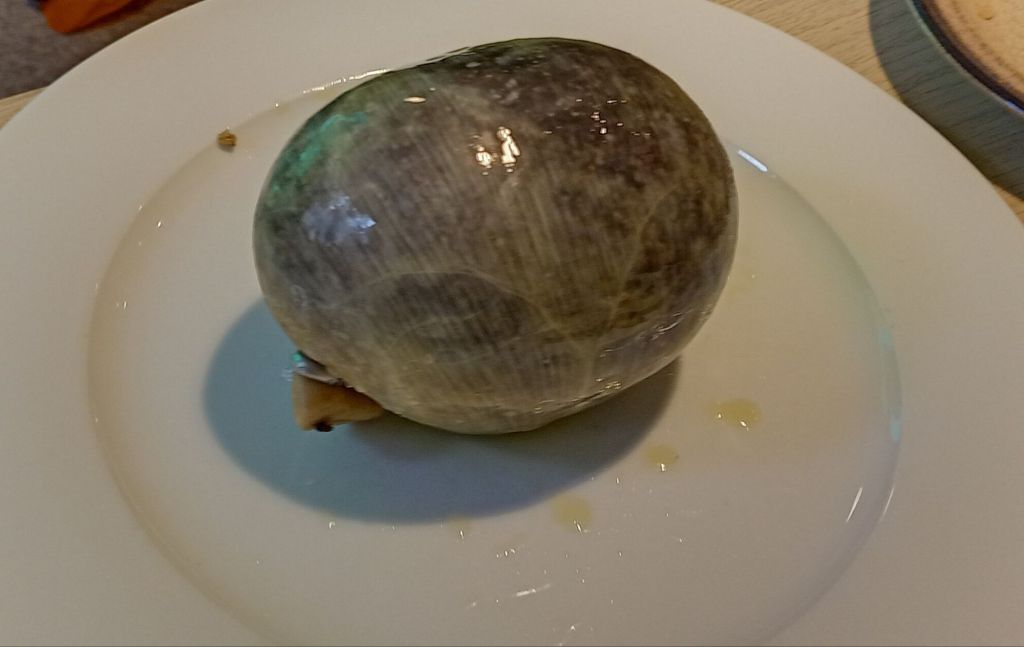
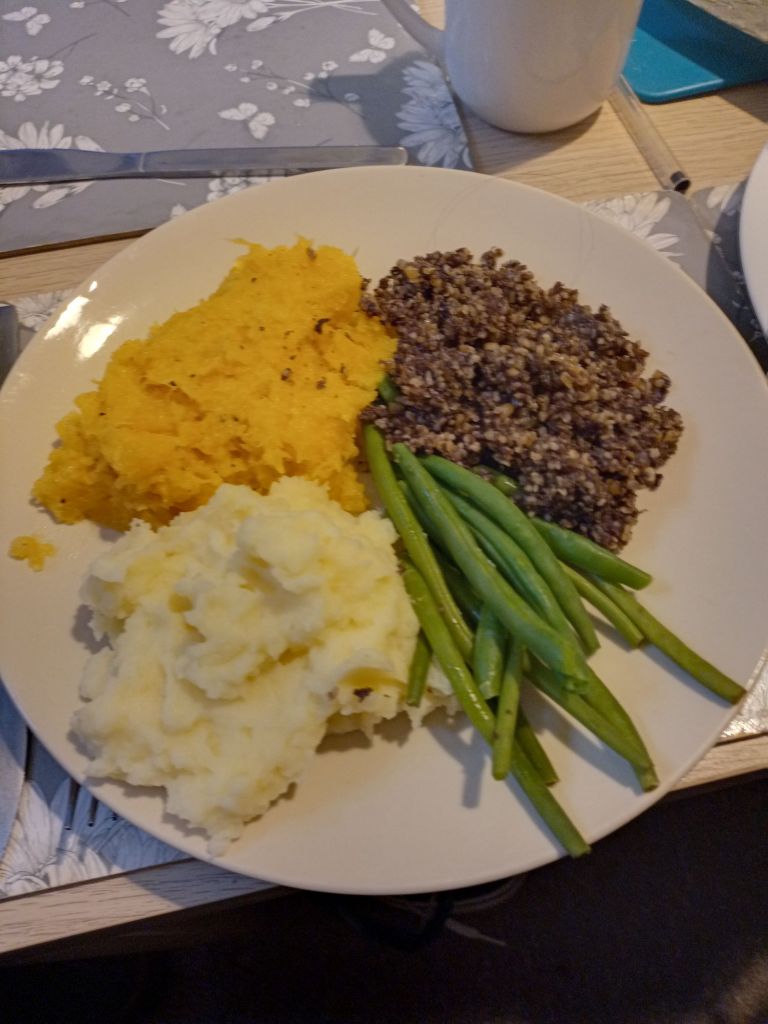
Today the focus was the National Museum of Scotland. Tàking the bus in at about 11.30am, we spent four hours there exploring the many fascinating exhibits. Entry was free. Not surprisingly, there was a very Scottish flavour to much of the material on display. Inspired, on the bus ride home we disembarked near a local high street butcher and bought a haggis for our evening meal. We ate to the sound of recorded bag pipe music. E concluded it was the best example of the traditional Scottish spiced sheep offal dish that he’d eaten during his time in Scotland. Just after sunset, Ian walked for about 40 minutes to a Tesco’s store to buy oil for E’s car. It was a calm and balmy evening, perhaps the warmest of the year so far. On the return walk, in the twilight glow, on a path running through a section of woodland, Ian was lucky enough to meet his first live fox.
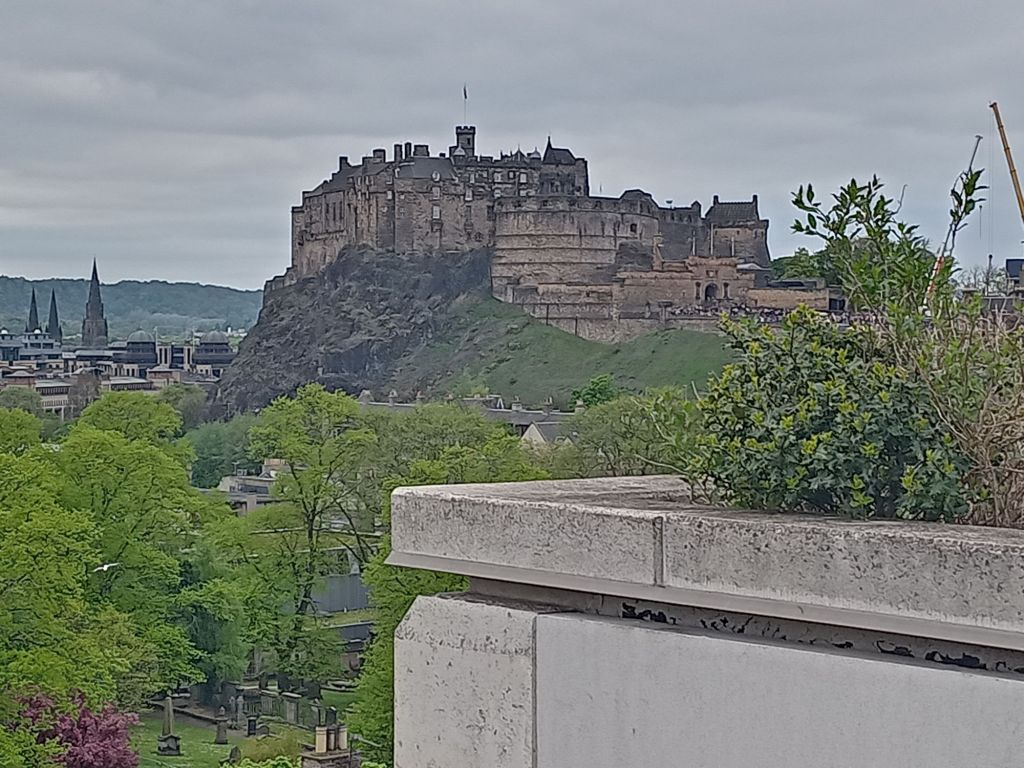
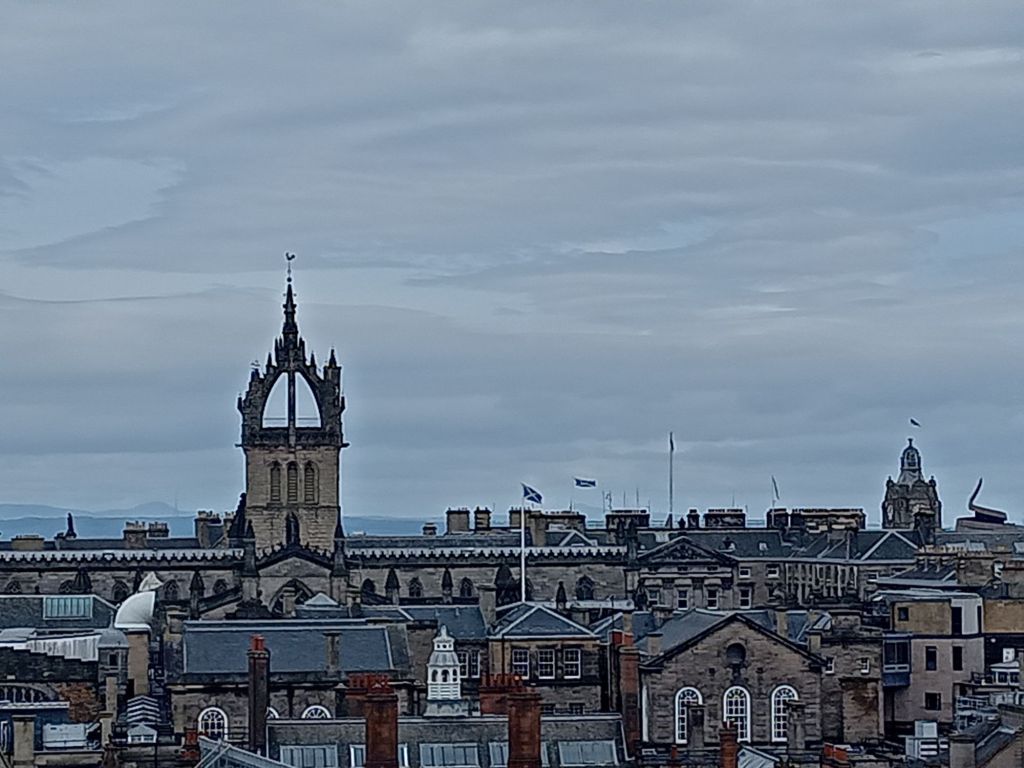
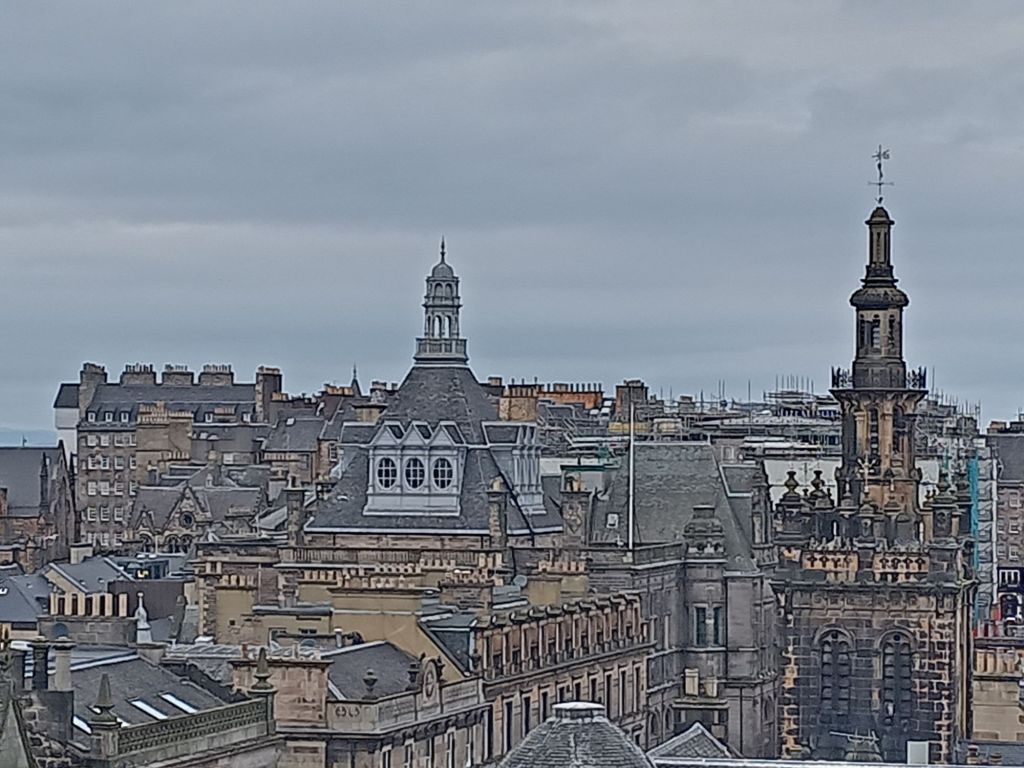
The museum’s roof terrace afforded excellent views of Edinburgh city and surrounding areas.
View from the National Museum roof terrace
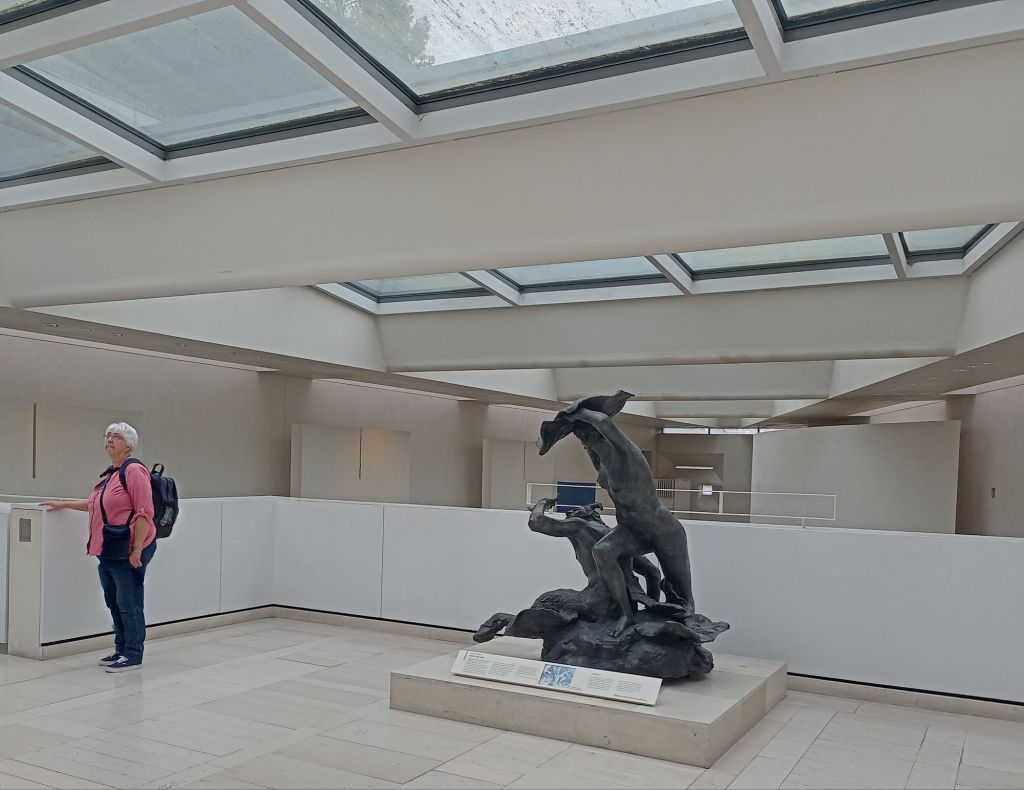
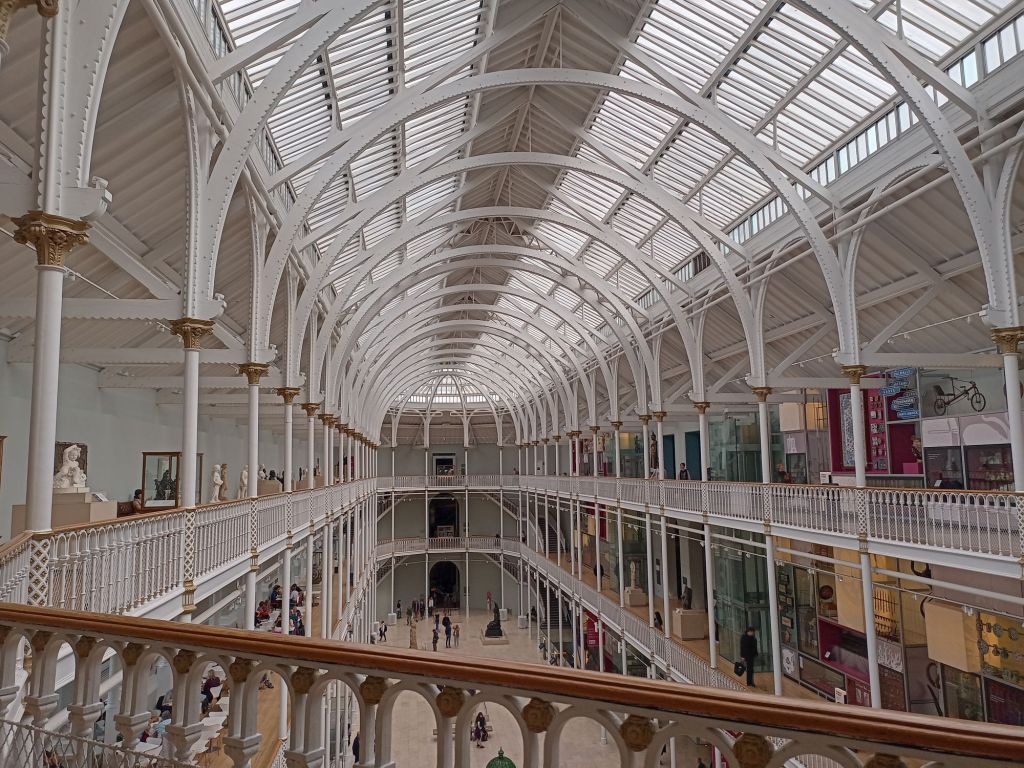
The museum was extraordinarily spacious and light-filled, especially in the older parts of the building.
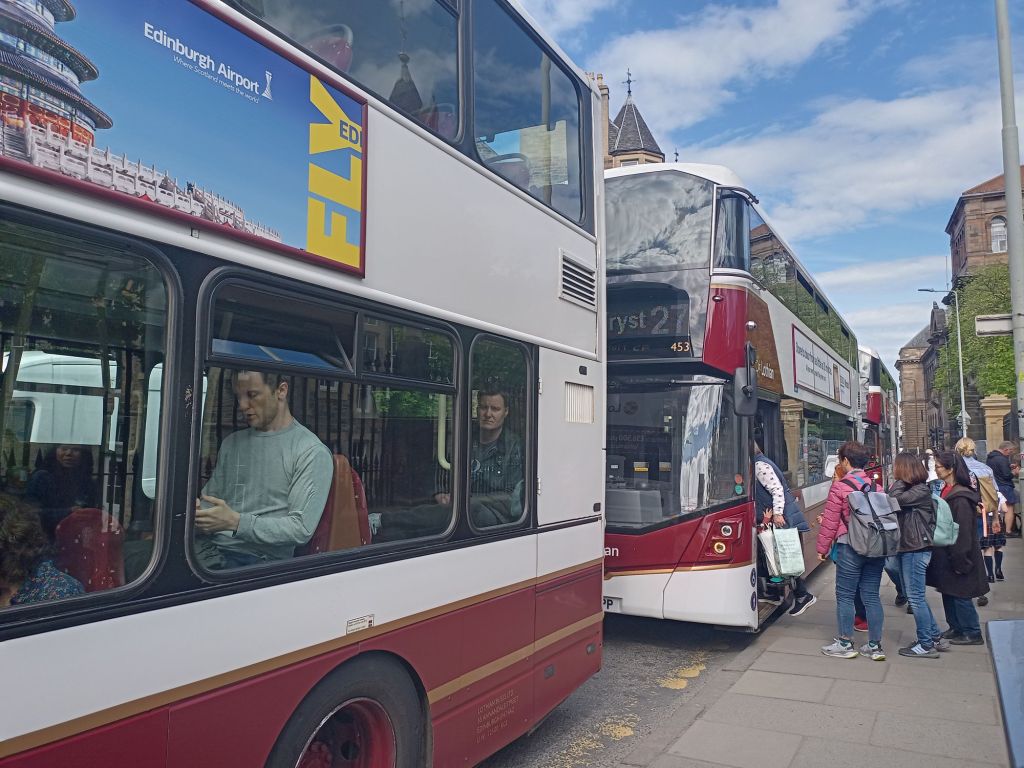
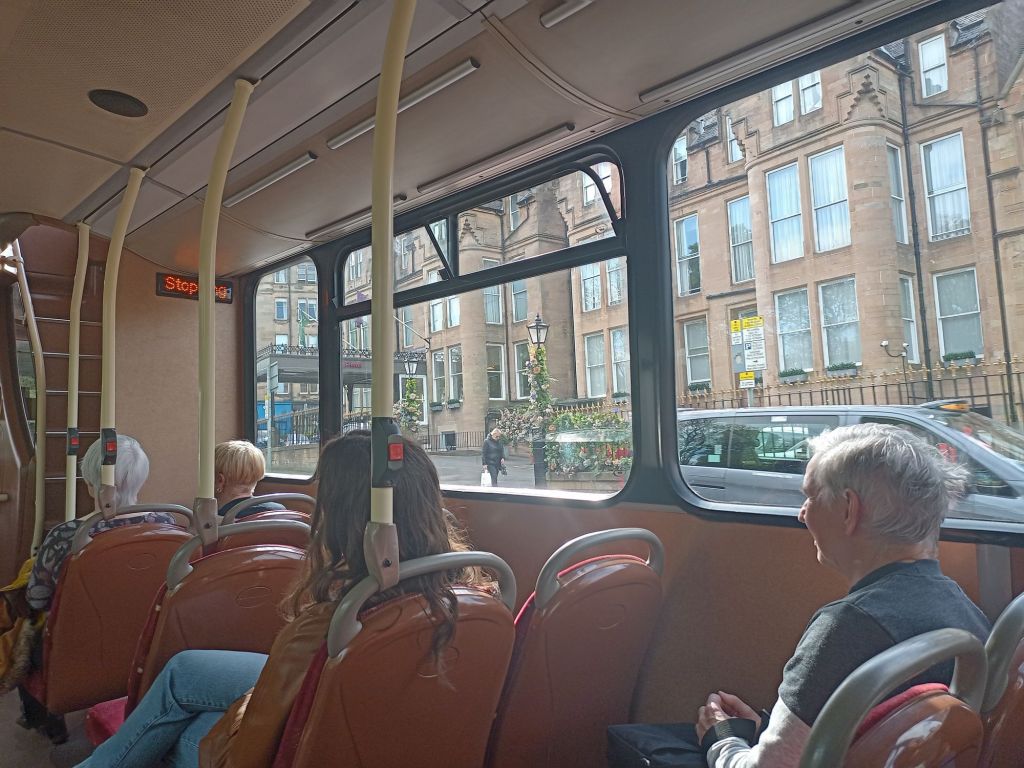
On the bus to the butcher’s shop near Holy Corner..
Haggis after being ‘piped in’ for dinner ..
Traditional haggis, neeps (turnips), tatties; non-traditional beans
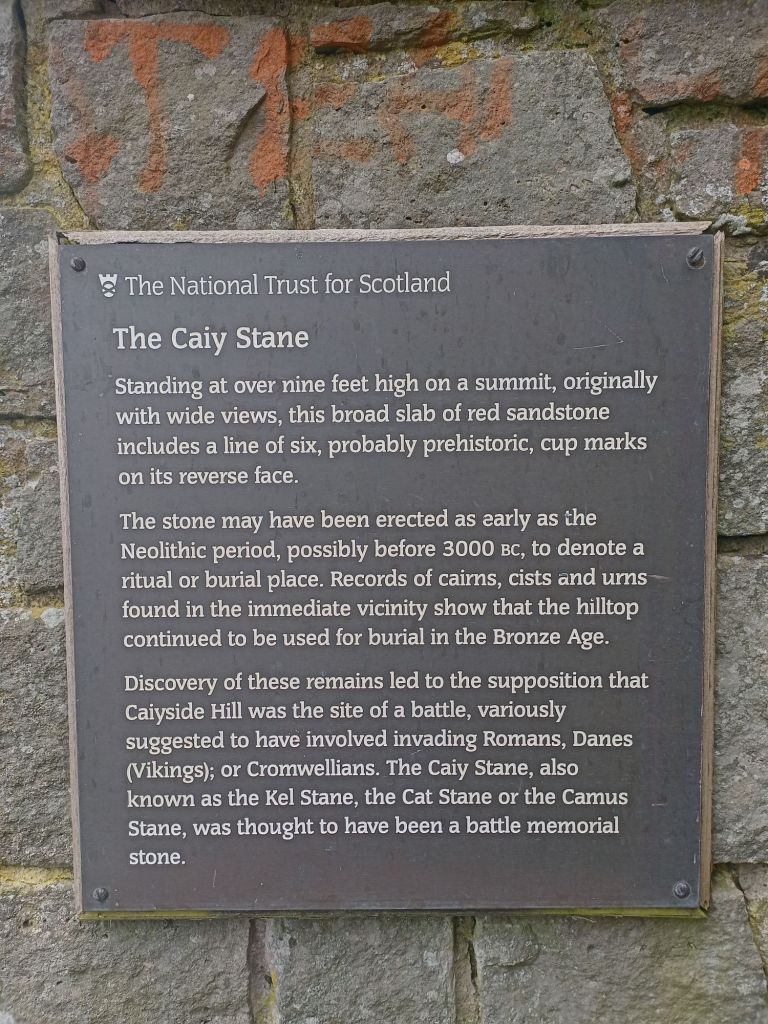
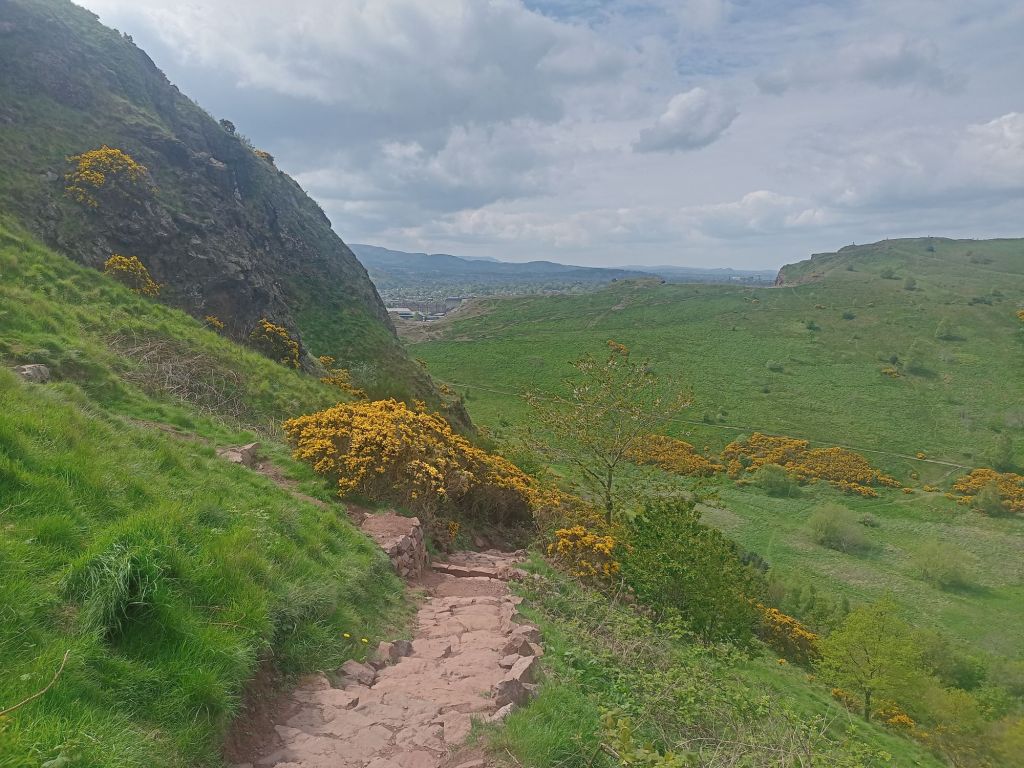
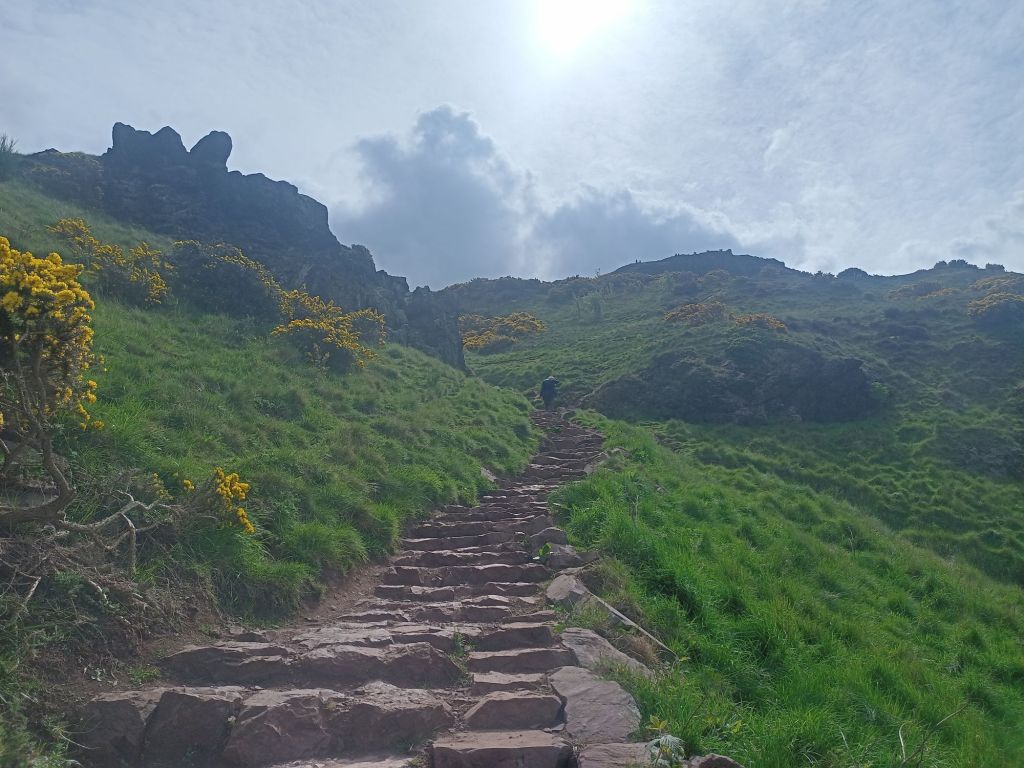
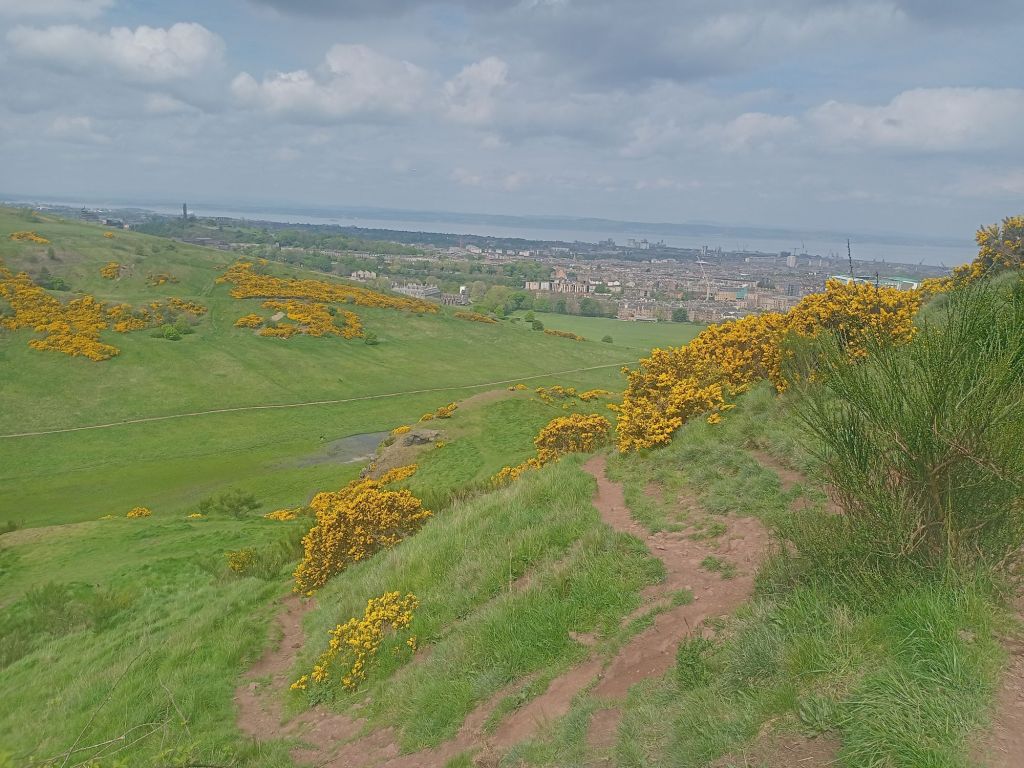
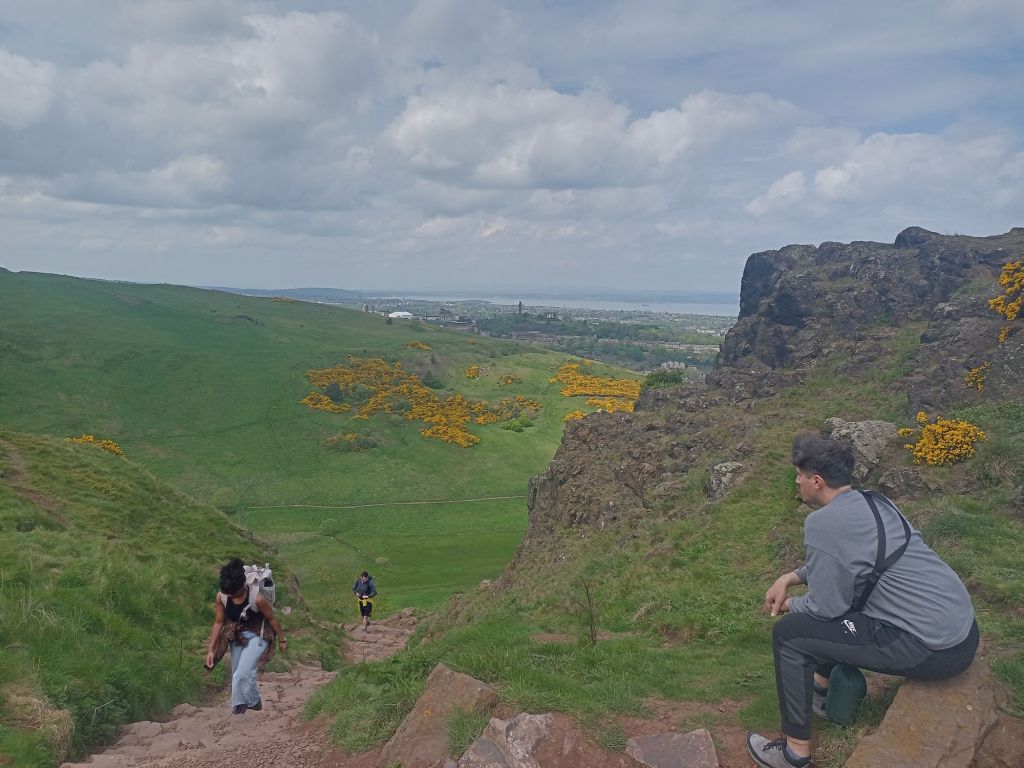
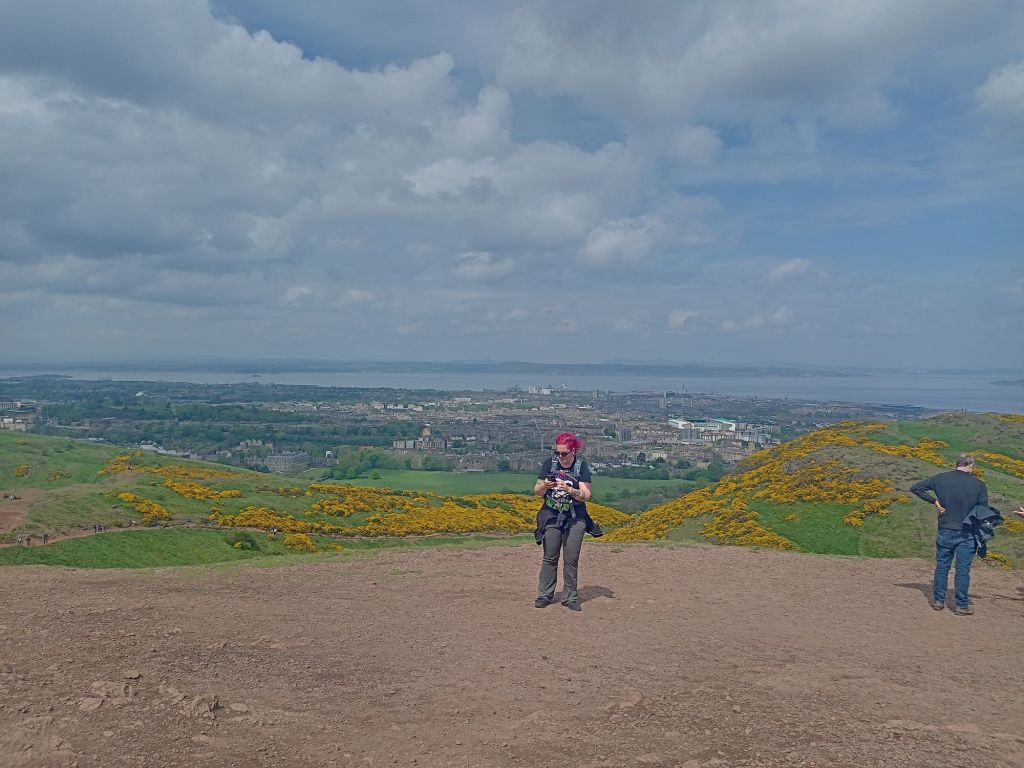
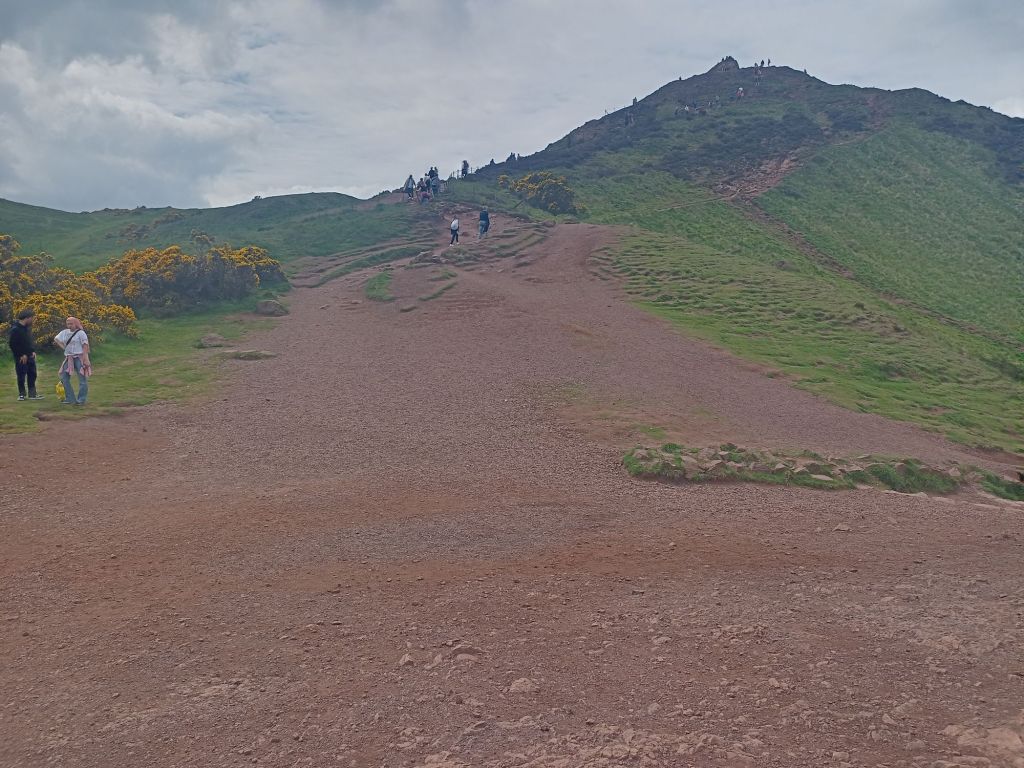
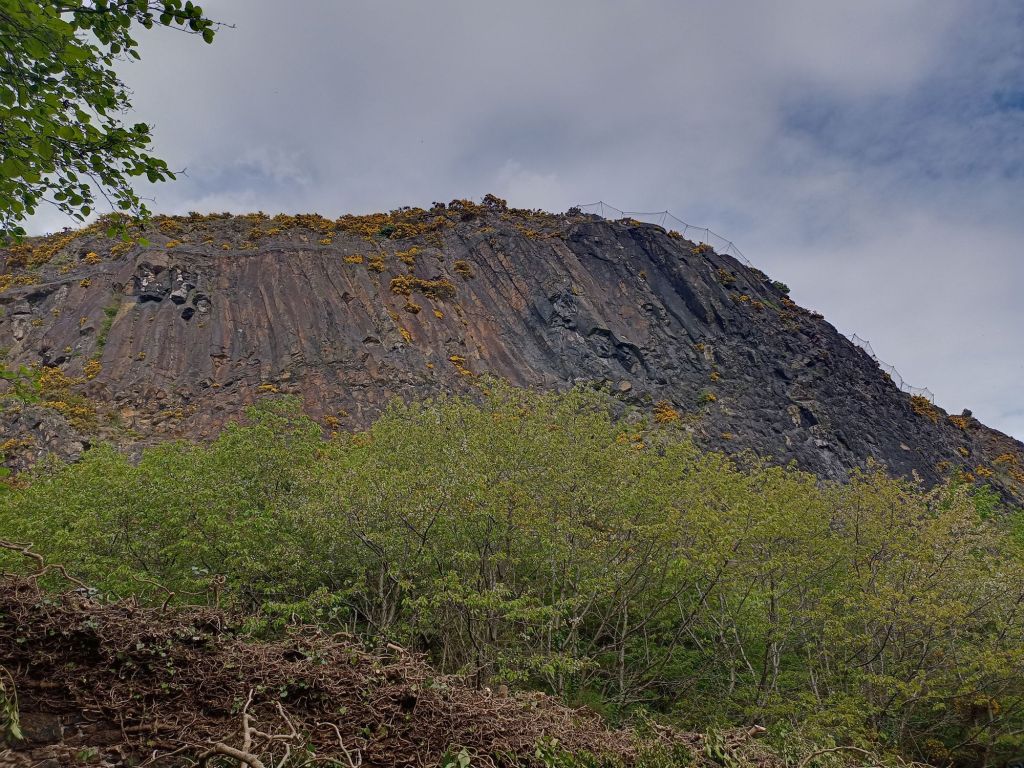
While E and Caroline put their heads together planning our forthcoming road trip to North Wales, Ian went for a run up to the southern outskirts of Edinburgh overlooking the Pentland Hills. After returning to the flat, he and E drove to the bottom of Arthur’s Seat, then walked up this prominent Edinburgh landmark. The return to the car was via a circuitous route through much of central Edinburgh in search of a new chilly bag and slicker pads for the Wales trip.
Edinburgh: Day 5 – Royal Circus, National Gallery, University
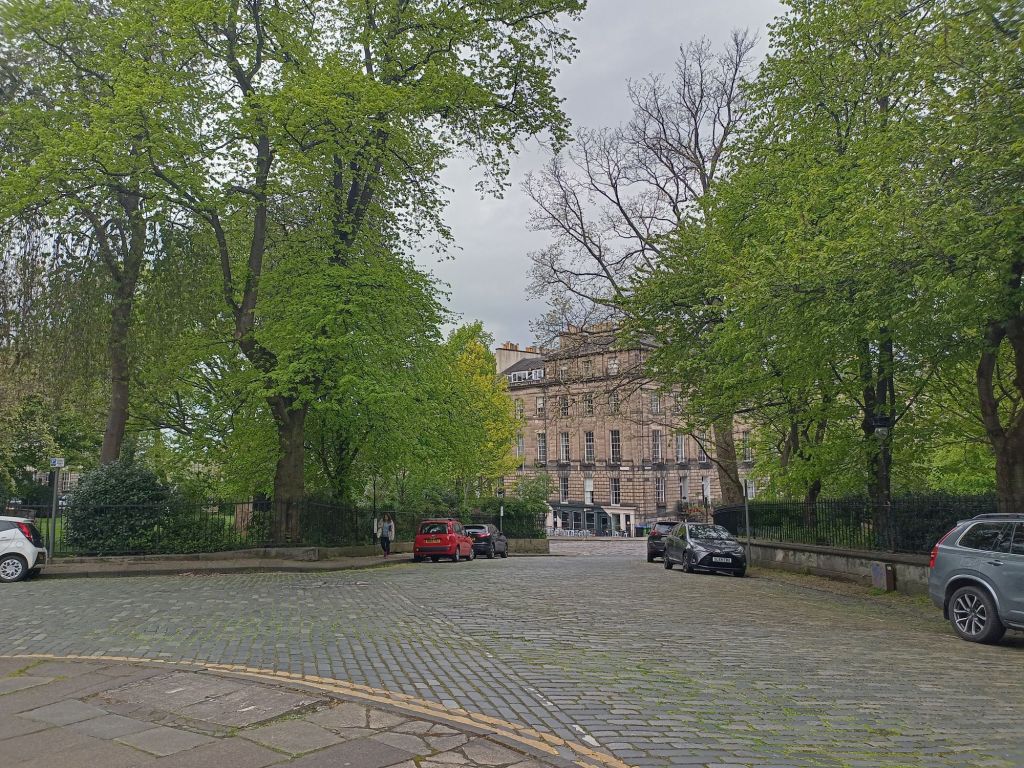
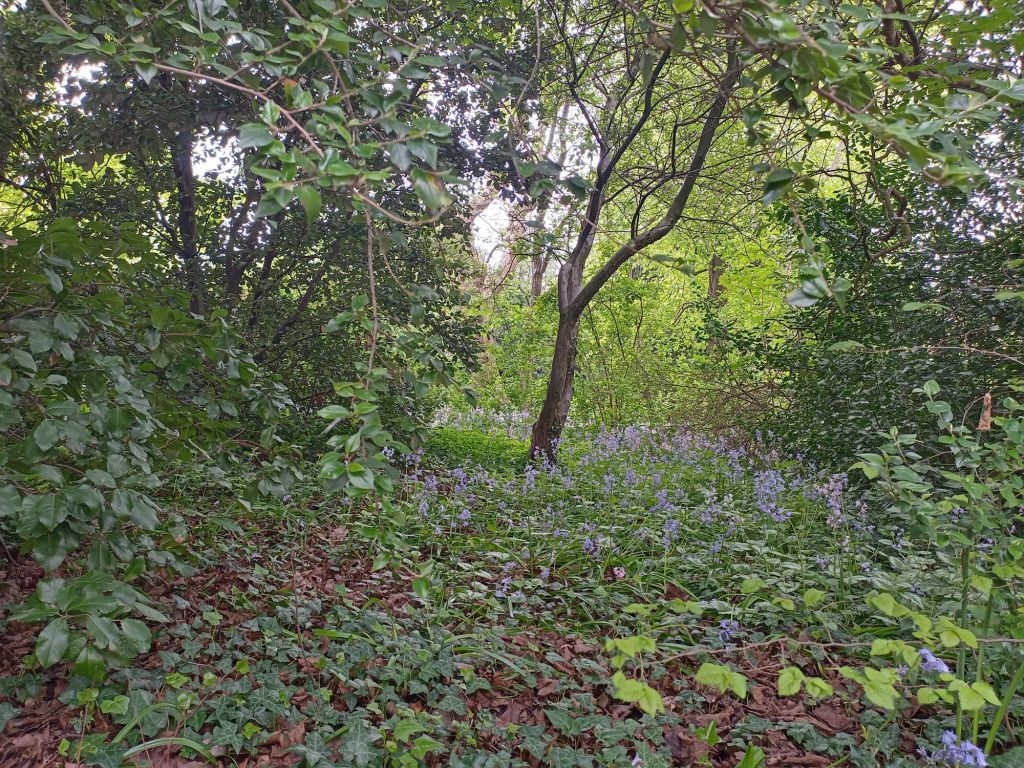
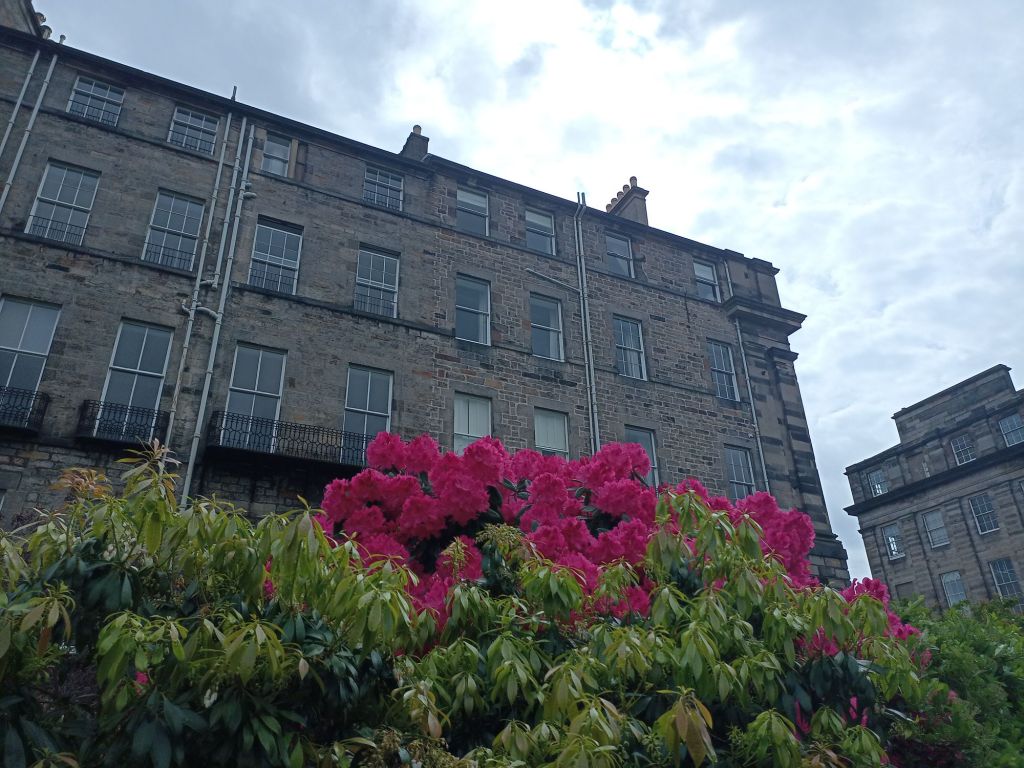
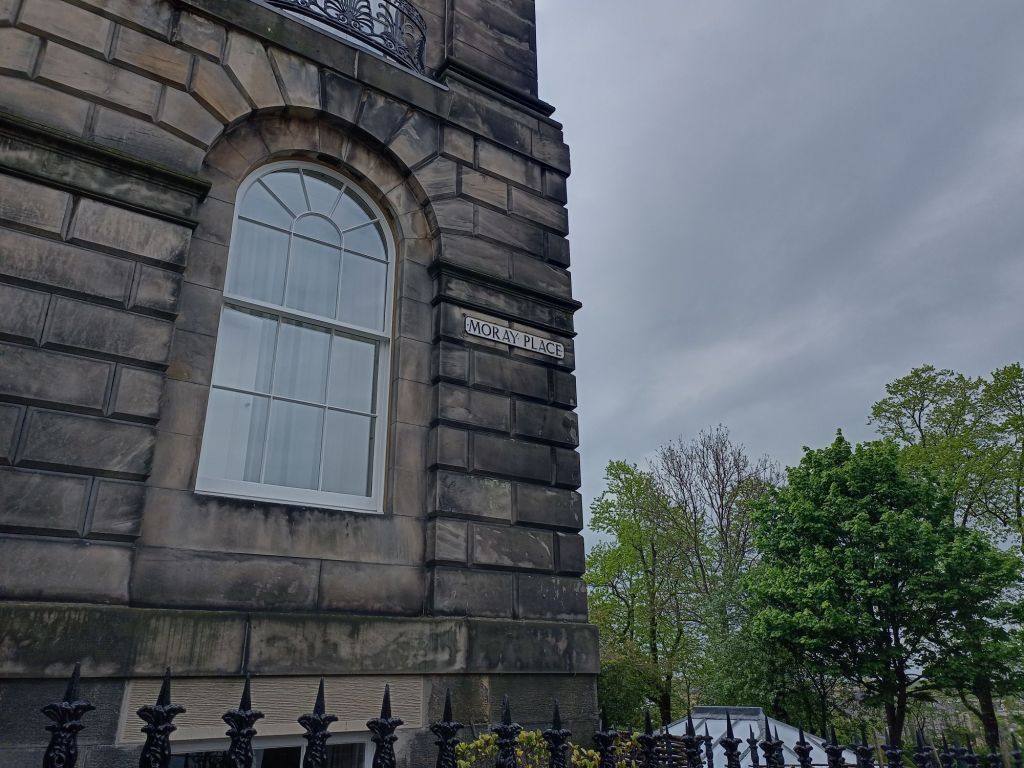
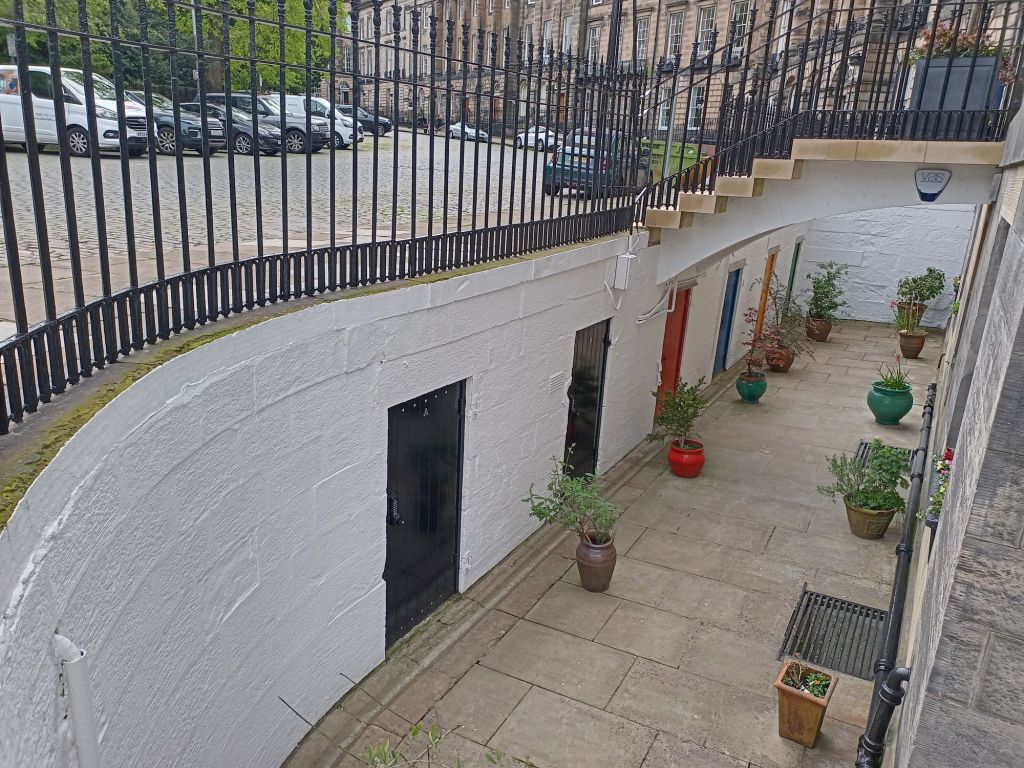
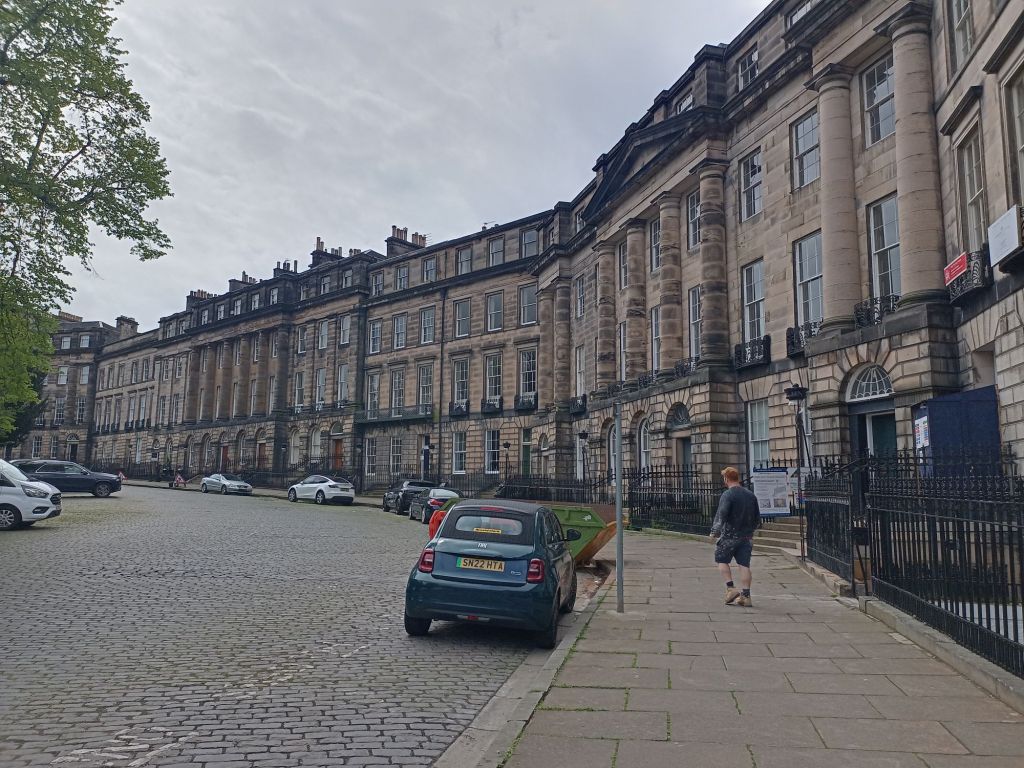
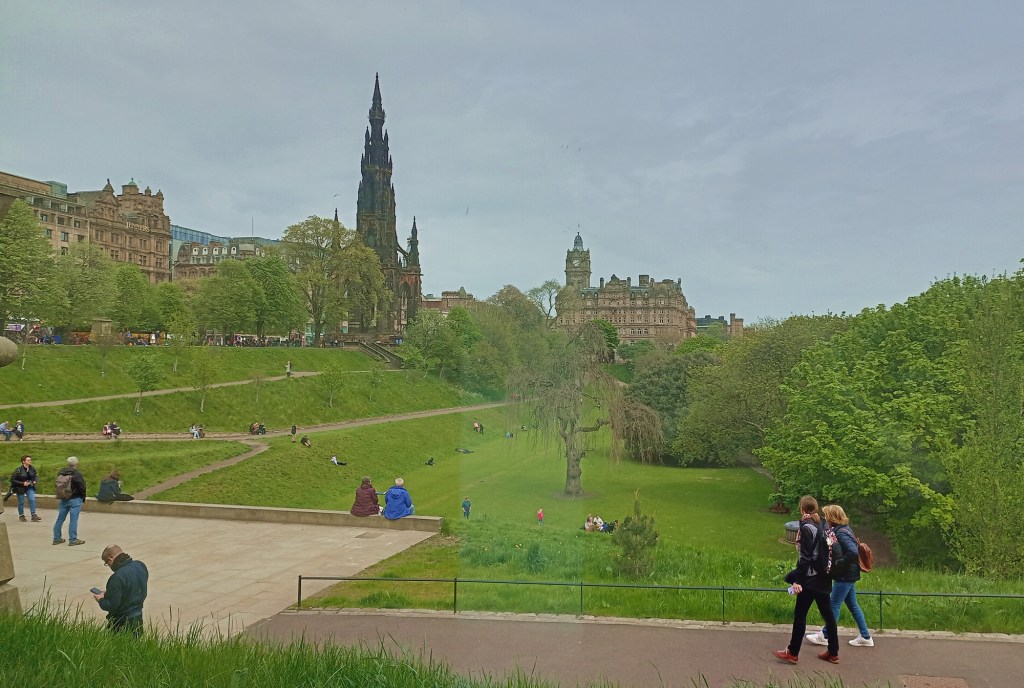
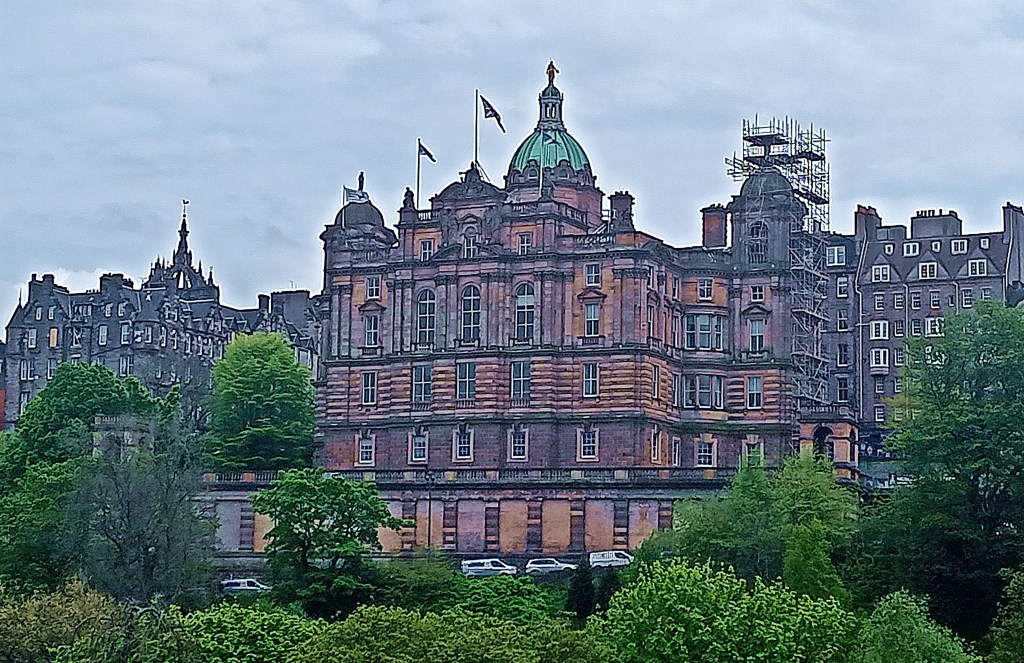
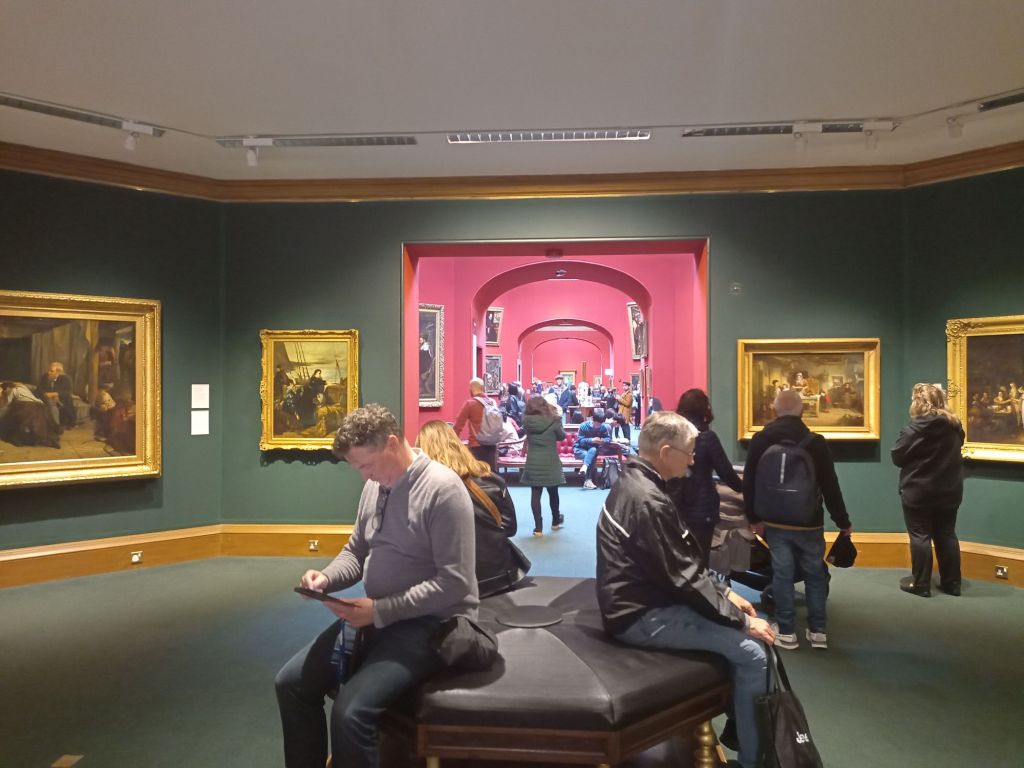
A day for more exploration of the Old and New Towns of Edinburgh. Caroline initially zeroed in on the Marks and Spencer store in Princes Street, while Ian walked to the Royal Circus and surrounding streets and parks including Moray Place. Meeting up outside the Scottish National Gallery for a lunch of homemade salad rolls, we then spent two stimulating hours inside the gallery. Caroline took the bus home, while Ian met up with E for a brief tour of the University of Edinburgh.
East Princes Street Gardens with Scott Monument – memorial to Sir Walter Scott (left background)Museum on the Mound (old Bank of Scotland HQ), from East Princes Street Gardens
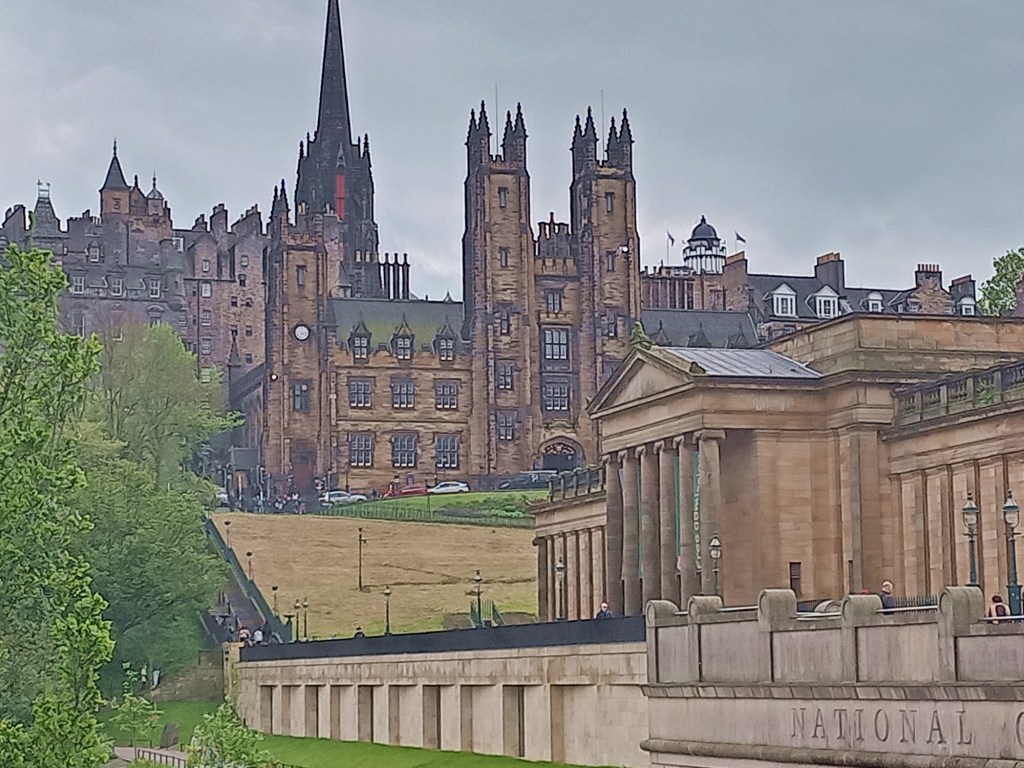
National Gallery (right) with University School of Divinity behind, from East Princes Street Gardens
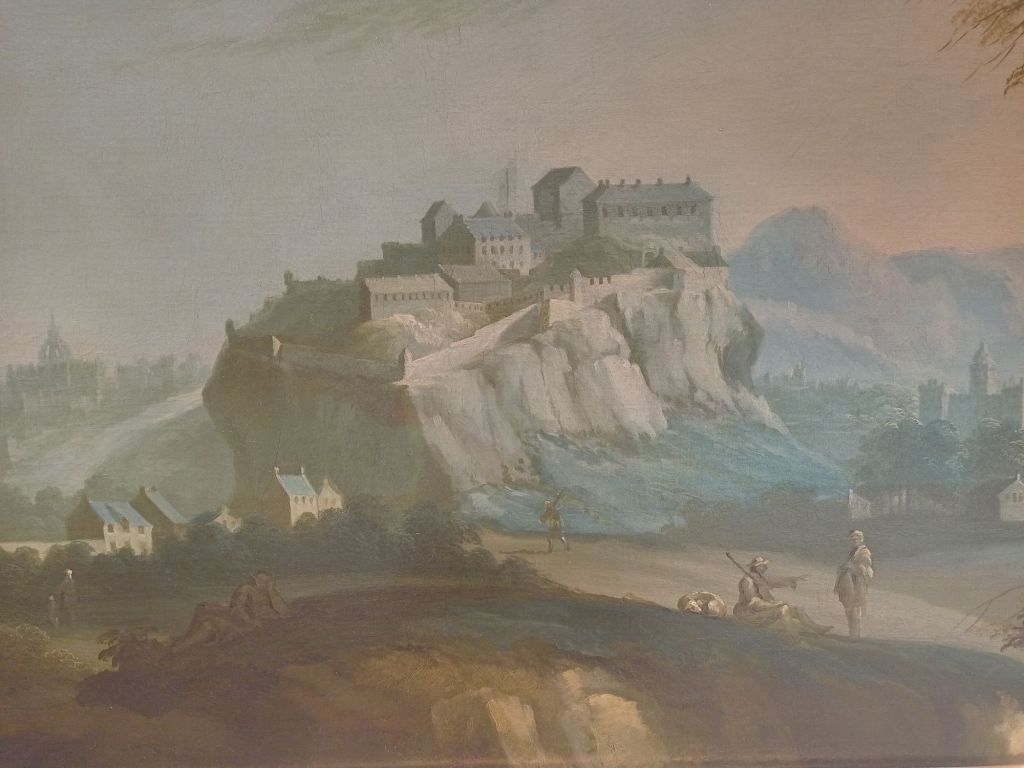
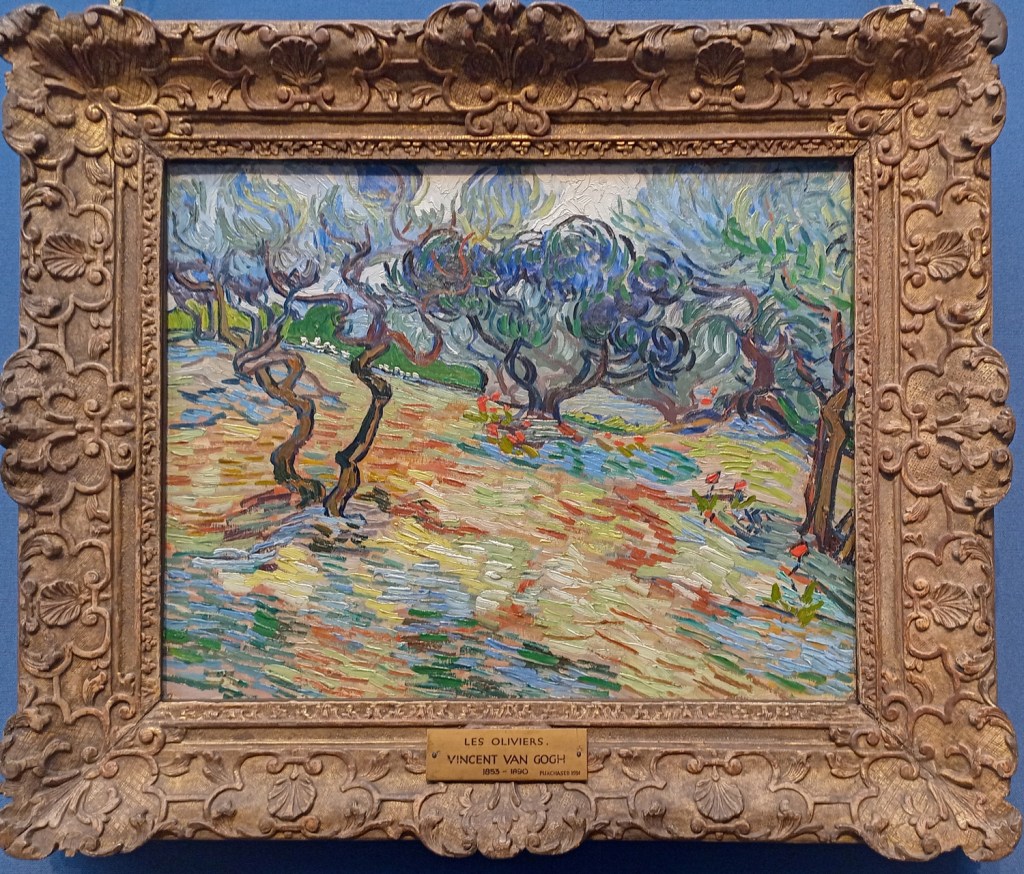
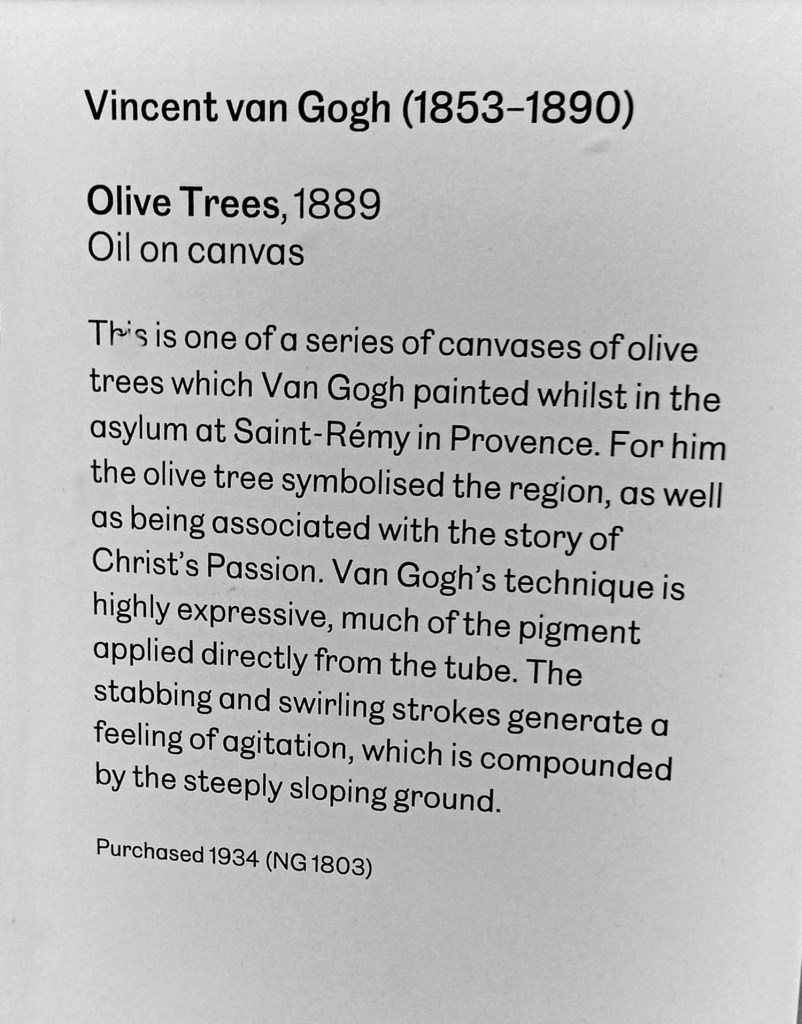
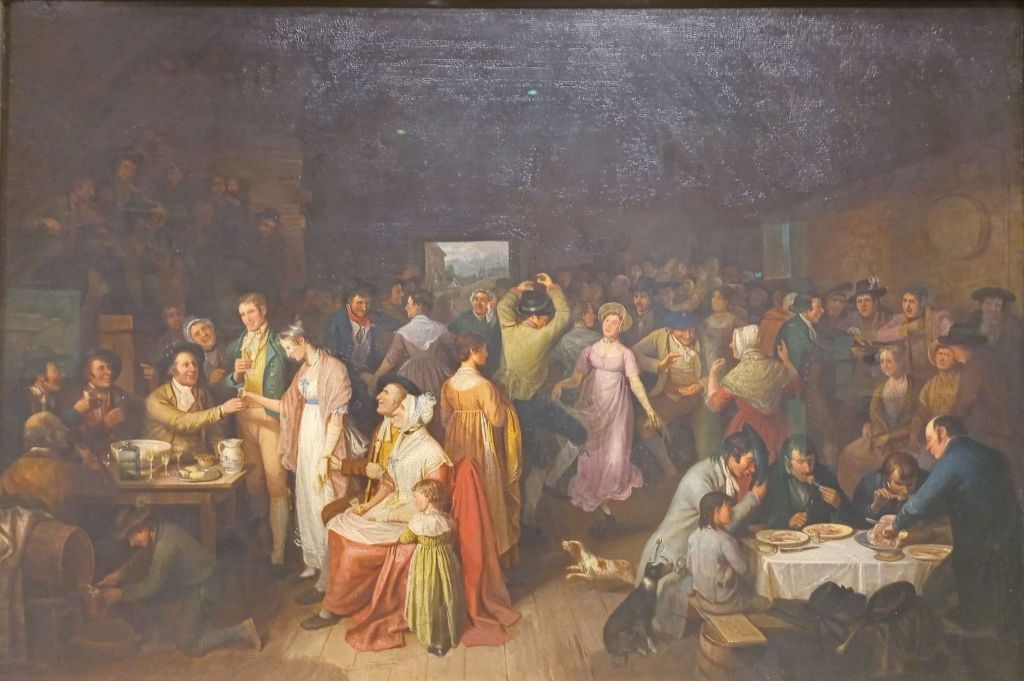
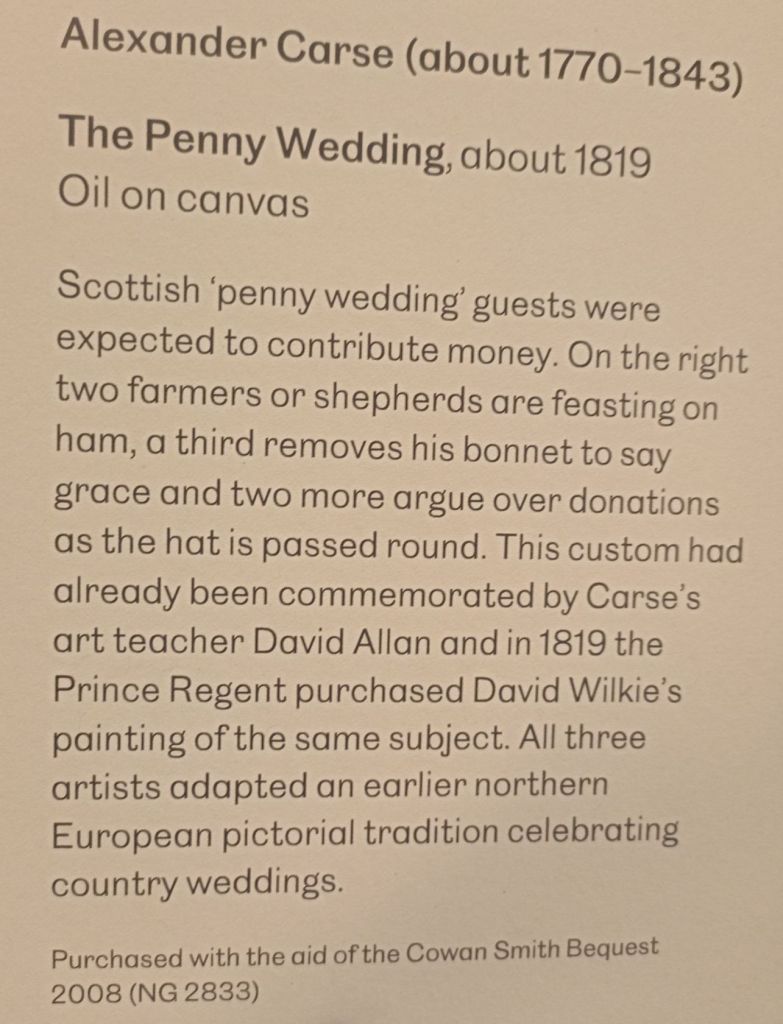
Scottish National Gallery paintings…
Edinburgh from the West by James Norie senior (1684-1757). Oil on canvas, painted about 1745
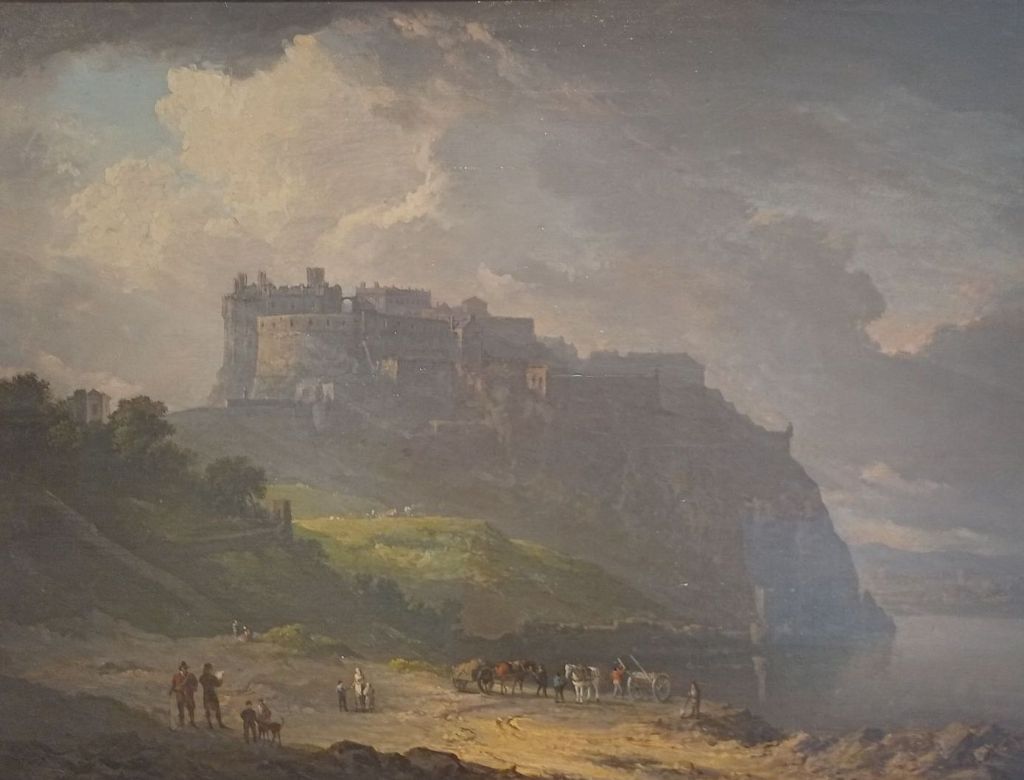
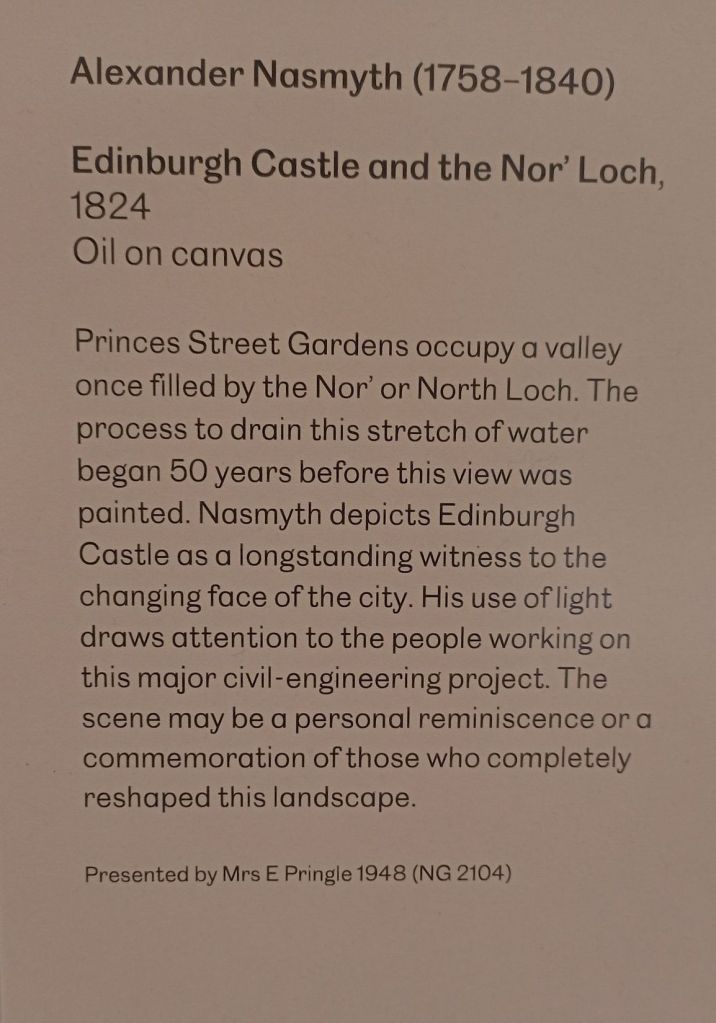
Edinburgh Castle and the Nor’ Loch
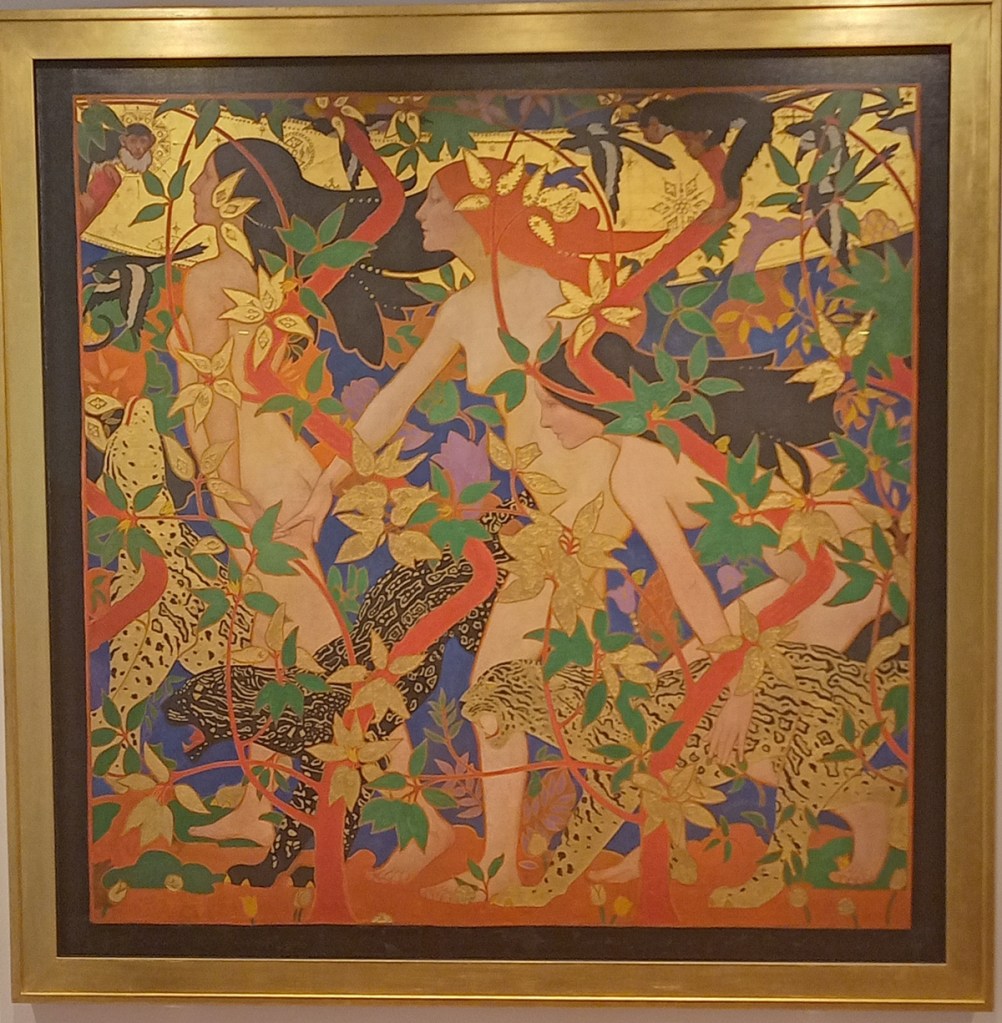
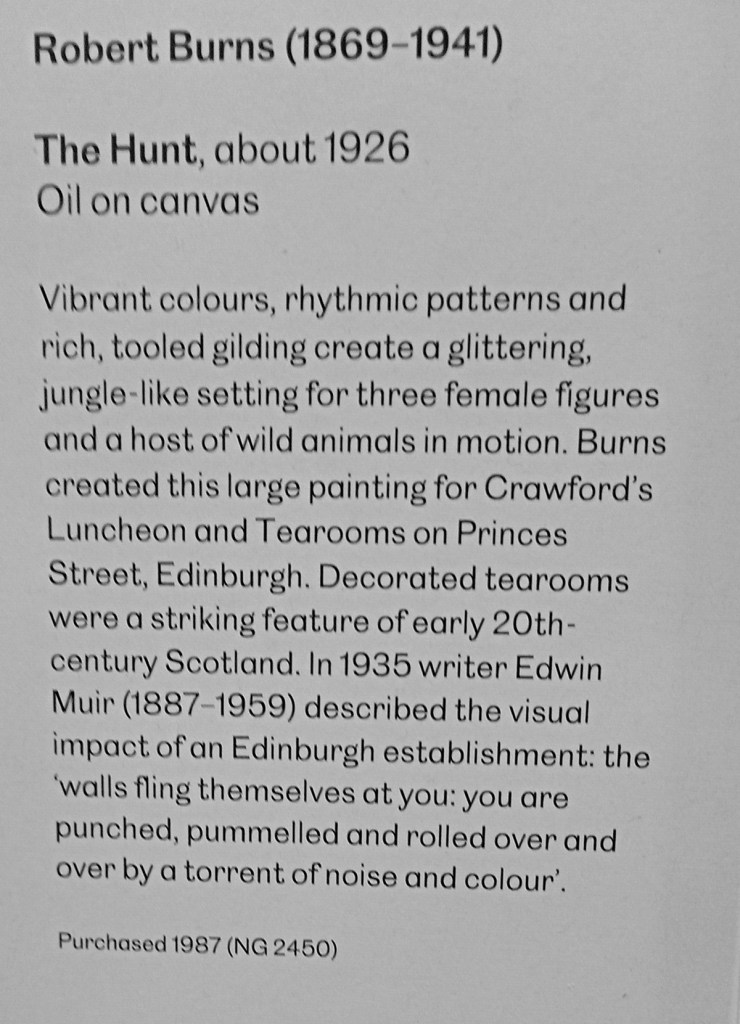
The Hunt
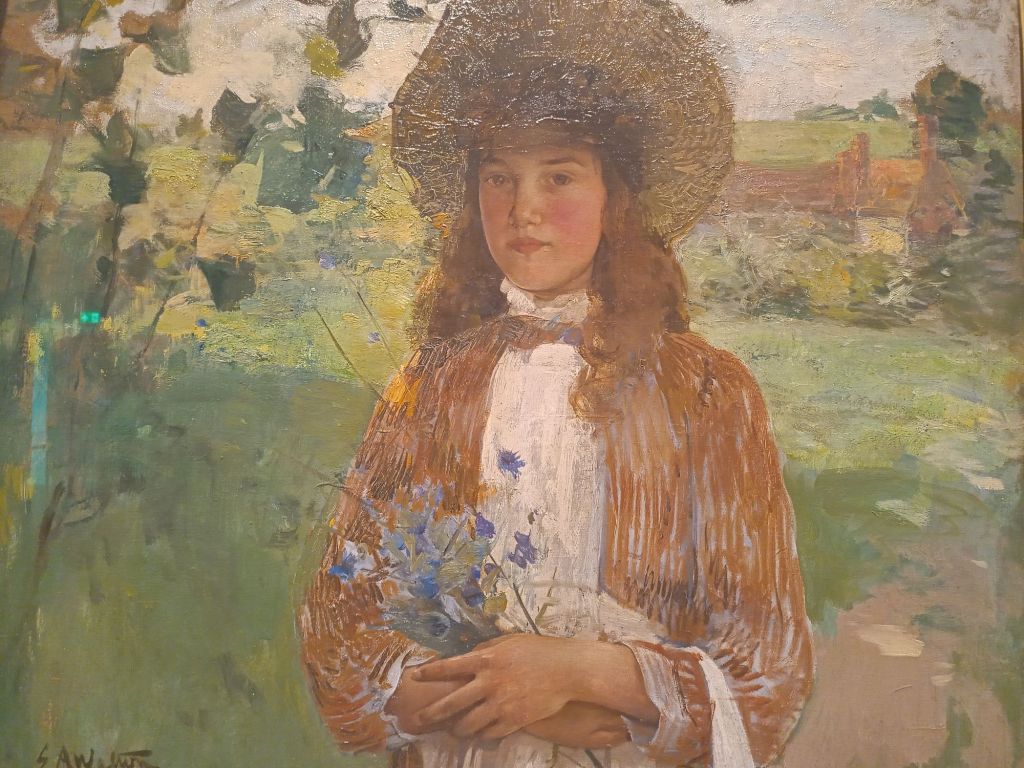
Bluette by Edward Arthur Walton (1860-1922). Oil on canvas, painted in 1891.
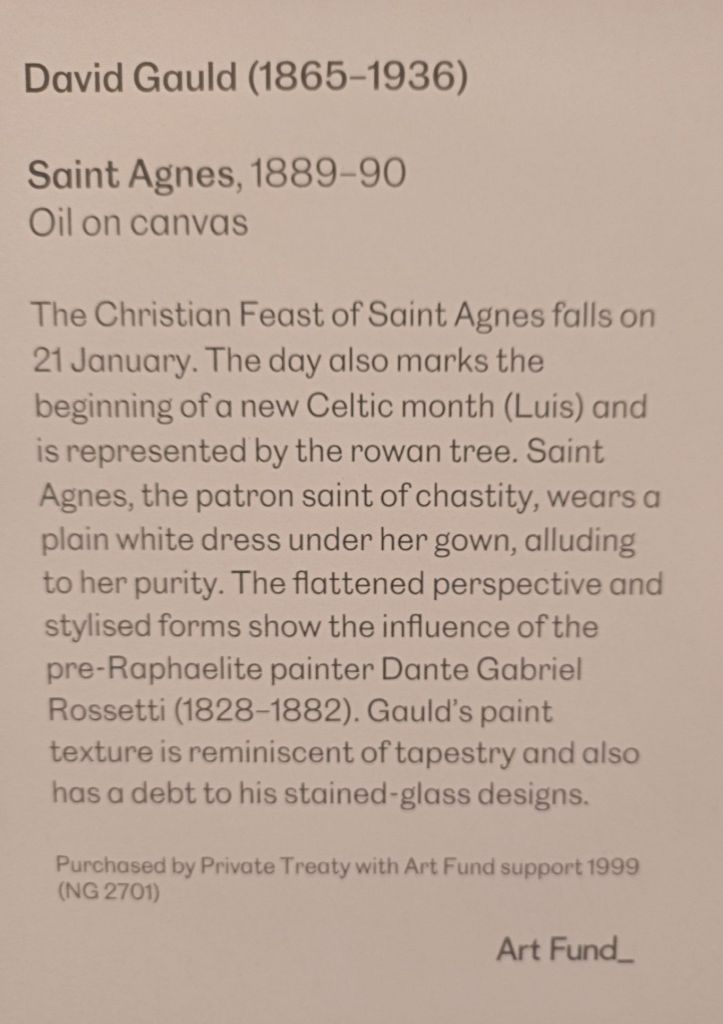
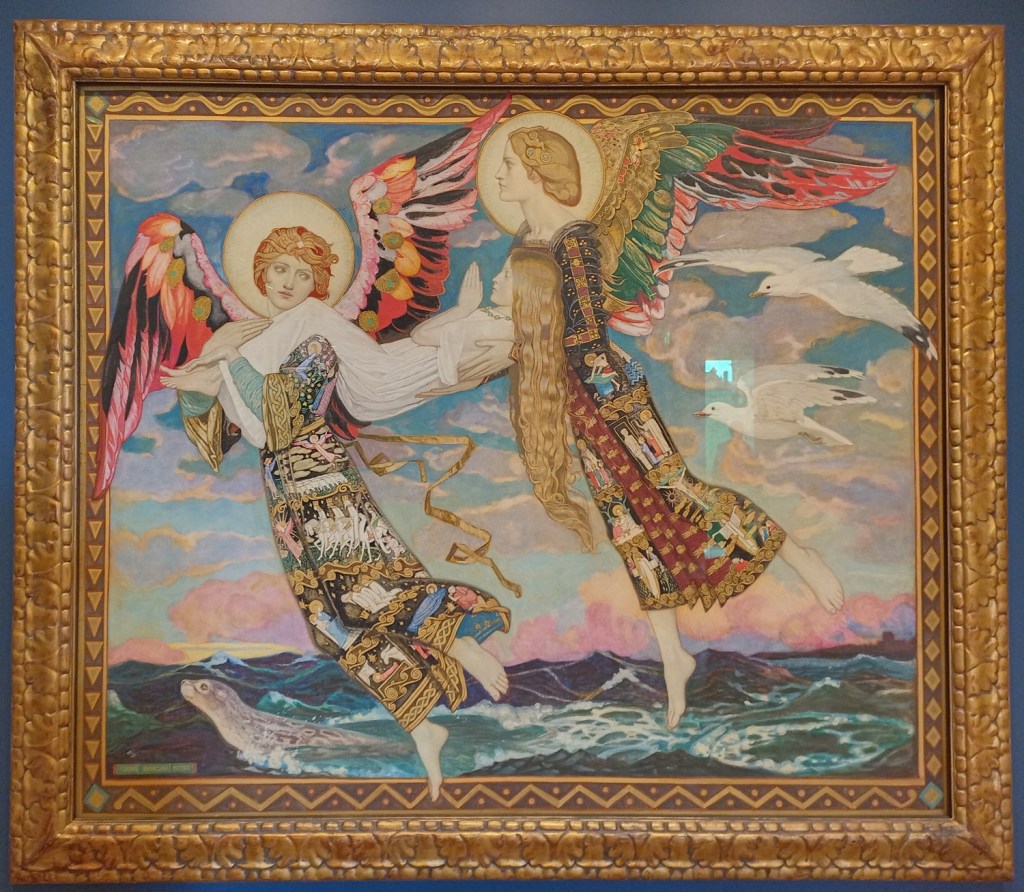
Bluette is a girl’s name, but also describes the cornflowers the subject is holding. Here Walton combines a naturalistic portrait with an interest in tonal harmony; the blue of the flowers complements the girl’s auburn hair and hazel eyes. Meanwhile the smooth handling of her face contrasts with the sketch-like, impressionistic rendering of her white dress and the surrounding landscape.Saint Agnes
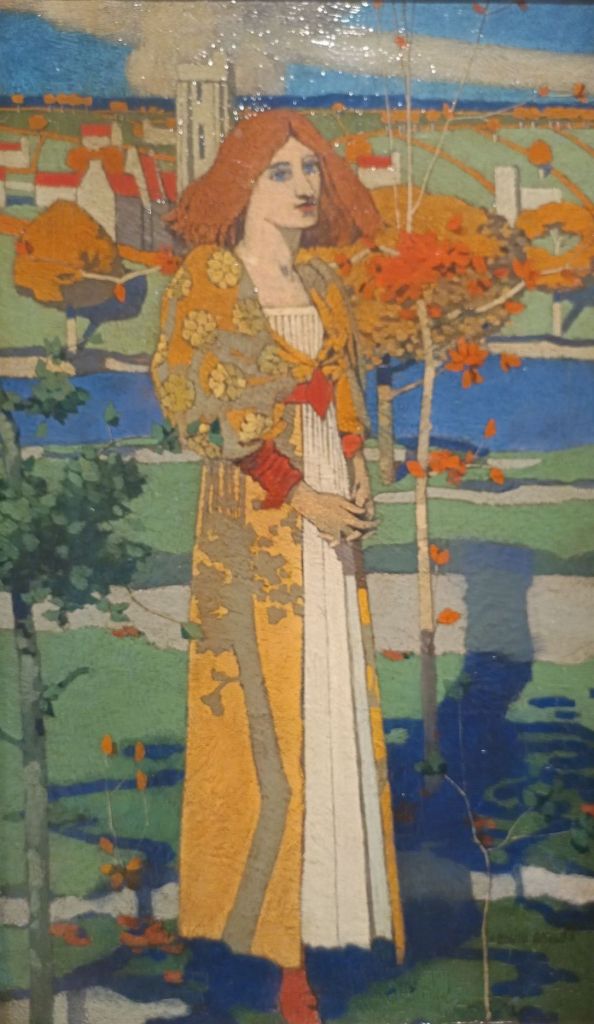
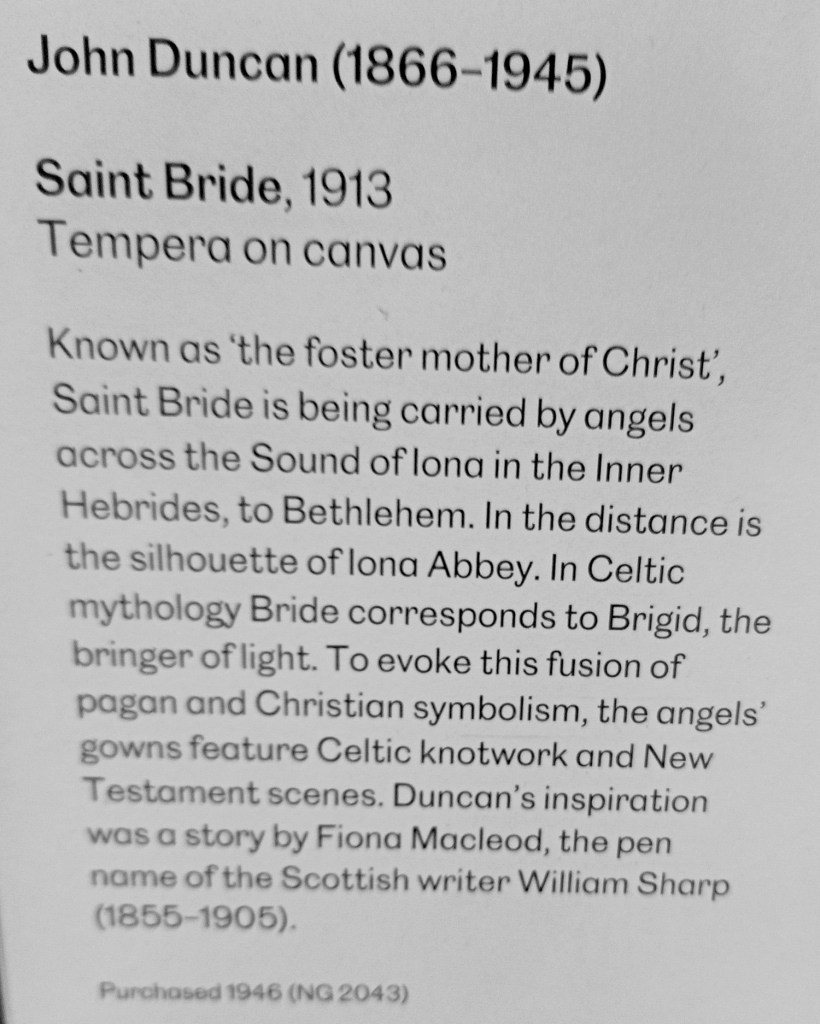
Saint Bride
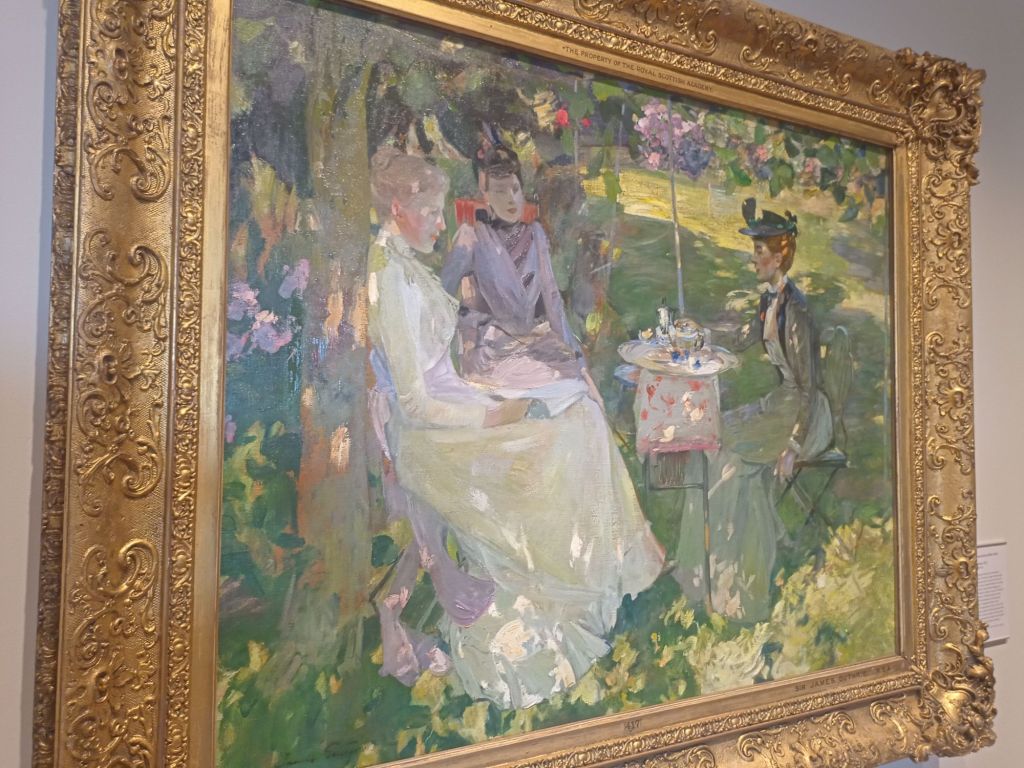
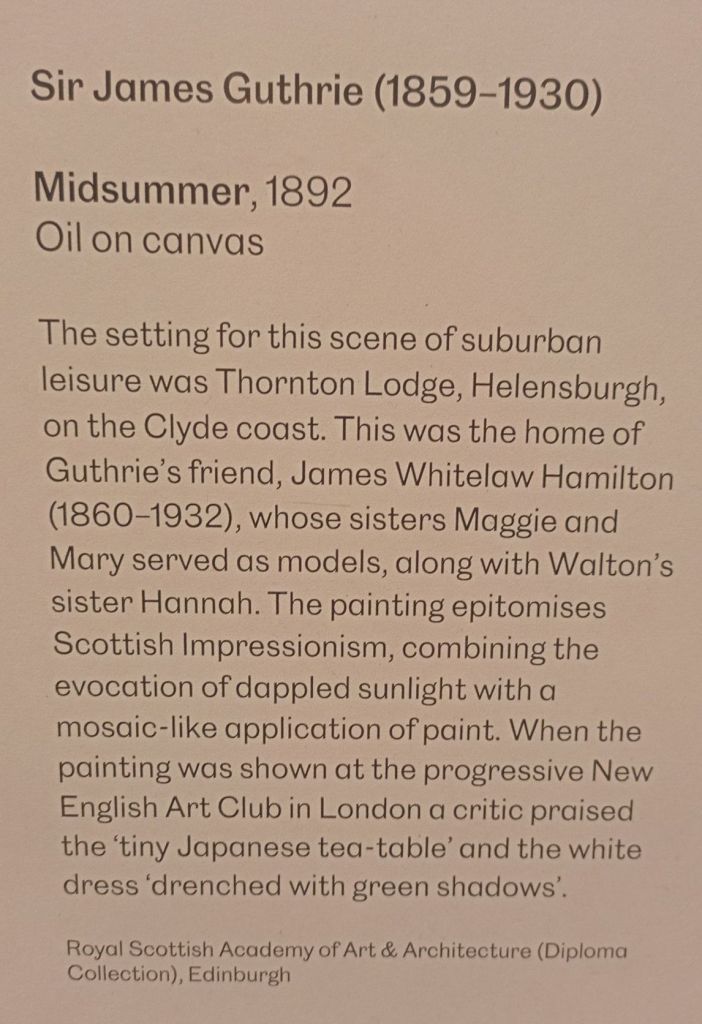
Midsummer
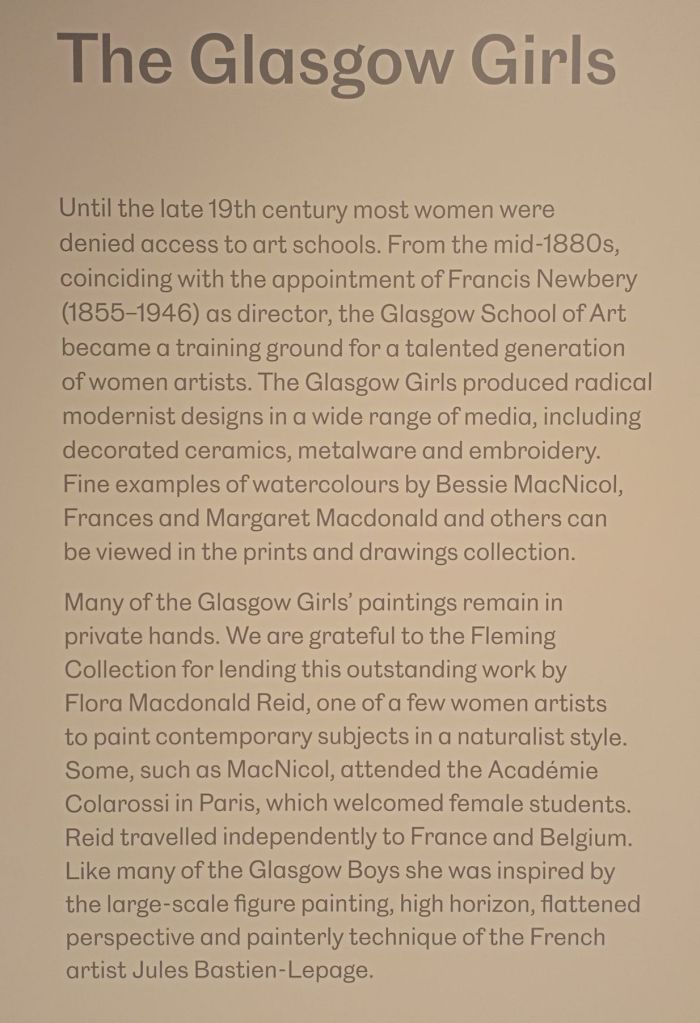
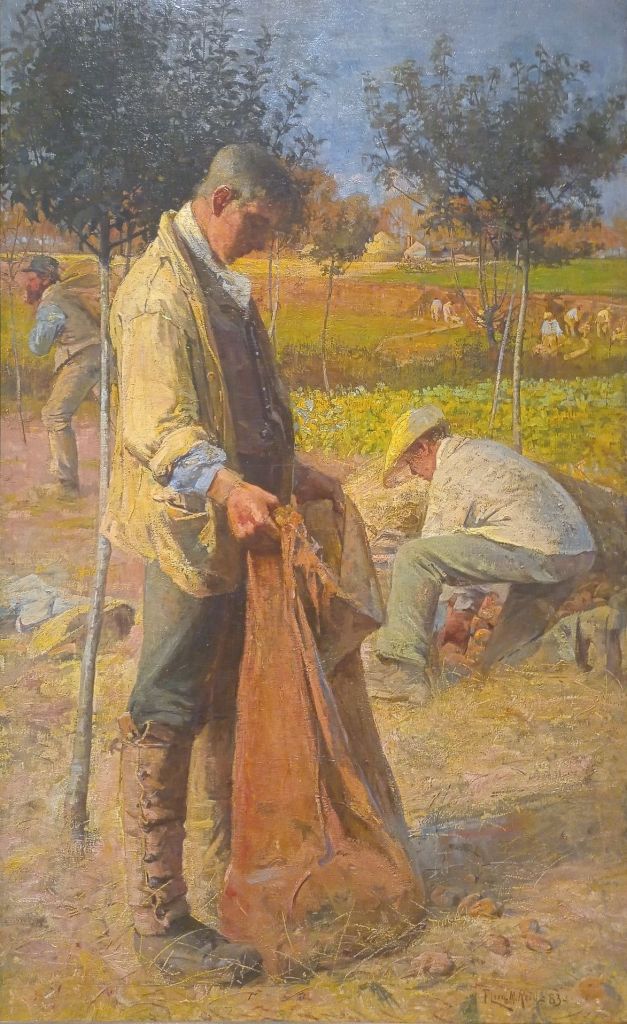
Flora Macdonald Reid (1860-1945) Fieldworkers, 1883 Oil on canvas
In certain areas of northern France – the possible location for this painting – men were hired to help with the potato harvest. In Scotland, by contrast, this backbreaking task was usually undertaken by itinerant female labourers. The tanned field worker has a grandeur and nobility, accentuated by the way in which the light bathes his back, neck and hands. Reid evokes the burning heat by using a blue ground to control the intense colour of her palette.
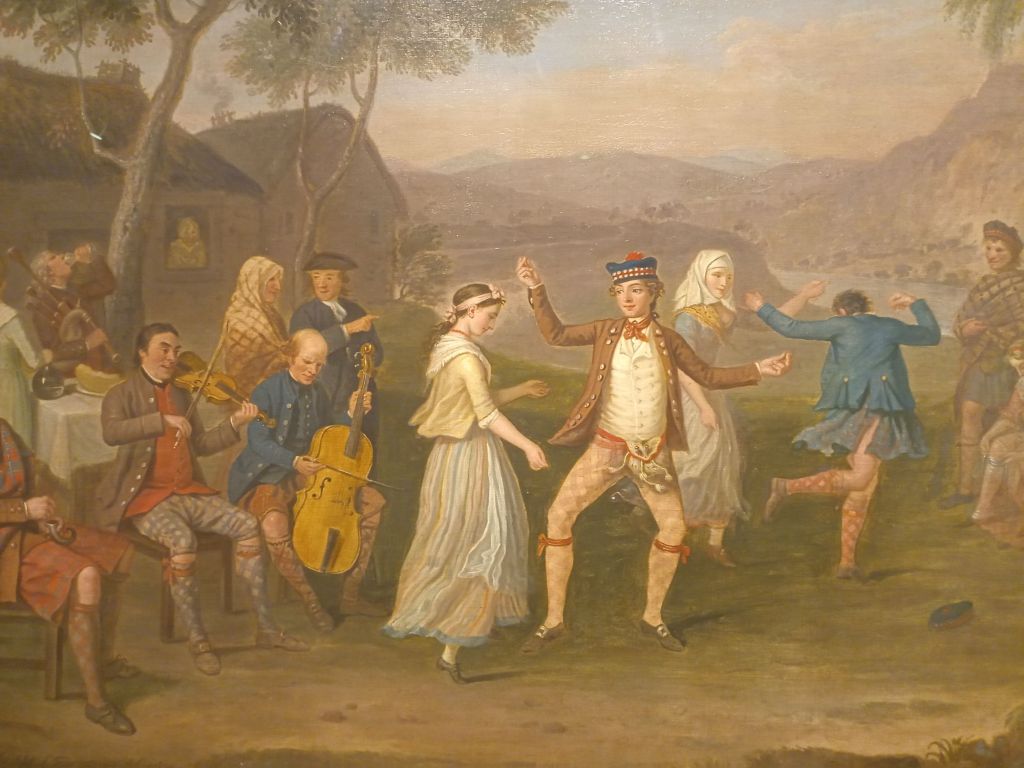
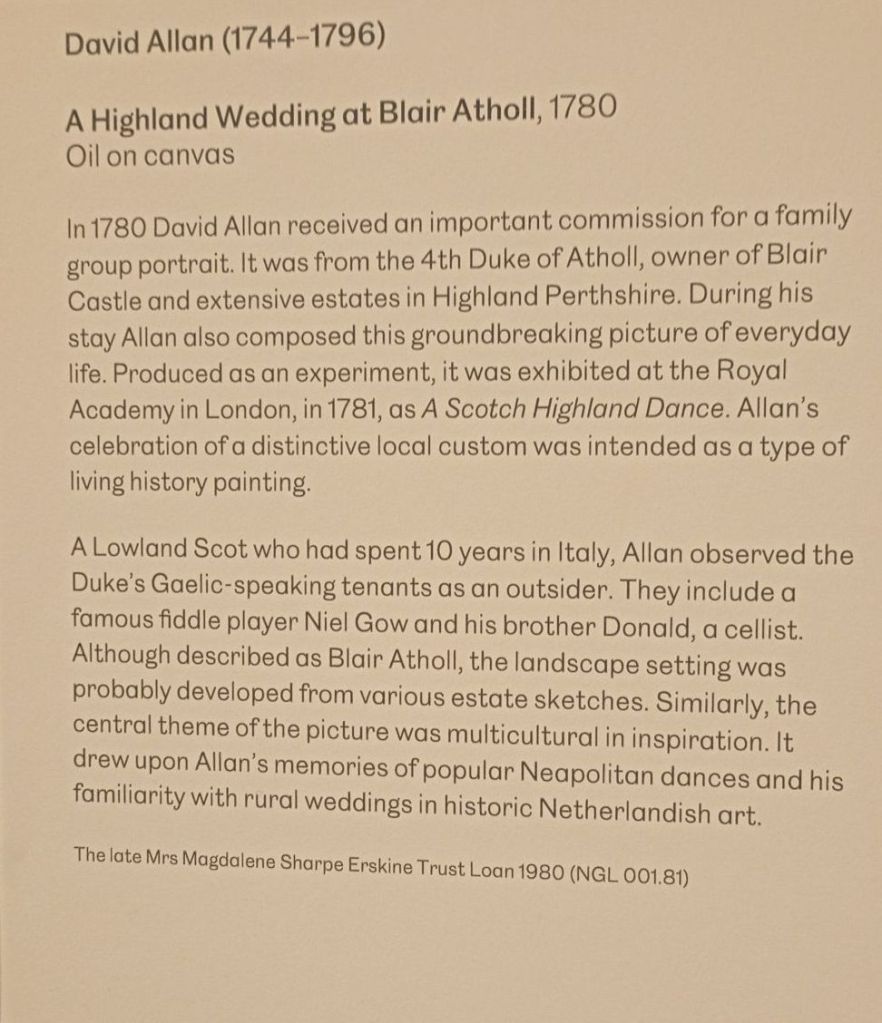
A Highland Wedding at Blair AthollThe Penny Wedding
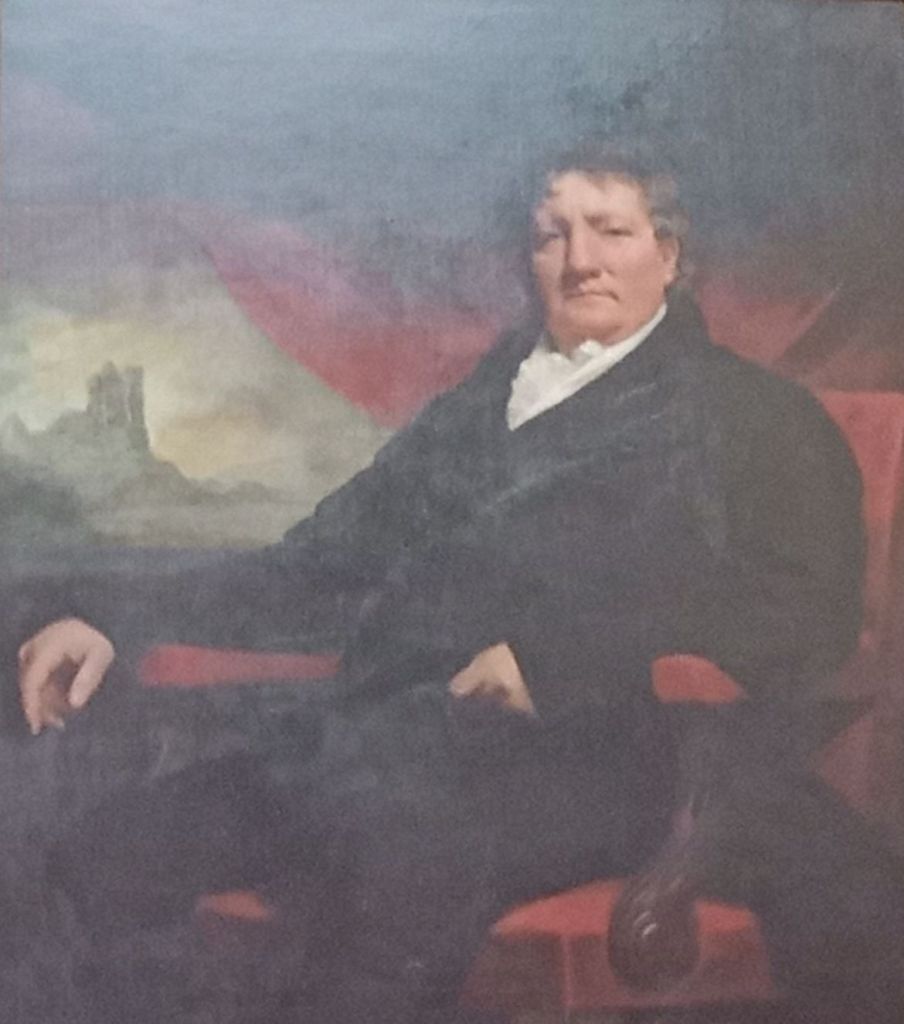
Thomas Kennedy of Dunure (died 1819) by Sir Henry Raeburn (1756-1823). Oil on canvas, painted about 1812
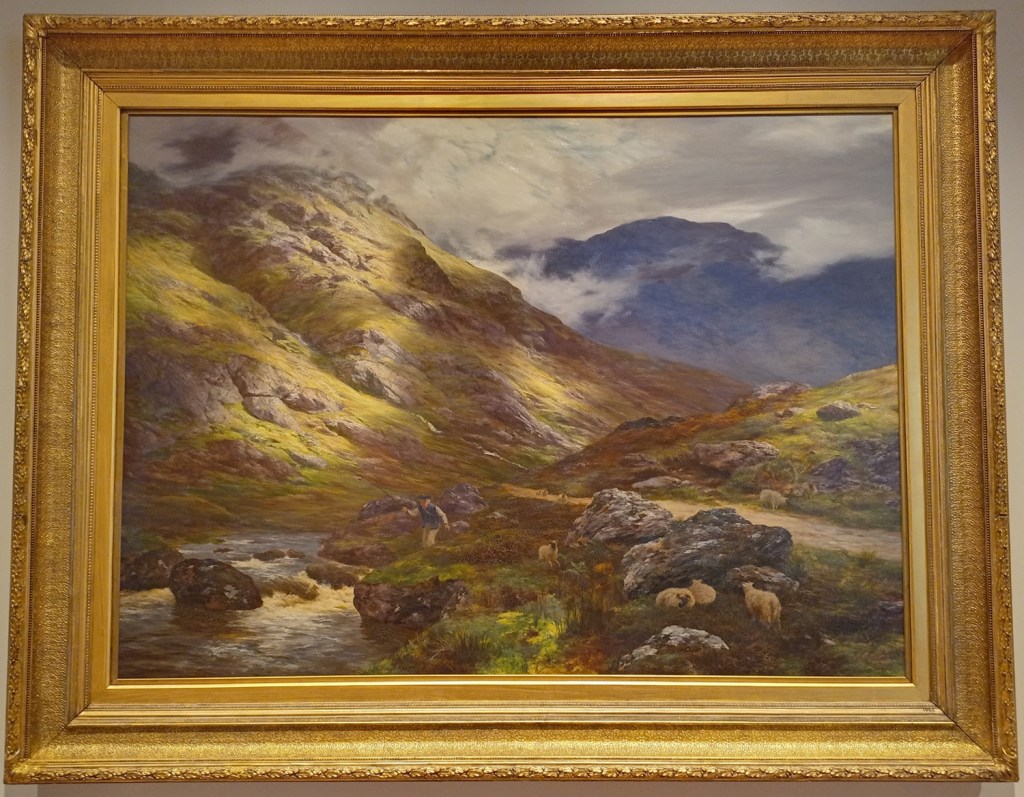
Wandering Shadows
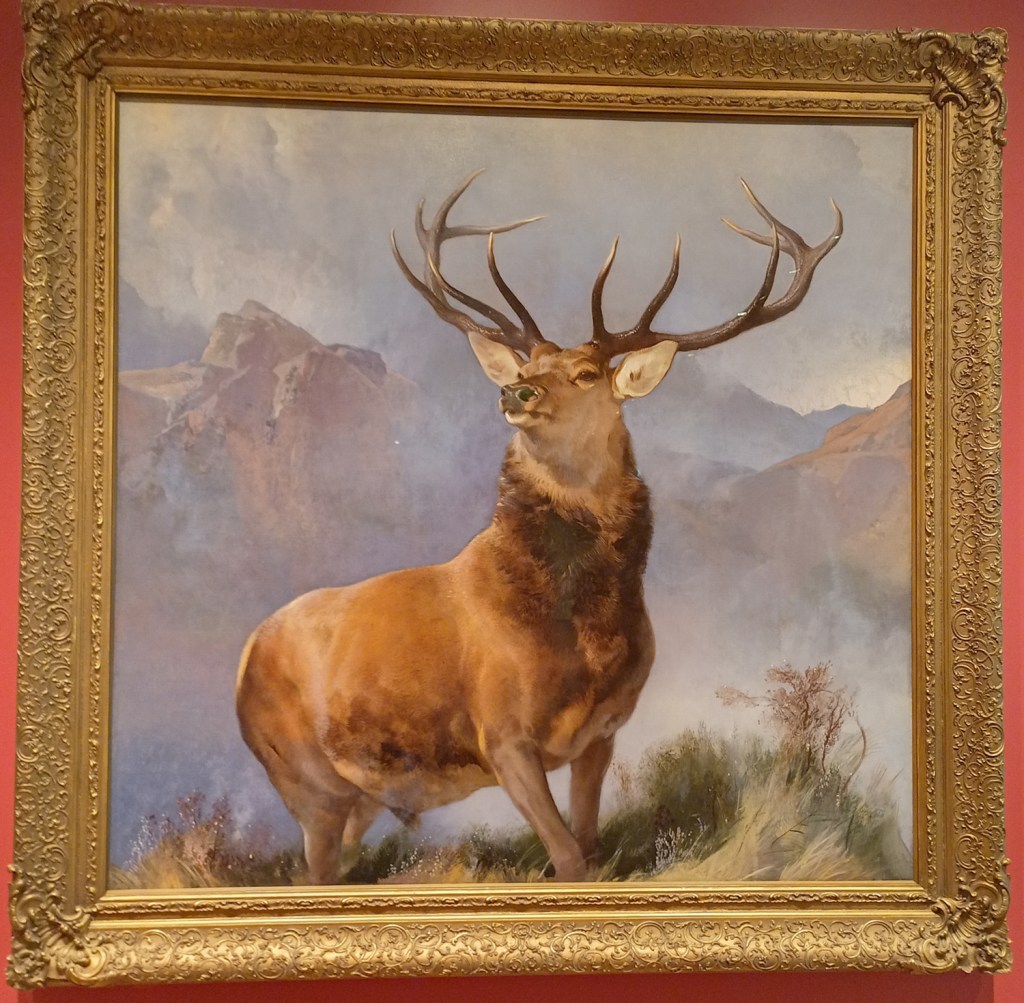
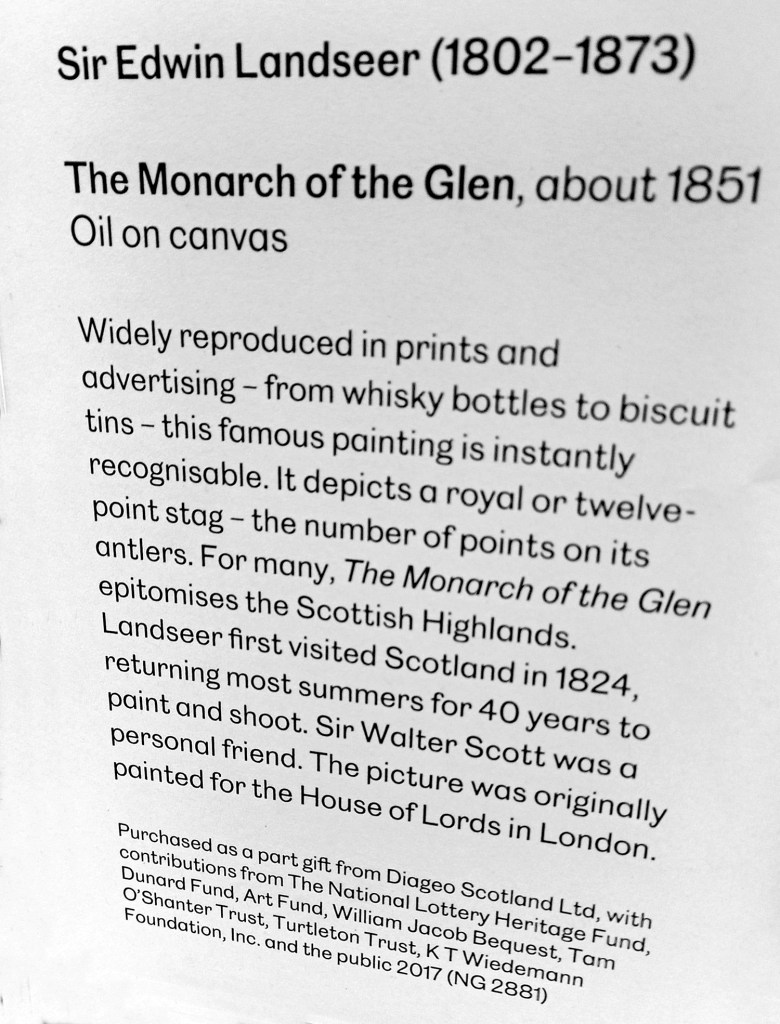
The Monarch of the Glen
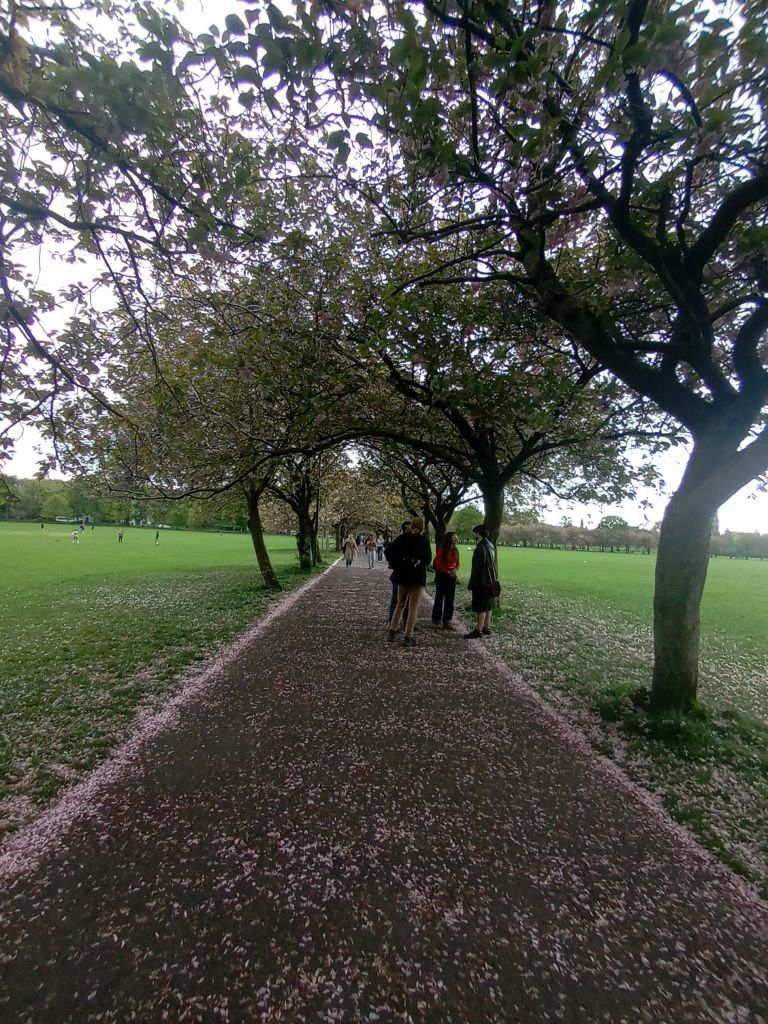
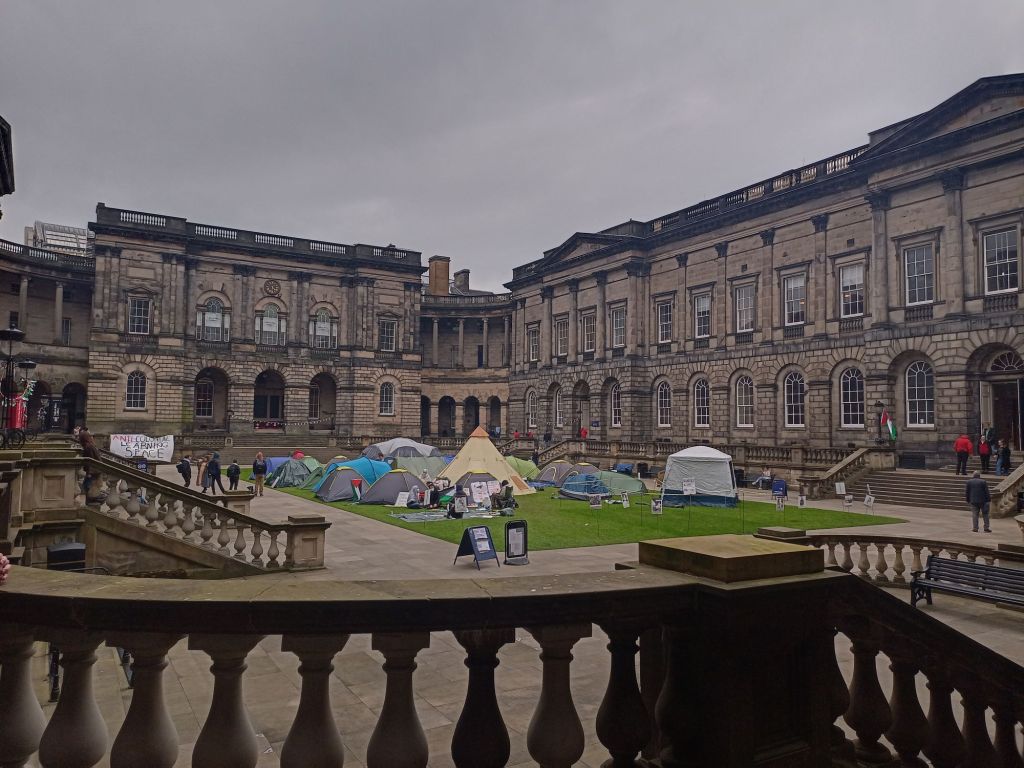
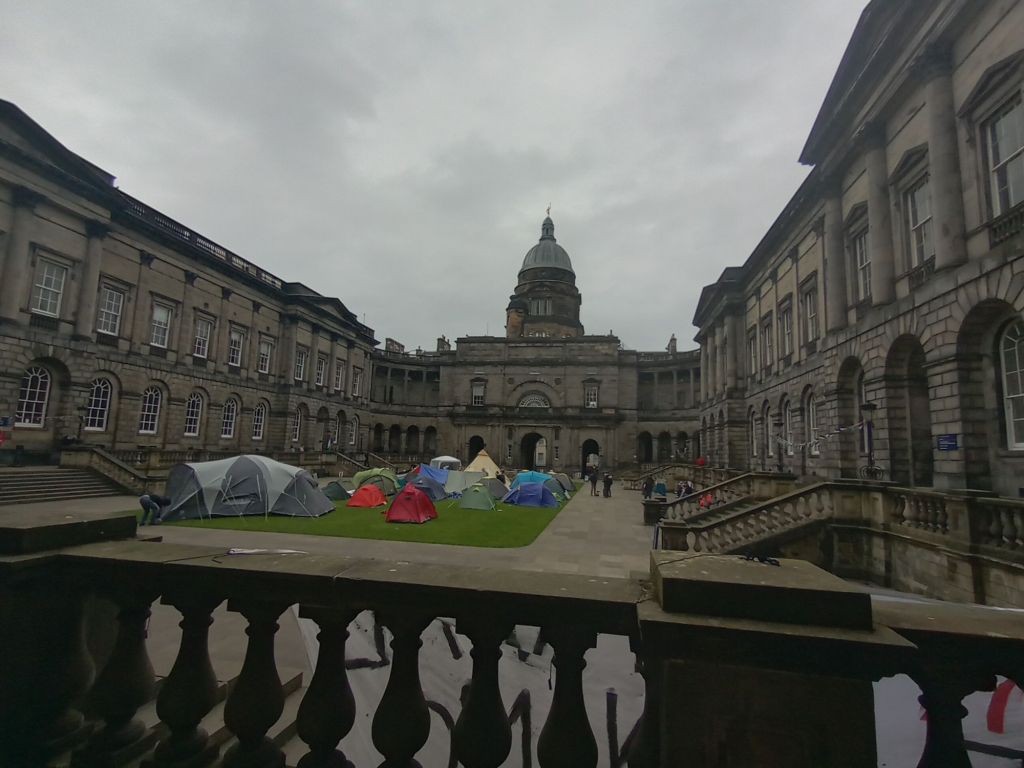
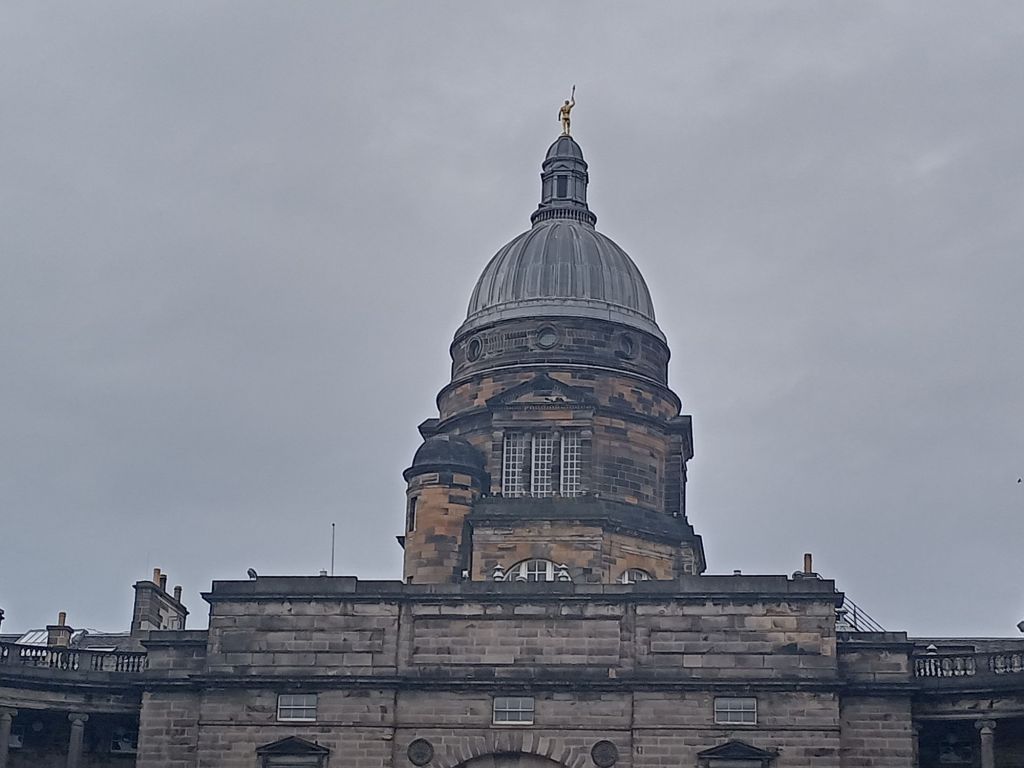
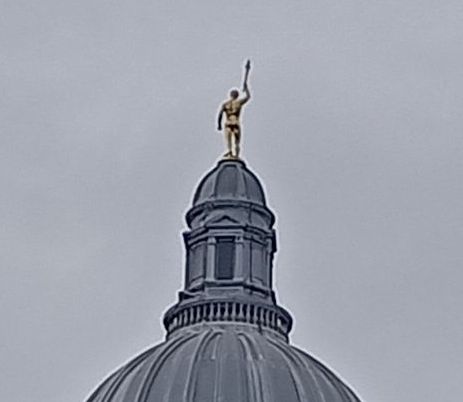
And then finally on to the University of Edinburgh …



















































 New Zealand Family History Search